
Grains and Pulses
Semolina
Σιμιγδάλι · Simigdali
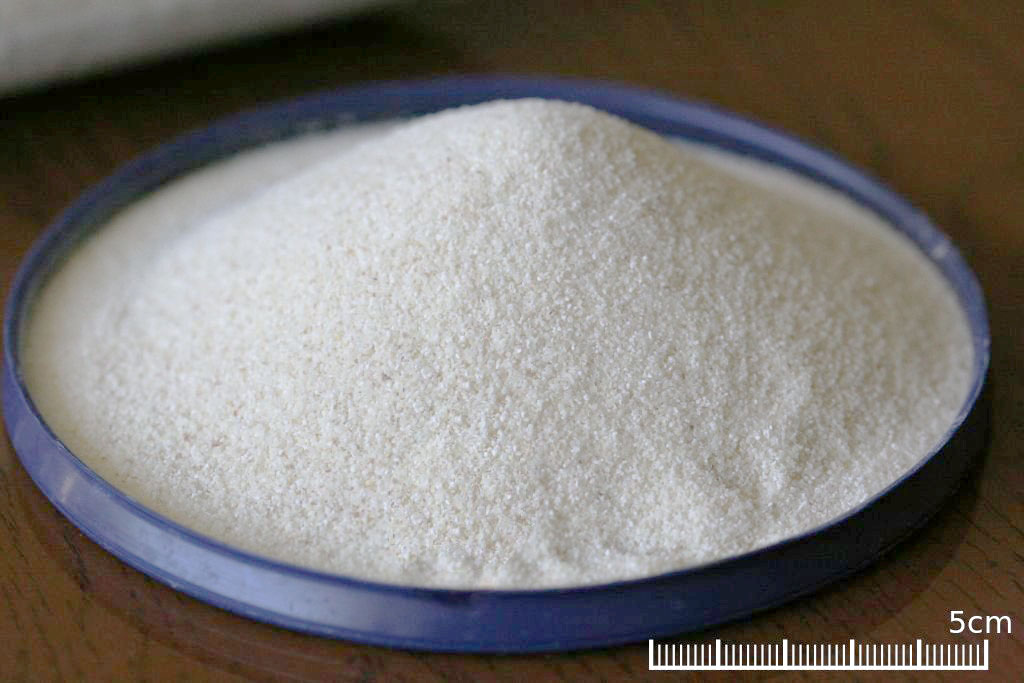
Semolina is the coarse-milled heart of durum wheat, and Greek recipes treat coarse and fine grinds as two separate ingredients rather than one with a choice of texture. Both are cheap, both keep for months in a sealed jar, and between them they account for a surprising share of the country's home baking, particularly the syrup-soaked sweets made through Lent when butter and eggs are off the table.
Halvas is the clearest example, and it is remembered by its ratio rather than a recipe: one part oil, two semolina, three sugar, four water. The coarse grain is toasted in the oil until it smells nutty and turns a shade darker, hot syrup goes in all at once, and the pan is covered off the heat while the semolina swells and sets.
Fine semolina does the opposite job, dissolving into liquid to thicken it. It sets the custard inside galaktoboureko, holding the filling firm enough to cut between sheets of phyllo, and gives revani its damp, sandy crumb under a lemon syrup. Swapping one grind for the other is the usual reason a halva turns pasty or a custard runs out of the pastry.
Recipes with semolina
10 recipes on the site using it.
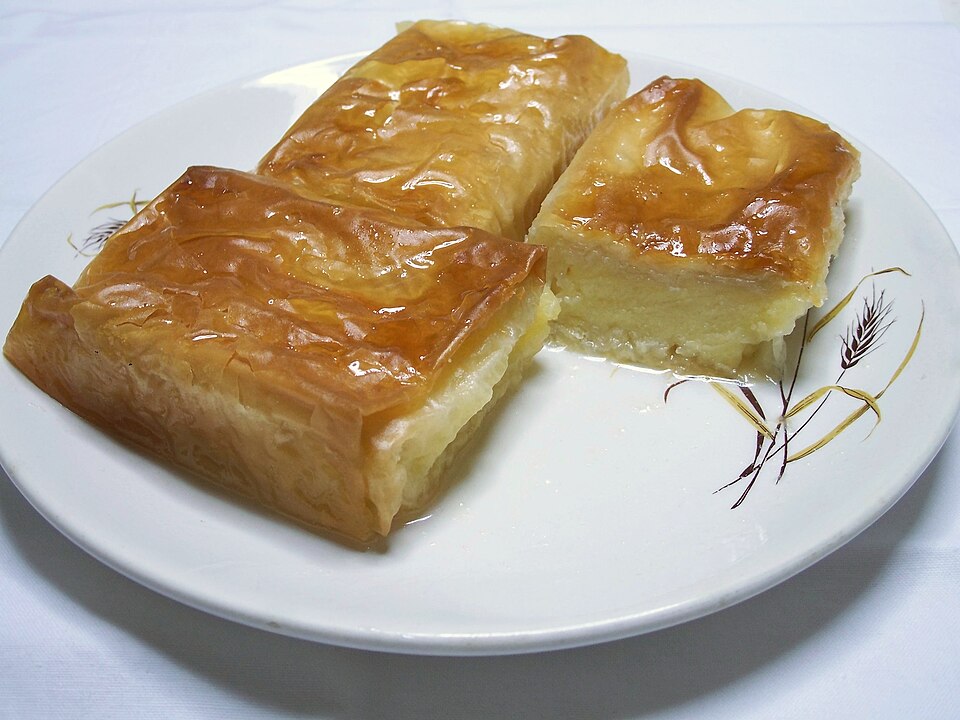 GalaktobourekoGalaktoboureko ΓαλακτομπούρεκοDesserts · 1h 30m · serves 12
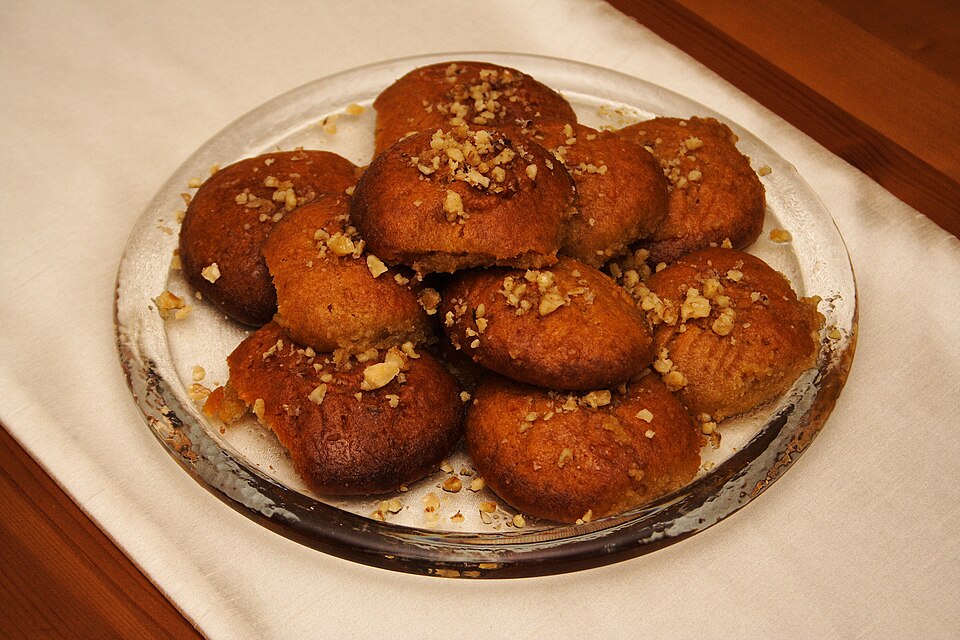 MelomakaronaMelomakarona ΜελομακάροναDesserts · 1h 5m · serves 30
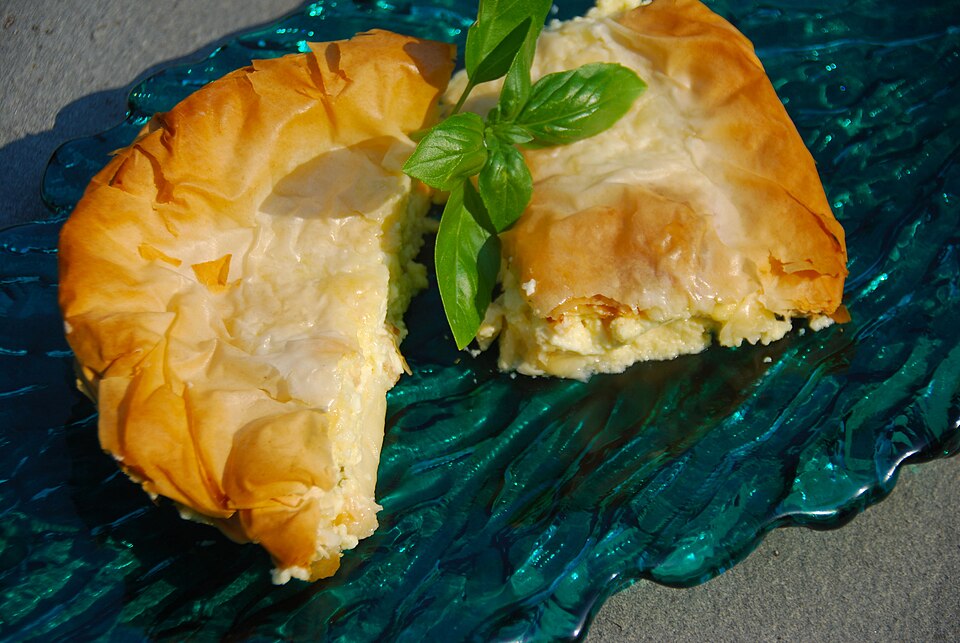 TiropitaTiropita ΤυρόπιταBreads and Pies · 1h 15m · serves 8
 BougatsaBougatsa ΜπουγάτσαBreakfast Recipes · 1h 10m · serves 8
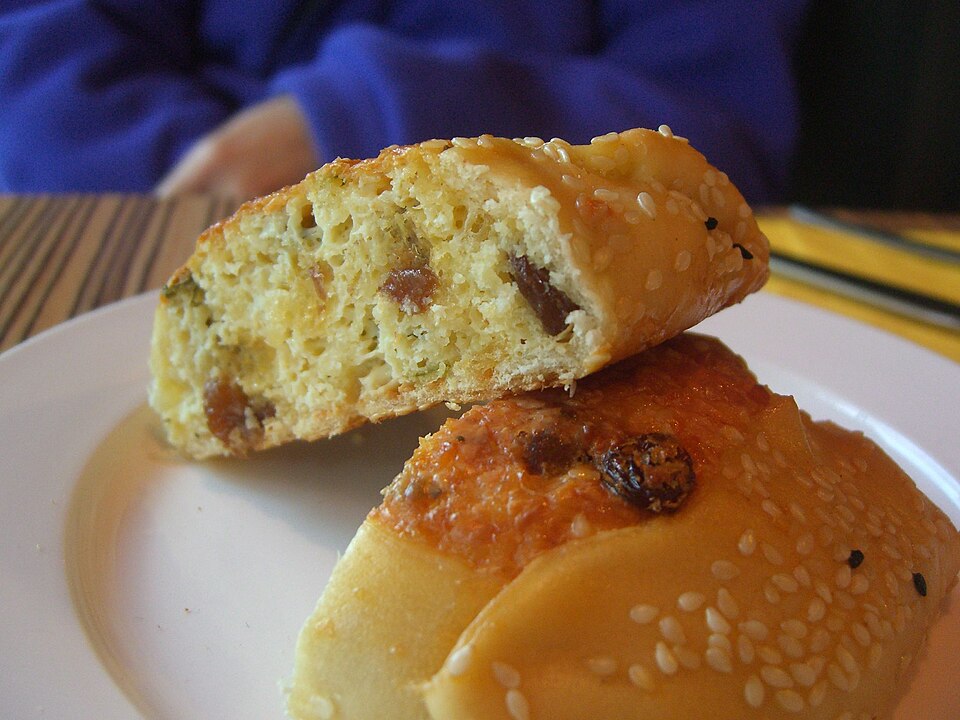 Cypriot Easter Cheese PastriesFlaounes ΦλαούνεςBreads and Pies · 2h 5m · serves 16
 Cypriot Bulgur Shells Stuffed with MeatKoupes ΚούπεςMeze and Appetisers · 1h 40m · serves 8
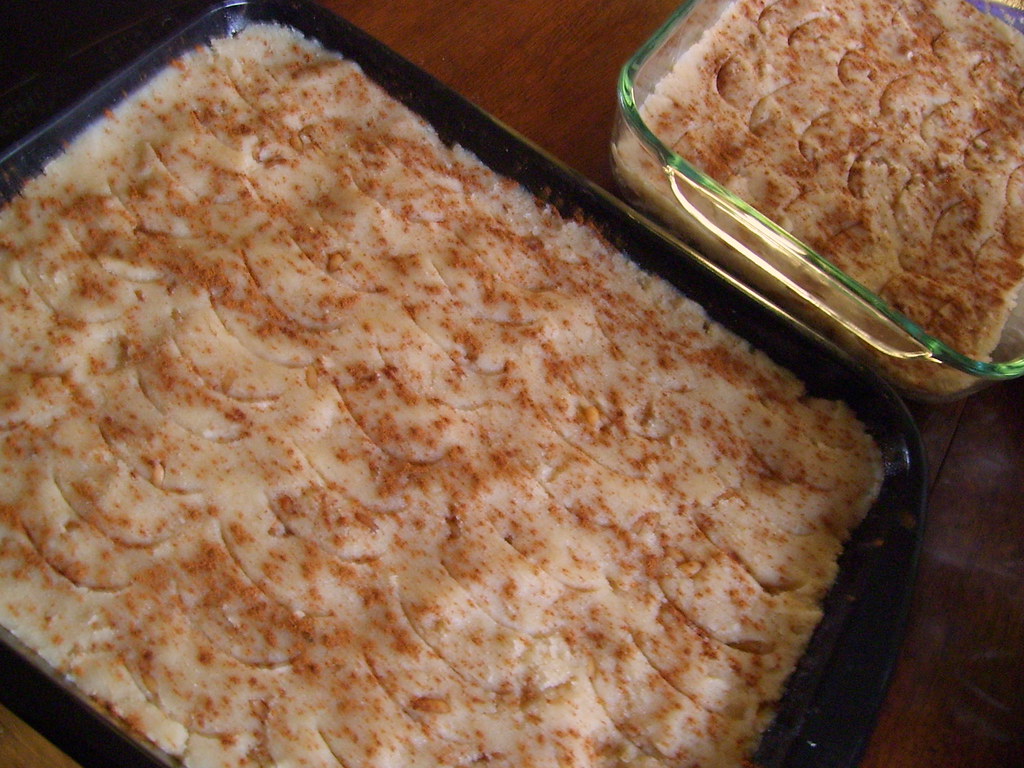 Semolina HalvaHalvas simigdalenios Χαλβάς σιμιγδαλένιοςDesserts · 40m · serves 10
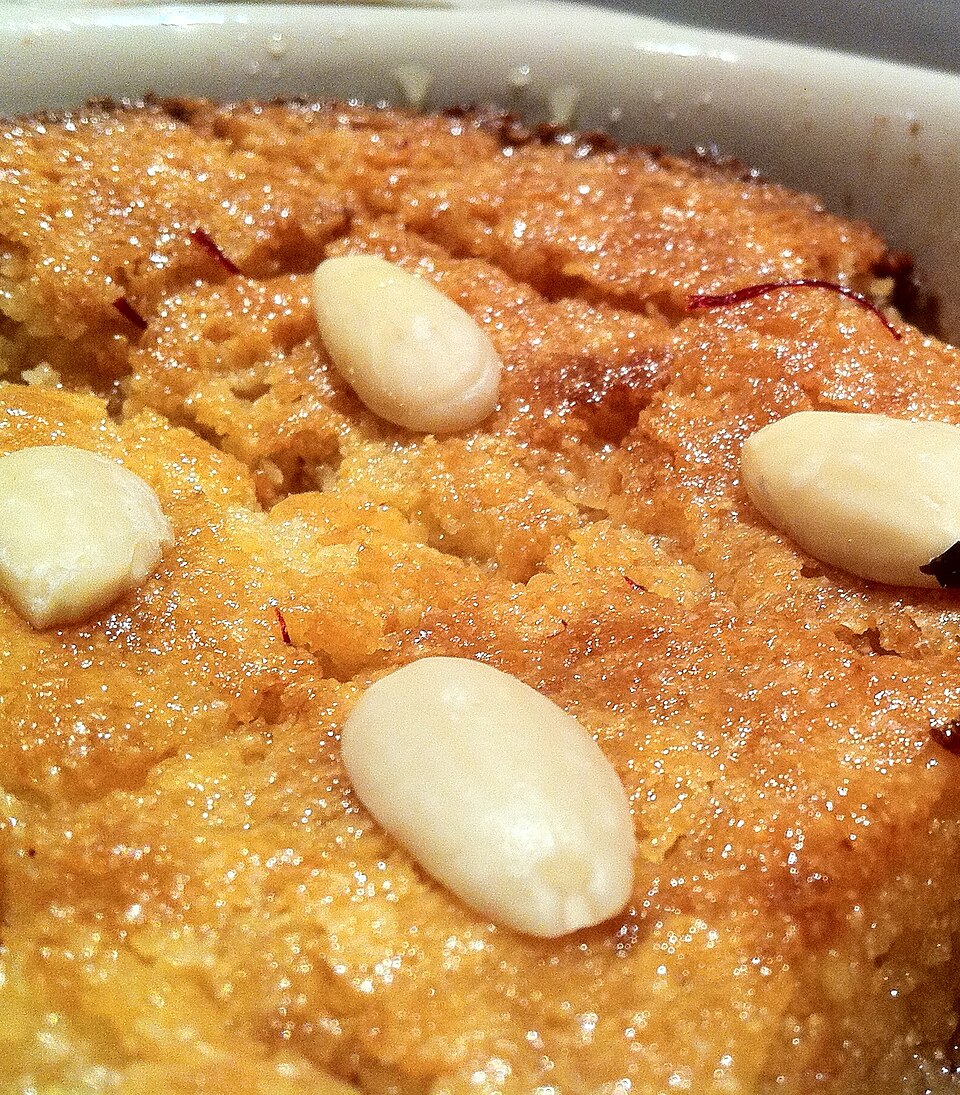 Semolina Syrup CakeRavani ΡαβανίDesserts · 1h 5m · serves 12
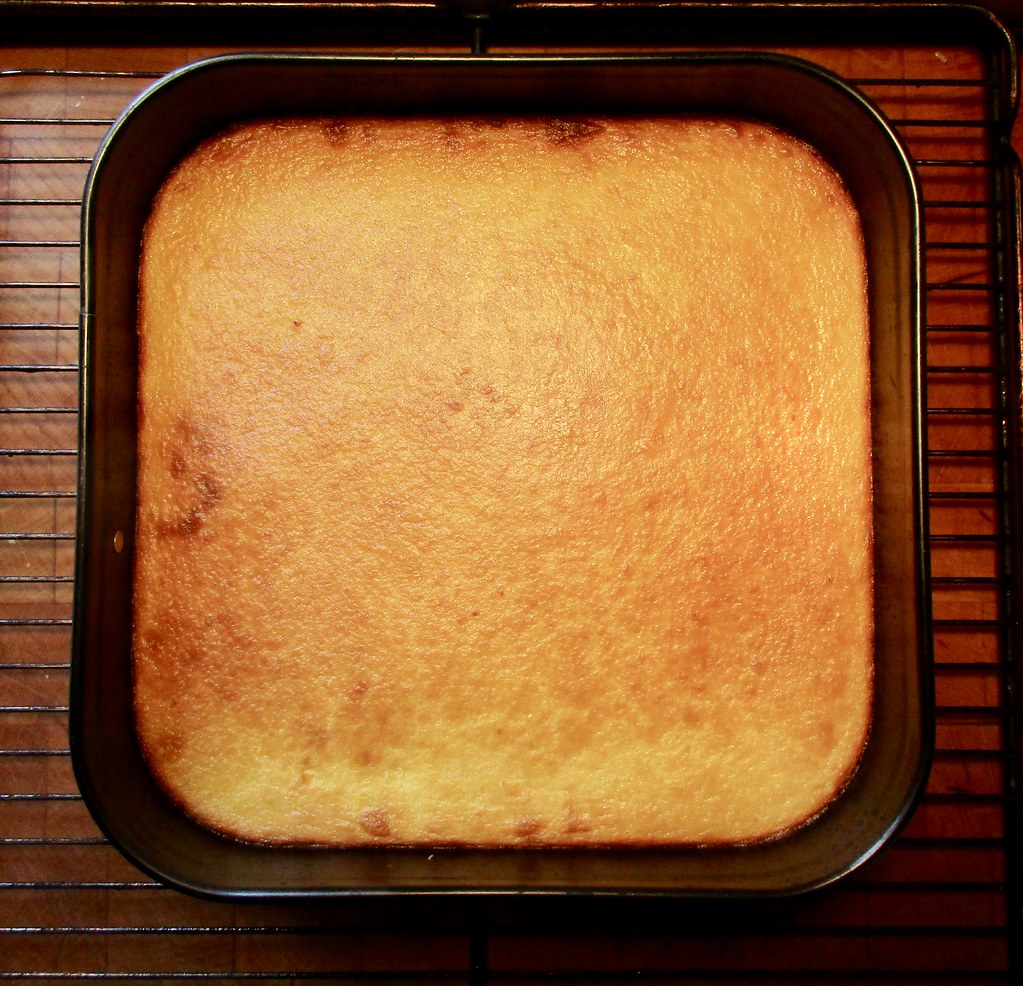 Custard Pie Without PhylloGalatopita ΓαλατόπιταDesserts · 1h · serves 8
Get one proper Greek recipe a week
No round-ups, no filler, no fifteen-ingredient shortcuts. One dish, written out in full, with the reasoning included.
The signup form is not connected yet, so there is nothing here that would quietly lose your address. Email contact@kalliopiskitchen.com and you go on the list by hand.