Greek Desserts · The Mainland · Baked · The Sunday Table
Portokalopita Recipe (Greek Orange Phyllo Cake)
Πορτοκαλόπιτα por-toh-kah-LOH-pee-tah · Portokalopita
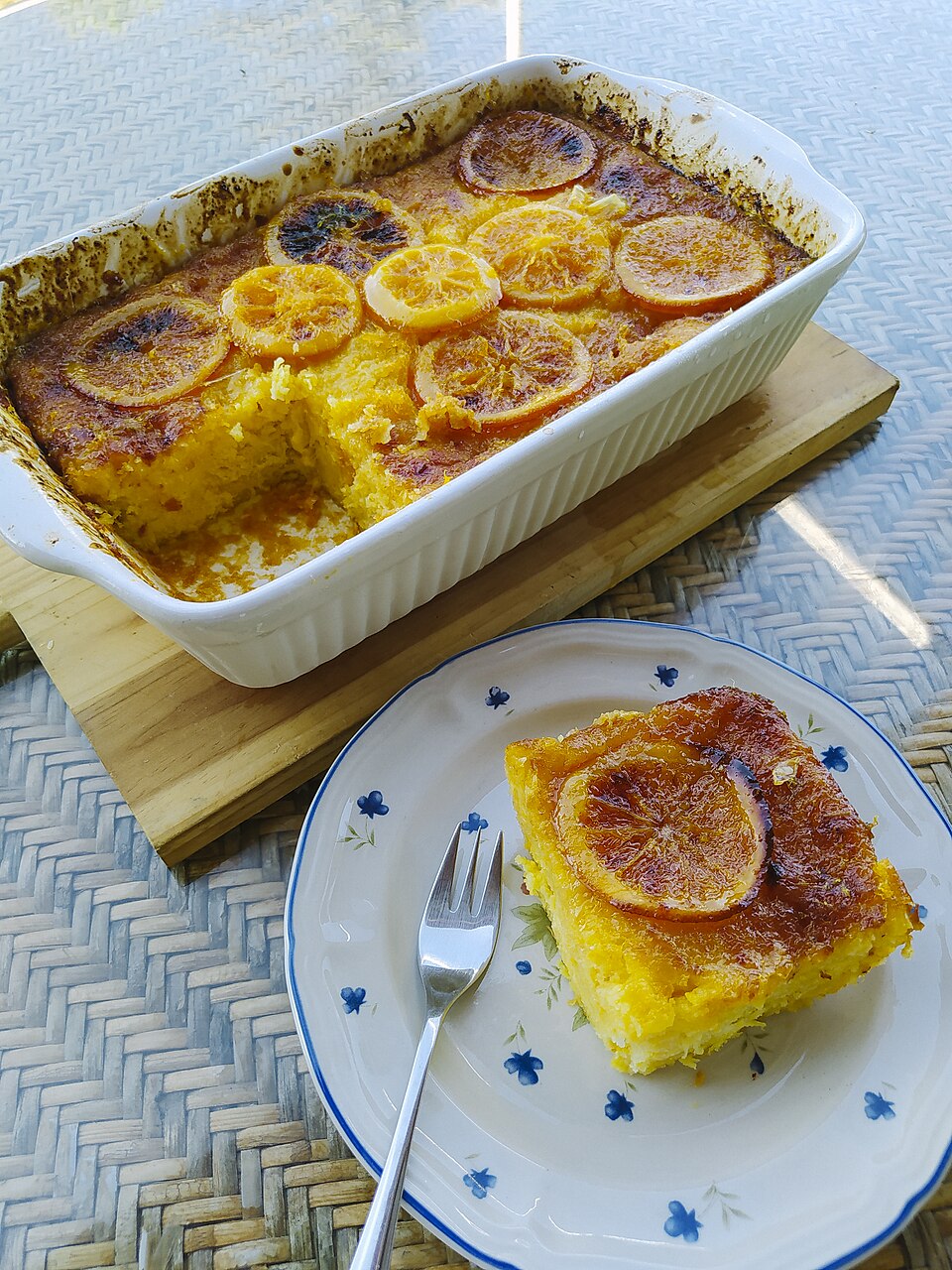
In short
Portokalopita is a Greek cake made by shredding dried-out phyllo sheets into a moist orange-scented batter, baking until golden, then drenching in orange syrup. It deliberately breaks every rule of phyllo pastry, tearing the sheets and letting them dry out rather than keeping them pristine, and the result is a soft, crumbly, deeply orange cake.
Portokalopita
- Prep
- 30m
- Cook
- 45m
- Total
- 1h 15m
- Serves
- 15
- Level
- Beginner
Ingredients
For the cake
For the syrup
Tick ingredients off as you go. Quantities rescale with the buttons above.
Method
- 01Unwrap the phyllo sheets and leave uncovered at room temperature for several hours, or overnight, until completely dried out and brittle.
- 02Heat the oven to 170C fan 150C. Butter a 30 x 22 cm baking dish.
- 03Crumble the dried phyllo by hand into small, rough, irregular pieces into a large bowl.
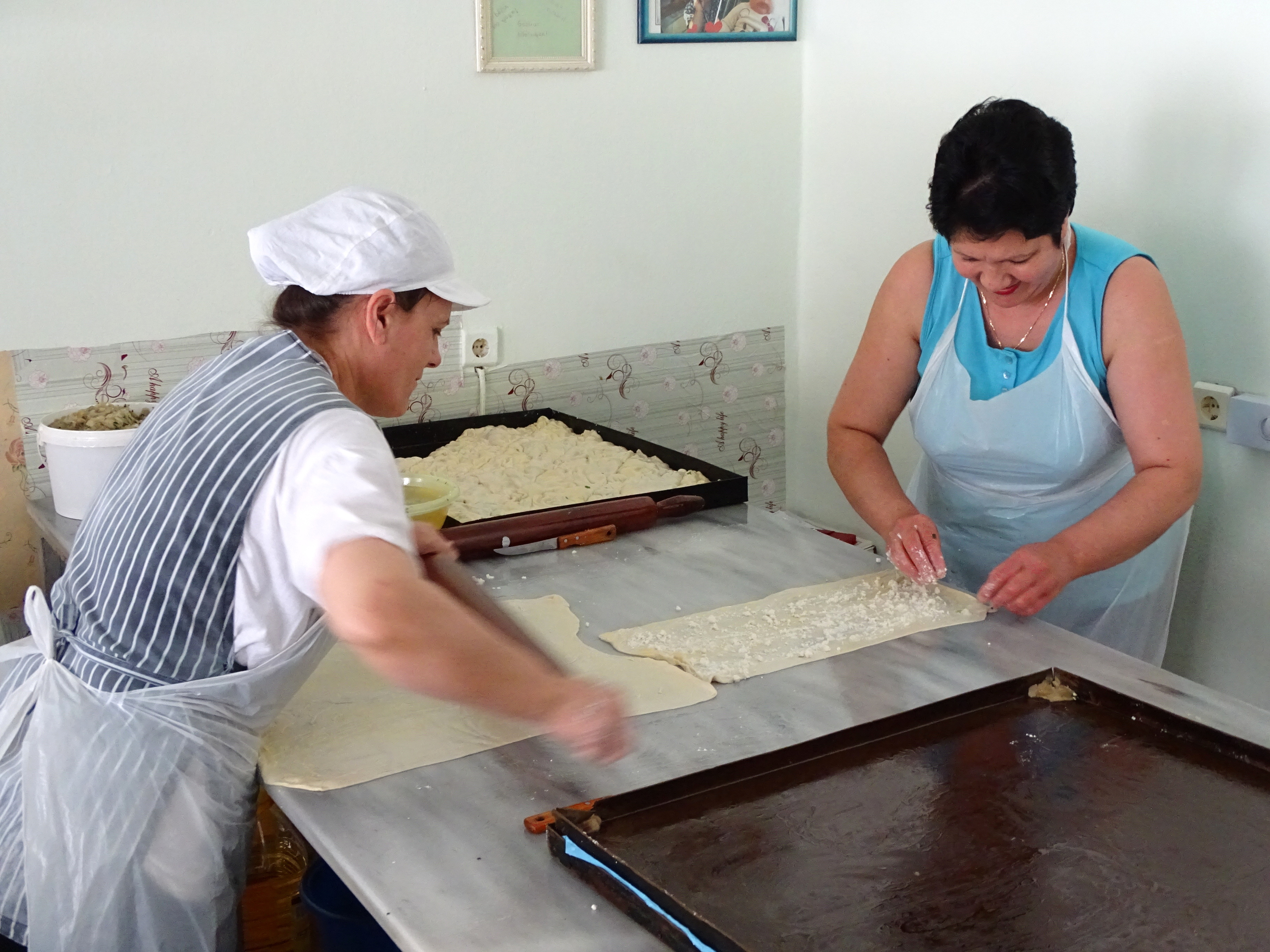
Phyllo - 04In a separate bowl, whisk the eggs and sugar together until well combined. Whisk in the yoghurt, oil, orange zest and orange juice.
- 05Sprinkle over the baking powder and whisk in.
- 06Pour the wet mixture over the crumbled phyllo and fold gently until evenly coated, without crushing the pieces too much.
- 07Pour into the prepared dish, spreading evenly, and bake for 40 to 45 minutes, until deeply golden and well risen.
- 08While the cake bakes, make the syrup: heat the sugar, water, orange juice and cinnamon stick in a pan, stirring until the sugar dissolves, then simmer for 6 minutes. Remove the cinnamon stick.
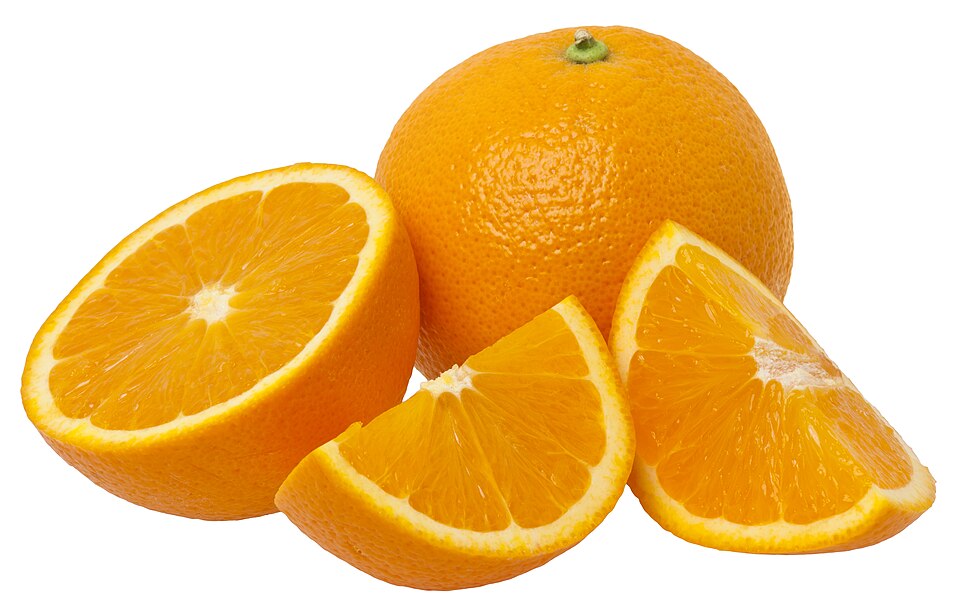
Orange - 09The moment the cake comes out of the oven, pour the hot syrup slowly and evenly over the top.Hot syrup on a hot cake.Yiayia
- 10Leave to absorb for at least 1 hour before cutting into pieces.
Nutrition, per 1 piece
- Calories
- 268
- Protein
- 4 g
- Carbs
- 38 g
- Fat
- 12 g
- Sat fat
- 2 g
- Fibre
- 1 g
These figures are calculated estimates based on the ingredients listed, not laboratory analysis. Actual values vary with brands, cuts and portion size.
Portokalopita is one of the few Greek recipes that specifically wants you to do the opposite of everything phyllo pastry usually demands. Rather than working with fresh sheets kept damp and pristine, this cake wants phyllo left out uncovered until it dries stiff and brittle, then torn roughly by hand into rough shreds, deliberately abandoning the neat layering of baklava or spanakopita entirely.
That dried, shredded phyllo gets folded into a wet, orange-heavy batter and baked, and the pieces of pastry soften and puff as they bake, giving the finished cake a uniquely light, slightly stringy, crumbly texture that no other cake quite replicates. It is then soaked, as with any Greek syrup cake, in a hot citrus syrup the moment it comes out of the oven.
This is genuinely one of the easiest cakes on the whole site: no rolling, no careful layering, no piping, just tearing phyllo by hand and folding it into a straightforward batter.
Key preparation steps
- Leave phyllo sheets uncovered until they dry out and turn brittle.
- Tear them roughly into small pieces by hand.
- Fold into an orange-scented yoghurt batter and bake.
- Drench with hot orange syrup the moment it comes out of the oven.
Drying out the phyllo on purpose
Unroll a packet of phyllo sheets and leave them uncovered at room temperature for several hours, or even overnight, until they are completely dried out and brittle enough to crumble easily between your fingers. This is the opposite of how phyllo is normally handled and is exactly what this cake wants.
If you are short on time, a very low oven, around 100C, for ten to fifteen minutes will dry the sheets out quickly, though the slow, natural air-drying method is traditional and gives a slightly better texture.
Tearing and folding
Once brittle, crumble the phyllo by hand into small, rough, irregular pieces, roughly the size of a coin, rather than anything uniform. Precision is genuinely not wanted here, and the ragged, varied pieces are what give the finished cake its characteristic texture.
Fold the torn phyllo into a batter built on Greek yoghurt, eggs, sugar, oil and plenty of orange zest and juice, mixing gently just enough to coat the pieces evenly without crushing them to dust.
Baking and soaking
Bake until deeply golden and well risen, then, following the same rule as any other Greek syrup cake, pour a hot citrus syrup over the cake the instant it comes out of the oven, while both are still hot. The already-porous, shredded phyllo structure soaks up syrup particularly readily, so it does not need as long a rest as some denser syrup cakes before it is fully saturated.
Let it sit for at least an hour before cutting so the syrup settles evenly, though this cake is genuinely forgiving of a shorter wait than something like karydopita or baklava.
What matters in this dish
Really let the phyllo dry out fully
Sheets that are still even slightly pliable do not shred properly and give a denser, less characteristic texture.
Do not crush the pieces too fine
Rough, irregular, coin-sized pieces are what give portokalopita its distinctive crumbly, slightly stringy texture.
Hot syrup on a hot cake
As with any Greek syrup cake, pour the syrup the moment the cake comes out of the oven for the most even soak.
Questions people ask about Portokalopita
Why does this recipe want dried-out phyllo?
Brittle, dried phyllo crumbles into the rough, irregular pieces that give portokalopita its distinctive crumbly texture once baked. Fresh, pliable phyllo does not shred the same way and gives a denser result.
Can you use shop-bought orange juice instead of fresh?
Fresh orange juice and zest give a noticeably brighter, more genuine orange flavour, since the zest carries most of the aromatic oil that shop-bought juice lacks. Use fresh oranges if at all possible.
How long does portokalopita keep?
About 4 to 5 days at room temperature, covered, and it stays moist thanks to the syrup soak throughout that time.