Greek Soups · The Mainland · Boiled and Simmered · The Sunday Table
Greek Fish Soup (Psarosoupa)
Ψαρόσουπα psah-ROH-soo-pah · Psarosoupa
In short
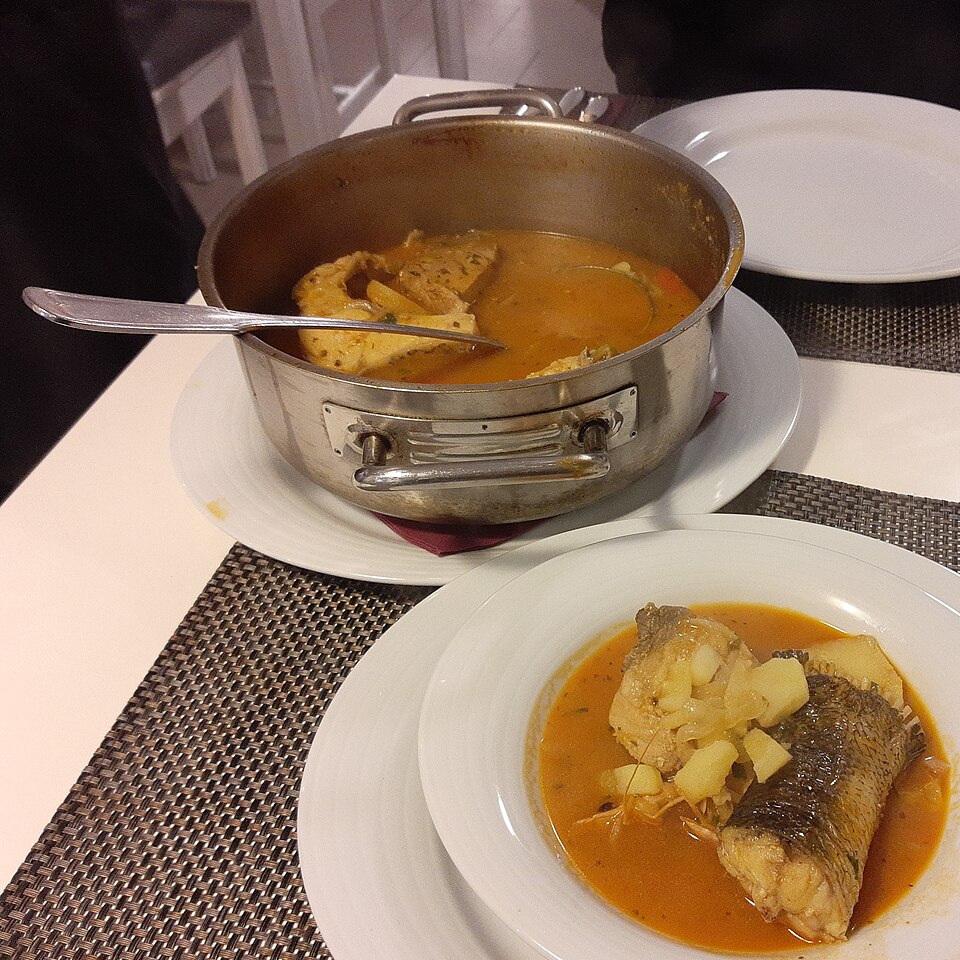
Psarosoupa is a Greek fish soup, a whole fish simmered with root vegetables into a rich broth, traditionally served as two separate courses: the poached fish and vegetables first, then the strained broth, finished with avgolemono, drunk afterwards as a soup in its own right.
Fish Soup
- Prep
- 25m
- Cook
- 45m
- Total
- 1h 10m
- Serves
- 6
- Level
- Intermediate
Ingredients
Ingredients
Tick ingredients off as you go. Quantities rescale with the buttons above.
Method
- 01Put the fish, potato, carrot, celery and onion into a large pot and cover with the water. Season and bring to a gentle simmer.
- 02Simmer for 25 to 30 minutes, until the fish flakes easily and the vegetables are tender.
- 03Carefully lift the fish and vegetables out onto a serving platter, dress with olive oil and a squeeze of lemon, and serve as a first course.
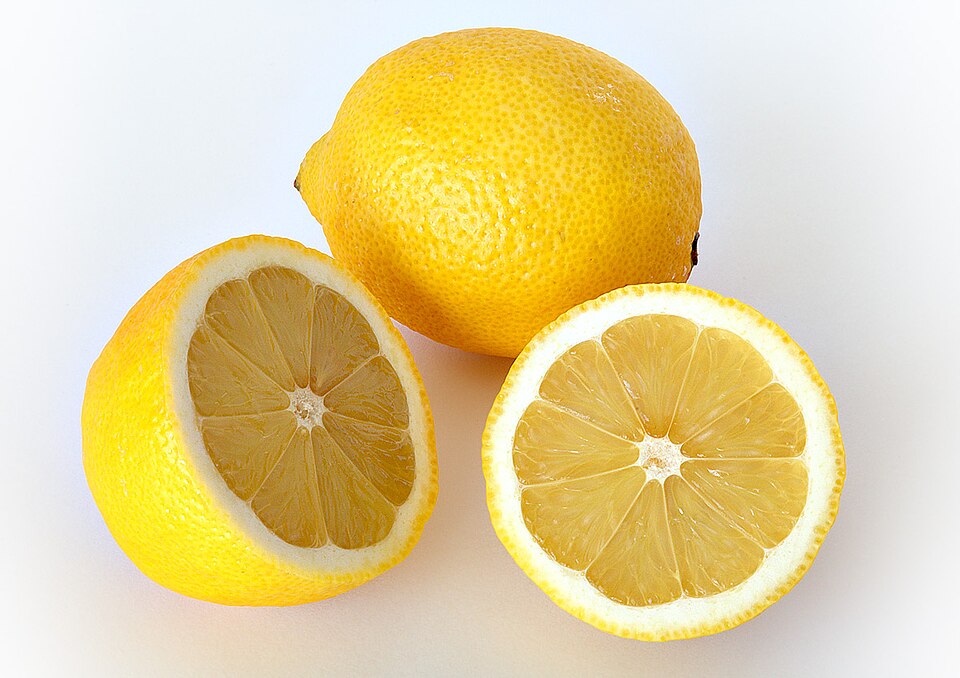
Lemon - 04Strain the remaining broth through a fine sieve into a clean pot and bring back to a simmer.
- 05Take the pot off the heat. Beat the eggs well with the remaining lemon juice, then temper with several ladlefuls of the hot broth, whisking constantly.
- 06Pour the tempered mixture back into the pot, stirring gently. Do not return to the heat.
- 07Serve the finished broth as a separate soup course, following the fish and vegetables.Serve it in the traditional two courses.Yiayia
Nutrition, per 1 portion
- Calories
- 312
- Protein
- 34 g
- Carbs
- 18 g
- Fat
- 12 g
- Sat fat
- 2 g
- Fibre
- 2 g
These figures are calculated estimates based on the ingredients listed, not laboratory analysis. Actual values vary with brands, cuts and portion size.
Psarosoupa reflects a genuinely different way of serving a meal from what most people expect: rather than one bowl containing everything, the whole fish and its vegetables are lifted out and served as a plate on their own, dressed simply with olive oil and lemon, while the broth they cooked in is strained, finished with avgolemono, and drunk afterwards as its own separate soup course.
This two-stage serving is traditional across much of Greece and makes real sense once you have tried it: the fish gets to be the centrepiece of its own plate rather than getting lost and overcooked sitting in a bowl of broth, and the broth itself, freed from having to also hold whole fish and vegetable pieces, becomes a genuinely elegant, clean soup in its own right.
A firm white fish, ideally a whole one for the best flavour in the broth, and a proper long simmer, are what this dish depends on.
Key preparation steps
- Simmer a whole fish with root vegetables until just cooked through.
- Lift out the fish and vegetables to serve as a first course.
- Strain the remaining broth and finish with avgolemono.
- Serve the broth as a separate soup course.
Choosing the fish
A whole firm white fish, such as grouper, sea bass or a similar variety, gives considerably more flavour to the broth than fillets would, since bones and head both contribute real depth over the simmering time. If a whole fish is not practical, thick fillets or steaks of a firm fish work as a substitute, though the broth will be somewhat less rich.
The simmer
Simmer the fish gently with potato, carrot, celery and onion in plenty of water, at a genuine simmer rather than a rolling boil, which would break the fish apart and cloud the broth. This takes twenty-five to thirty minutes for a mid-sized whole fish, checked by seeing if the flesh flakes easily.
Two separate courses
Lift the fish and vegetables out carefully onto a serving platter, dress simply with olive oil and lemon, and serve as a first course while the broth continues without them. Strain the remaining broth, return it to a simmer, and finish with avgolemono, taking the pot off the heat and tempering beaten egg and lemon in gradually, exactly as with any other avgolemono dish.
Serve the finished, silky broth afterwards as its own soup course, following the traditional order rather than combining everything into one bowl.
What matters in this dish
Use a whole fish if you can
The bones and head contribute real depth to the broth that fillets alone cannot replicate.
Keep the simmer gentle
A rolling boil breaks the fish apart and clouds the broth. A bare simmer keeps everything intact and the broth clear.
Serve it in the traditional two courses
The fish and vegetables first, the finished broth afterwards, rather than combining everything into one bowl.
Questions people ask about Psarosoupa
Why is psarosoupa served as two separate courses?
This is the traditional Greek serving order: the fish and vegetables, lifted out and dressed simply, come first, followed by the strained, avgolemono-finished broth as its own soup course, letting each element be enjoyed properly rather than sitting together in one crowded bowl.
What fish works best for psarosoupa?
A whole firm white fish, such as grouper or sea bass, gives the richest broth thanks to the bones and head. Thick fillets or steaks are a workable substitute if a whole fish is not available.
Is this the same as kakavia?
They are closely related, both being Greek fish soups, but kakavia is traditionally a fisherman's soup made from a mix of several fish and shellfish cooked together in one pot, while psarosoupa more often uses a single whole fish, served in two separate stages.