Greek Meze and Appetisers · Asia Minor · No-Cook · Mezedes and Ouzo
Cured Spiced Beef from Asia Minor (Pastourma)
Παστουρμάς pah-stoor-MAHS · Pastourmas
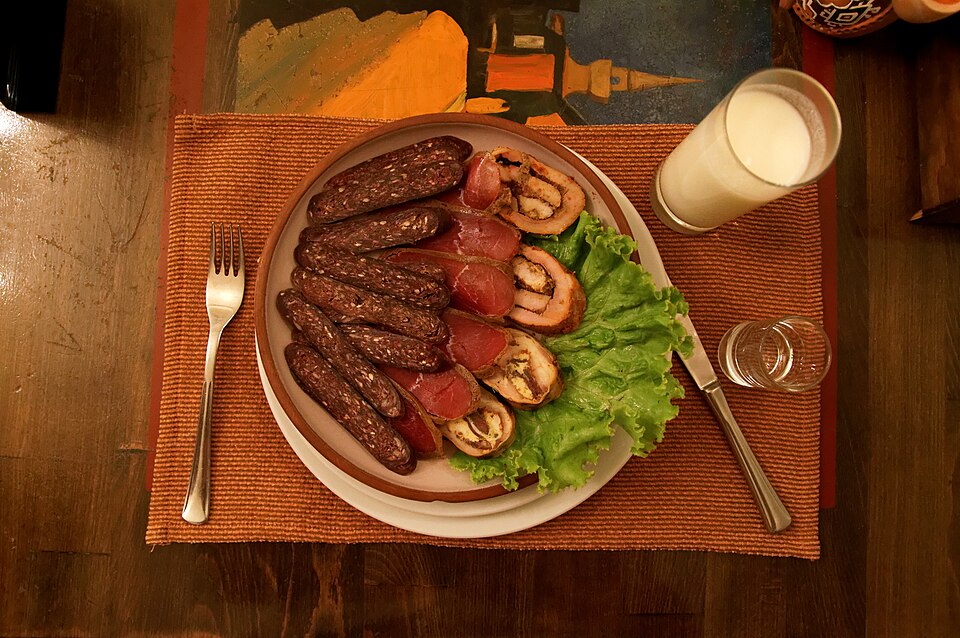
In short
Pastourma is cured beef, pressed to remove moisture, then coated in a thick, pungent paste of ground fenugreek, garlic and paprika called cemen, before air-drying further. It traces to Asia Minor and Cappadocia specifically, entering Greek cooking through the same refugee communities behind soutzoukakia and peinirli, and it is genuinely unlike any other cured meat in Greek cooking.
Cured Spiced Beef from Asia Minor
- Prep
- 40m
- Cook
- None
- Total
- 40m
- Serves
- 10
- Level
- Advanced
Ingredients
For the meat
For the cemen paste
Tick ingredients off as you go. Quantities rescale with the buttons above.
Method
- 01Rub the beef thoroughly with the coarse salt, place in a non-reactive container, cover, and refrigerate for 6 to 7 days, turning daily.
- 02Rinse the cured beef thoroughly and pat completely dry.
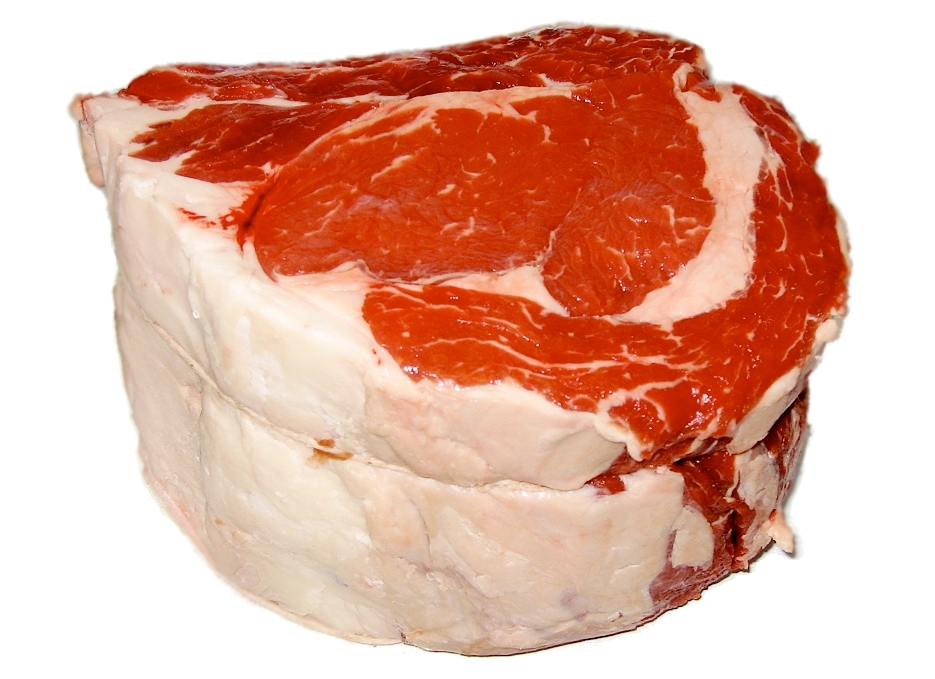
Beef - 03Wrap in cheesecloth and press firmly under a heavy weight in the fridge for 1 to 2 days, to force out excess moisture.
- 04Mix the ground fenugreek, garlic, sweet and hot paprika with enough water to form a thick, spreadable paste.
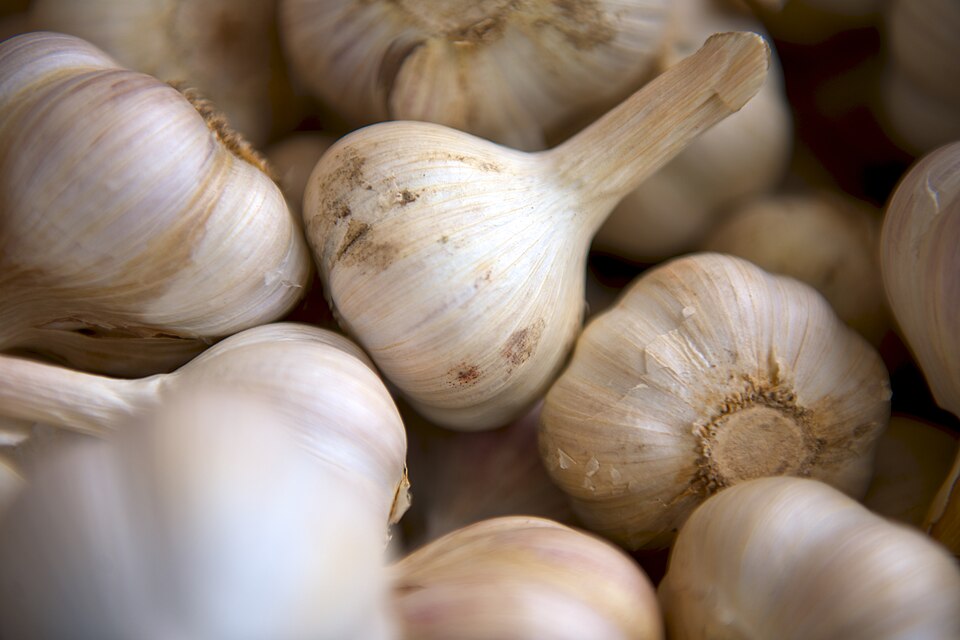
Garlic - 05Coat the pressed beef generously and evenly on all sides with the paste, building a thick, even layer.Coat generously with the cemen paste.Yiayia
- 06Hang the coated meat in a cool, well-ventilated space for a further 7 to 10 days, until the coating has dried firm and the meat feels dense.
- 07Slice very thin to serve.
Nutrition, per 4 thin slices
- Calories
- 142
- Protein
- 22 g
- Carbs
- 3 g
- Fat
- 4 g
- Sat fat
- 2 g
- Fibre
- 1 g
These figures are calculated estimates based on the ingredients listed, not laboratory analysis. Actual values vary with brands, cuts and portion size.
Every other cured meat on this site, lountza, louza, noumboulo, apaki, syglino, is built on pork, but pastourma breaks that pattern entirely: it is beef, and its defining feature is not a herb blend at all but cemen, a thick, pungent, deep red paste of ground fenugreek, garlic and paprika pressed onto the surface of the meat after curing.
It traces specifically to Asia Minor and the Cappadocia region, entering Greek cooking through the same refugee communities responsible for soutzoukakia and peinirli, and it remains one of the most distinctive cured meats found anywhere in Greek or Cypriot cooking precisely because of that cemen coating, which nothing else in the wider repertoire resembles.
This is a genuine, multi-stage curing project, salting, pressing, coating and drying in sequence, and the fenugreek paste especially rewards patience, since it needs real time to properly adhere and dry onto the meat's surface.
Key preparation steps
- Salt-cure a lean beef cut for several days.
- Press under weight to remove moisture.
- Coat thickly in a fenugreek, garlic and paprika paste.
- Air-dry until firm, then slice paper-thin.
Curing and pressing
A lean cut of beef, such as eye of round, is rubbed thoroughly with coarse salt and cured under refrigeration for around a week, turned regularly. After curing, rinse and pat dry, then press the meat firmly under a weight for a further day or two, which forces out additional moisture and gives the finished pastourma its characteristic dense, compact texture.
The cemen paste
Ground fenugreek, mixed with crushed garlic, sweet and hot paprika, and enough water to form a thick, spreadable paste, is what genuinely defines pastourma. Coat the pressed meat generously and evenly on all sides, a layer that should look almost too thick, since much of it will dry and consolidate as the meat continues to air dry.
Final drying and serving
Hang the coated meat in a cool, well-ventilated space for a further week or so, until the cemen coating has dried firm and the meat inside feels dense throughout. Slice very thin, close to translucent, and serve as a meze, since pastourma's flavour is concentrated and pungent enough that a little goes a very long way.
What matters in this dish
Do not skip the pressing stage
It gives pastourma its characteristic dense, compact texture and is genuinely part of what separates it from a simple cured beef.
Coat generously with the cemen paste
It should look almost too thick going on, since much of it dries and consolidates as the meat continues drying.
Slice it very thin
Pastourma's flavour is concentrated and pungent. A thick slice is overwhelming rather than enjoyable.
Questions people ask about Pastourmas
What is cemen?
The thick, pungent paste of ground fenugreek, garlic and paprika that coats the surface of pastourma, giving it its defining deep red colour and distinctive flavour, found nowhere else in Greek cured meat.
Why is pastourma made from beef rather than pork?
It traces to Asia Minor and Cappadocia, where beef was the traditional choice for this specific curing method, unlike the pork-based cured meats found on Greek islands like Cyprus and Corfu.
How is pastourma typically eaten?
Sliced very thin as a meze, sometimes fried briefly with eggs, since its concentrated, pungent flavour is strong enough that a small amount goes a long way.