Greek Desserts · Cyprus · Boiled and Simmered · Lent and Nistisima
Cypriot Grape Must Pudding (Palouzes)
Παλουζές pah-loo-ZES · Palouzes
In short
Palouzes is the Cypriot version of moustalevria, a soft pudding of fresh grape must thickened with flour and stirred until it sets. It is made in September and October when the grapes are pressed, scented with a few rose geranium leaves, and eaten warm or cold with crushed almonds, walnuts and cinnamon on top. It is also the pudding that soutzoukos is dipped in.
Cypriot Grape Must Pudding
- Prep
- 10m
- Cook
- 25m
- Total
- 35m
- Serves
- 6
- Level
- Beginner
Ingredients
For the pudding
To finish
Tick ingredients off as you go. Quantities rescale with the buttons above.
Method
- 01Pour 250 ml (1 cup) of the must into a bowl and set it aside to cool. You will mix the flour into this.
- 02Put the rest of the must in a large, deep pan with the baking soda and the rose geranium leaves. Bring it to the boil slowly, because it foams up, and boil for 5 minutes, skimming off the froth.Use a bigger pan than you think.Yiayia
- 03Take the pan off the heat, lift out the geranium leaves and strain the must through a fine sieve or a cloth.
- 04Whisk the flour into the cold must until there are no lumps.
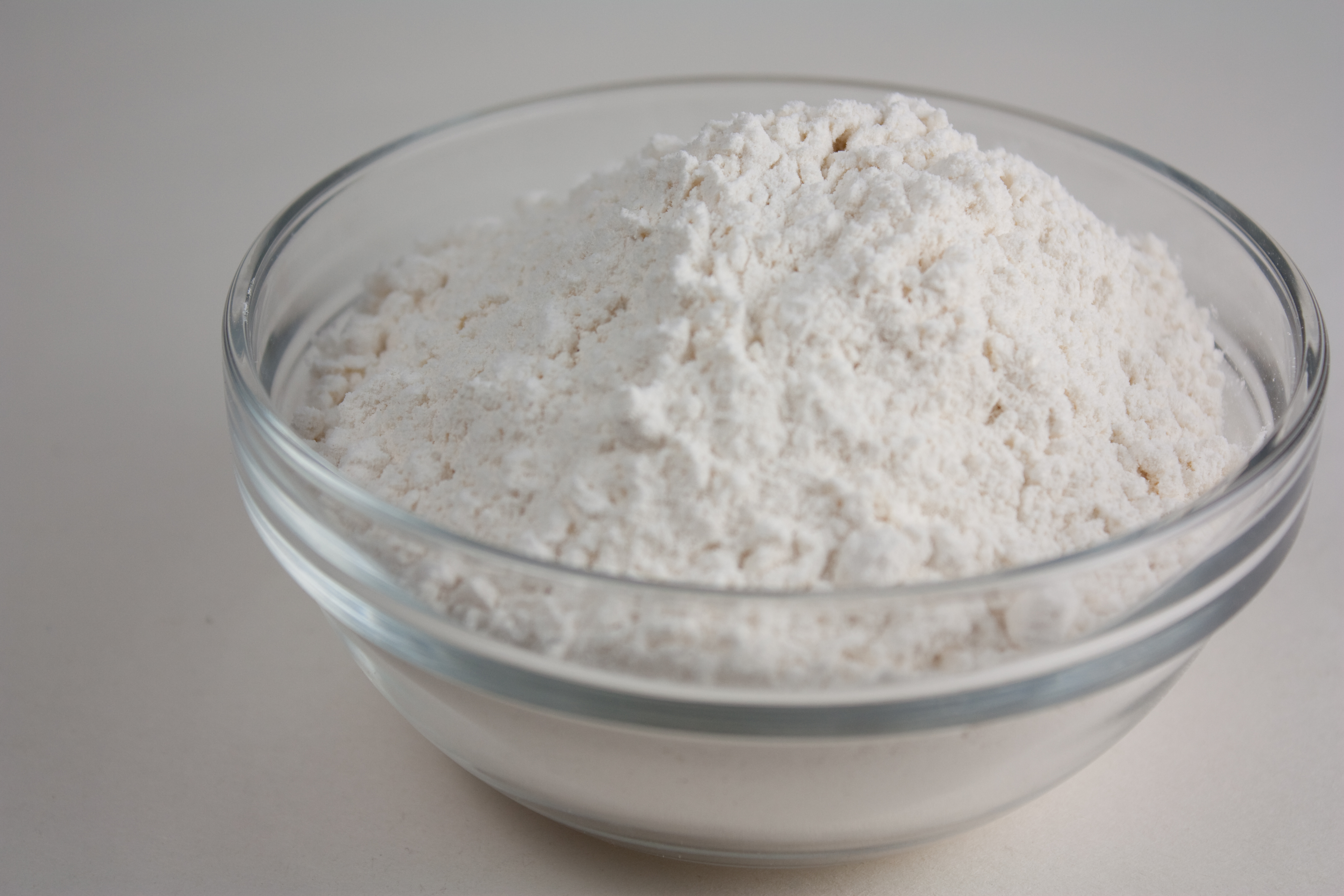
Flour - 05Return the strained must to the pan over a medium-low heat and pour in the flour mixture through a sieve, whisking all the time.
- 06Keep stirring for 10 to 15 minutes, until the pudding thickens, turns glossy and coats the back of a spoon.
- 07Pour it into small bowls. Mix the almonds, walnuts and cinnamon and scatter them over the top, with sesame seeds if you like.
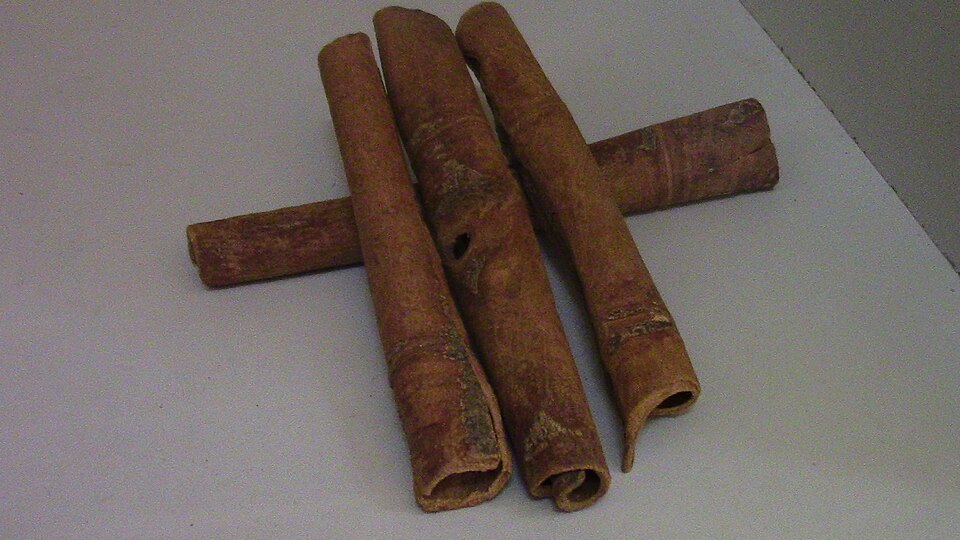
Cinnamon - 08Eat it warm, or leave it to set for an hour and serve it cold.
Nutrition, per 1 bowl
- Calories
- 233
- Protein
- 4 g
- Carbs
- 40 g
- Fat
- 7 g
- Sat fat
- 1 g
- Fibre
- 2 g
These figures are calculated estimates based on the ingredients listed, not laboratory analysis. Actual values vary with brands, cuts and portion size.
Palouzes is what Cypriot villages made with the first of the grape must at harvest. The juice from the press is boiled, cleared, thickened with flour and stirred until it turns into a soft, wobbly pudding that tastes strongly of grapes. In Greece the same thing is called moustalevria.
Most of the must went to wine and zivania, and some was boiled down to epsima, the thick, dark reduced must. Palouzes was the share the household ate straight away, from small bowls, often while it was still warm. Some of it was kept back in the pot for dipping strings of almonds, which is how soutzoukos is made.
You do not need a vineyard to make it. Greek and Cypriot delis sell fresh must in the autumn, and a good unsweetened grape juice works the rest of the year. Aim for a pudding that is loose rather than stiff, so that it slides off the spoon.
Key preparation steps
- Boil the must with a little baking soda and skim it.
- Strain it, then whisk in flour mixed with cold must.
- Stir over a low heat until it thickens and coats the spoon.
- Pour into bowls and top with nuts and cinnamon.
Clearing the must
Fresh must is cloudy and sharp. Village cooks boiled it with a spoonful of fine white earth or wood ash, which pulls the sediment down and softens the acidity, then left it to settle overnight and poured the clear juice off the top. At home a little baking soda does the same job on the acidity. It foams up hard when it goes in, so use a big pan and add it slowly.
Bottled grape juice is already clear, so it only needs the baking soda if it tastes sharp. Taste it before you start.
Getting the thickness right
The flour has to be mixed into a little cold must first, or it will lump the moment it touches the hot pan. Pour it in through a sieve and keep whisking. As a guide, 90 g (3/4 cup) of flour sets a litre of must into a soft pudding. More flour gives a firmer set that can be cut into squares, but you lose the loose texture.
It is ready when it coats the back of a spoon and a line drawn through it with your finger holds its shape. It sets a little more as it cools.
Rose geranium
Cypriots call rose geranium kiouli or arbaroriza, and a few leaves boiled with the must give palouzes a faint floral smell. Take them out before you thicken it. If you cannot get rose geranium, a drop of vanilla stirred in at the end is the usual stand-in. Some cooks also rinse the bowls with orange blossom water before pouring the pudding in.
Palouzes and soutzoukos
Soutzoukos is made from almonds threaded on cotton string and dipped again and again in palouzes, then hung up to dry. If you make a double batch and keep half in the pan, you have the coating ready. The soutzoukos recipe covers the threading and dipping.
What matters in this dish
Use a bigger pan than you think
Must foams up when it boils, and more so with baking soda in it. A deep pan saves you cleaning sticky juice off the stove.
Sieve the flour mixture in
Even well-whisked flour can carry small lumps. Pouring it through a sieve into the hot must is the easiest way to a smooth pudding.
Sweeten only if it needs it
Fresh must is sweet enough on its own. Bottled juice is milder, and a spoonful of epsima or honey stirred in at the end brings it up.
Questions people ask about Palouzes
What is the difference between palouzes and moustalevria?
They are the same pudding. Palouzes is the Cypriot name and moustalevria is the name used in Greece. Cypriot cooks often scent it with rose geranium, while many Greek versions are just must and flour.
Can you make palouzes with bottled grape juice?
Yes. Use an unsweetened juice that is 100 percent grape, ideally from dark grapes. It is milder than fresh must, so taste it at the end and add a little honey or epsima if it needs it.
How long does palouzes keep?
Covered in the fridge it keeps for 3 to 4 days. It firms up as it chills, so let it sit at room temperature for a while before you eat it.
Is palouzes vegan?
Yes. It is only grape must, flour and nuts, so it is also eaten during the Orthodox fasts.