Greek Desserts · Cyprus · No-Cook · The Sunday Table
Cypriot Grape Must and Almond Candy (Soutzoukos)
Σουτζιούκος soo-JOO-kos · Soutzoukos
In short
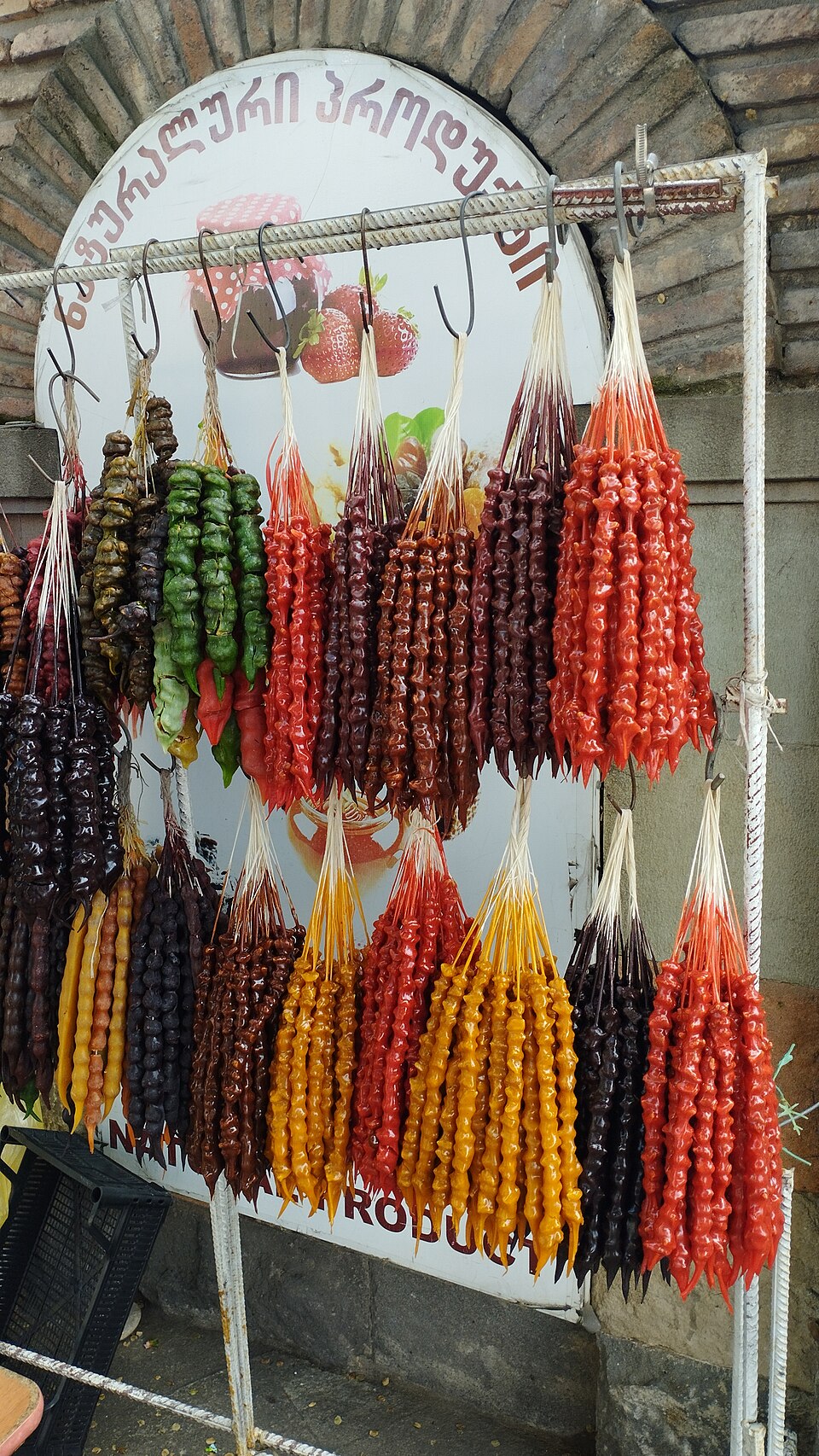
Soutzoukos is a traditional Cypriot sweet made by threading whole almonds or walnuts onto string and dipping them repeatedly into thickened grape must until a firm, chewy coating builds up. It contains no refined sugar, relying entirely on the natural sugar in the grape juice.
Cypriot Grape Must and Almond Candy
- Prep
- 40m
- Cook
- 1h
- Total
- 1h 40m
- Serves
- 12
- Level
- Intermediate
Ingredients
Ingredients
Tick ingredients off as you go. Quantities rescale with the buttons above.
Method
- 01Thread the almonds or walnuts tightly onto lengths of string, leaving a loop at the top of each for hanging. Set aside.
- 02Whisk the flour into a cup of the cold grape must until completely smooth, with no lumps.
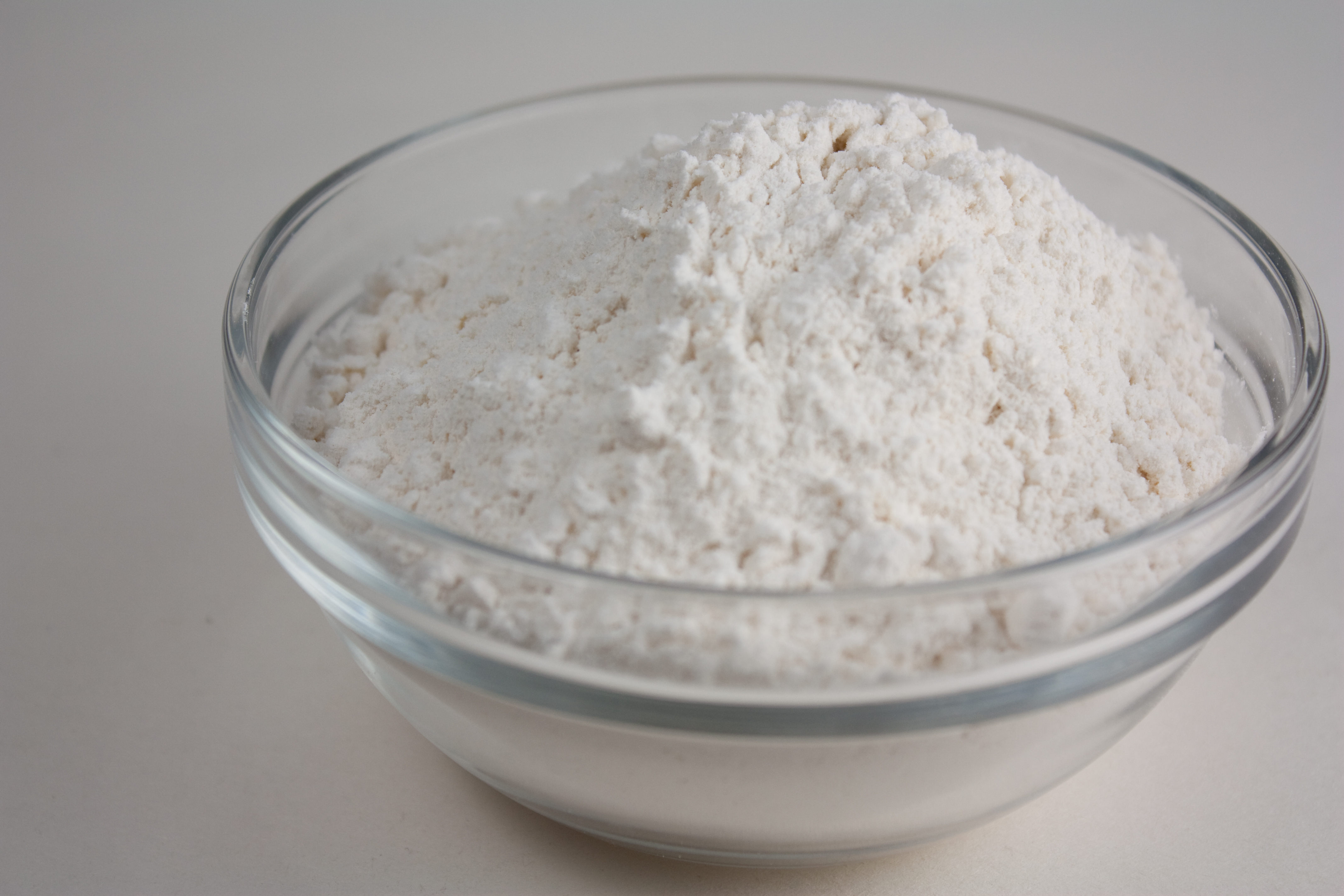
Flour - 03Pour the remaining must into a wide, heavy pan and bring to a simmer. Whisk in the flour mixture.
- 04Cook over a medium heat, stirring constantly, for 20 to 30 minutes, until the mixture thickens enough to coat the back of a spoon heavily and hold a clear trail when a spoon is drawn through it.
- 05Pour the thickened must into a tall narrow jug or container, deep enough to dip the full length of a string.
- 06Dip a string of nuts fully into the must, lift out, and let the excess drip off. Hang to set for 15 to 20 minutes.
- 07Dip again, repeating 6 to 8 times in total, letting each coat firm up before the next, until a thick, even layer has built up.
- 08Hang the finished strings somewhere cool, dry and out of direct sunlight for 2 to 3 days, until the coating is completely firm and no longer tacky to the touch.Hang somewhere with airflow.Yiayia
- 09Cut into shorter lengths to serve, or wrap individually for storing.
Nutrition, per 1 short length
- Calories
- 186
- Protein
- 3 g
- Carbs
- 30 g
- Fat
- 6 g
- Sat fat
- 0 g
- Fibre
- 1 g
These figures are calculated estimates based on the ingredients listed, not laboratory analysis. Actual values vary with brands, cuts and portion size.
Soutzoukos belongs to a small family of sweets found around the Caucasus and eastern Mediterranean, all built the same way: nuts threaded on a string, dipped again and again into thickened fruit juice until a firm, chewy skin builds up layer by layer. In Cyprus it is made in autumn, when fresh grapes and their must are actually available, and it is described as one of the island's oldest sweets.
There is no refined sugar in it at all. The sweetness and the set both come from grape must, unfermented grape juice, reduced and thickened with a little flour or cornflour until it will coat and hold on the nuts. It is patient work rather than difficult work: several dips, each one needing to dry a little before the next.
If fresh grape must is out of reach, unsweetened grape juice reduced down on the stove gets you most of the way there, though it will not carry quite the same depth as juice pressed from actual grapes.
Key preparation steps
- Thread whole almonds onto lengths of strong string.
- Thicken grape must with a little flour and cook until it coats a spoon.
- Dip the strings repeatedly, letting each layer set before the next.
- Hang to dry for several days until firm.
Grape must, and what to use instead
Genuine grape must is the freshly pressed, unfermented juice of grapes, and in Cyprus it appears briefly each autumn during the harvest. It carries a deep, slightly tannic sweetness that shop-bought grape juice does not fully replicate.
If you cannot get real must, a good quality unsweetened dark grape juice, reduced by about a third on the stove before you start thickening it, is the workable substitute most people will actually use. Reducing it first concentrates the flavour closer to genuine must.
Thickening it properly
Whisk a little plain flour or cornflour into a small amount of the cold must until smooth, then stir this into the rest of the must as it heats, to avoid lumps. Cook, stirring constantly, until it has thickened enough to coat the back of a spoon thickly and hold a trail when you draw a spoon through it.
Undercooked must will not build a coating at all, since it simply runs off the nuts. This is the step worth being patient with, even though it can take a genuine twenty to thirty minutes of stirring.
Building the layers
Thread whole blanched almonds, or walnut halves, tightly onto strong kitchen string or twine, leaving a loop at the top for hanging. Dip the whole string into the thickened must, lift it out, and let the first coat drip and firm up for a few minutes before dipping again.
Repeat six to eight times, building up a firm, even coating each time. Hang the finished strings somewhere cool, dry and out of direct sun for two to three days until the coating has set completely firm and no longer feels tacky.
What matters in this dish
Reduce shop-bought grape juice first
Simmering it down by about a third before you start concentrates the flavour closer to genuine fresh must.
Let each dip firm up properly
Rushing the layers gives you a thin, patchy coating. Fifteen to twenty minutes between dips is worth the patience.
Hang somewhere with airflow
A still, humid spot slows the final firming considerably. Somewhere cool and airy sets the coating properly in two to three days.
Questions people ask about Soutzoukos
What is soutzoukos made from?
Whole almonds or walnuts threaded on string and repeatedly dipped in thickened grape must, an unfermented grape juice, until a firm sweet coating builds up. It contains no refined sugar at all.
Can you use grape juice instead of fresh must?
Yes, unsweetened dark grape juice reduced by about a third on the stove is a workable substitute, though it will not carry quite the depth of genuine pressed must.
How long does soutzoukos keep?
Once fully set, it keeps for several weeks at room temperature in a dry place, and considerably longer if wrapped well and refrigerated.
Is soutzoukos the same as churchkhela?
They are close relatives, both being nuts coated in thickened grape or fruit juice, found across the Caucasus and eastern Mediterranean under different names and with small variations in technique.