Greek Meze and Appetisers · The Mainland · One-Pan · Taverna Night
Greek Mussels in Tomato and Feta Sauce (Mydia Saganaki)
Μύδια σαγανάκι MEE-thyah sah-gah-NAH-kee · Mydia saganaki
In short
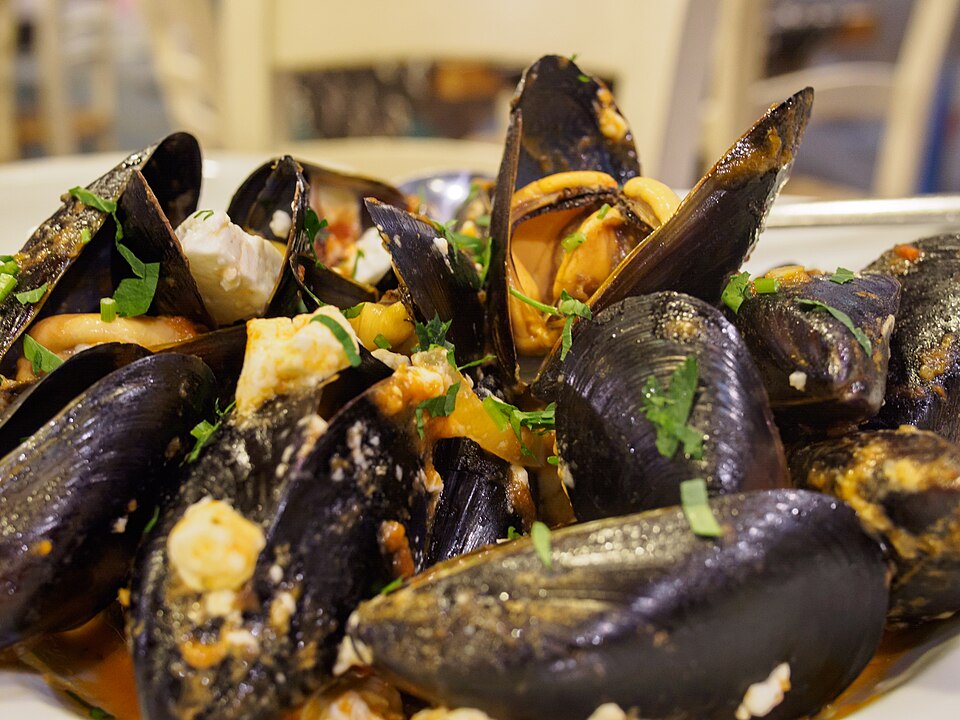
Mydia saganaki is fresh mussels simmered briefly in a light, garlicky tomato sauce with crumbled feta melted through at the end, the mussel variant of the classic shrimp saganaki found across Greek taverna menus. The sauce style is identical to the shrimp version, only the seafood changes.
Mussels in Tomato and Feta Sauce
- Prep
- 20m
- Cook
- 20m
- Total
- 40m
- Serves
- 4
- Level
- Beginner
Ingredients
Ingredients
Tick ingredients off as you go. Quantities rescale with the buttons above.
Method
- 01Scrub the mussels well and remove their beards. Discard any that are cracked or stay open when tapped.
- 02Heat the olive oil in a wide pan and cook the garlic and chilli, if using, for 1 minute.
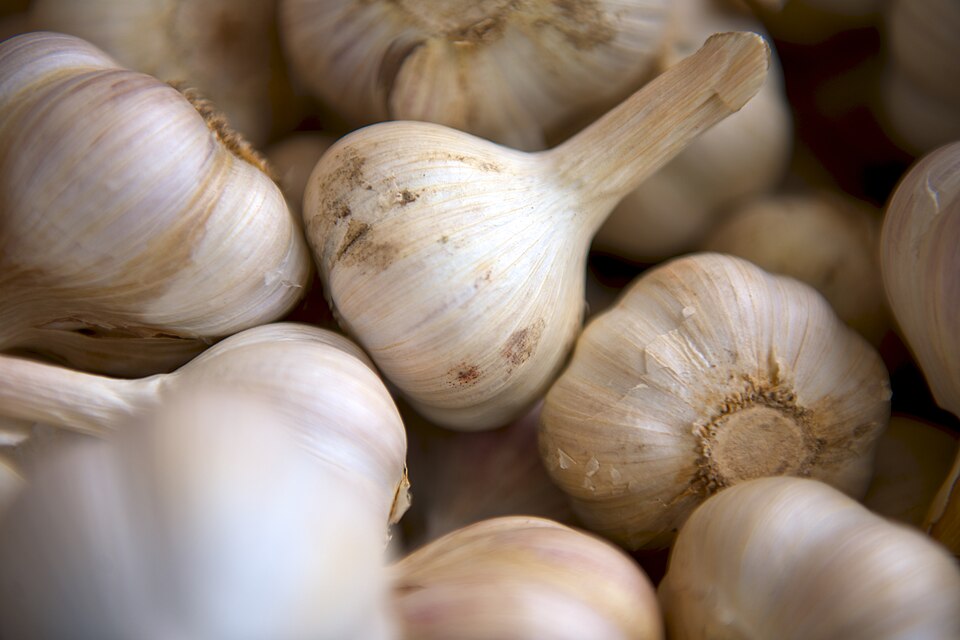
Garlic - 03Add the tomatoes and wine, and simmer for 10 minutes, until slightly reduced.
- 04Add the mussels, cover, and cook for 4 to 5 minutes, until they have opened. Discard any that stay closed.
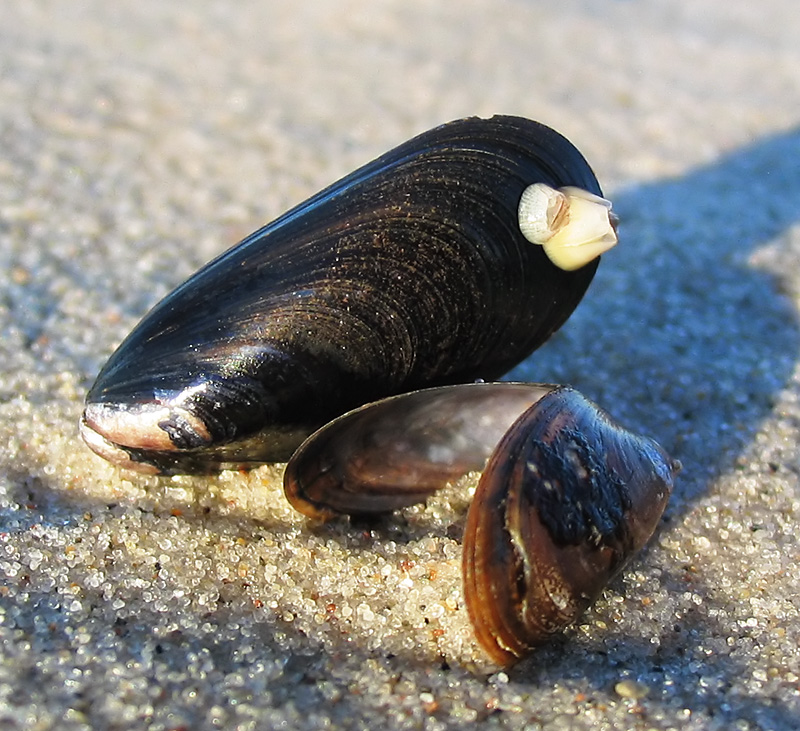
Mussels - 05Scatter the feta over the top, cover for 1 minute off the heat to let it soften slightly.Add the feta off the heat.Yiayia
- 06Scatter with parsley and serve immediately with bread.
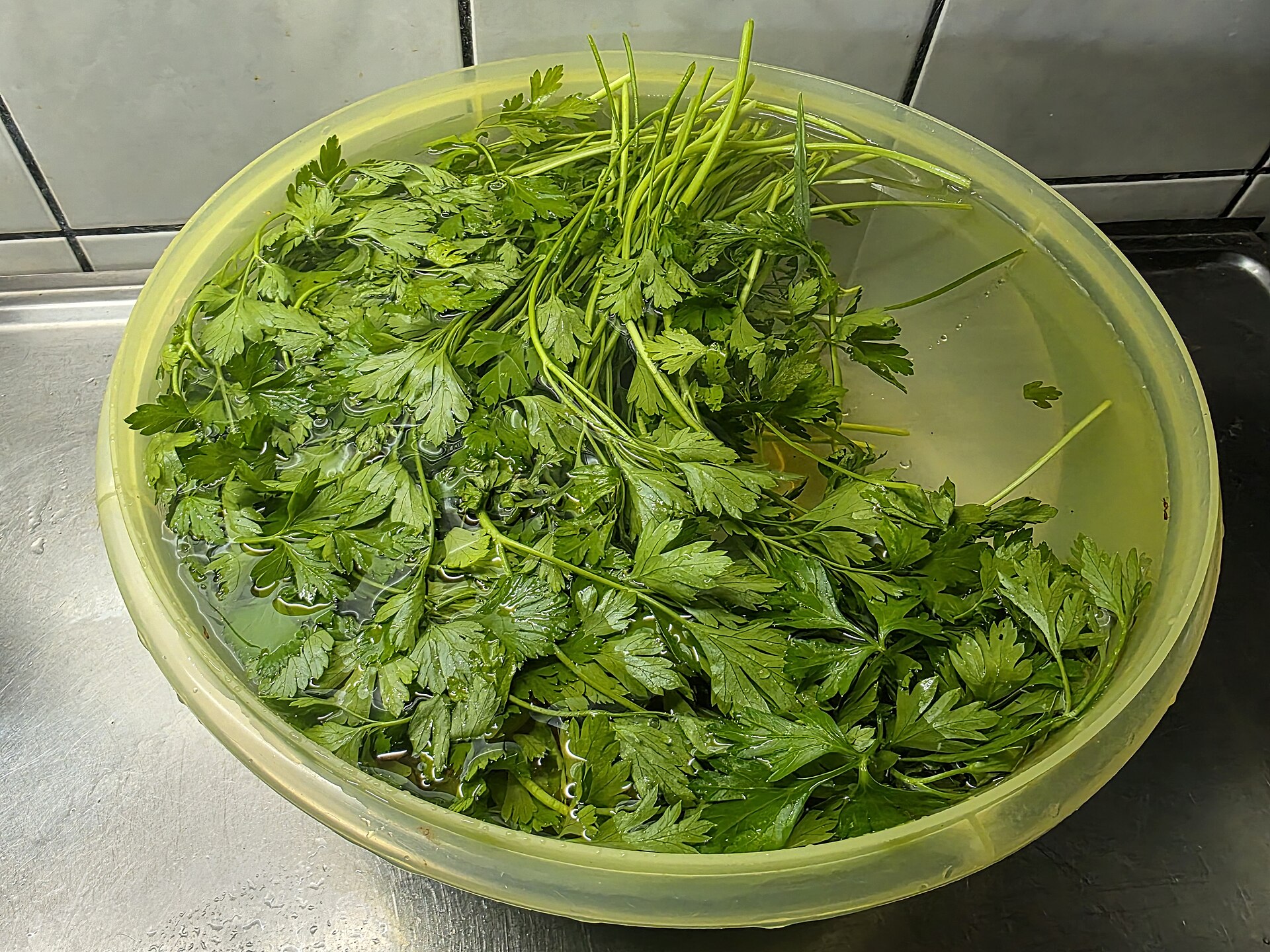
Parsley
Nutrition, per 1 portion
- Calories
- 312
- Protein
- 22 g
- Carbs
- 12 g
- Fat
- 18 g
- Sat fat
- 7 g
- Fibre
- 2 g
These figures are calculated estimates based on the ingredients listed, not laboratory analysis. Actual values vary with brands, cuts and portion size.
Saganaki, in this context, refers to the cooking style rather than fried cheese, a quick, garlicky tomato sauce finished with melted feta, and while shrimp is the most familiar version on Greek taverna menus, mussels take to exactly the same treatment just as well, their briny sweetness working beautifully against the tangy, salty cheese.
The technique is genuinely quick, since fresh mussels need only a few minutes of actual cooking once the sauce is ready, and overcooking them turns what should be plump and tender into something tough and rubbery.
This makes a properly substantial starter or a light main served with bread, and it comes together in well under thirty minutes from start to finish.
Key preparation steps
- Clean and debeard the mussels.
- Build a garlicky tomato sauce.
- Add the mussels and cook just until they open.
- Finish with crumbled feta melted through.
Preparing the mussels
Scrub the mussels well and remove their beards, discarding any that are cracked or that stay open when tapped firmly, since these are no longer good to cook.
The sauce
Cook garlic and a little chilli, if you like some heat, briefly in olive oil, then add tomato and a splash of white wine, and simmer for ten minutes until slightly reduced and well flavoured.
Cooking the mussels
Add the mussels to the simmering sauce, cover, and cook for just four to five minutes, until they have opened, discarding any that stay firmly shut. Scatter over crumbled feta at the very end and let it melt slightly into the sauce off the heat before serving.
What matters in this dish
Discard any mussels that do not open
A mussel that stays firmly shut after cooking was not alive before cooking and should not be eaten.
Do not overcook the mussels
They need only a few minutes once the sauce is ready. Extra time in the pan turns them tough and rubbery rather than plump and tender.
Add the feta off the heat
This lets it soften and melt slightly without turning fully liquid or greasy, keeping some texture against the sauce.
Questions people ask about Mydia saganaki
What does saganaki mean in this dish?
It refers to the specific quick, garlicky tomato and feta cooking style rather than to fried cheese, which is a separate, unrelated dish that happens to share the same name.
How do you know if a mussel is bad before cooking?
Discard any with cracked shells or that stay open when tapped firmly, since these signs mean the mussel was no longer alive before cooking.
What do you serve with mydia saganaki?
Good crusty bread for mopping up the sauce is essential, and a simple green salad alongside makes it a complete light meal.