Greek Meze and Appetisers · The Cyclades · No-Cook · Mezedes and Ouzo
Tinos and Mykonos Cured Pork (Louza Tinou)
Λούζα Τήνου LOO-zah TEE-noo · Louza Tinou
In short
Louza is a cured pork tenderloin specialty of Tinos and Mykonos, rubbed with red wine, crushed coriander seed and cinnamon, then air-dried until firm, and sliced paper-thin as a meze. It belongs to the same family of island cured meats as Cyprus's lountza and Corfu's noumboulo.
Tinos and Mykonos Cured Pork
- Prep
- 30m
- Cook
- None
- Total
- 30m
- Serves
- 10
- Level
- Advanced
Ingredients
Ingredients
Tick ingredients off as you go. Quantities rescale with the buttons above.
Method
- 01Mix the salt, crushed coriander seed, cinnamon and sugar together.
- 02Rub the pork fillet thoroughly with the mixture, then place in a non-reactive container and pour over the red wine.
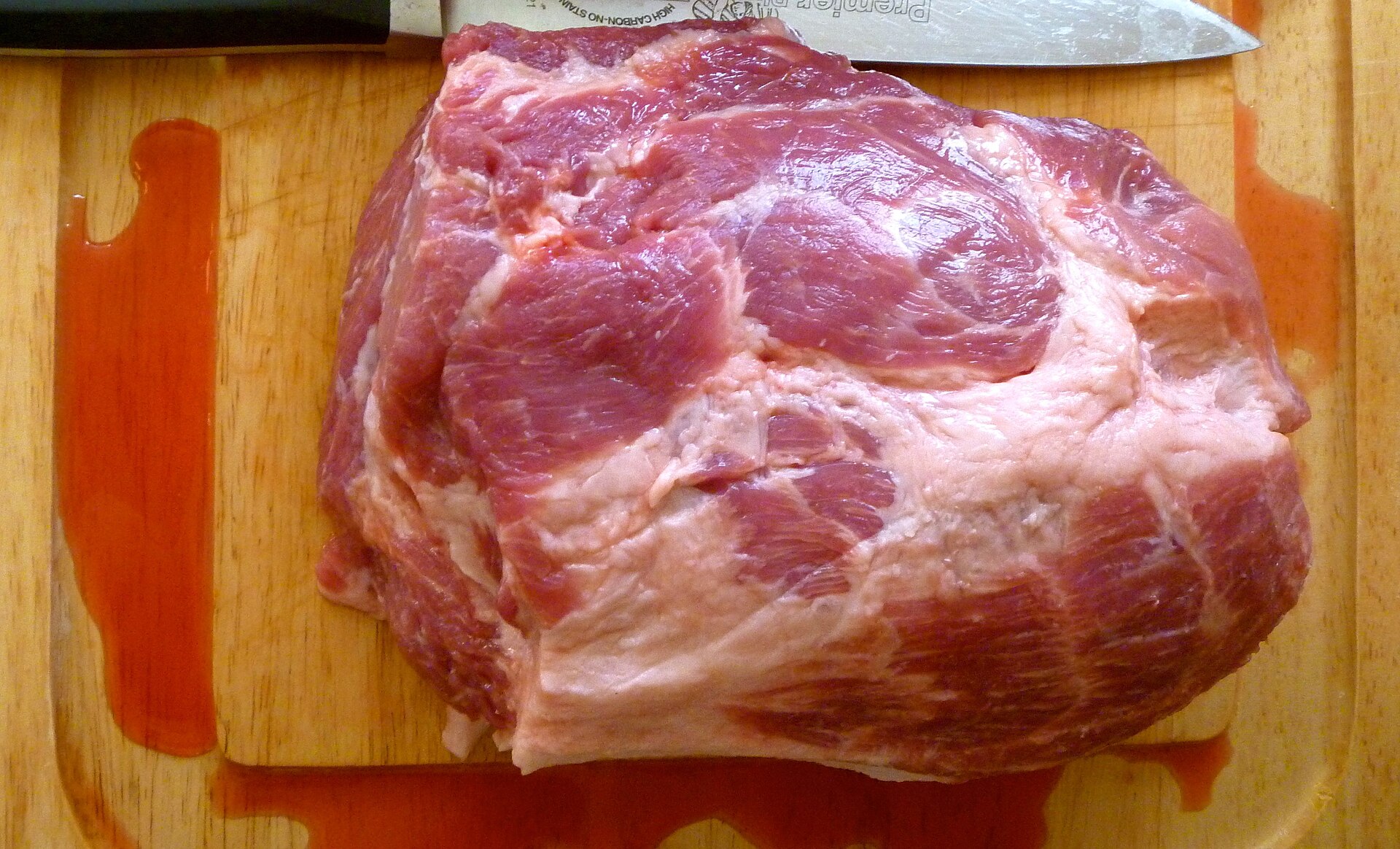
Pork - 03Cover and refrigerate for 4 to 5 days, turning the fillet daily and basting with the liquid.
- 04Remove, rinse thoroughly under cold water, and pat completely dry.
- 05Tie with kitchen string and hang in a cool, well-ventilated space, ideally 10 to 15C, for 1 to 2 weeks, until firm and noticeably reduced in weight.Dry somewhere properly cool and ventilated.Yiayia
- 06Once fully dried, slice very thin to serve, and store wrapped in the fridge.
Nutrition, per 4 thin slices
- Calories
- 132
- Protein
- 18 g
- Carbs
- 1 g
- Fat
- 5 g
- Sat fat
- 2 g
- Fibre
- 0 g
These figures are calculated estimates based on the ingredients listed, not laboratory analysis. Actual values vary with brands, cuts and portion size.
Louza belongs to a small family of whole-cut cured pork specialties found across several Greek and Cypriot islands, Cyprus's lountza and Corfu's noumboulo among them, each with its own particular spicing but the same underlying method: a good cut of pork, cured, dried, and eventually sliced thin as a concentrated, flavour-forward meze. Tinos and Mykonos both claim strong versions of this specifically Cycladic take.
Coriander seed and cinnamon, rather than the black pepper and juniper more common in Corfu's noumboulo, mark the Cycladic version out as its own thing, giving a warmer, slightly sweeter spicing running through the cured meat.
Like any home curing project, this asks for real attention to salt ratio and drying conditions rather than being something to approach casually, and it rewards patience over several weeks rather than days.
Key preparation steps
- Cure a whole pork fillet in salt, red wine, coriander and cinnamon.
- Rinse, dry, and hang in a cool, ventilated space.
- Let it dry for one to two weeks until firm.
- Slice paper-thin to serve.
The cure
A whole pork fillet, rubbed thoroughly with coarse salt, crushed coriander seed and ground cinnamon, then covered with a good red wine and left to cure under refrigeration for four to five days, turned daily. The coriander and cinnamon combination is what marks this specifically as louza rather than a generic cured pork, and it is worth not skimping on either.
Drying
After curing, rinse thoroughly, pat completely dry, and hang in a cool, well-ventilated space for one to two weeks, until the fillet has firmed considerably and lost a good deal of its original weight. As with any home curing, the salt ratio in the initial cure and genuinely cool, airy drying conditions both matter for safety, not just flavour.
Serving
Slice very thin, closer to a good salami than a ham, once fully dried and firm, and serve simply as part of a meze spread alongside olives, cheese and bread. Its concentrated flavour means a little goes a long way.
What matters in this dish
Do not skimp on the coriander and cinnamon
This specific combination is what marks louza out from other regional cured pork, like Corfu's noumboulo.
Get the salt ratio right
This is a genuine food safety matter during the drying stage, not just a matter of taste.
Dry somewhere properly cool and ventilated
A warm or still space risks spoilage rather than proper drying.
Questions people ask about Louza Tinou
What is the difference between louza and lountza or noumboulo?
All three are whole-cut cured pork specialties from different Greek and Cypriot islands, following the same basic method but with distinct spicing. Louza, from Tinos and Mykonos, uses coriander seed and cinnamon; Cyprus's lountza is smoked rather than dry-cured; Corfu's noumboulo leans on black pepper and juniper.
Is louza safe to make at home?
Yes, provided the salt ratio and drying conditions are followed properly, exactly as with any home curing project. It requires genuine attention to food safety, not casual handling.
How is louza traditionally served?
Sliced very thin, as part of a meze spread alongside olives, cheese and bread, its concentrated flavour meaning a little goes a long way.