Greek Meze and Appetisers · Asia Minor · No-Cook · Mezedes and Ouzo
Lakerda Recipe (Greek Salt-Cured Bonito)
Λακέρδα lah-KER-thah · Lakerda
In short
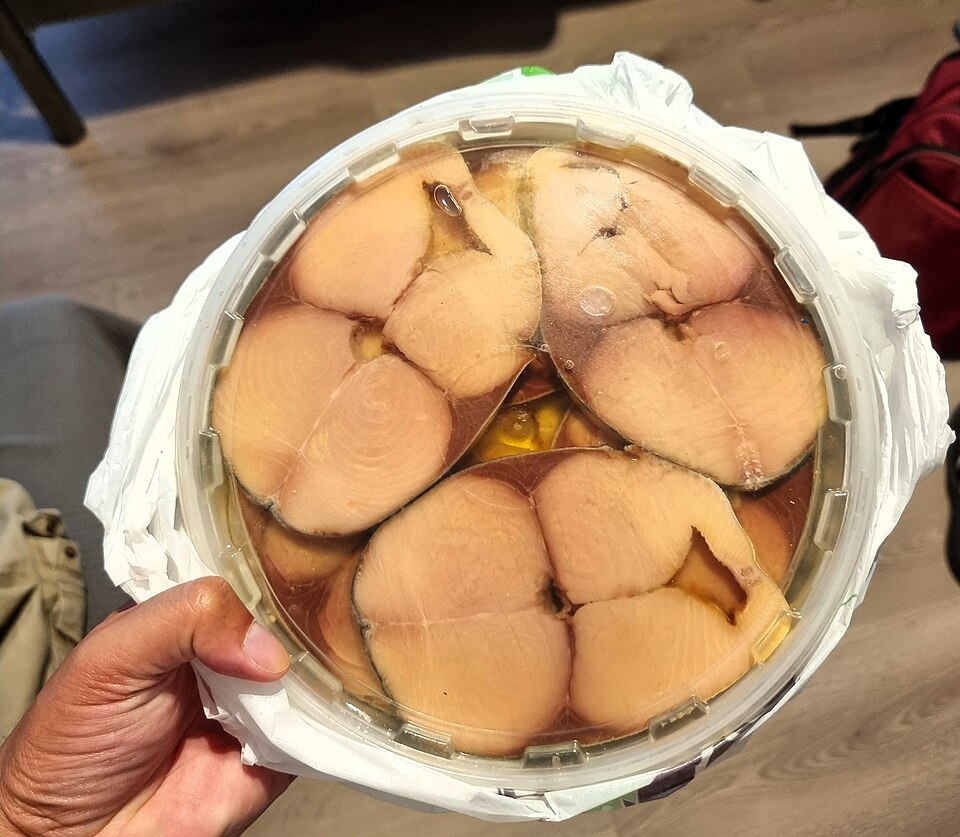
Lakerda is salt-cured bonito, made by bleeding and cleaning thick steaks of the fish, burying them in coarse salt for four to six days, then rinsing them and storing them under olive oil. It is the classic ouzo meze of the Greeks of Constantinople, served in thick slices with raw onion and lemon and never cooked in any way.
Lakerda
- Prep
- 45m
- Cook
- None
- Total
- 45m
- Serves
- 10
- Level
- Intermediate
Ingredients
For the cure
To store and serve
Tick ingredients off as you go. Quantities rescale with the buttons above.
Method
- 01Cut the bonito into steaks about 4cm thick. Remove the guts and cut away the dark bloodline along the backbone.
- 02Soak the steaks in cold water for 2 to 3 hours, changing the water four or five times, until it stays clear. Add the vinegar to the final change.
- 03Drain and pat the steaks completely dry with kitchen paper.
- 04Put a 1cm layer of coarse salt in a non-reactive container. Lay in the steaks without touching and bury them completely in more salt.

Salt - 05Cover and refrigerate for 4 to 6 days, pouring off any liquid that collects each day and topping up the salt.
- 06When the flesh is firm and springs back to a finger, brush off the salt and soak the steaks in cold water for 30 minutes.
- 07Dry them very thoroughly, then remove the skin and the bones, which should come away easily.
- 08Pack the pieces into a clean jar and cover completely with olive oil. Refrigerate for at least 2 days before eating.
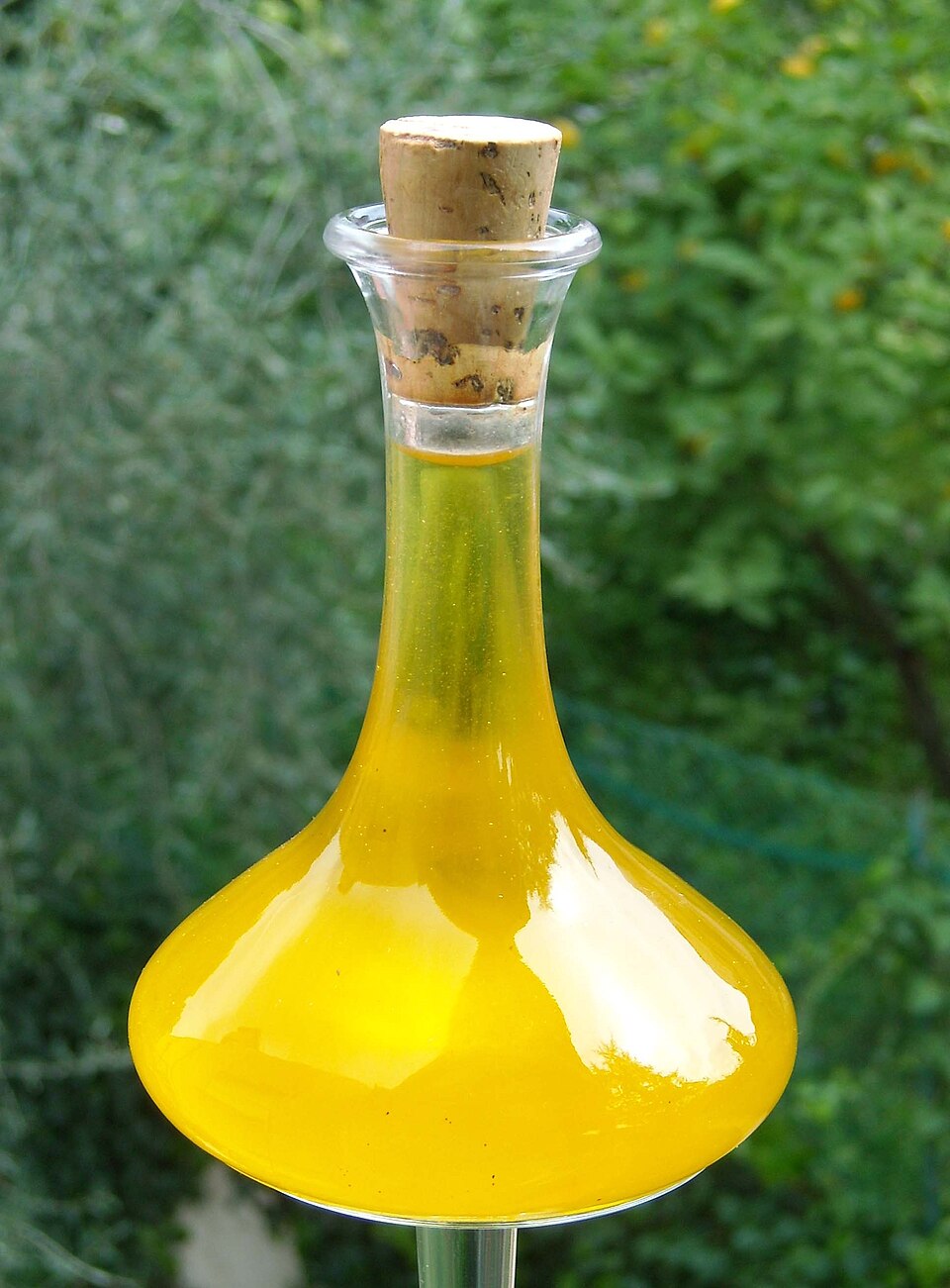
Olive Oil Dry it completely before the oil.Yiayia - 09To serve, slice about 1cm thick, arrange with onion rings, spoon over some of the oil and finish with lemon and black pepper.
Nutrition, per 1 meze portion
- Calories
- 268
- Protein
- 24 g
- Carbs
- 1 g
- Fat
- 19 g
- Sat fat
- 3 g
- Fibre
- 0 g
These figures are calculated estimates based on the ingredients listed, not laboratory analysis. Actual values vary with brands, cuts and portion size.
Lakerda is what the Greeks of Constantinople did with the bonito that came through the Bosphorus every autumn, and it followed them to Greece in 1922. It is still the meze that serious ouzo drinkers order first, and it is one of the few genuinely great cured fish anywhere in the Mediterranean.
There is no cooking and no smoking involved. Coarse salt draws water out of thick steaks of bonito over four to six days and firms the flesh into something dense and silky, somewhere between a good tuna and a very superior anchovy but far milder than either.
The only difficult part is timing. Under-cured lakerda is soft and tastes raw, over-cured lakerda is dry and unpleasantly salty, and the window between them is about two days. Get it right and the reward is a jar in the fridge that will keep for weeks and improve for the first two.
Key preparation steps
- Bleed and clean thick steaks of bonito thoroughly.
- Bury the steaks in coarse salt for four to six days.
- Rinse, soak briefly and dry completely.
- Pack under olive oil and rest before eating.
What fish do I need for lakerda?
Bonito, palamida in Greek, caught in autumn when the fish are fat. It should be very fresh and large enough to give steaks four to five centimetres thick, since thin pieces cure through too quickly and go dry.
Small tuna or albacore are workable substitutes with the same method. Oily fish such as mackerel and sardine are not: they are too soft, too strongly flavoured, and they turn mushy rather than firm in salt.
Why does the fish have to be bled first?
Blood left in the flesh goes metallic and dark during the cure and ruins the flavour of the finished lakerda. This is the step that separates a good jar from a bad one and it cannot be skipped.
Cut the fish into steaks, remove the guts and the dark bloodline running along the backbone, then soak the pieces in several changes of cold water for two or three hours until the water stays clear. Some cooks add a little vinegar to the last change.
How long should the salt cure take?
Four to six days in the fridge, depending on thickness. Steaks four centimetres thick are usually right at day five. Press the flesh: cured fish feels firm and springs back, while under-cured fish still gives softly under a finger.
Bury the pieces completely in coarse salt, not fine, and pour off the liquid that collects each day. Fine salt penetrates too fast and produces a harsh, over-salted result no amount of soaking will fix.
How is lakerda served and stored?
In thick slices, about a centimetre, laid out on a plate with raw onion rings, a heavy pour of olive oil, a squeeze of lemon and nothing else. Bread on the side. It is a cold plate and should never see any heat.
Stored in a jar, fully covered with olive oil, it keeps three to four weeks in the fridge. Take it out twenty minutes before serving so the olive oil comes clear and the flavour opens up, since fridge-cold lakerda tastes of very little.
What matters in this dish
Use coarse salt only
Fine salt penetrates far too quickly and gives a harsh, over-cured result. Coarse sea salt draws water out gradually, which is the whole mechanism of the cure.
Pour off the brine daily
Liquid pooling around the fish stops the salt working evenly and can spoil the batch. Tip it away each day and add fresh salt where the layer has dissolved.
Dry it completely before the oil
Any water trapped under olive oil in the jar will shorten the keeping time considerably. Pat the pieces dry, then leave them uncovered in the fridge for an hour before packing.
Questions people ask about Lakerda
Is lakerda raw fish?
It is uncooked but it is not raw in the way sashimi is. Several days in salt firms and changes the flesh through curing, which is a different process from cooking but leaves the fish quite unlike its fresh state.
How salty should the finished lakerda be?
Pleasantly seasoned, not aggressive. If the first slice is too salty, soak the remaining pieces in cold water for another twenty minutes, dry them and return them to the oil.
Can I use tuna instead of bonito?
Yes. Small tuna and albacore both cure well with the same timings. Avoid very lean tuna loin, which turns dry, and avoid soft oily fish such as mackerel, which goes to mush in salt.
How long does lakerda keep?
Three to four weeks in the fridge, fully submerged in olive oil. Keep the surface covered and use a clean fork each time, since crumbs of onion or bread introduced into the jar are what shorten its life.