Greek Meze and Appetisers · Cyprus · Fried · Mezedes and Ouzo
Cypriot Bulgur Shells Stuffed with Meat (Koupes)
Κούπες KOO-pes · Koupes
In short
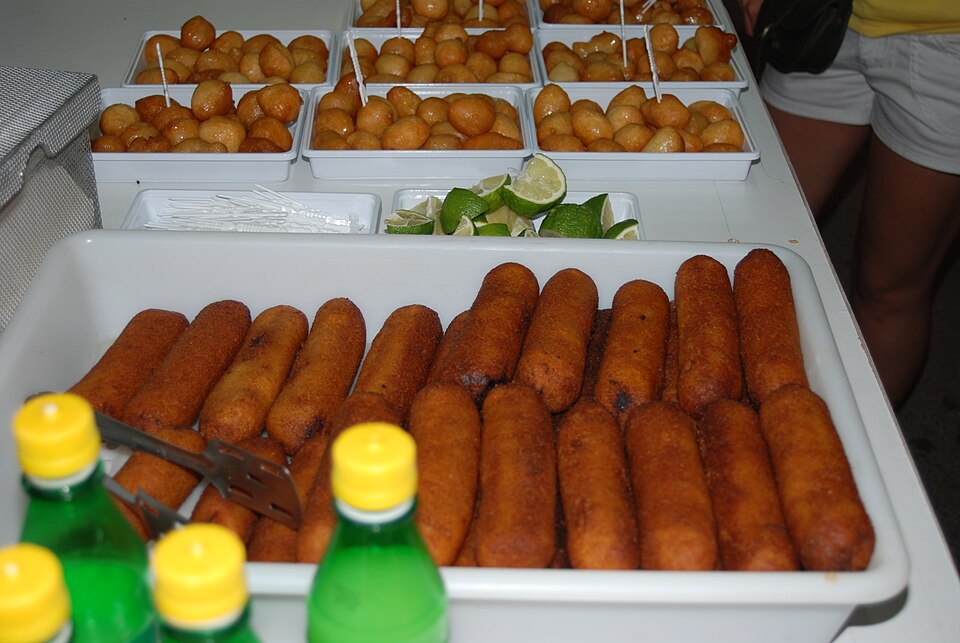
Koupes are Cypriot fried snacks made from a bulgur and semolina shell wrapped around a filling of minced meat, onion and cinnamon, shaped like a small torpedo. They are related to Middle Eastern kibbeh and are a Cypriot meze staple.
Cypriot Bulgur Shells Stuffed with Meat
- Prep
- 1h 15m
- Cook
- 25m
- Total
- 1h 40m
- Serves
- 8
- Level
- Advanced
Ingredients
For the shell
For the filling
Tick ingredients off as you go. Quantities rescale with the buttons above.
Method
- 01Soak the bulgur in enough hot water to cover generously, and leave for 30 minutes until fully softened and swollen. Drain thoroughly and squeeze out as much water as possible in a clean tea towel.Squeeze the bulgur properly.Yiayia
- 02Turn the drained bulgur into a bowl with the semolina, grated onion and salt. Knead by hand for 5 to 10 minutes until it forms a smooth, cohesive, slightly tacky paste. Cover and set aside.
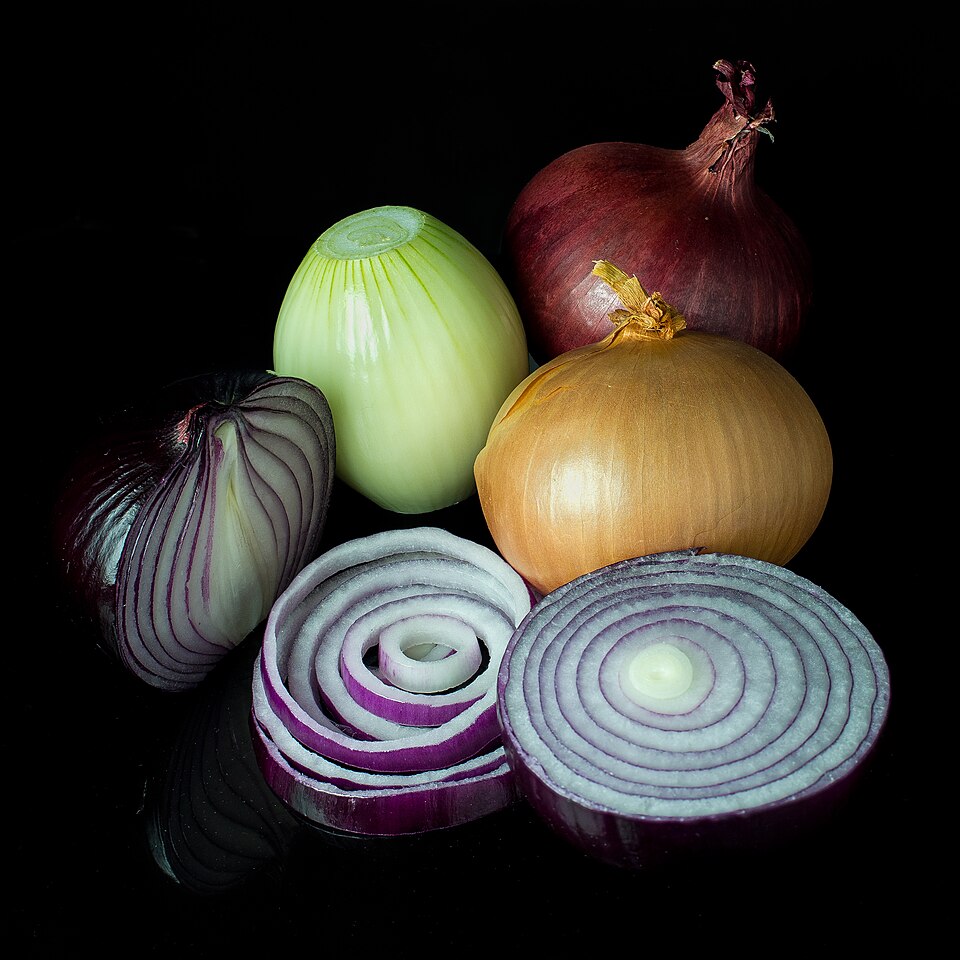
Onion - 03For the filling, heat the olive oil and cook the chopped onions gently for 10 minutes until soft.
- 04Add the minced meat, breaking it up well, and cook over a medium-high heat until browned and completely dry, with no liquid remaining in the pan, about 12 minutes.
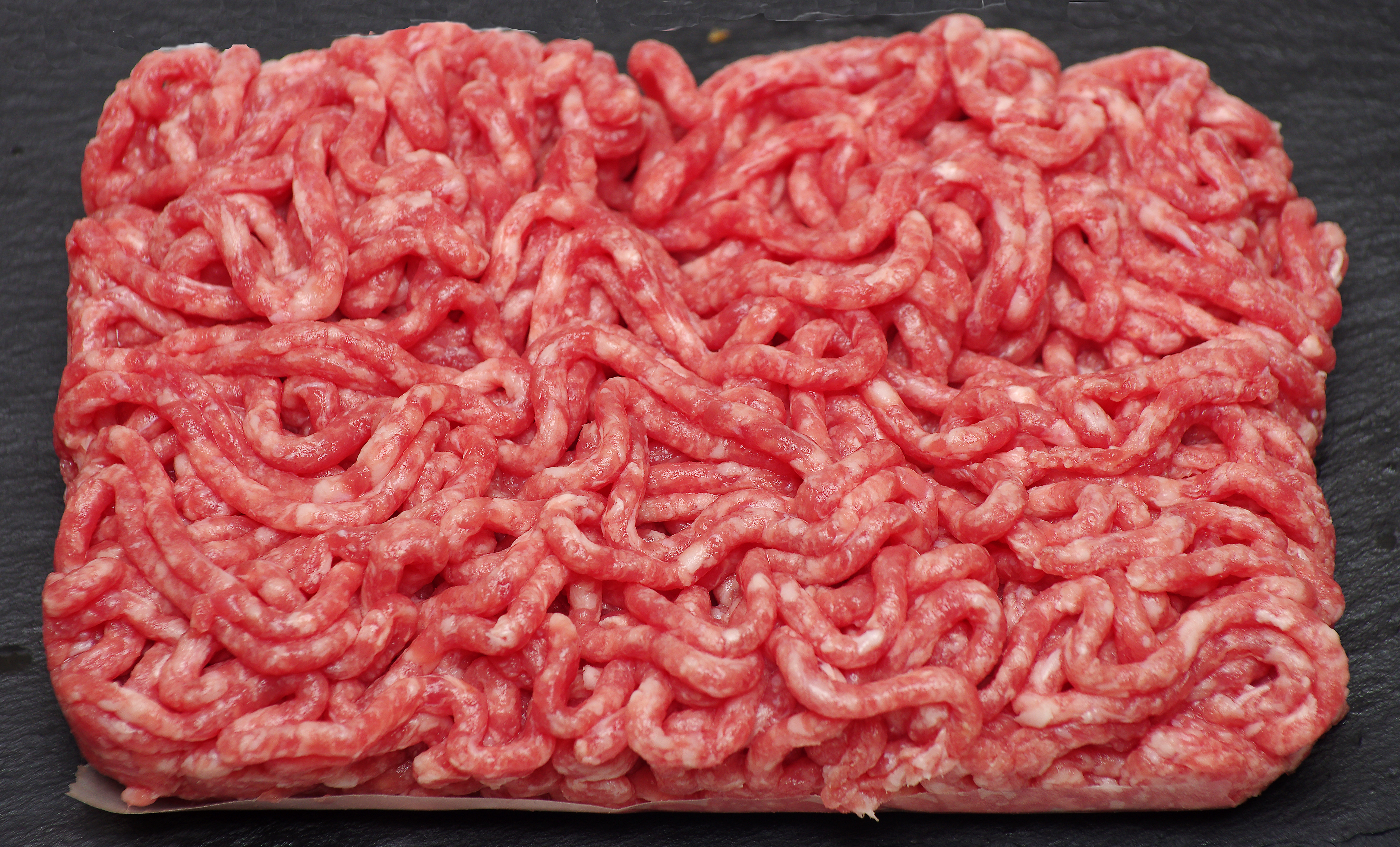
Minced Meat - 05Stir in the cinnamon and cumin, season generously, and cook for 2 minutes more. Spread on a plate and cool completely.
- 06Wetting your hands with water, take a golf ball sized piece of the bulgur paste and work it into a hollow shell in your palm, thinning the walls as you turn it.
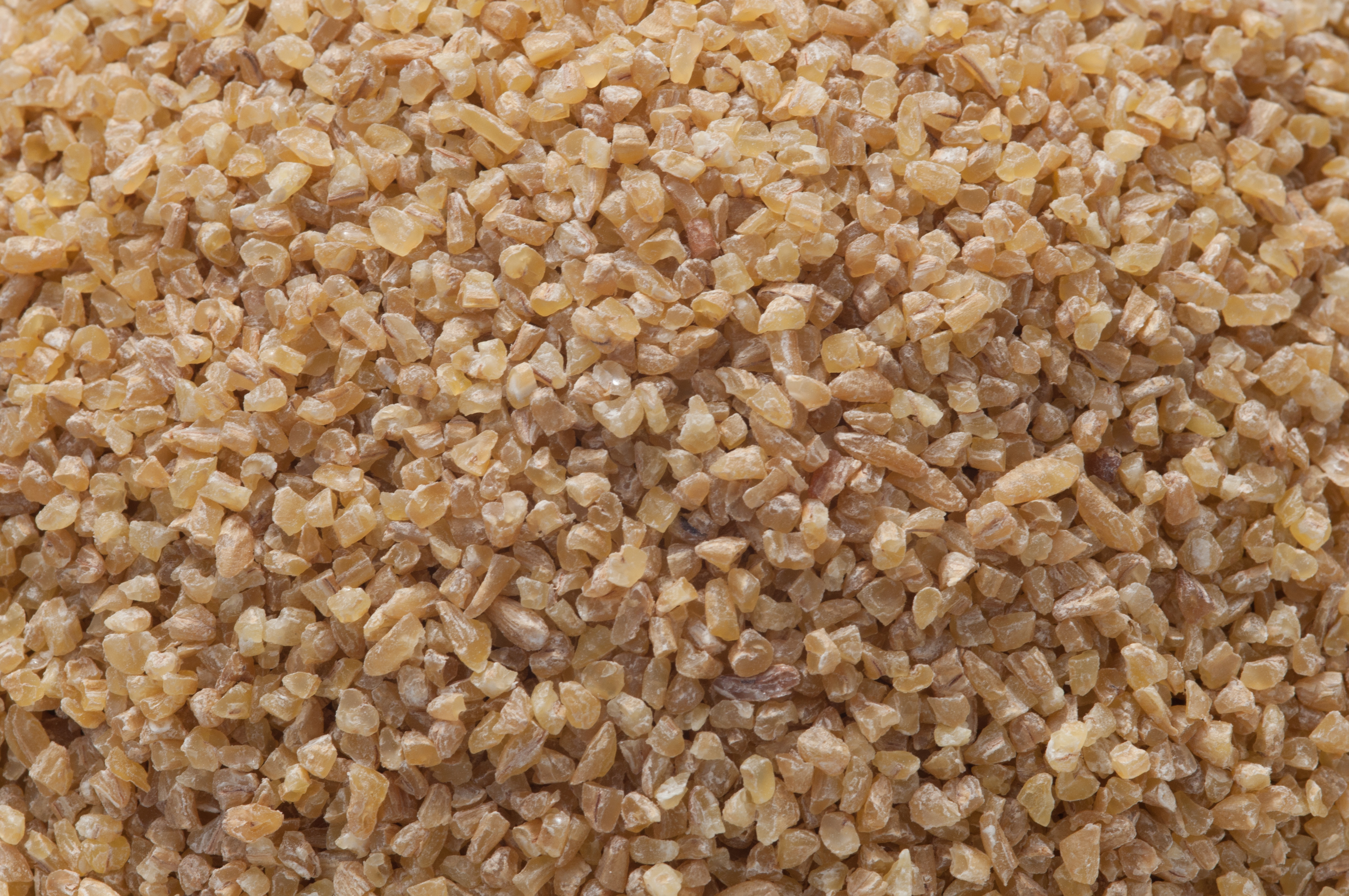
Bulgur - 07Fill the hollow with a heaped teaspoon of the cooled filling, close the shell over the top, and shape into a torpedo with tapered ends, sealing any cracks with wet fingers.
- 08Repeat with the remaining paste and filling. Chill the shaped koupes for 20 minutes to firm up.
- 09Heat vegetable oil in a deep pan to 170C. Fry the koupes in batches, without crowding, for about 5 minutes each, until deeply golden and crisp all over.
- 10Drain on kitchen paper and serve hot.
Nutrition, per 3 koupes
- Calories
- 248
- Protein
- 10 g
- Carbs
- 26 g
- Fat
- 12 g
- Sat fat
- 3 g
- Fibre
- 4 g
These figures are calculated estimates based on the ingredients listed, not laboratory analysis. Actual values vary with brands, cuts and portion size.
Koupes belong to the same family as Middle Eastern kibbeh, a fine grain shell wrapped around a spiced meat filling and fried until the outside shatters and the inside stays moist. Cyprus's position between Greece, Turkey and the Levant shows clearly in a dish like this, and koupes turn up on meze tables the way keftedes do on the mainland.
The technique that makes or breaks koupes is the shell: it needs to be worked to a smooth, cohesive paste that can be shaped thin without tearing, and that comes from soaking the bulgur properly and kneading it hard, closer to working a dough than mixing a batter.
This is a genuine project dish, with real hands-on time in shaping each one, and the results keep and freeze well, which is exactly why Cypriot cooks tend to make a large batch at once.
Key preparation steps
- Soak fine bulgur until fully softened, then knead with semolina into a smooth paste.
- Cook a well-spiced meat and onion filling and let it cool completely.
- Shape the shell around the filling into a torpedo, sealing well.
- Deep fry until deeply golden and crisp.
Building the shell
Fine bulgur, soaked in hot water until fully softened and swollen, then squeezed to remove excess moisture and worked with semolina or flour and a little grated onion into a smooth, pliable paste. This is real kneading, five to ten minutes by hand, until the mixture holds together without cracking when you shape it.
The paste should feel like a soft, slightly tacky dough. Too wet and it will not hold a shape in the fryer, too dry and it cracks when you try to close the shell around the filling. Keep a bowl of water nearby to wet your hands as you work, which stops the mixture sticking to you rather than to itself.
The filling
Minced meat, usually beef or a beef and lamb mix, cooked down with a large quantity of finely chopped onion until completely dry, no liquid left at all, and seasoned with cinnamon and a little cumin. It needs to be fully cooked and cooled before it goes anywhere near the shell.
A dry filling matters as much here as a well-made shell. Wet filling steams the shell from the inside during frying and the koupes fall apart, which is the most common way this dish goes wrong.
Shaping and sealing
Take a portion of the bulgur paste about the size of a golf ball, and with wet hands work it into a hollow shell in your palm, thinning the walls as you turn it, similar to shaping a dumpling. Fill the hollow with a spoonful of the cooled meat filling, then close the shell over the top and shape the whole thing into a torpedo, tapering at both ends.
Seal any cracks by smoothing them over with wet fingers. A crack that survives to the fryer is where the filling will escape and the oil will get in.
Frying
Deep fry at a moderate temperature, around 170C, rather than very hot. Too fierce a heat browns the shell before the raw bulgur inside has had time to cook through properly, since unlike the meat filling, the shell itself starts raw.
Fry in batches without crowding, for around five minutes each, until deeply golden and genuinely crisp all over. Drain well and serve hot, since koupes lose much of their appeal once they cool and the shell softens.
What matters in this dish
Squeeze the bulgur properly
Excess water in the shell mixture makes it impossible to shape thin without tearing. Wring it out hard in a tea towel before kneading.
The filling must be bone dry
Any liquid left in the meat mixture steams the shell apart in the fryer. Cook it until visibly dry before it goes anywhere near the bulgur.
Moderate oil temperature
Around 170C gives the raw bulgur shell time to cook through before the outside over-browns.
Questions people ask about Koupes
What is the difference between koupes and kibbeh?
They are closely related, both being a fine grain shell around a spiced meat filling. Koupes are the specifically Cypriot version, shaped and seasoned slightly differently and firmly part of the island's own meze tradition.
Why did my koupes fall apart in the fryer?
Almost always either a wet filling, which steams the shell apart from inside, or a crack in the shell that was not properly sealed before frying. Both the filling and the sealing need real attention.
Can you freeze koupes?
Yes, very well, either shaped and raw or already fried. Freeze raw ones on a tray until solid before bagging, and fry from frozen, adding a couple of minutes to the cooking time.
Can you bake koupes instead of frying?
You can, brushed with oil at a high heat, but the texture is noticeably different and less crisp. Frying is genuinely part of what defines this dish.