Greek Side Dishes · The Mainland · Baked · The Sunday Table
Greek Lemon Potatoes Recipe (Patates Lemonates)
Πατάτες λεμονάτες pah-TAH-tes leh-mo-NAH-tes · Patates lemonates
In short
Greek lemon potatoes are roasted in a shallow bath of lemon juice, olive oil, stock and oregano. The liquid steams the potatoes soft in the first stage, then evaporates so they roast and crisp in the remaining oil and lemon, forming a glaze.
Lemon Potatoes
- Prep
- 15m
- Cook
- 1h 20m
- Total
- 1h 35m
- Serves
- 6
- Level
- Beginner
Ingredients
Ingredients
Tick ingredients off as you go. Quantities rescale with the buttons above.
Method
- 01Heat the oven to 200C fan 180C. Put the potato wedges in a large roasting tin in a single layer, or as close to one as you can manage. Crowding them is the main cause of steaming rather than crisping later.
- 02Whisk the olive oil, lemon juice, stock and mustard if using. Pour over the potatoes. The liquid should come roughly halfway up. Add more stock if it does not.
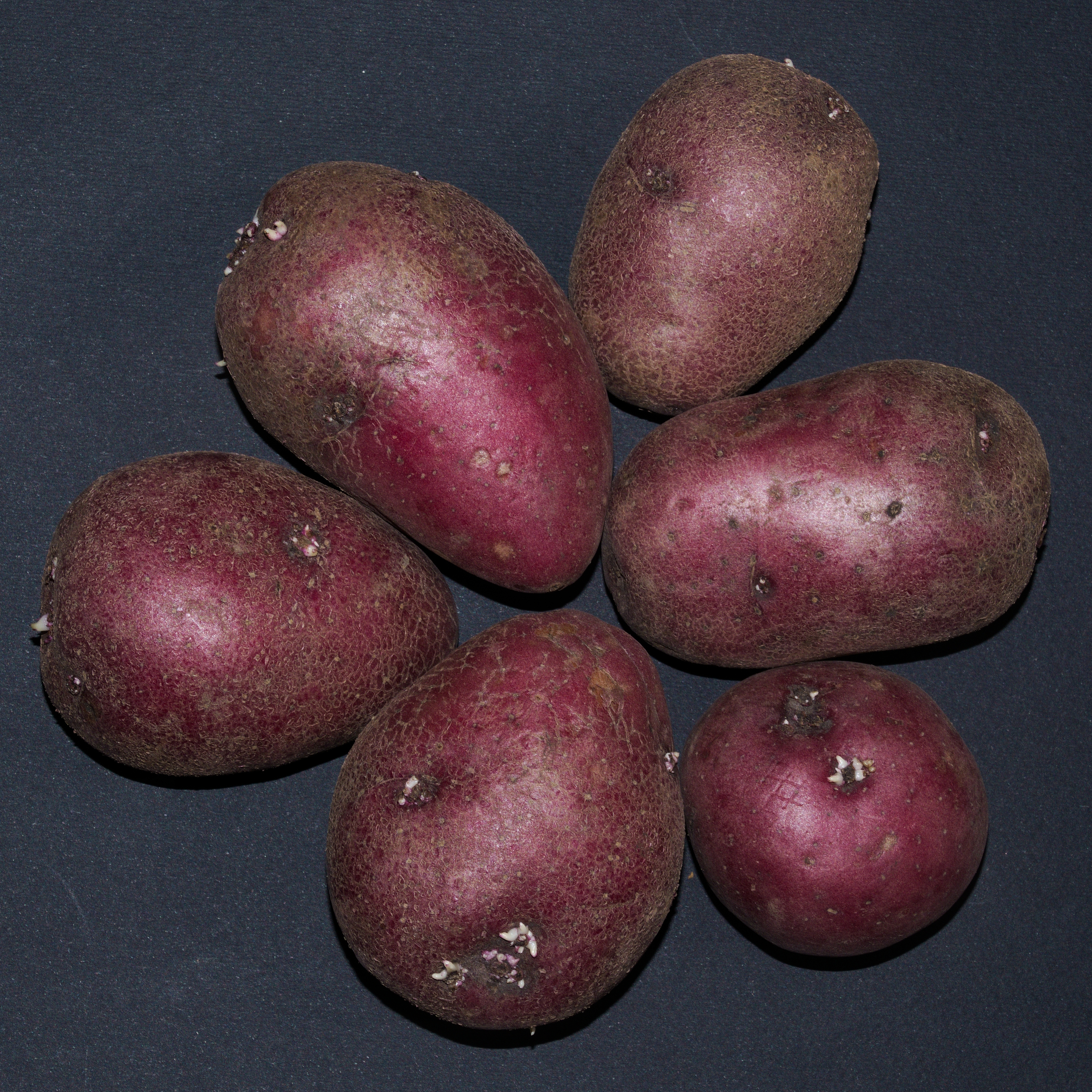
Potato - 03Add the crushed garlic cloves and the squeezed lemon halves to the tin. Season generously with salt and pepper, and scatter over half the oregano. Turn everything to coat.
- 04Cover tightly with foil and roast for 40 minutes.
- 05Remove the foil, turn the potatoes carefully, and roast uncovered for a further 30 to 40 minutes. The liquid will reduce to a thick glaze and the potatoes will start to colour.
- 06If they need more colour, raise the heat to 220C for the last 8 minutes.
- 07Scatter with the remaining oregano, spoon the glaze from the base of the tin back over the potatoes, and serve straight from the tin.
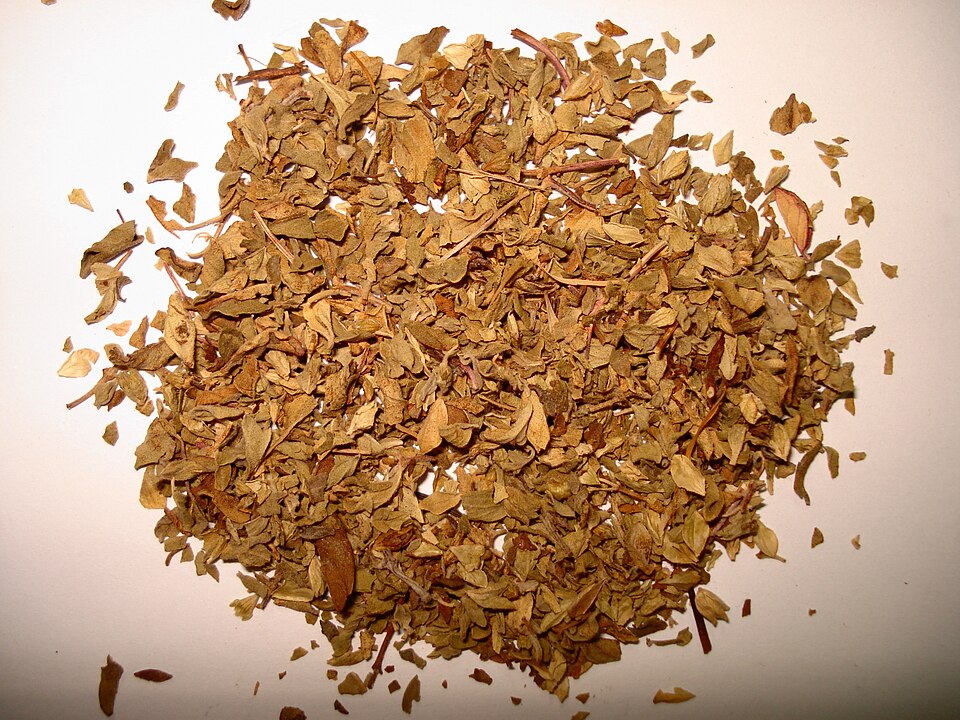
Oregano Save the glaze.Yiayia
Nutrition, per 1 portion
- Calories
- 286
- Protein
- 4 g
- Carbs
- 38 g
- Fat
- 13 g
- Sat fat
- 2 g
- Fibre
- 4 g
These figures are calculated estimates based on the ingredients listed, not laboratory analysis. Actual values vary with brands, cuts and portion size.
These are not roast potatoes with lemon on them. They are cooked by a different mechanism entirely: braised first and roasted second, in the same tin, without you doing anything in between.
You put the potatoes in a tin with a substantial amount of liquid, far more than looks right, and the oven does two jobs in sequence. For the first forty minutes the liquid simmers and steams the potatoes until they are soft the whole way through. Then it runs out, and the potatoes sit in the remaining oil and concentrated lemon and start to fry and colour.
That is why they take eighty minutes and why you should not be alarmed at the amount of liquid going in. Reduce it and they will roast before they have cooked through, which gives you hard middles.
Key preparation steps
- Cut into thick wedges, not small pieces, so they survive the long cook.
- Add enough liquid to come halfway up the potatoes.
- Roast covered for the first stage, then uncovered to colour.
- Finish under high heat and spoon the reduced glaze back over.
Which potatoes work best?
A floury or all-purpose variety, not a waxy one. Maris Piper, King Edward, Desiree or Yukon Gold all work well. The starch is what gives you the creamy interior and helps the surfaces catch and crisp.
Waxy salad potatoes hold their shape too well and stay dense and slightly rubbery through a long cook. They will not absorb the lemon in the same way either.
Cut them into large wedges, four to six per potato depending on size. Small pieces disintegrate over eighty minutes, and you want distinct wedges with a soft centre.
How much lemon, and does it need stock?
The juice of two large lemons for a kilo of potatoes, which sounds aggressive and reduces to something rounded and savoury rather than sharp. Add the squeezed halves to the tin as well: the oils in the peel are a big part of the flavour.
Stock is not strictly necessary, water works, but chicken or vegetable stock gives noticeably more depth. Use about 300 ml alongside the lemon juice and 100 ml of olive oil.
A teaspoon of Dijon mustard whisked into the liquid is not traditional but it helps the oil and lemon emulsify so the glaze clings rather than separating. I use it and would not apologise for it.
Why cover the tin first?
Covering with foil for the first forty minutes traps steam and drives the cooking into the potatoes evenly. This is the braising stage and it is what gets the middles properly soft.
Take the foil off for the second stage and the remaining liquid reduces fast, at which point the potatoes are sitting in hot oil and concentrated lemon. This is where the colour and the crisp edges come from.
If you roast uncovered from the start, the surfaces set and brown before the centres are done and you end up turning the oven down and waiting, which gives you neither good crust nor good texture.
Serving
These go with almost everything, and in Greece they arrive with roast chicken, roast lamb and grilled fish more or less by default. They are also very good on their own with a piece of feta crumbled over while they are still hot.
Do not drain them. The reduced glaze in the bottom of the tin is the best part, and it should be spooned over as you serve. Bread is required to deal with what is left in the tin.
What matters in this dish
Do not crowd the tin
Two tins are better than one overloaded one. Potatoes piled on top of each other steam and never colour, however long you give them.
Keep the lemon halves in
The oils in the peel contribute as much as the juice. Squeeze them, then throw them in the tin to roast alongside the potatoes.
Save the glaze
Whatever is left in the base of the tin is concentrated lemon, oil and potato starch. Spoon it back over the potatoes rather than draining it away.
Questions people ask about Patates lemonates
Why are my Greek potatoes soggy?
Either the tin was overcrowded, so they steamed instead of roasting, or the foil was left on for the second stage. The last 30 minutes must be uncovered so the liquid can reduce away.
Can you make Greek lemon potatoes ahead?
They are best fresh, but you can part-cook them through the covered stage, leave them in the tin, and finish the uncovered roast when needed. Reheating fully cooked ones at 200C for 15 minutes works reasonably.
What potatoes are best for Greek lemon potatoes?
Floury or all-purpose varieties such as Maris Piper, King Edward, Desiree or Yukon Gold. Waxy salad potatoes stay dense and do not absorb the lemon properly.
Are Greek lemon potatoes vegan?
Yes, if you use vegetable stock. There is no dairy in the dish at all, and the fat is entirely olive oil.