Greek Meze and Appetisers · The Mainland · Fried · Taverna Night
Greek Fried Baby Squid (Kalamarakia Tiganita)
Καλαμαράκια τηγανητά kah-lah-mah-RAH-kyah tee-gah-nee-TAH · Kalamarakia tiganita
In short
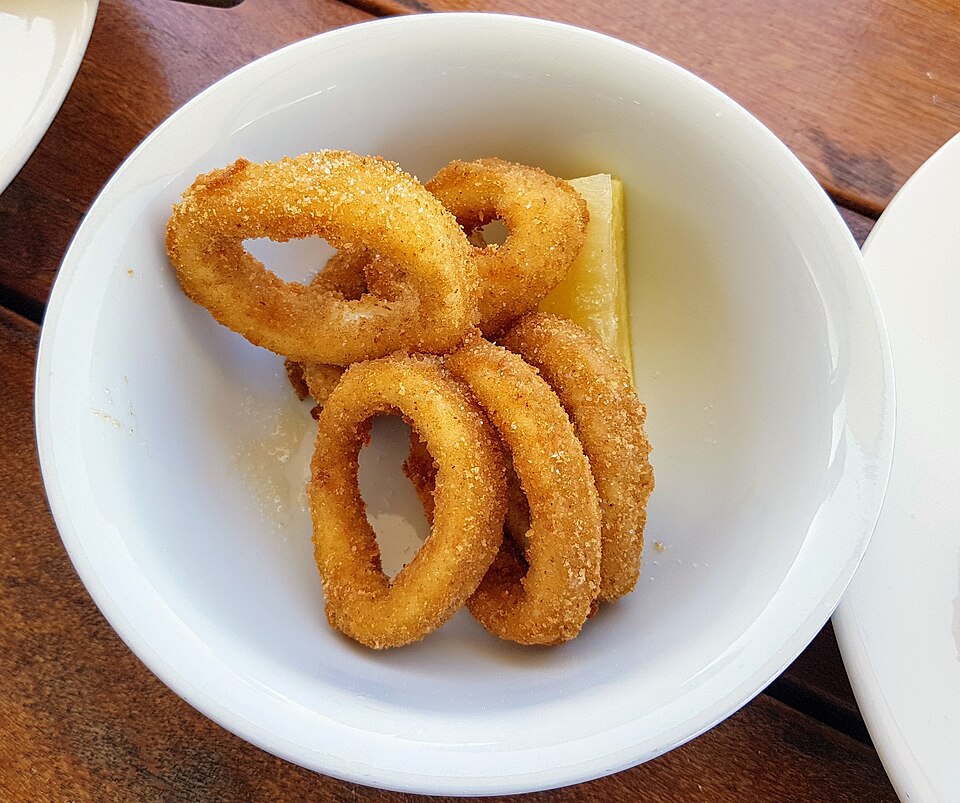
Kalamarakia tiganita is fresh baby squid, cut into rings, lightly floured, and fried very briefly in hot oil until golden outside and tender inside. It is one of the most ordered dishes at any Greek seaside taverna, and the technique is almost entirely about speed and heat rather than anything elaborate.
Fried Baby Squid
- Prep
- 20m
- Cook
- 10m
- Total
- 30m
- Serves
- 4
- Level
- Beginner
Ingredients
Ingredients
Tick ingredients off as you go. Quantities rescale with the buttons above.
Method
- 01Clean the squid thoroughly, removing the quill, innards and beak. Cut the bodies into rings about 1 cm thick, keeping the tentacle clusters whole.
- 02Pat the squid completely dry with kitchen paper.
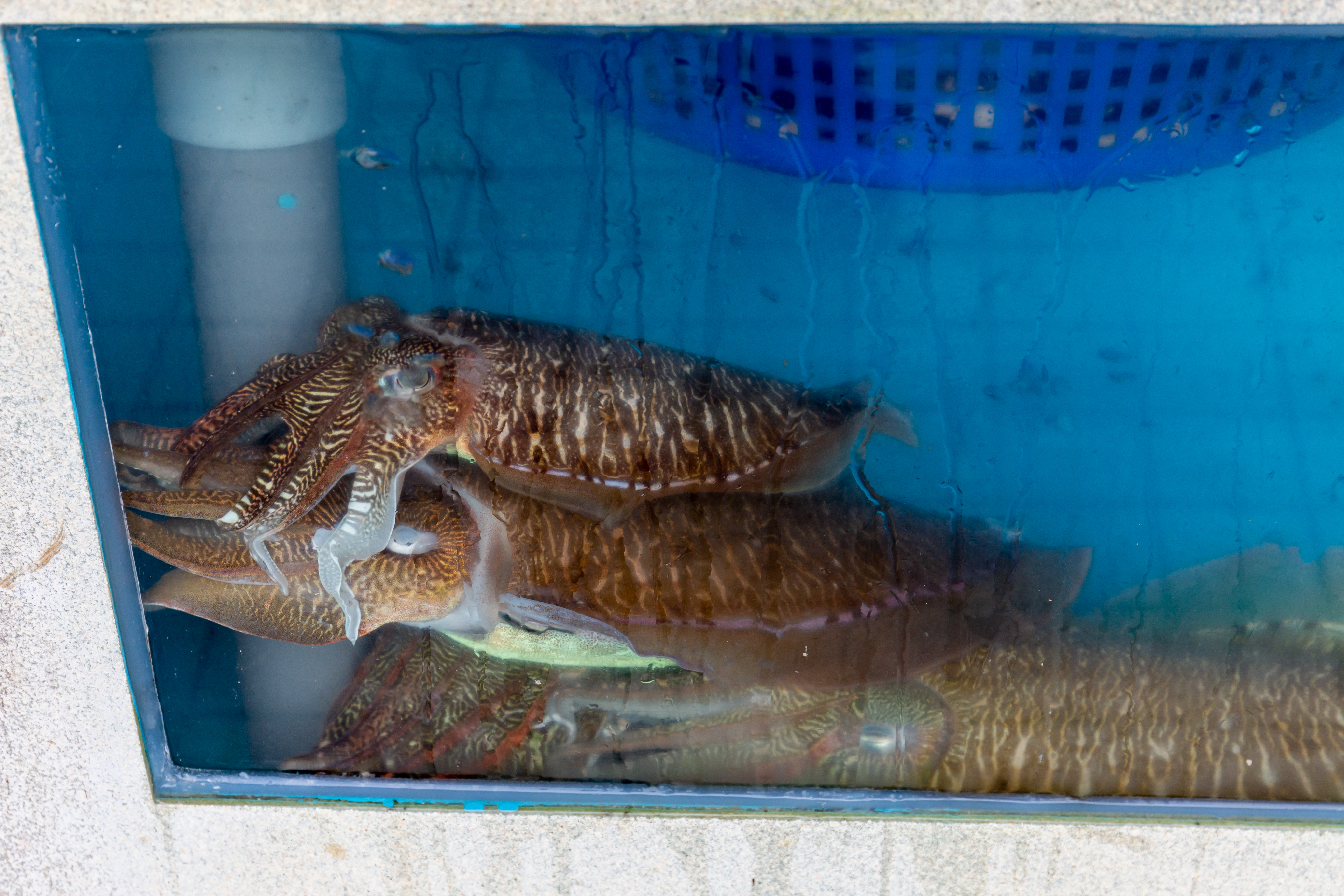
Squid - 03Heat a generous depth of vegetable oil in a deep, heavy pan to 180 to 190C.
- 04Just before frying, dust the squid pieces in flour, shaking off any excess thoroughly.
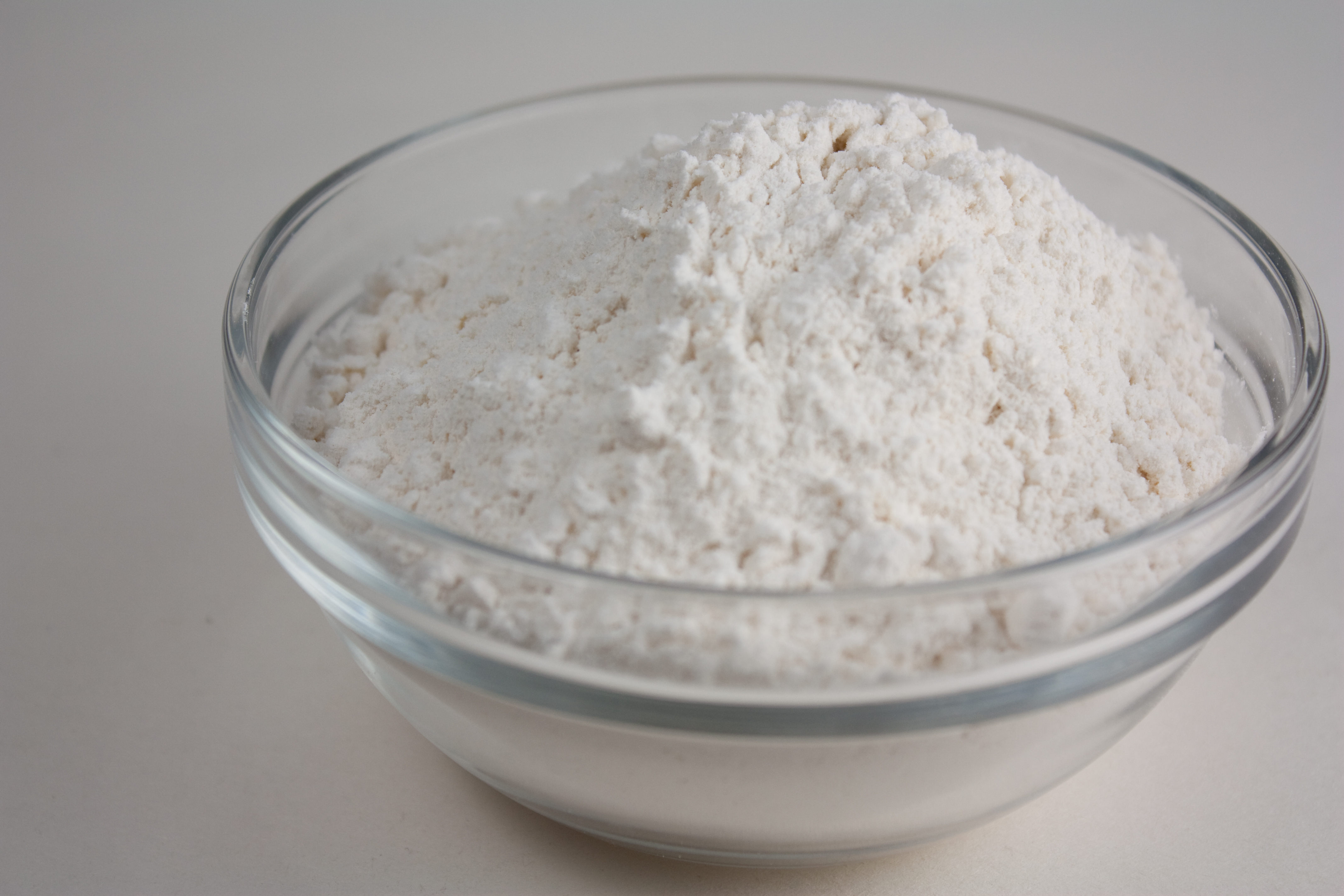
Flour Flour it only right before frying.Yiayia - 05Fry in small batches, without crowding, for 60 to 90 seconds, until pale golden. Do not overcook.
- 06Drain immediately on kitchen paper and season with salt while hot.
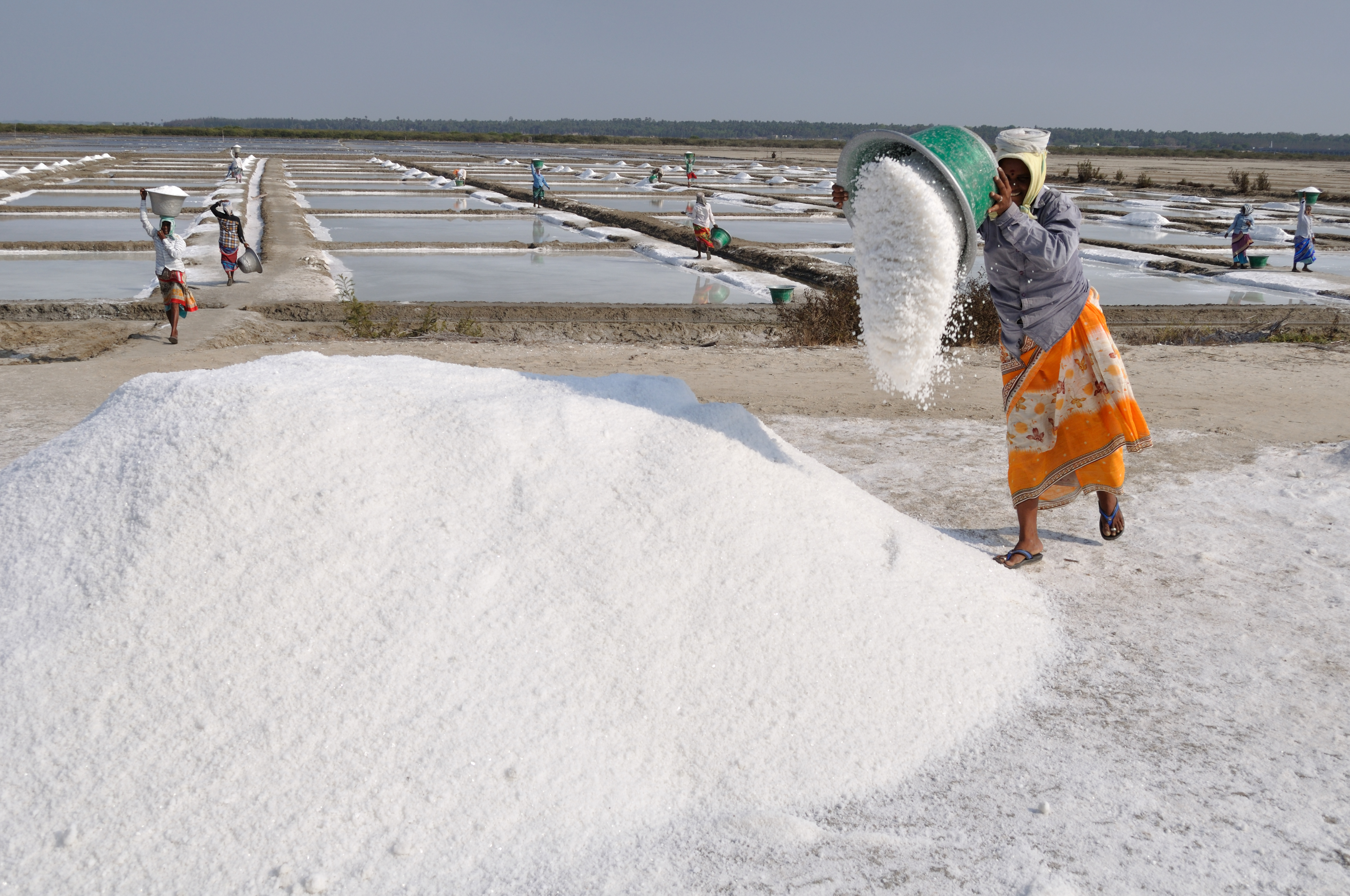
Salt - 07Serve at once with lemon wedges.
Nutrition, per 1 portion
- Calories
- 268
- Protein
- 22 g
- Carbs
- 18 g
- Fat
- 12 g
- Sat fat
- 2 g
- Fibre
- 1 g
These figures are calculated estimates based on the ingredients listed, not laboratory analysis. Actual values vary with brands, cuts and portion size.
Kalamarakia tiganita is proof that squid needs almost nothing done to it beyond a very hot pan and real speed. Cut into rings, dusted lightly in flour, and fried for a genuine minute or two, it turns from a slightly intimidating ingredient into one of the most reliably good things on a Greek seaside menu.
The single most important thing to understand about cooking squid is that it has exactly two good windows, a very fast cook of a minute or two, or a very long, slow braise of an hour or more. Everything in between turns it rubbery, and shallow frying sits firmly in that fast window, which is why speed, not caution, is the right instinct here.
Good, genuinely fresh squid, ideally small, is what makes this dish worth the trouble it takes to source; larger, tougher squid or squid that has been sitting too long will not fry to the same tender result no matter how careful the technique.
Key preparation steps
- Clean squid and cut into rings, keeping the tentacles whole.
- Dust lightly in flour just before frying.
- Fry in very hot oil for a genuine minute or two only.
- Drain and serve immediately with lemon.
Choosing and preparing the squid
Small squid, sometimes sold specifically as baby squid or calamari, give the most tender result and the classic bite-sized rings this dish is known for. Clean thoroughly, removing the quill, innards and beak, then cut the body into rings about a centimetre thick, keeping the tentacle clusters whole.
Pat the squid completely dry before flouring, since any surface moisture both stops the flour sticking and causes dangerous spitting in the hot oil.
Flouring just before frying
Dust the squid in flour only right before it goes into the oil, not further ahead, since squid releases moisture as it sits and a coating applied too early turns gluey rather than staying light and crisp. Shake off any excess flour thoroughly.
The fast fry
Fry in oil at a genuinely hot 180 to 190C, in small batches so the temperature does not drop, for only sixty to ninety seconds, until pale golden. This is a genuinely brief fry, and pulling the squid the moment it colours, rather than waiting for a deep golden crust, is what keeps it tender rather than tipping into the rubbery zone that overcooked squid falls into so easily.
Drain immediately and serve at once with lemon wedges, since fried squid, like most fried Greek food, is at its very best in the first few minutes out of the pan.
What matters in this dish
Flour it only right before frying
Squid releases moisture as it sits, and a coating applied too early turns gluey rather than staying light.
Fry fast and briefly
Sixty to ninety seconds is genuinely enough. Squid has two good cooking windows, very fast or very slow, and shallow frying belongs firmly in the fast one.
Do not overcrowd the pan
Too much squid at once drops the oil temperature, giving a pale, soggy result rather than a quick, crisp sear.
Questions people ask about Kalamarakia tiganita
Why does squid turn rubbery?
It happens when squid spends too long in the middle range of cooking, longer than a very fast sear but shorter than a proper slow braise. Frying it for only a minute or two, or braising it for an hour or more, are the two windows that give a tender result.
Can you use frozen squid?
Yes, thawed thoroughly and patted very dry, though fresh gives a slightly better, more tender texture. Make sure any excess water is removed before flouring, since frozen squid tends to release more liquid.
What oil temperature is best for frying squid?
180 to 190C, hot enough that the squid cooks and colours within a minute or two rather than sitting in the oil for longer, which is what tips it towards rubbery.