Greek Desserts · The Mainland · Boiled and Simmered · Lent and Nistisima
Greek Semolina Halva (Halvas Simigdalenios)
Χαλβάς σιμιγδαλένιος hal-VAHS see-meeg-thah-LEH-nyos · Halvas simigdalenios
In short
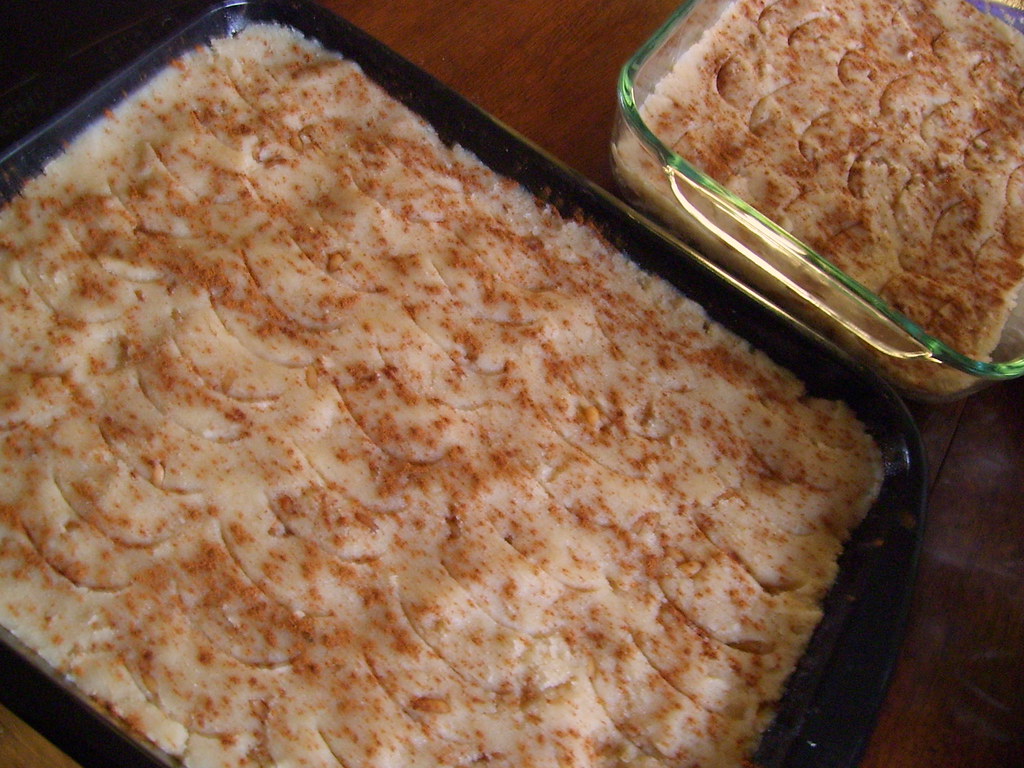
Halvas simigdalenios is a Greek semolina pudding-cake, semolina toasted in butter until fragrant, then bound with a hot sugar syrup poured in all at once and left to steam and set off the heat, following the classic 1-2-3-4 ratio of butter to sugar to semolina to water. It needs no oven at all, and no eggs.
Semolina Halva
- Prep
- 15m
- Cook
- 25m
- Total
- 40m
- Serves
- 10
- Level
- Beginner
Ingredients
Ingredients
Tick ingredients off as you go. Quantities rescale with the buttons above.
Method
- 01Heat the sugar, water, cinnamon stick and lemon peel in a pan, stirring until the sugar dissolves, then simmer gently while you prepare the semolina.
- 02Melt the butter in a separate wide, heavy pan over a medium heat.
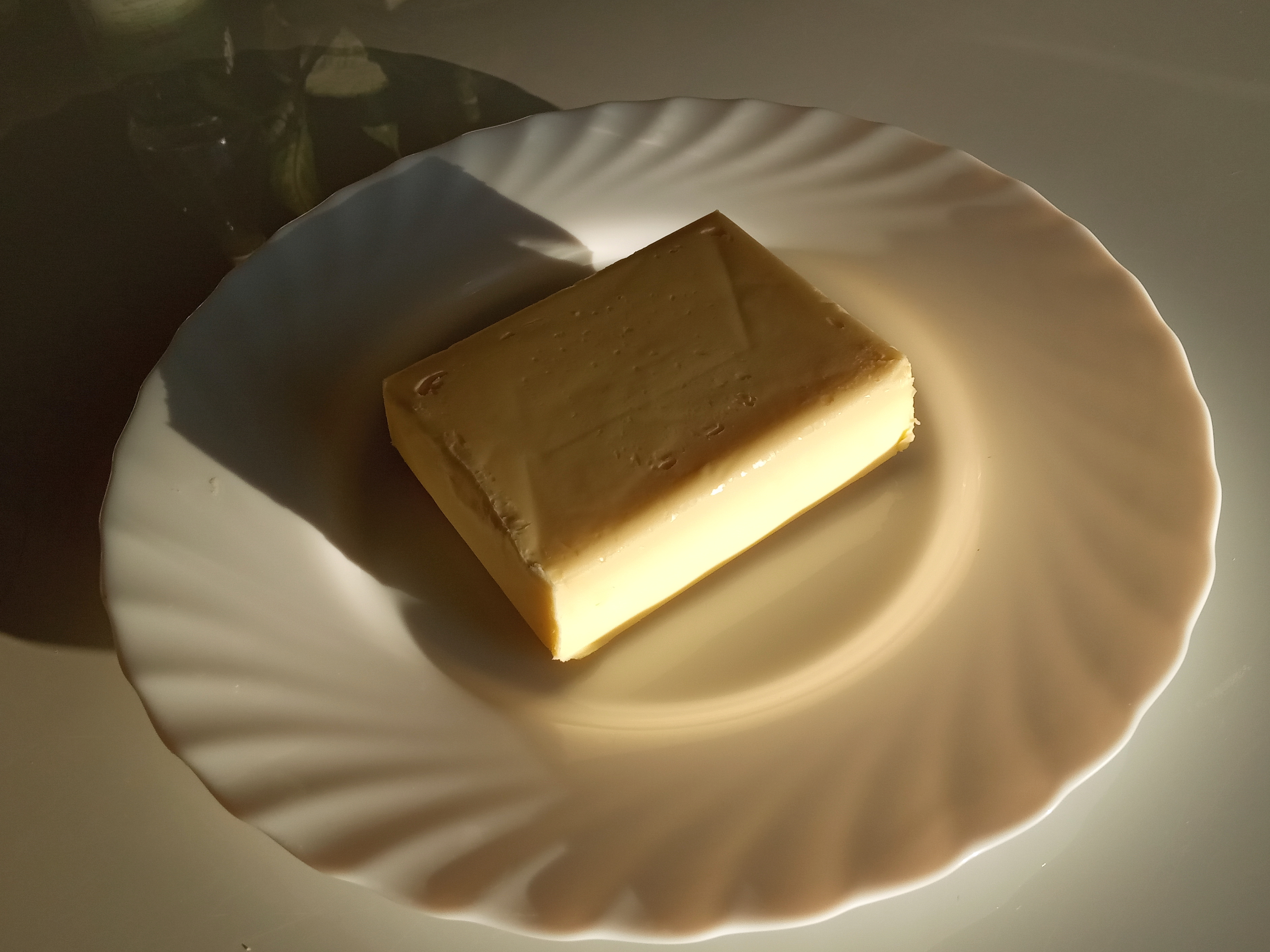
Butter - 03Add the semolina and toast, stirring constantly, for 8 to 10 minutes, until a shade darker and fragrant.Toast the semolina properly.Yiayia
- 04Remove the cinnamon stick and lemon peel from the syrup, and bring it back to a full boil.
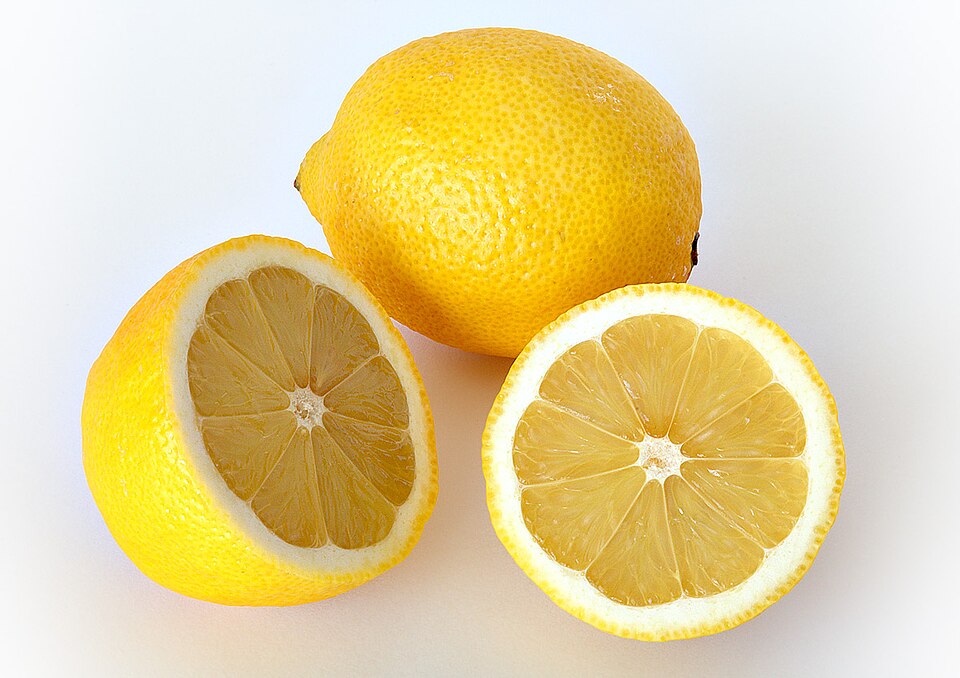
Lemon - 05Take the semolina pan off the heat and pour in the hot syrup all at once, standing back as it bubbles vigorously. Stir briefly to combine.
- 06Cover immediately and let sit off the heat for 5 to 8 minutes, until the liquid is fully absorbed.
- 07Stir in the chopped walnuts, then turn out into a lined tray, pressing to an even thickness.
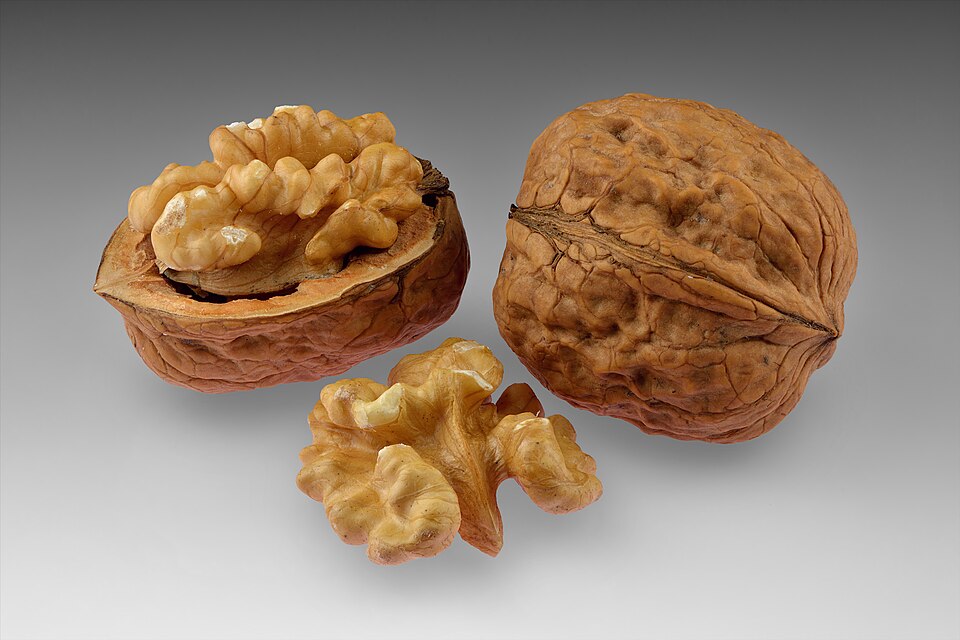
Walnuts - 08Cool completely, then cut into pieces and dust with ground cinnamon and extra walnuts before serving.
Nutrition, per 1 piece
- Calories
- 312
- Protein
- 5 g
- Carbs
- 44 g
- Fat
- 13 g
- Sat fat
- 6 g
- Fibre
- 2 g
These figures are calculated estimates based on the ingredients listed, not laboratory analysis. Actual values vary with brands, cuts and portion size.
Halvas simigdalenios is genuinely one of the simplest, most reliable desserts in the whole Greek repertoire, held together in the collective memory by its ratio rather than a written recipe: one part butter, two parts sugar, three parts semolina, four parts water, a formula every Greek grandmother knows by heart and can scale for any size gathering without ever looking anything up.
There is no oven involved at all. The semolina toasts in butter on the stovetop until deeply fragrant, then a hot syrup is poured in all at once, off the heat, and the pot is covered and left to steam and thicken on its own for several minutes before the whole thing is turned out to set and cool.
It is genuinely a pantry dessert, needing nothing beyond semolina, sugar, butter and water, which is exactly why it turns up so often during Lent and in households simply looking for something reliably good without a special trip to the shops.
Key preparation steps
- Toast semolina in butter until fragrant and golden.
- Bring sugar, water and spices to a boil for the syrup.
- Pour the hot syrup into the toasted semolina off the heat.
- Cover and let steam, then turn out to set.
The 1-2-3-4 ratio
One part butter, two parts sugar, three parts semolina, four parts water, by volume, is the formula that has kept this dessert alive across generations without ever needing to be written down properly. Coarse semolina gives a better bite than fine, and toasting it properly, until it turns a shade or two darker and smells distinctly nutty, is the single most important step for flavour.
Making the syrup
Bring the sugar and water to a boil with a cinnamon stick and a strip of lemon peel, and let it simmer for a few minutes while the semolina toasts separately. It needs to be genuinely hot, close to boiling, when it meets the toasted semolina, since a cooler syrup will not trigger the quick absorption and thickening this method depends on.
The critical pour and steam
Once the semolina is properly toasted, take the pan off the heat and pour in the hot syrup all at once, standing back slightly since it will bubble and spit vigorously for a moment. Stir briefly to combine, then cover immediately and let it sit off the heat for five to eight minutes, during which the semolina fully absorbs the liquid and swells into a thick, cohesive mass.
Stir once more, fold through toasted walnuts, then turn out into a tray or mould and let cool and set before slicing.
What matters in this dish
Toast the semolina properly
It should turn a shade darker and smell distinctly nutty. This is the single biggest contributor to the finished flavour.
Make sure the syrup is genuinely hot when it meets the semolina
A syrup that has cooled will not trigger the fast absorption and thickening this method depends on.
Do not skip the covered steaming stage
Those five to eight minutes off the heat are what let the semolina fully absorb the liquid and swell properly.
Questions people ask about Halvas simigdalenios
What does the 1-2-3-4 ratio mean?
One part butter, two parts sugar, three parts semolina, four parts water, by volume. It is the traditional formula that lets this dessert be remembered and scaled without ever needing a written recipe.
Can you make halvas simigdalenios vegan?
Yes, olive oil in place of the butter gives a good, if slightly different, result, and it remains naturally free of eggs and dairy otherwise, making it a traditional Lenten dessert either way.
How long does halvas keep?
About a week at room temperature, covered, since it contains no dairy that would spoil quickly, and it is often considered just as good, if not better, the next day.