Greek Soups · Northern Greece · Epirus · Boiled and Simmered · The Sunday Table
Greek Boiled Goat Soup (Gida Vrasti)
Γίδα βραστή YEE-tha vrah-STEE · Gida vrasti
In short
Gida vrasti is a northern Greek mountain soup of older goat simmered slowly for two to three hours with onion, carrot, celery and bay until the meat falls off the bone and the broth is clear and deeply savoury. An older animal is used deliberately, because young goat is roasted while an older one has the connective tissue that gives the broth its body.
Boiled Goat Soup
- Prep
- 20m
- Cook
- 3h
- Total
- 3h 20m
- Serves
- 6
- Level
- Intermediate
Ingredients
For the broth
Added late
To serve
Tick ingredients off as you go. Quantities rescale with the buttons above.
Method
- 01Put the goat in a large pot, cover with cold water and bring to the boil. Boil for 5 minutes, then drain and rinse the meat and the pot.
- 02Return the meat to the clean pot with the 2.5 litres of cold water, the whole onions, bay leaves and peppercorns.
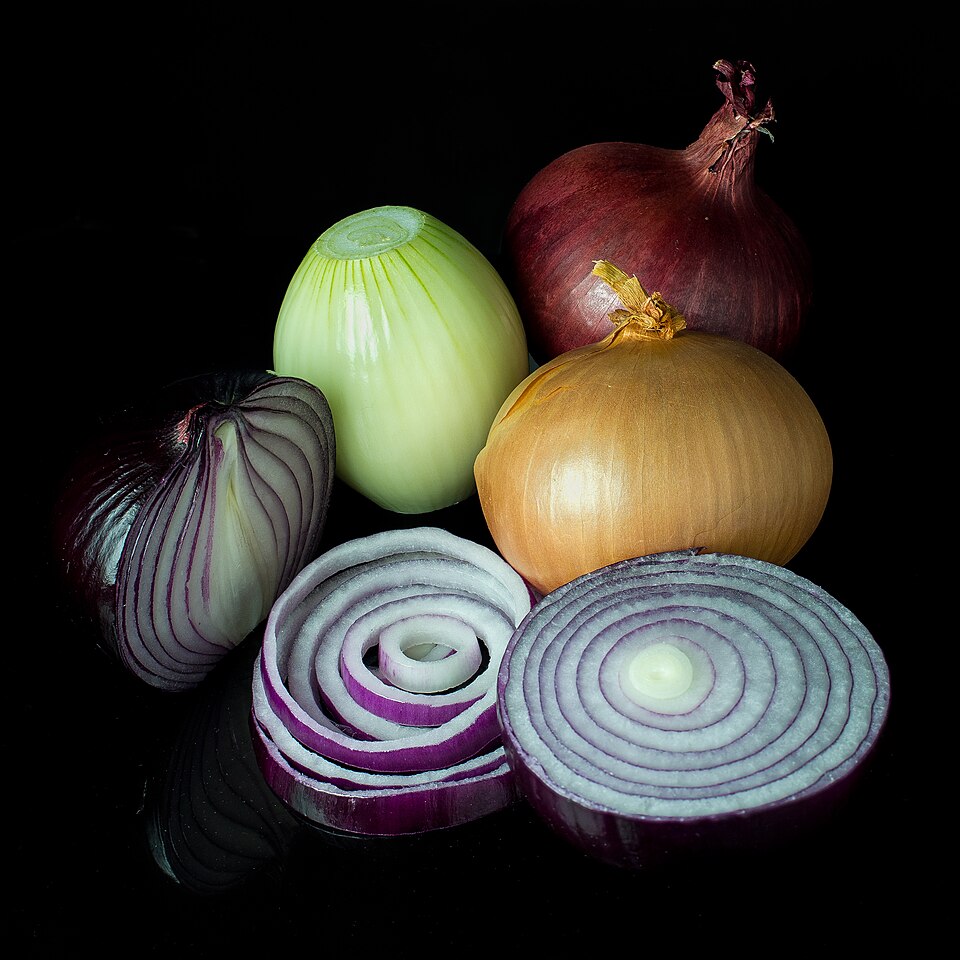
Onion - 03Bring slowly to a bare simmer. Skim the surface thoroughly as it comes up, and every 20 minutes for the first hour.Start in cold water, twice.Yiayia
- 04Simmer very gently, lid slightly ajar, for 2 hours. The surface should barely move.
- 05Add the carrots, celery and potatoes and season with salt. Simmer for a further 45 minutes, until the vegetables are tender and the meat pulls easily from the bone.
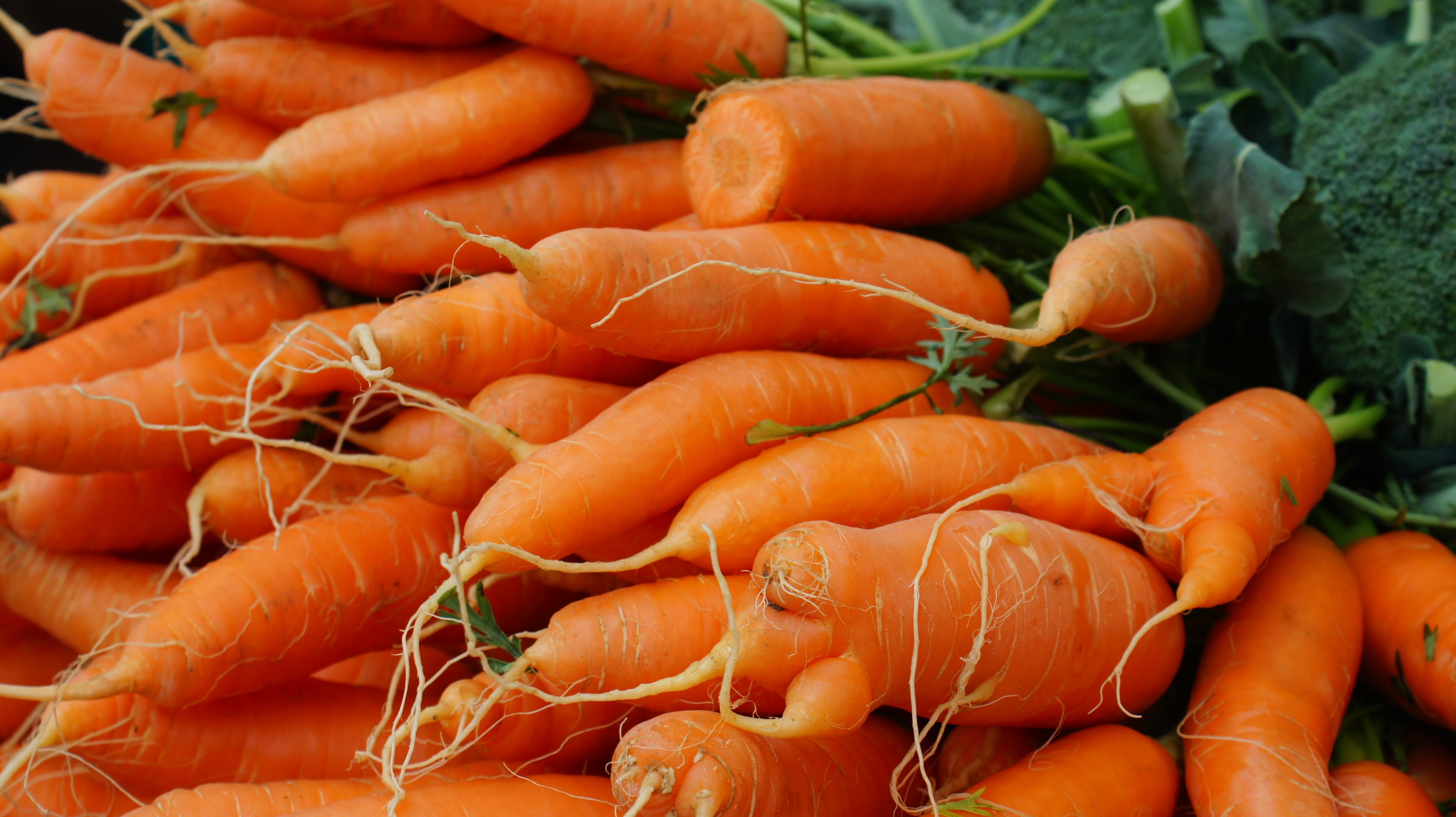
Carrot - 06Lift out the meat and the whole onions. Discard the onions and pull the meat from the bones in large pieces.
- 07Check the broth for salt. Ladle it into bowls with the vegetables, scatter over parsley and black pepper, and squeeze in lemon.
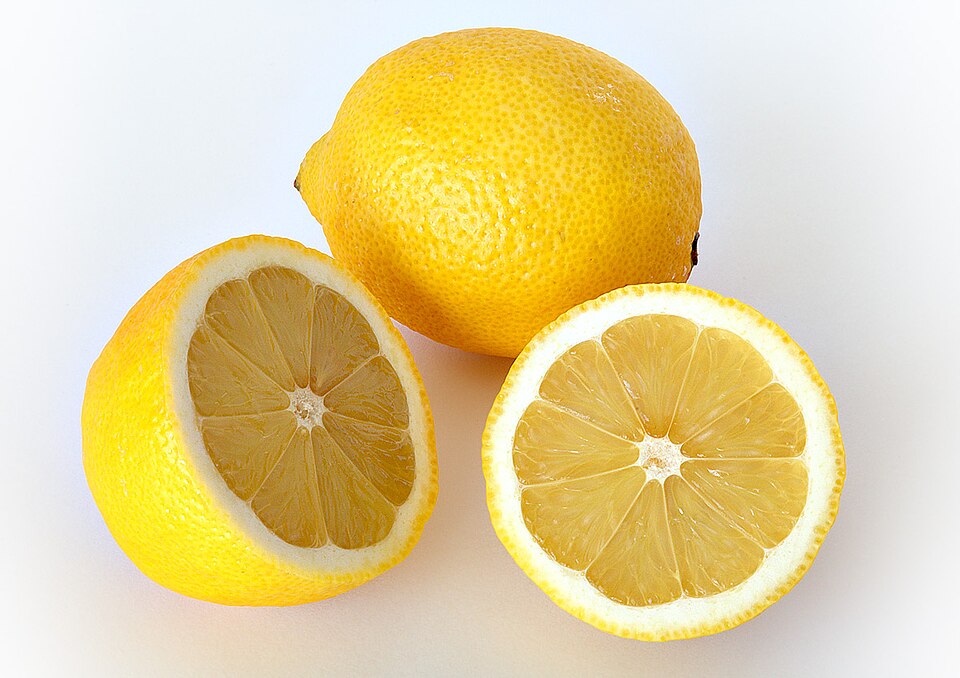
Lemon - 08Serve the meat alongside, dressed with oregano, salt and more lemon.
Nutrition, per 1 portion
- Calories
- 432
- Protein
- 42 g
- Carbs
- 24 g
- Fat
- 18 g
- Sat fat
- 7 g
- Fibre
- 4 g
These figures are calculated estimates based on the ingredients listed, not laboratory analysis. Actual values vary with brands, cuts and portion size.
Gida vrasti is shepherds' food from the mountains of northern Greece, and it exists because of a practical fact: an old goat that has stopped giving milk is no good roasted and superb boiled. Three hours in a pot turns tough meat into something that falls apart and produces a broth nothing else quite matches.
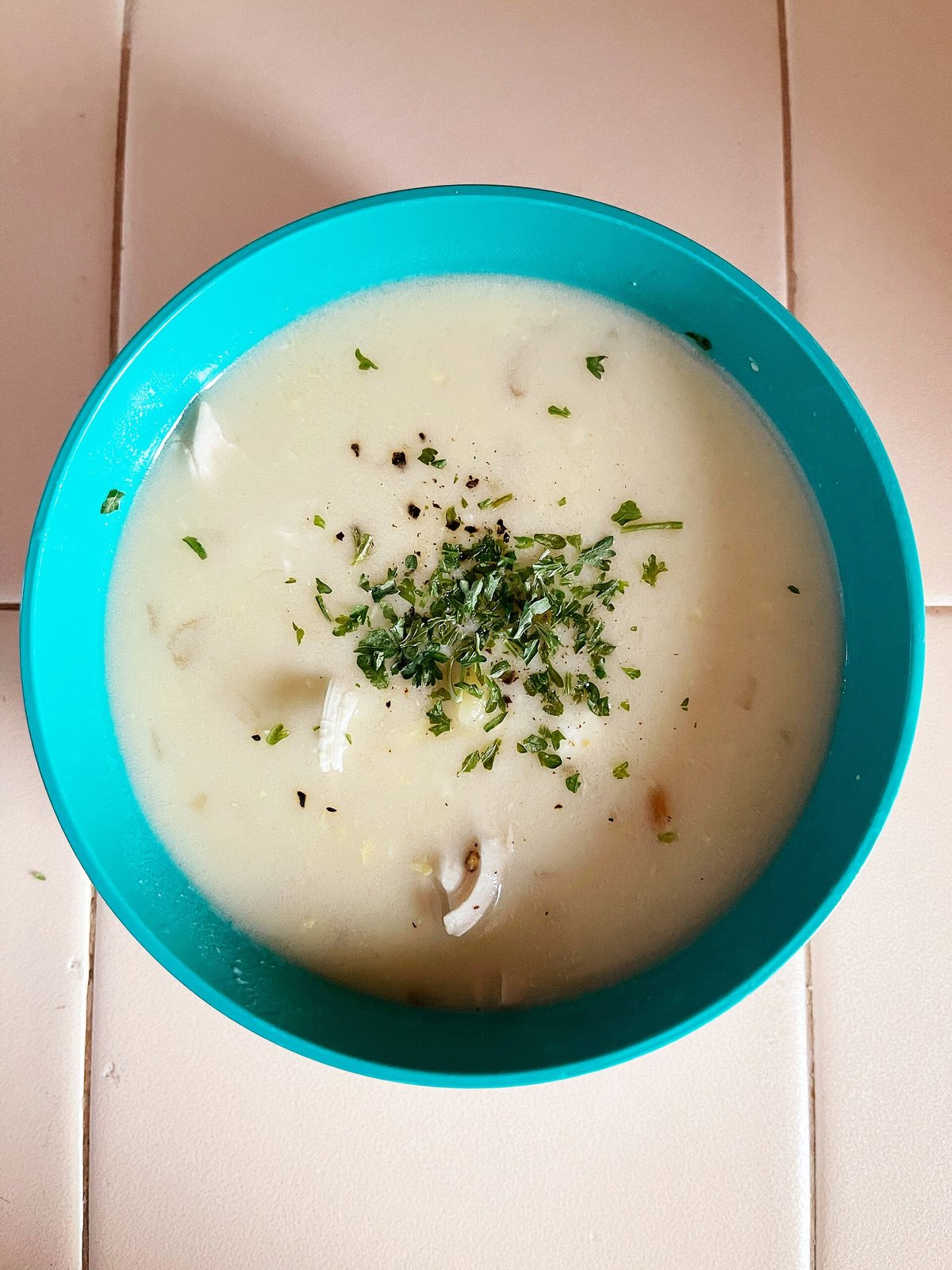
There is almost nothing in it. Goat, water, an onion, a carrot, a stick of celery, bay leaves and peppercorns. No tomato, no thickening, no cream, and the finished soup should be clear enough to see the bottom of the bowl through.
It is treated as a restorative in the villages of Epirus and Macedonia and is what gets made when someone has been ill or when the weather turns hard. Served properly, the broth goes into bowls with plenty of lemon and the meat comes to the table separately, so the dish covers two courses.
Key preparation steps
- Blanch the goat and discard the first water.
- Simmer very gently with aromatics for two to three hours.
- Skim throughout to keep the broth clear.
- Serve broth and meat separately with lemon.
Why blanch the meat and throw the water away?
Goat, particularly older goat, throws off a great deal of grey scum and a strong smell in the first ten minutes. Bringing it to the boil in plain water, draining it, rinsing the pot and starting again removes almost all of that.
The second water is the one that becomes the soup, and it will stay clear and mild. Skipping this step is the reason home-made goat soup sometimes tastes muttony and looks cloudy.
How gentle does the simmer need to be?
Barely moving. You want a bubble breaking the surface every second or two, and no more. A rolling boil emulsifies the fat into the liquid and makes the broth permanently cloudy, and no amount of straining afterwards will undo it.
Leave the lid slightly ajar so the pot cannot come up to a boil on its own, and skim whatever rises to the surface every twenty minutes or so for the first hour.
When do the vegetables go in?
Onion, bay and peppercorns at the start, since they are flavouring the broth and are expected to give everything up. Carrot, celery and potato go in for the last forty-five minutes only.
Vegetables added at the beginning disintegrate completely and make the broth murky and sweet. Adding them late means they are tender, still recognisable, and can be served in the bowl.
How is gida vrasti served?
In two parts. The broth with the vegetables goes into bowls as a soup, with a lot of lemon juice and black pepper, and the meat is lifted out, pulled off the bone and brought to the table on a plate with salt, oregano and more lemon.
Some households serve everything together in one deep bowl, which is equally traditional and considerably easier. Either way, bread and lemon are not negotiable.
What matters in this dish
Start in cold water, twice
Cold water draws the flavour out of the bones gradually. Starting in hot water seals the surface and gives a weaker broth, which defeats the point of a three hour simmer.
Never let it boil
One rolling boil clouds the broth permanently. If the pot starts galloping, take it off the heat for a minute rather than just turning the dial down.
Chill it to remove the fat
If you can make it a day ahead, cool it and refrigerate. The fat sets in a solid layer and lifts straight off, leaving a much cleaner broth to reheat.
Questions people ask about Gida vrasti
Why use an older goat rather than a kid?
Kid is tender enough to roast and has little connective tissue, so it makes a thin broth. An older animal has the collagen that breaks down over hours into body and depth, which is exactly what this soup needs.
Can I make it with lamb?
Yes, using mutton or an older lamb on the bone, and the method is identical. It will be milder and fattier than goat, so skim more and be generous with the lemon at the end.
Is gida vrasti the same as goat avgolemono?
No. Gida vrasti is deliberately left clear and finished with lemon juice only. Adding an egg and lemon liaison makes a different, thicker soup and loses the clarity the dish is known for.
Can it be made in a pressure cooker?
It can, in about 50 minutes at pressure, and the meat will be tender. The broth will not be as clear, because the liquid is agitated the whole time, so it is a trade of clarity for speed.