Meat and Poultry
Goat
Κατσίκι · Katsiki
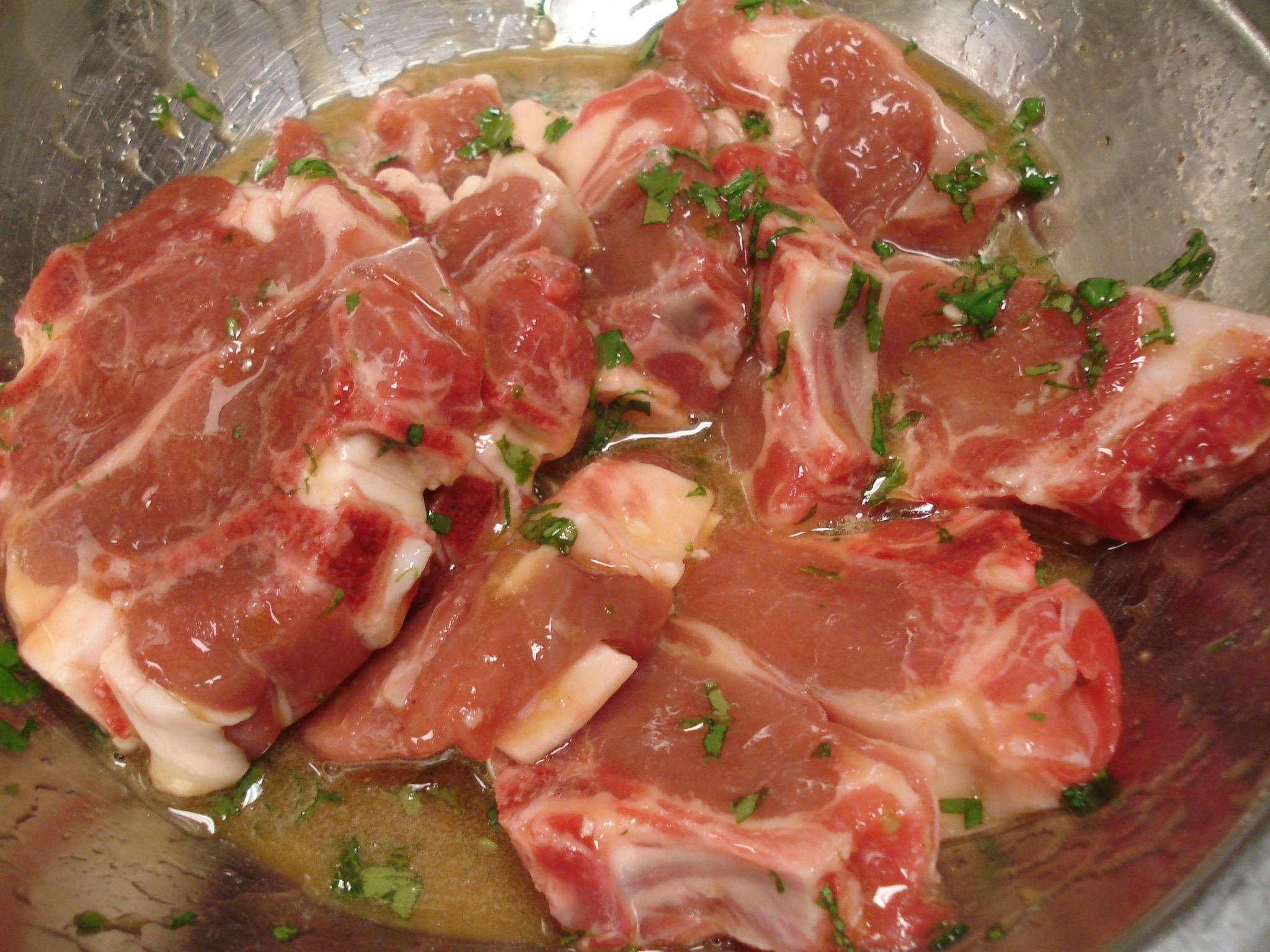
Goat is ordinary food across the Greek islands and the mountains rather than a curiosity, because goats graze rough, dry ground that will not support cattle and barely supports sheep. Greek makes a distinction that English tends to lose: katsiki, or katsikaki, is the young animal, while gida is the older female, and the two are cooked in almost opposite ways.
Young goat is roasted. Katsikaki lemonato takes a bone-in leg or shoulder and gives it the same lemon, garlic and oregano treatment as arnaki lemonato, and on Crete goat goes on the antikristo, staked around an open fire and cooked by radiant heat alone. Island bakes such as fournisto Kalymnou and Kefalonian kreatopita treat lamb and goat as interchangeable, which in practice they very often are.
Older goat is simmered instead. Gida vrasti gives it two or three hours with onion, carrot, celery and bay until the meat drops off the bone and the broth turns clear and deeply savoury. Goat is leaner than lamb and dries out faster, so bone-in cuts, a covered pot and a low oven matter more here than they would with a fattier animal.
Recipes with goat
5 recipes on the site using it.
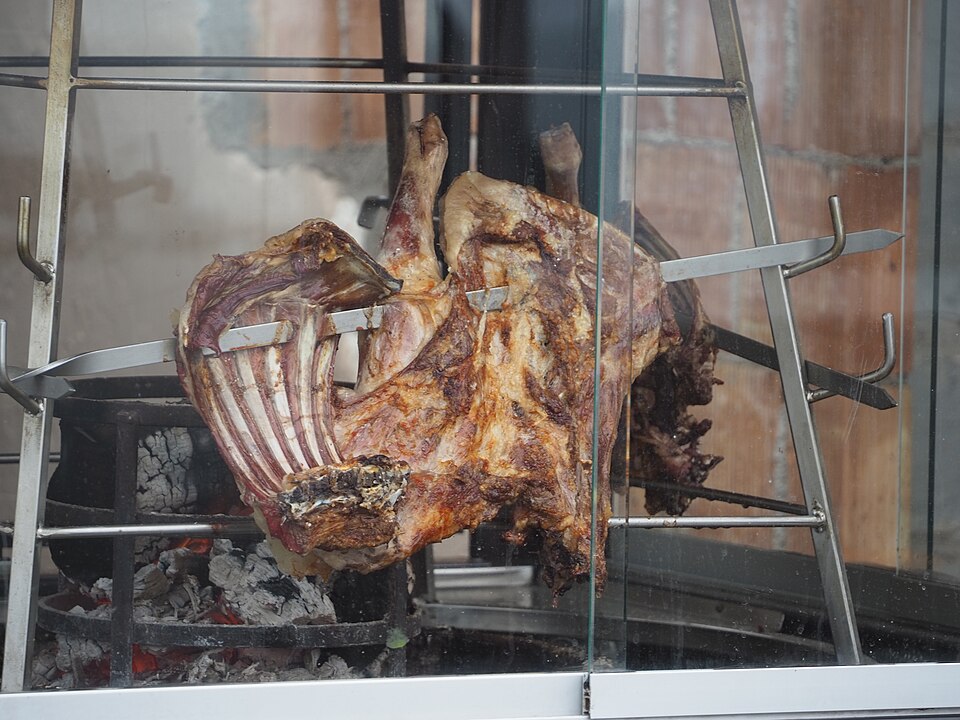 Cretan Spit-Roasted Lamb Facing the FireAntikristo ΑντικριστόMain Courses · 4h 30m · serves 8
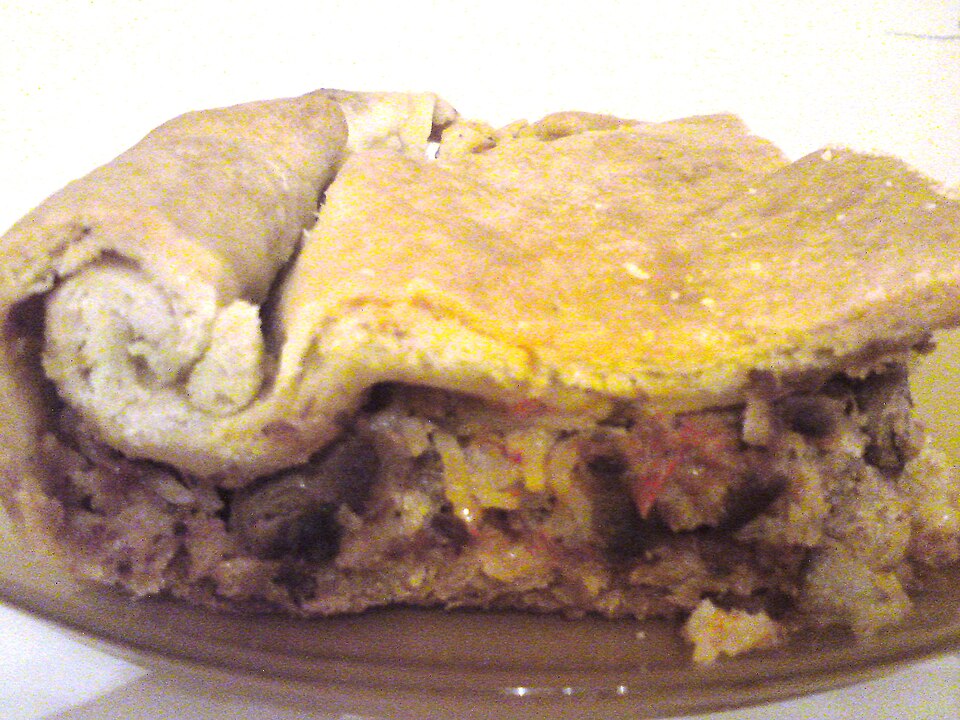 Kefalonia Spiced Meat PieKefalonitiki kreatopita Κεφαλονίτικη κρεατόπιταBreads and Pies · 2h · serves 8
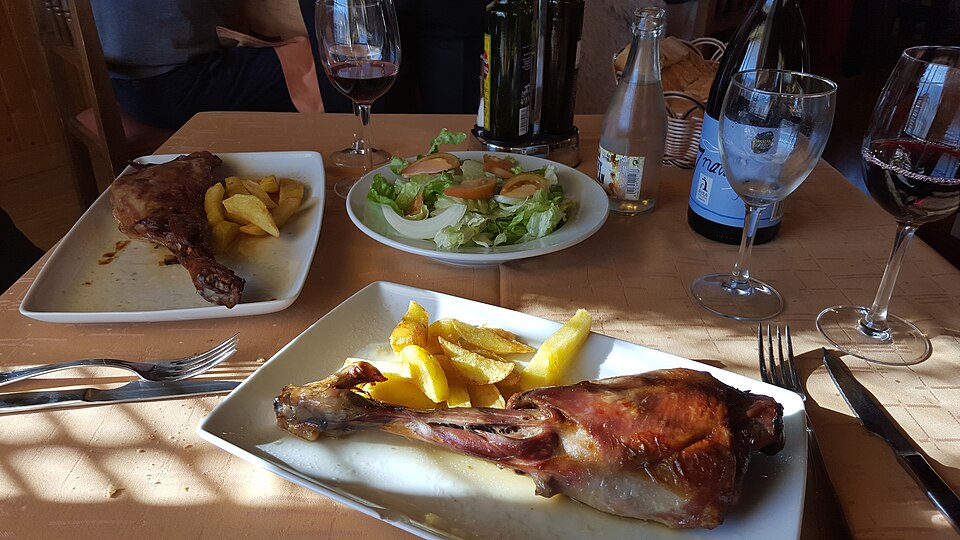 Roast Goat with LemonKatsikaki lemonato Κατσικάκι λεμονάτοMain Courses · 3h 40m · serves 6
Get one proper Greek recipe a week
No round-ups, no filler, no fifteen-ingredient shortcuts. One dish, written out in full, with the reasoning included.
The signup form is not connected yet, so there is nothing here that would quietly lose your address. Email contact@kalliopiskitchen.com and you go on the list by hand.