Greek Meze and Appetisers · The Mainland · No-Cook · Mezedes and Ouzo
Gavros Marinatos Recipe (Greek Marinated Anchovies)
Γαύρος μαρινάτος GAHV-ros mah-ree-NAH-tos · Gavros marinatos
In short
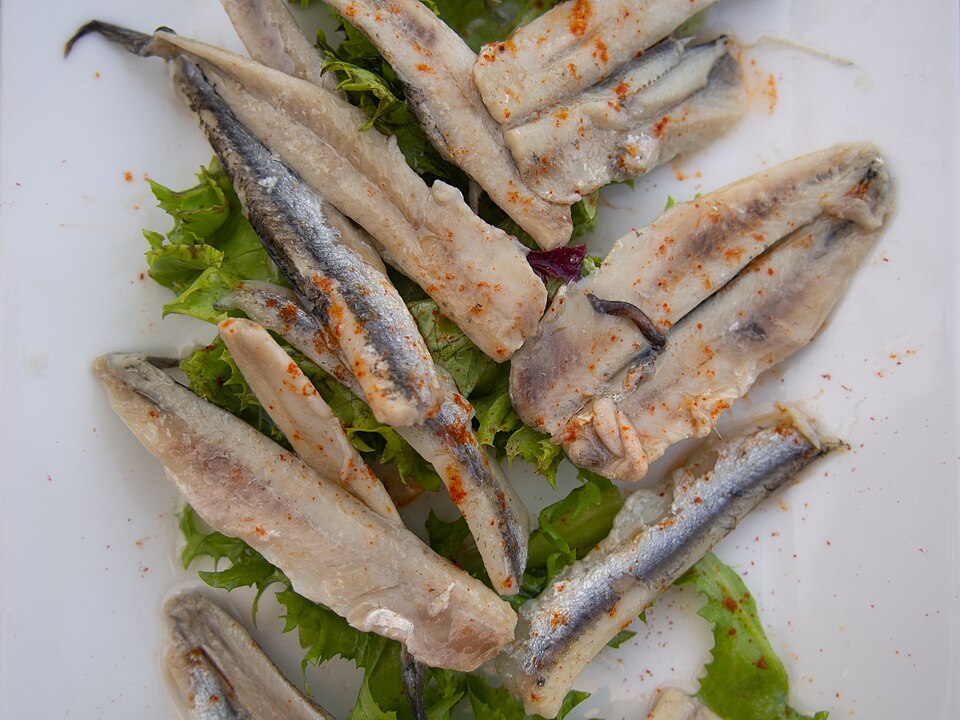
Gavros marinatos is fresh anchovy fillets briefly cured in vinegar until the flesh turns opaque, then dressed in olive oil, garlic and parsley. No heat is involved at all, the vinegar does the work of firming and effectively cooking the delicate fish, in the same family of technique as ceviche. The anchovies are frozen first, because vinegar firms the flesh but does not make raw fish safe.
Gavros Marinatos
- Prep
- 30m
- Cook
- None
- Total
- 30m
- Serves
- 6
- Level
- Intermediate
Ingredients
Ingredients
Tick ingredients off as you go. Quantities rescale with the buttons above.
Method
- 01Freeze the anchovies first: vinegar does not kill the parasites raw fish can carry. Hold them at -20C (-4F) or colder for at least 7 days, then thaw overnight in the fridge. Skip this only if the fishmonger confirms they have already been frozen for eating raw.Freeze the fish before you cure it.Yiayia
- 02Scale, gut and fillet the anchovies by hand, running a thumb down the belly to open each fish and lifting out the spine. Rinse briefly and pat dry.
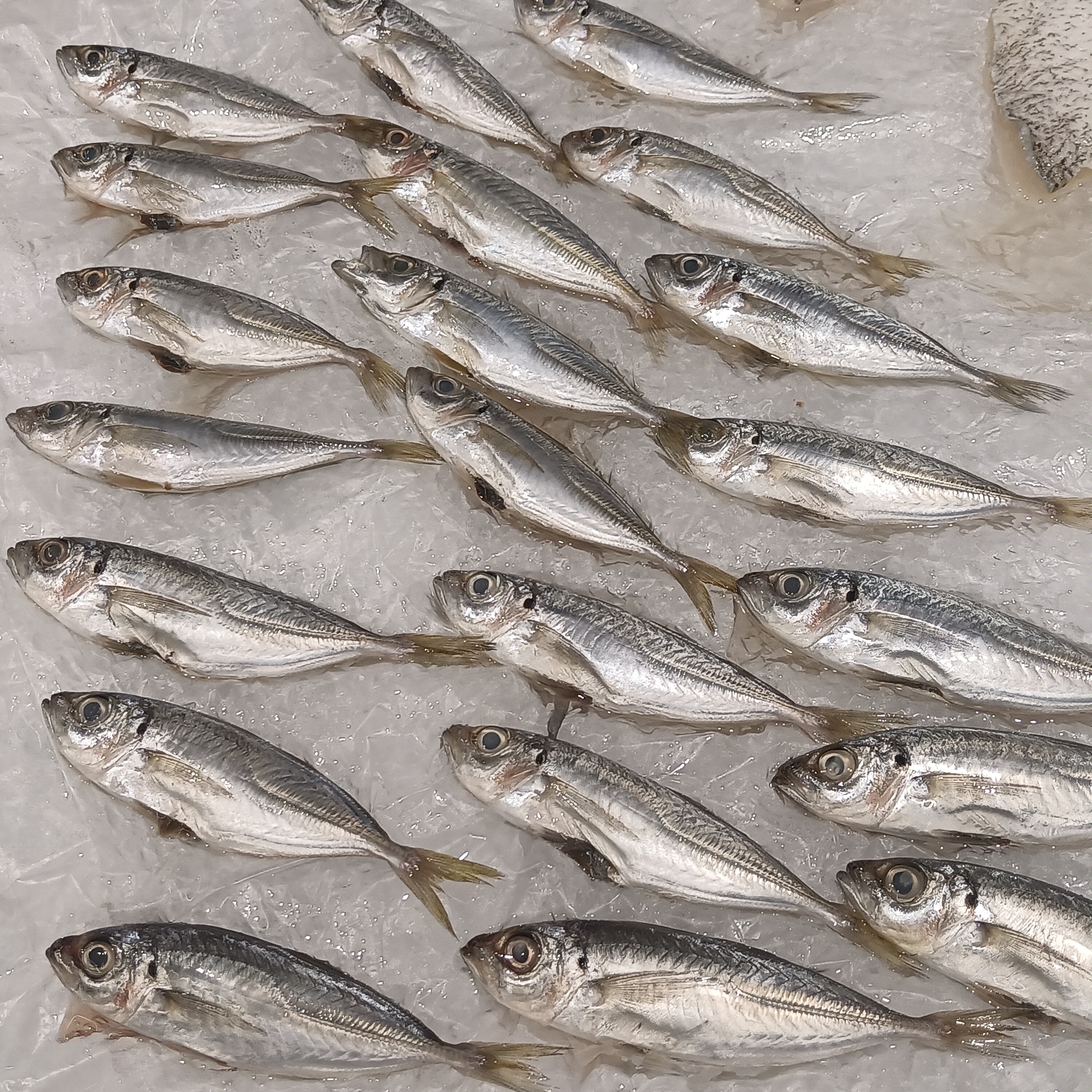
Anchovy - 03Lay the fillets flat in a single layer in a shallow dish and cover completely with the vinegar.
- 04Leave for 20 to 30 minutes, checking periodically, until the flesh has turned fully opaque white.
- 05Drain the fillets thoroughly, discarding the vinegar.
- 06Arrange the cured fillets on a serving dish and dress with the olive oil, chopped garlic and parsley. Season with salt and pepper.
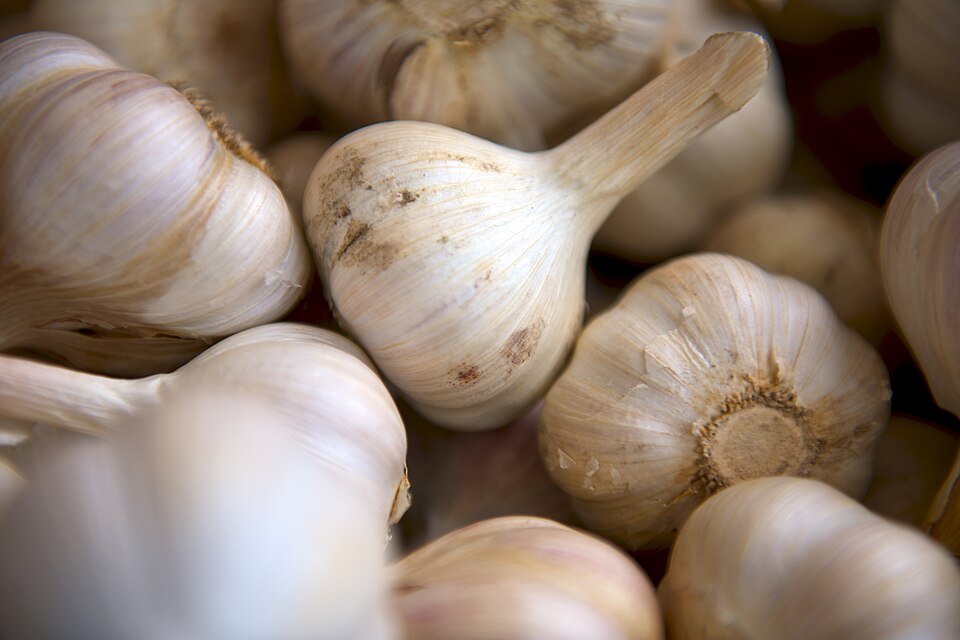
Garlic - 07Chill for at least 20 minutes before serving.
Nutrition, per 1 portion
- Calories
- 218
- Protein
- 18 g
- Carbs
- 1 g
- Fat
- 16 g
- Sat fat
- 2 g
- Fibre
- 0 g
These figures are calculated estimates based on the ingredients listed, not laboratory analysis. Actual values vary with brands, cuts and portion size.
Gavros marinatos belongs to the same family of technique as ceviche and various other vinegar or citrus-cured raw fish dishes found across the Mediterranean, using acid rather than heat to firm and effectively cook a genuinely delicate fish. Fresh anchovies, filleted by hand, cure in vinegar until the translucent raw flesh turns opaque white, then get dressed simply in good olive oil, garlic and parsley.
This dish depends entirely on the anchovies being properly fresh, a fish that has been sitting for days will not cure cleanly and can carry an unpleasant, overly fishy flavour rather than the clean, bright taste fresh gavros should have. Buy them fresh, then freeze them before curing, because vinegar does not make raw fish safe.
It is one of the classic small plates alongside ouzo or a cold glass of white wine, sharp, clean and a little different from the more familiar fried or grilled preparations most people associate with small oily fish.
Key preparation steps
- Freeze the anchovies for a week, thaw, then fillet by hand.
- Cure in vinegar until the flesh turns opaque.
- Drain and dress in olive oil, garlic and parsley.
- Chill briefly before serving.
Filleting the anchovies
Start with anchovies that have been frozen at -20C (-4F) or colder for at least 7 days and thawed in the fridge, since the vinegar cure does not kill parasites. They need to be scaled, if they have any, gutted, and filleted by hand, which is a fiddly but genuinely quick task once you get the motion: run a thumb down the belly to open the fish, lift out the spine, and separate the two fillets. Rinse briefly and pat dry.
The vinegar cure
Lay the fillets flat in a single layer in a shallow dish and cover completely with white wine vinegar, or a mix of vinegar and water for a slightly gentler cure. Leave for twenty to thirty minutes, checking periodically, until the flesh has turned from translucent pink-grey to a firm, opaque white throughout, which is the visual sign the acid has done its work.
Do not leave them in the vinegar much beyond this point, since over-curing can make the texture unpleasantly firm and give an overly sharp, purely vinegary flavour rather than a balanced one.
Dressing and serving
Drain the cured fillets thoroughly, discarding the vinegar, and arrange in a dish. Dress generously with good olive oil, a scattering of finely chopped garlic and parsley, and a little black pepper. Chill for at least twenty minutes before serving, which lets the dressing settle into the fish properly.
What matters in this dish
Freeze the fish before you cure it
Vinegar firms raw anchovies but it does not kill parasites. Seven days at -20C (-4F) or colder does. Thaw them in the fridge before you fillet and cure them.
Use only genuinely fresh anchovies
This dish has nowhere to hide a fish that is past its best, since there is no cooking to mask any staleness.
Watch the cure closely
The flesh should turn fully opaque, but leaving it in the vinegar too long past that point gives an unpleasantly firm texture and an overly sharp flavour.
Chill before serving
This lets the olive oil and garlic dressing settle into the cured fish properly rather than sitting on the surface.
Questions people ask about Gavros marinatos
Is gavros marinatos safe to eat without cooking?
Only if the fish has been frozen first. Vinegar firms the flesh and turns it opaque, but it does not kill the parasites that raw anchovies can carry. US food safety guidance is to freeze fish that will be eaten raw at -20C (-4F) or colder for 7 days, and EU rules require at least 24 hours at that temperature right through the fish. Many home freezers do not get that cold, so check yours and use the longer time.
Can you use sardines instead of anchovies?
Small, fresh sardines can work with the same method, though anchovies are the more traditional and classic choice for this specific dish.
How long does gavros marinatos keep?
It is best eaten within a day or two, kept refrigerated, since the delicate cured fish does not hold as well as a cooked dish would.