Greek Breads and Pies · Cyprus · Baked · Easter
Cypriot Easter Cheese Pastries (Flaounes)
Φλαούνες flah-OO-nes · Flaounes
In short
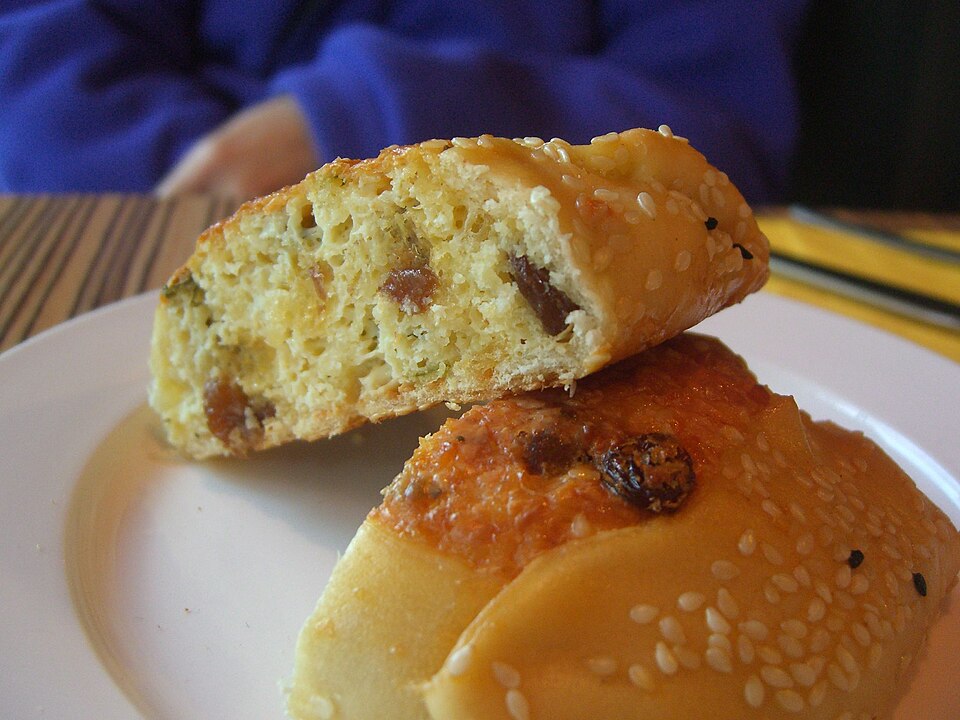
Flaounes are Cypriot Easter pastries made from a spiced yeasted dough folded around a filling of grated hard cheese, eggs, mint and raisins, brushed with egg and topped with sesame seeds before baking. They are made once a year in large batches ahead of Easter.
Cypriot Easter Cheese Pastries
- Prep
- 1h 30m
- Cook
- 35m
- Total
- 2h 5m
- Serves
- 16
- Level
- Advanced
Ingredients
For the filling
For the dough
Tick ingredients off as you go. Quantities rescale with the buttons above.
Method
- 01The day before, make the filling. Mix the grated cheeses, eggs, semolina, dried mint, raisins and a good grinding of black pepper in a bowl until well combined. Cover and refrigerate overnight.Make the filling a day ahead.Yiayia
- 02The next day, make the dough. Mix the flour, yeast, sugar, mahlepi, mastic and salt in a large bowl.
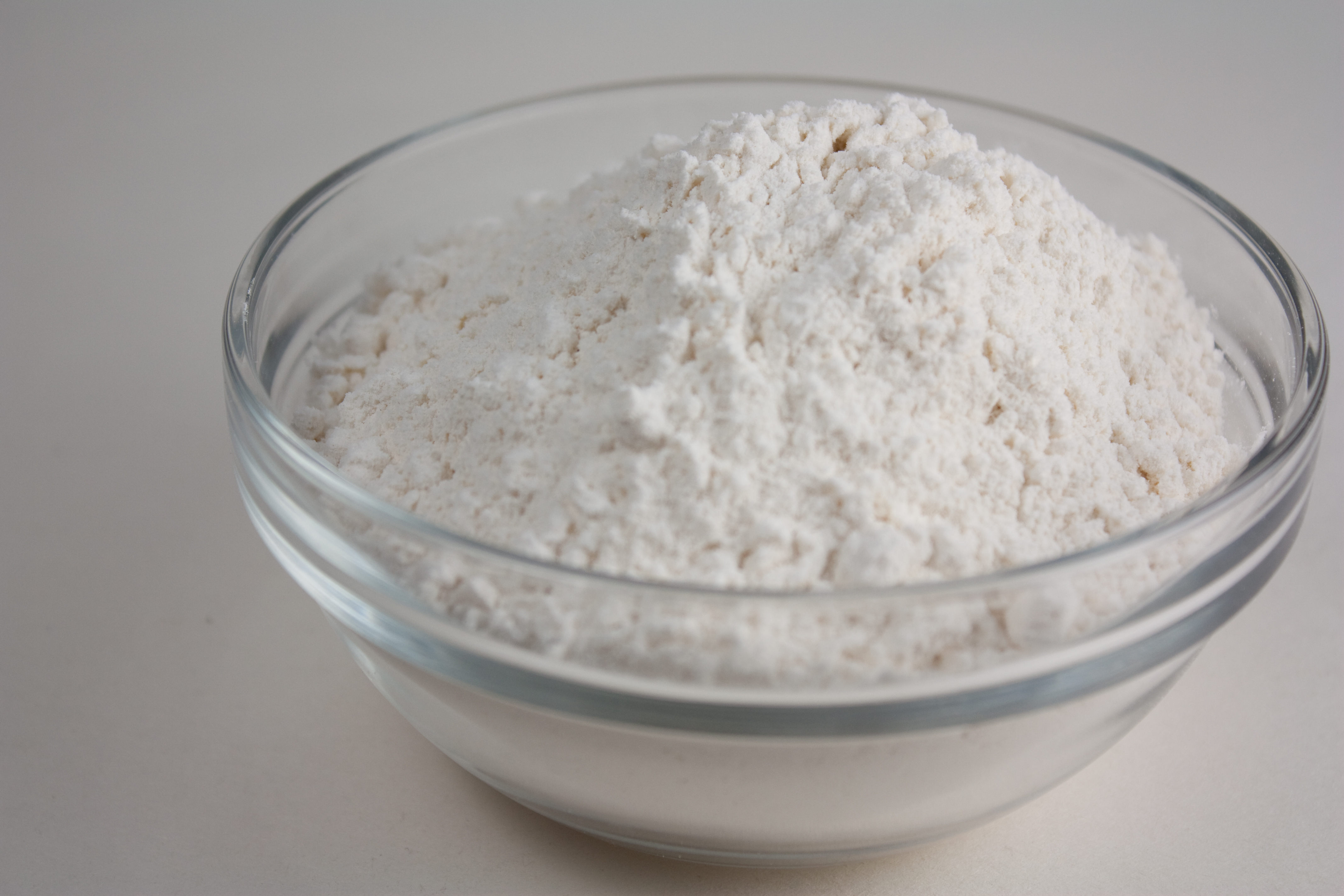
Flour - 03Warm the milk gently, then add it to the dry ingredients with the 2 eggs and the melted butter. Mix and knead for 8 to 10 minutes, by hand or machine, until smooth and elastic. It should be soft and slightly tacky.
- 04Cover and leave to rise in a warm place for about 1 hour 30 minutes, until doubled in size.
- 05Knock back the dough and divide into 16 pieces. Roll each into a round about 14 cm across.
- 06Take the cheese filling out of the fridge and give it a stir. Place a generous heaped tablespoon in the centre of each round.
- 07Fold three sides of the dough up and in towards the centre, leaving the filling visible in the middle, and pinch the three corners together firmly to hold the shape.
- 08Place the shaped flaounes on lined baking trays, spaced apart, and leave to rise again for 25 to 30 minutes.
- 09Heat the oven to 180C fan 160C. Brush the pastry, not the filling, with the beaten egg, and scatter sesame seeds generously over the egg wash.
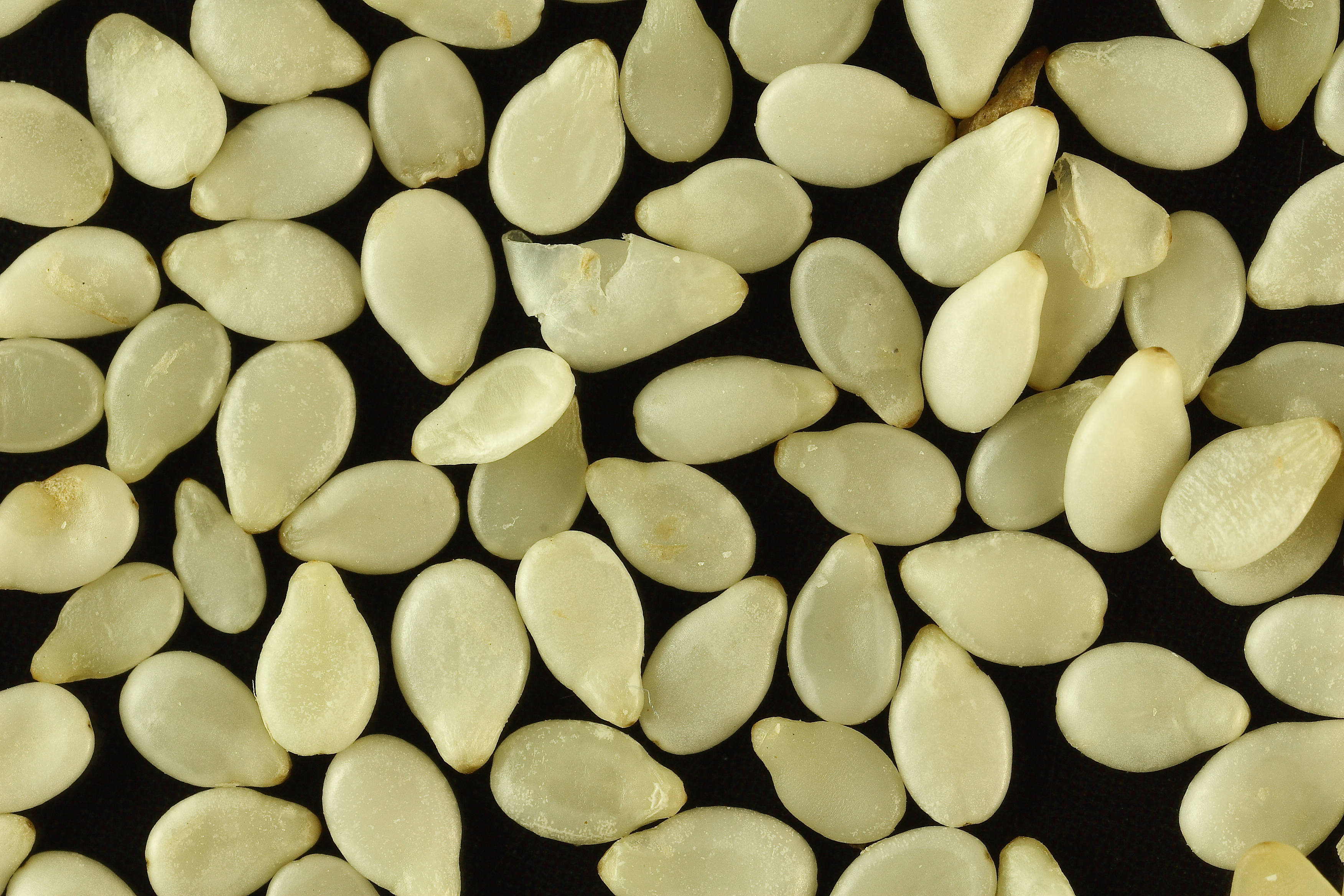
Sesame Seeds - 10Bake for 30 to 35 minutes until deep golden brown all over.
- 11Cool on a wire rack. Serve at room temperature or gently warmed.
Nutrition, per 1 flaouna
- Calories
- 312
- Protein
- 13 g
- Carbs
- 34 g
- Fat
- 14 g
- Sat fat
- 7 g
- Fibre
- 1 g
These figures are calculated estimates based on the ingredients listed, not laboratory analysis. Actual values vary with brands, cuts and portion size.
Flaounes are made once a year, in the days before Easter, and Cypriot households tend to make an enormous batch at once because the whole extended family will want some. They are not a quiet everyday bake, they are an event, with the mixing, resting and shaping stretched over the best part of a day.
The filling is the distinctive part: a mixture of several hard and semi-hard cheeses, grated, bound with egg, and seasoned with dried mint and often raisins, giving something closer to a savoury cake filling than the smooth ricotta of a Greek tiropita. The dough itself is enriched and spiced with mahlepi and mastic, the same aromatics used across Greek and Cypriot festive baking.
This is a genuine project, not a quick bake, and the difficulty reflects that honestly. Read the whole method before starting, since the dough needs two separate rests and the cheese filling benefits from being made the day before.
Key preparation steps
- Make the cheese filling a day ahead so the flavours settle.
- Prove an enriched, spiced yeasted dough in two stages.
- Fill and fold into the traditional open triangle shape.
- Brush with egg, top with sesame, and bake until deep gold.
The cheese filling
Traditional flaounes use a mix of hard, salty cheeses, often a combination of a mature kefalotyri-style cheese and a softer local one, grated together. Outside Cyprus, a mix of well-aged kefalotyri or pecorino with halloumi, both grated, gives a reasonable approximation, since good Cypriot flaouna cheese is not widely exported.
The cheese is bound with beaten egg and semolina or flour, which firms it as it bakes, and seasoned with dried mint, always mint rather than any other herb here, and often raisins for a note of sweetness against the salt. Some families add crushed mastic to the filling itself as well as the dough.
Make the filling the day before if you can. It firms up in the fridge overnight, which makes it far easier to handle when it comes to filling the pastries.
The dough, and why it needs two rests
The dough is enriched with milk, eggs and a little oil or butter, and flavoured with ground mahlepi and mastic, the aromatic touches that mark it out as festive rather than everyday bread. It is closer in spirit to tsoureki than to a plain pastry dough.
It rises twice: once in bulk after mixing, and again briefly after shaping, before it goes into the oven. Skipping the second rest gives a denser, less open crumb, which is a smaller sin than skipping the first but still worth avoiding.
Keep the dough slightly soft and slightly sticky rather than fighting in extra flour to make it easier to handle. A softer dough gives a better texture once baked.
Shaping the traditional triangle
Roll each portion of dough into a round, place a generous mound of filling in the centre, then fold three sides up and in to partially enclose it, pinching the corners together so you are left with an open triangle showing the filling in the middle. This open shape, rather than a fully sealed parcel, is the traditional and recognisable form of a flaouna.
Brush the visible pastry, not the filling, with beaten egg, and scatter sesame seeds over the egg wash before it dries. The seeds are there for both flavour and the crackling texture they add to the crust.
Storing and serving
Flaounes are eaten throughout Easter week and travel well, which is exactly why households make so many at once. They keep at room temperature in a sealed container for three to four days and freeze very well once baked and fully cooled.
Reheat frozen flaounes gently in a moderate oven rather than a microwave to bring back some crispness to the crust. They are eaten at room temperature or gently warmed, never piping hot.
What matters in this dish
Make the filling a day ahead
It firms up overnight in the fridge, which makes shaping far easier and lets the mint and cheese flavours settle together.
Keep the dough soft
Resist adding extra flour to make it less sticky. A softer dough bakes to a better crumb.
Freeze the finished bake, not the dough
Flaounes freeze very well once baked and cooled. Reheat gently in the oven rather than the microwave.
Questions people ask about Flaounes
What cheese is traditionally used in flaounes?
A blend of hard and semi-hard Cypriot cheeses specific to the island. Outside Cyprus, a mix of mature kefalotyri or pecorino with halloumi, both grated, is a reasonable approximation.
Why are flaounes shaped as an open triangle?
It is the traditional and recognisable form: three sides of the dough are folded up and pinched at the corners, leaving the cheese filling visible in the centre, rather than fully enclosing it.
When are flaounes eaten?
Specifically around Easter in Cyprus, usually made in a large batch in the final days of Holy Week and eaten through Easter week itself.
Can you freeze flaounes?
Yes, very well, once baked and completely cooled. Reheat gently in a moderate oven rather than a microwave to bring some crispness back to the crust.