Greek Breads and Pies · The Mainland · Baked · Easter
Tsoureki Recipe (Greek Easter Sweet Bread)
Τσουρέκι tsoo-REH-kee · Tsoureki
In short
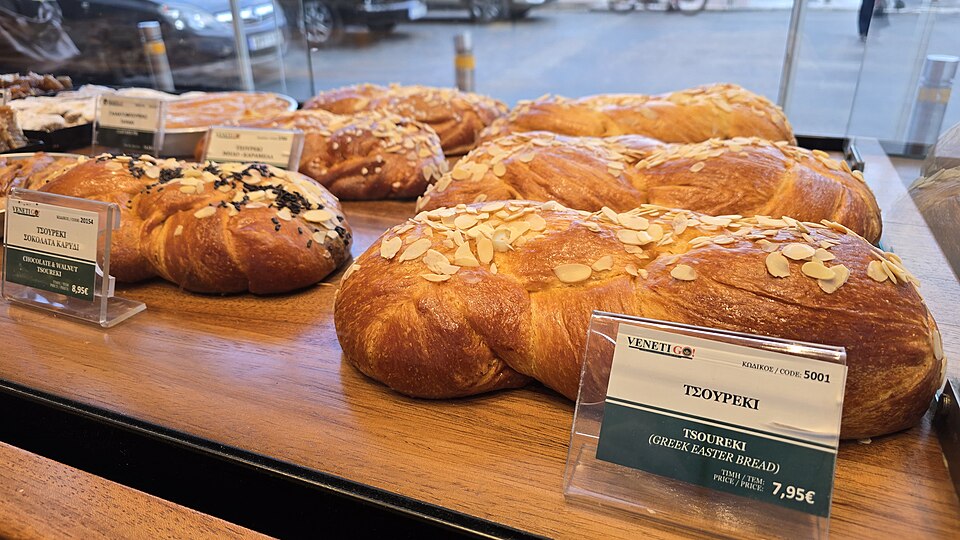
Tsoureki is a Greek Easter sweet bread, enriched with egg and butter and flavoured with mahlepi and mastic, braided into three strands, brushed with egg wash, and often baked with a dyed red egg tucked into the braid. Its texture is famously stretchy and feathery rather than dense like a standard brioche.
Tsoureki
- Prep
- 1h
- Cook
- 30m
- Total
- 1h 30m
- Serves
- 12
- Level
- Advanced
Ingredients
For the dough
To finish
Tick ingredients off as you go. Quantities rescale with the buttons above.
Method
- 01Mix the flour, yeast, sugar, salt, mahlepi and mastic together in a large bowl or stand mixer.
- 02Warm the milk gently, then add it to the dry ingredients along with the eggs, melted butter and orange zest.
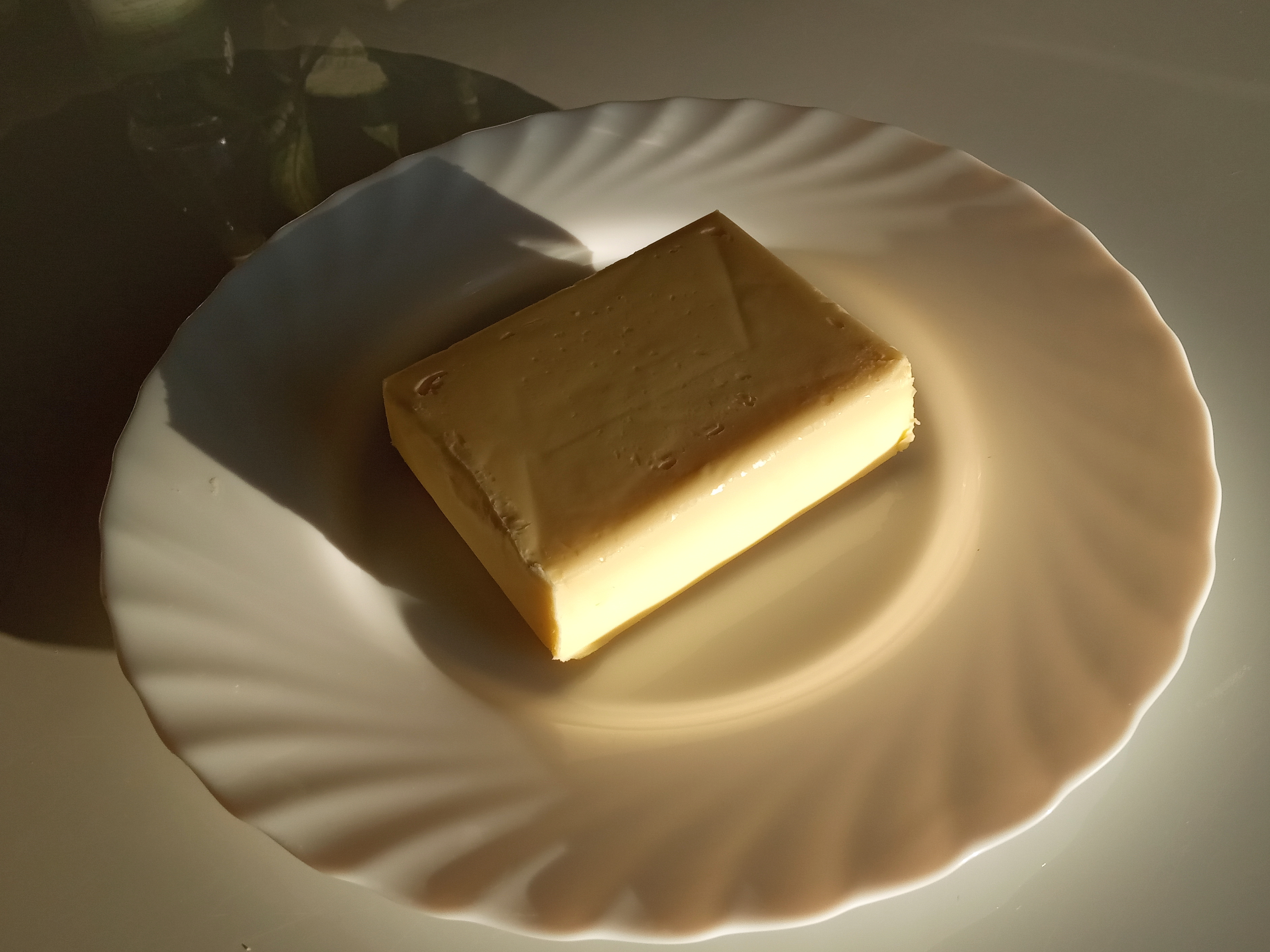
Butter - 03Knead for 10 to 15 minutes, by hand or in a stand mixer with a dough hook, until smooth, elastic and glossy.
- 04Cover and leave to rise in a warm place for 2 hours, or until genuinely doubled in size. Alternatively, prove overnight in the fridge.Let the first rise go long.Yiayia
- 05Knock back the dough and divide into 3 equal pieces. Roll each into a long rope about 40 cm.
- 06Braid the three ropes together, tucking the ends underneath at both sides to secure.
- 07Transfer to a lined baking tray. If using, nestle the dyed red egg into one of the folds of the braid.
- 08Cover loosely and leave to prove again for 45 minutes to 1 hour, until visibly puffy.
- 09Heat the oven to 170C fan 150C. Brush the braid all over with the beaten egg and scatter with flaked almonds or sesame seeds.
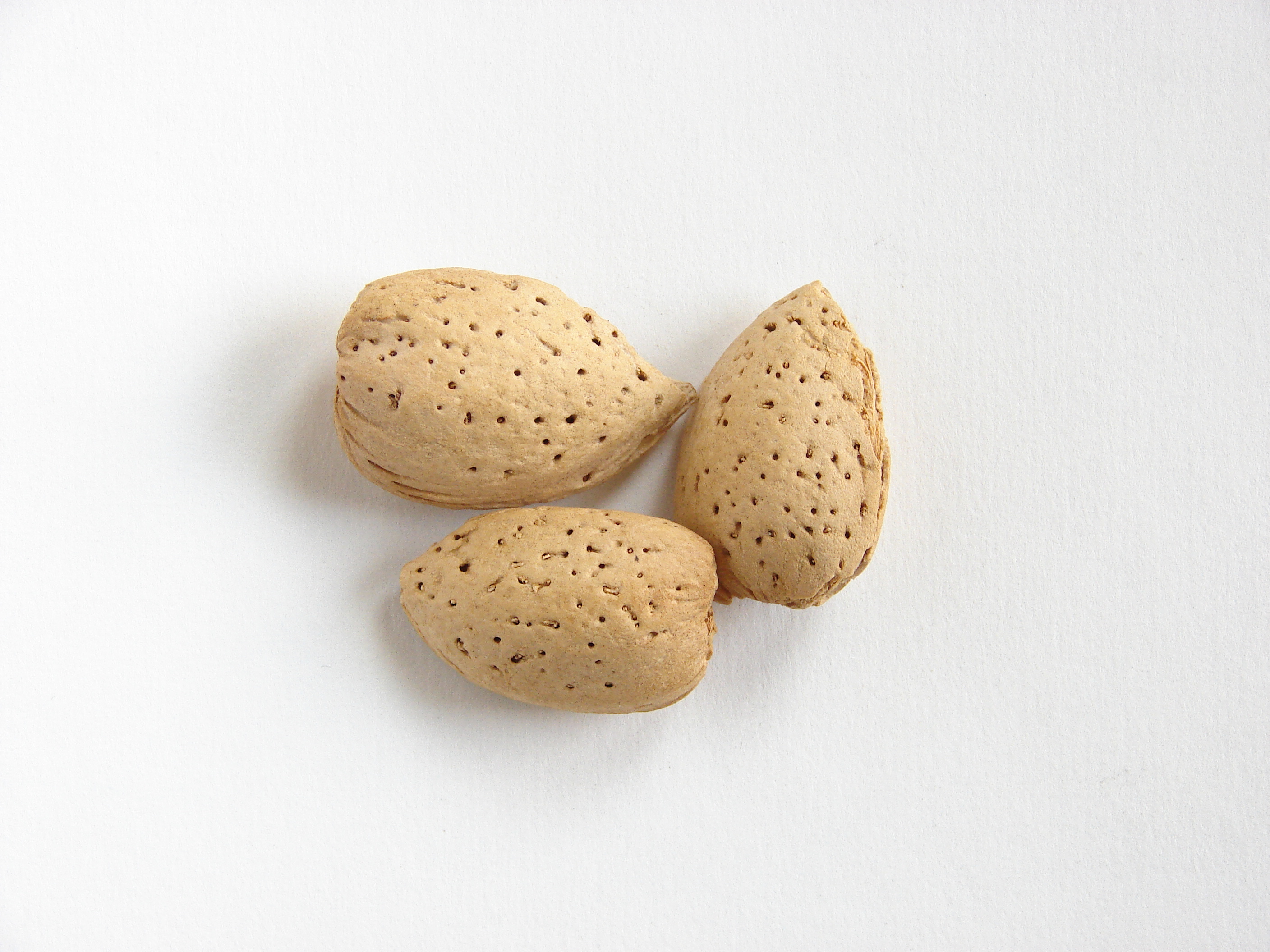
Almonds - 10Bake for 28 to 35 minutes, until deeply golden, tenting loosely with foil after 20 minutes if it is browning too quickly.
- 11Cool completely on a wire rack before slicing.
Nutrition, per 1 slice
- Calories
- 312
- Protein
- 8 g
- Carbs
- 48 g
- Fat
- 10 g
- Sat fat
- 5 g
- Fibre
- 1 g
These figures are calculated estimates based on the ingredients listed, not laboratory analysis. Actual values vary with brands, cuts and portion size.
Tsoureki is the bread that appears on essentially every Greek table at Easter, recognisable at a glance by its glossy, braided top, often with a single dyed red egg nestled into one of the folds, and recognisable in the mouth by a texture unlike almost any other enriched bread: pull a piece apart and it comes away in long, feathery strands rather than a dense, uniform crumb.
That stretchy texture is not an accident of a standard brioche recipe, it comes specifically from mahlepi, ground cherry pit kernels, and mastic, a resin from a specific Chios tree, both worked into the dough alongside a longer, more careful kneading than most sweet breads get. These two aromatics are what make tsoureki instantly recognisable and impossible to fake with a plain enriched dough.
This is a real project bread, generally started the day before with its long, slow first rise, and it rewards patience at every stage rather than rushing any single step.
Key preparation steps
- Grind mahlepi and mastic and work them into an enriched, buttery dough.
- Knead thoroughly and prove until genuinely doubled.
- Divide into three ropes and braid, tucking in a dyed red egg if using.
- Prove again, brush with egg wash, and bake until deeply golden.
Mahlepi and mastic, the two aromatics that define tsoureki
Mahlepi is the ground kernel from inside cherry stones, with a flavour somewhere between almond and cherry blossom, faintly bitter if overdosed. Mastic is a resin harvested specifically from mastic trees grown on the Greek island of Chios, giving a unique, slightly piney, chewy quality that is genuinely found nowhere else in cooking.
Both are sold at Greek delis, usually as whole mastic tears that need crushing with a little sugar to stop them clumping, and mahlepi either whole or pre-ground. Use both if you can find them, since together they are what give tsoureki its signature aroma and, alongside the kneading technique, its stretchy texture.
Why the kneading and rising matter more than usual
Tsoureki's dough is enriched with a large quantity of egg, butter and sugar, and it needs a longer, more thorough knead than most bread doughs, ten to fifteen minutes by hand or in a stand mixer, to properly develop the gluten that gives the finished loaf its pull-apart, stringy texture.
The first rise should be genuinely long, at least two hours or until properly doubled, and should not be rushed by a warm spot that is too hot, which can kill the yeast or give an uneven crumb. An overnight rise in the fridge is a common and reliable approach that also improves the flavour.
Braiding and the red egg
Divide the risen dough into three equal ropes and braid them the way you would braid hair, tucking the ends underneath at both ends to stop the braid unravelling as it proves and bakes. A single hard-boiled egg, dyed red using the traditional Greek Easter method, is often nestled into one of the folds of the braid before the final rise, symbolising the blood of Christ and the renewal of Easter.
Brush generously with beaten egg before baking, and a scatter of flaked almonds or sesame seeds over the top is a common finishing touch. Bake until deeply golden, tenting with foil partway through if the top is browning faster than the inside is cooking.
What matters in this dish
Do not skimp on the kneading time
Ten to fifteen minutes of proper kneading is what develops the gluten structure behind tsoureki's characteristic pull-apart, stringy crumb.
Let the first rise go long
A genuinely doubled dough, even if it takes over two hours, gives a far better texture than one rushed in a too-warm spot.
Tuck the braid ends underneath
This is what stops the loaf unravelling as it proves a second time and expands further in the oven.
Questions people ask about Tsoureki
Why does tsoureki have a stringy, feathery texture?
It comes from a combination of the mahlepi and mastic in the dough and a longer, more thorough kneading than most enriched breads get, which together develop a gluten structure that pulls apart in long strands rather than a dense, uniform crumb.
What is the red egg in tsoureki for?
It is a hard-boiled egg dyed red using the traditional Greek Easter method, tucked into the braid before baking, symbolising the blood of Christ and the renewal of Easter.
Can you make tsoureki without mahlepi or mastic?
You can, and it will still taste good as an enriched sweet bread, but it will not have tsoureki's genuinely distinctive aroma, and many would argue it is a different bread entirely without them.
How long does tsoureki keep?
Three to four days at room temperature wrapped well, and it also freezes very well, sliced, for up to two months.