Greek Side Dishes · Asia Minor · One-Pan · The Sunday Table
Anatolian-Style Bulgur Pilaf (Bulgur Pilafi)
Πιλάφι με πλιγούρι pee-LAH-fee meh plee-GOO-ree · Pilafi me pligouri
In short
Bulgur pilafi is bulgur wheat cooked pilaf-style, toasted briefly in oil then simmered in a tomato-flecked stock until tender and fluffy. A genuine Anatolian and Asia Minor staple, it entered Greek cooking specifically through refugee communities who resettled after 1922, and remains simpler and more rustic than rice pilaf.
Anatolian-Style Bulgur Pilaf
- Prep
- 10m
- Cook
- 20m
- Total
- 30m
- Serves
- 4
- Level
- Beginner
Ingredients
Ingredients
Tick ingredients off as you go. Quantities rescale with the buttons above.
Method
- 01Heat the olive oil in a pot. Cook the onion for 6 minutes, until soft.
- 02Add the bulgur and toast, stirring constantly, for 1 to 2 minutes.
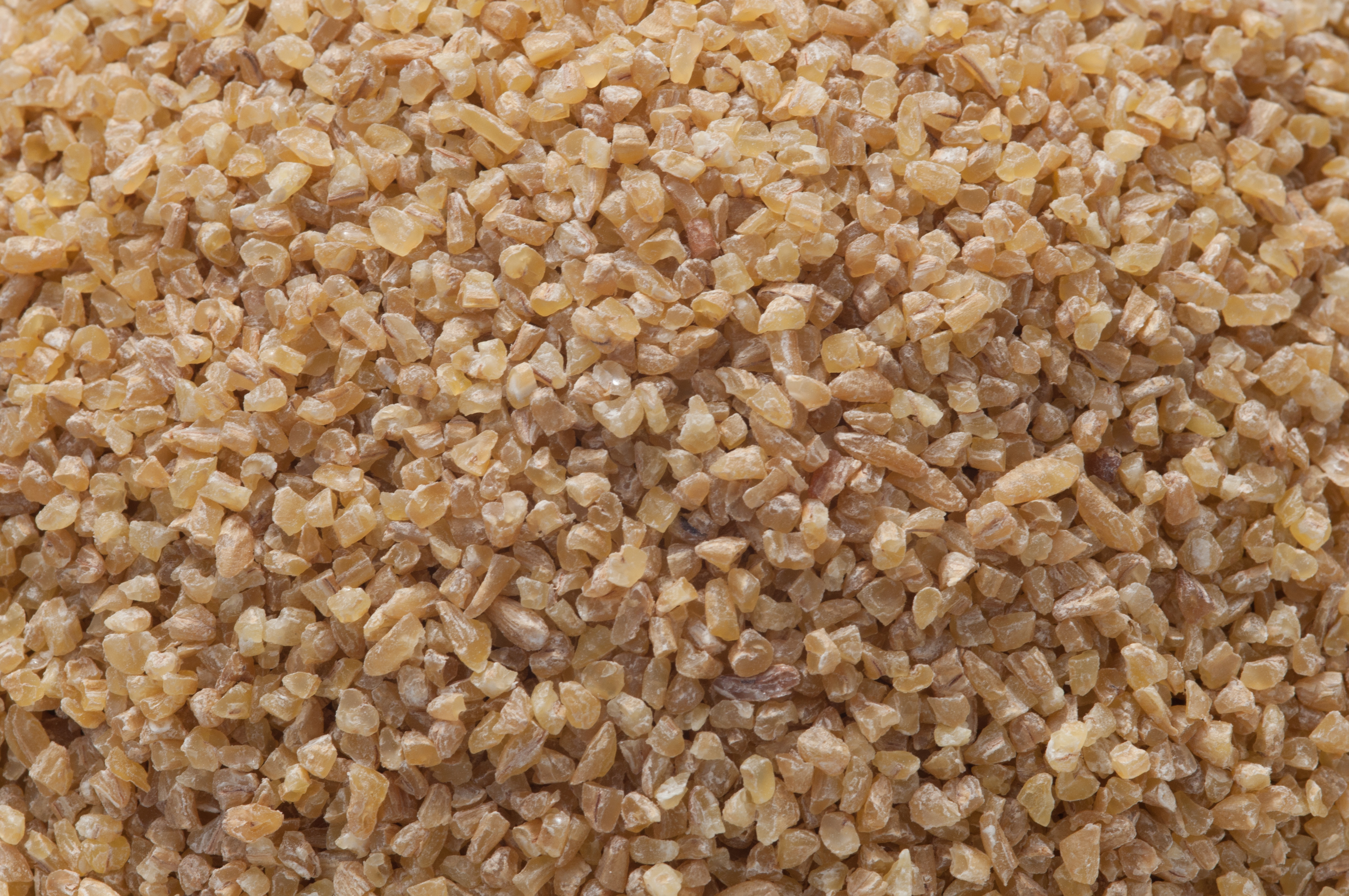
Bulgur Toast the bulgur before adding liquid.Yiayia - 03Stir in the tomato paste or grated tomato, then add the hot water or stock. Season and bring to a simmer.
- 04Cover and cook on very low heat for 12 to 15 minutes, until the liquid is fully absorbed.
- 05Take off the heat and let rest, covered, for 5 to 10 minutes.
- 06Fluff with a fork before serving.
Nutrition, per 1 portion
- Calories
- 268
- Protein
- 6 g
- Carbs
- 44 g
- Fat
- 9 g
- Sat fat
- 1 g
- Fibre
- 8 g
These figures are calculated estimates based on the ingredients listed, not laboratory analysis. Actual values vary with brands, cuts and portion size.
Bulgur, cracked and parboiled wheat, was a genuine staple across Anatolia and Asia Minor long before it became familiar more widely, and it entered Greek cooking specifically through the refugee communities who resettled in Greece after the population exchanges of 1922, bringing their pilaf traditions with them. Cypriot cooking also leans on bulgur heavily, as seen in dishes like afelia's traditional accompaniment.
The technique is close cousin to a rice pilaf, toasting the grain briefly in oil before adding liquid, but bulgur cooks considerably faster than rice and has a coarser, nuttier bite that rice never quite achieves.
This is genuinely practical, fast side-dish cooking, ready in well under thirty minutes, and it makes a good, sturdy base for grilled meats, particularly the cumin-forward dishes with Asia Minor roots found elsewhere on this site.
Key preparation steps
- Toast bulgur briefly in olive oil.
- Add tomato and stock.
- Simmer until the liquid is absorbed.
- Rest covered before fluffing and serving.
Toasting the bulgur
Cook chopped onion in olive oil until soft, then add the bulgur and toast it in the oil for a minute or two, stirring constantly, which coats each grain and deepens its flavour before any liquid goes in, exactly the same principle behind a good rice pilaf.
Adding tomato and liquid
Stir in a little tomato paste or grated fresh tomato, then add hot stock or water in a ratio of roughly one and a half parts liquid to one part bulgur, which is less liquid than rice needs, since bulgur has already been parboiled during processing and absorbs liquid faster.
Simmering and resting
Bring to a simmer, cover, and cook on very low heat for twelve to fifteen minutes, until the liquid is fully absorbed. Take off the heat and let it rest, still covered, for five to ten minutes before fluffing with a fork, which lets the grains firm up and separate properly rather than turning mushy if fluffed too soon.
What matters in this dish
Toast the bulgur before adding liquid
This deepens its flavour, the same principle behind any good pilaf, rice or otherwise.
Use less liquid than you would for rice
Bulgur has already been parboiled during processing and absorbs liquid faster, so it needs proportionally less.
Let it rest before fluffing
Fluffing too soon, while the grains are still very hot and wet, can turn the pilaf mushy rather than light and separate.
Questions people ask about Pilafi me pligouri
How is bulgur pilaf different from rice pilaf?
Bulgur has already been parboiled during processing, so it cooks faster and needs less liquid than rice. It also has a coarser, nuttier texture that rice does not have.
Where does bulgur pilaf come from?
It is a genuine Anatolian and Asia Minor staple, entering Greek cooking specifically through refugee communities who resettled after the 1922 population exchanges, and it remains a Cypriot staple as well.
What do you serve with bulgur pilaf?
Grilled meats, particularly cumin-spiced dishes like soutzoukakia or giaourtlou that share the same Asia Minor roots, pair especially well.