Greek Main Courses · Asia Minor · Baked · The Sunday Table
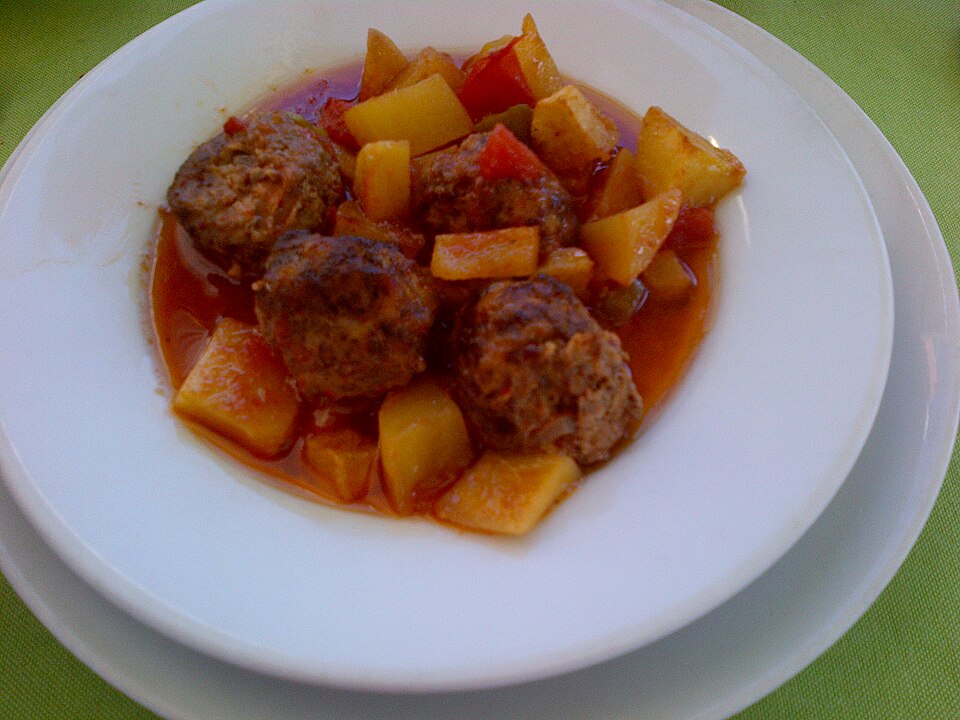
Smyrna-Style Cumin Meatballs in Tomato Sauce (Soutzoukakia)
Σουτζουκάκια soo-joo-KAH-kyah · Soutzoukakia
In short
Soutzoukakia are oval, cumin-scented meatballs, a dish brought to Greece by refugees from Smyrna and the wider Asia Minor coast after 1922, browned and then simmered in a rich tomato sauce until tender. They remain one of the most iconic dishes of that refugee culinary inheritance.
Smyrna-Style Cumin Meatballs in Tomato Sauce
- Prep
- 30m
- Cook
- 40m
- Total
- 1h 10m
- Serves
- 6
- Level
- Beginner
Ingredients
For the meatballs
For the sauce
Tick ingredients off as you go. Quantities rescale with the buttons above.
Method
- 01Mix the minced beef, soaked bread, crushed garlic, cumin and egg in a bowl. Season well and mix gently until just combined.
- 02Shape into oval, torpedo-like meatballs, about 8 cm long.
- 03Dust lightly in flour, shaking off the excess.
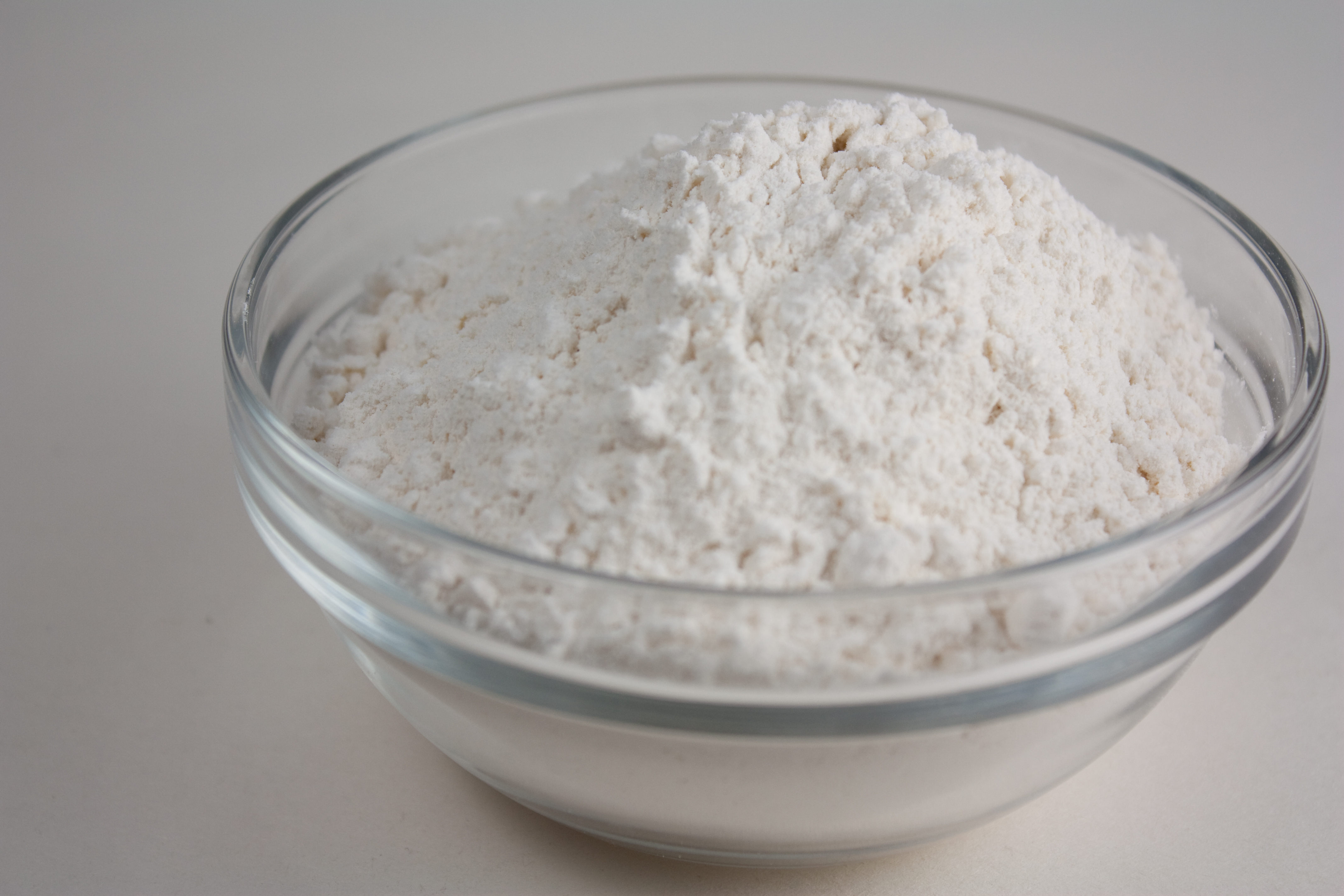
Flour - 04Heat the olive oil in a wide pan and brown the meatballs on all sides, working in batches, until well coloured but not cooked through. Set aside.
- 05In the same pan, add the garlic for the sauce and cook for 30 seconds, then add the tomatoes, tomato paste, bay leaf and hot water. Season and bring to a simmer.
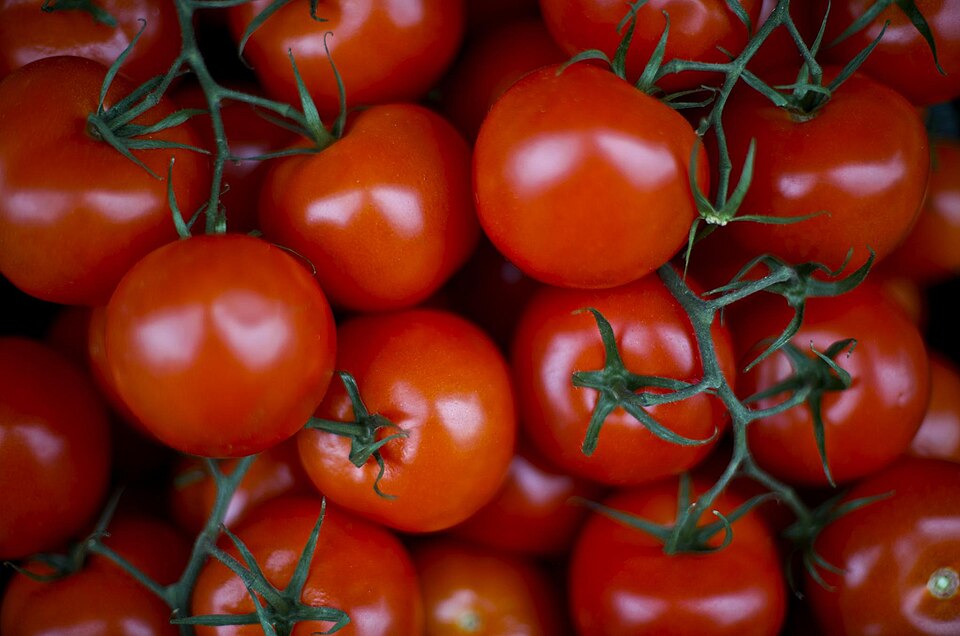
Tomato Brown, don't fully cook, before saucing.Yiayia - 06Return the meatballs to the pan, spooning sauce over them. Cover partially and simmer for 20 to 25 minutes, until the meatballs are fully cooked through and the sauce has thickened.
- 07Remove the bay leaf, check the seasoning, and serve over rice or with mashed or fried potatoes.
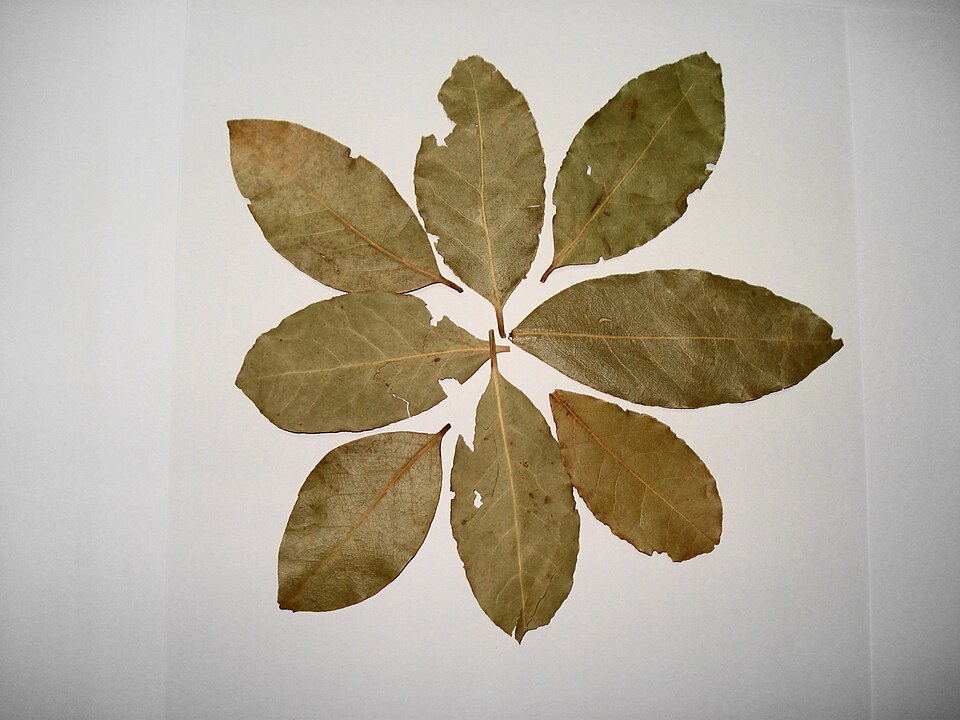
Bay Leaf
Nutrition, per 3 meatballs
- Calories
- 342
- Protein
- 24 g
- Carbs
- 14 g
- Fat
- 21 g
- Sat fat
- 7 g
- Fibre
- 2 g
These figures are calculated estimates based on the ingredients listed, not laboratory analysis. Actual values vary with brands, cuts and portion size.
Soutzoukakia are among the clearest and most beloved dishes to enter Greek cooking through the refugees who arrived from Smyrna and the wider Asia Minor coast following the population exchanges of 1922, and they are recognisable at a glance by their shape, distinctly oval rather than round, and by a seasoning built on cumin, which most mainland Greek meatballs, keftedes included, do not use.
The technique is straightforward: shape the seasoned mince into ovals, brown them well, then let them finish cooking gently in a tomato sauce rather than frying them through completely, which keeps the inside moist while still getting a good sear on the outside.
This is genuinely everyday comfort food across Greece now, entirely naturalised despite its specific refugee-era origin, usually served over rice or with mashed potato to soak up the tomato sauce.
Key preparation steps
- Mix minced meat with bread, garlic, cumin and red wine.
- Shape into ovals rather than round balls.
- Brown well, then finish cooking in a simmering tomato sauce.
- Serve over rice or with potatoes.
The cumin, and why it matters
Ground cumin, used generously alongside garlic and a splash of red wine, is what marks soutzoukakia apart from a standard Greek keftes, and it is not a detail to skip or reduce, since it is genuinely the flavour that defines the dish and ties it to its Asia Minor origin. A little ground cinnamon is sometimes added alongside the cumin for extra warmth.
A slice of bread soaked in the wine and squeezed out, worked into the mince, keeps the meatballs tender rather than dense, in the same way breadcrumbs do in many meatball traditions.
Shaping the ovals
Shape the mixture into distinctly oval, torpedo-like forms rather than round balls, which is both traditional and practical, since the shape browns evenly on more sides in a hot pan than a round ball would.
Dust lightly in flour before browning if you like a slightly thicker, more clinging sauce, since the flour helps thicken the tomato sauce as the meatballs finish cooking in it.
Browning and finishing in the sauce
Brown the meatballs hard in a little oil, just enough to develop real colour on the outside, without cooking them all the way through, then transfer to a simmering tomato sauce, built simply from tinned tomatoes, garlic and a bay leaf, to finish cooking gently for twenty to twenty-five minutes.
This two-stage approach, sear then simmer, keeps the inside of each meatball moist while still giving the outside proper colour and flavour, which frying alone all the way through would not achieve as well.
What matters in this dish
Do not skip the cumin
It is genuinely the flavour that defines soutzoukakia and separates it from a standard Greek keftes. Use a generous amount.
Shape them as ovals
This is both traditional and practical, browning more evenly across more surfaces than a round ball would.
Brown, don't fully cook, before saucing
A hard sear followed by a gentle simmer in the sauce keeps the inside moist while still developing good colour outside.
Questions people ask about Soutzoukakia
Where do soutzoukakia come from?
They are one of the clearest dishes brought to Greece by refugees from Smyrna and the wider Asia Minor coast after the population exchanges of 1922, and remain an iconic part of that culinary inheritance.
What is the difference between soutzoukakia and keftedes?
Shape and seasoning. Soutzoukakia are shaped as ovals and seasoned with cumin, cooked finished in tomato sauce. Keftedes are usually round, seasoned with mint or oregano, and typically fried rather than simmered in sauce.
What do you serve with soutzoukakia?
Plain rice or mashed potato are the classic accompaniments, both good at soaking up the rich tomato sauce.