Greek Drinks · Peloponnese · The Mainland · No-Cook · The Summer Table
Greek Fresh Orange Drink (Portokalada)
Πορτοκαλάδα por-toh-kah-LAH-thah · Portokalada
In short
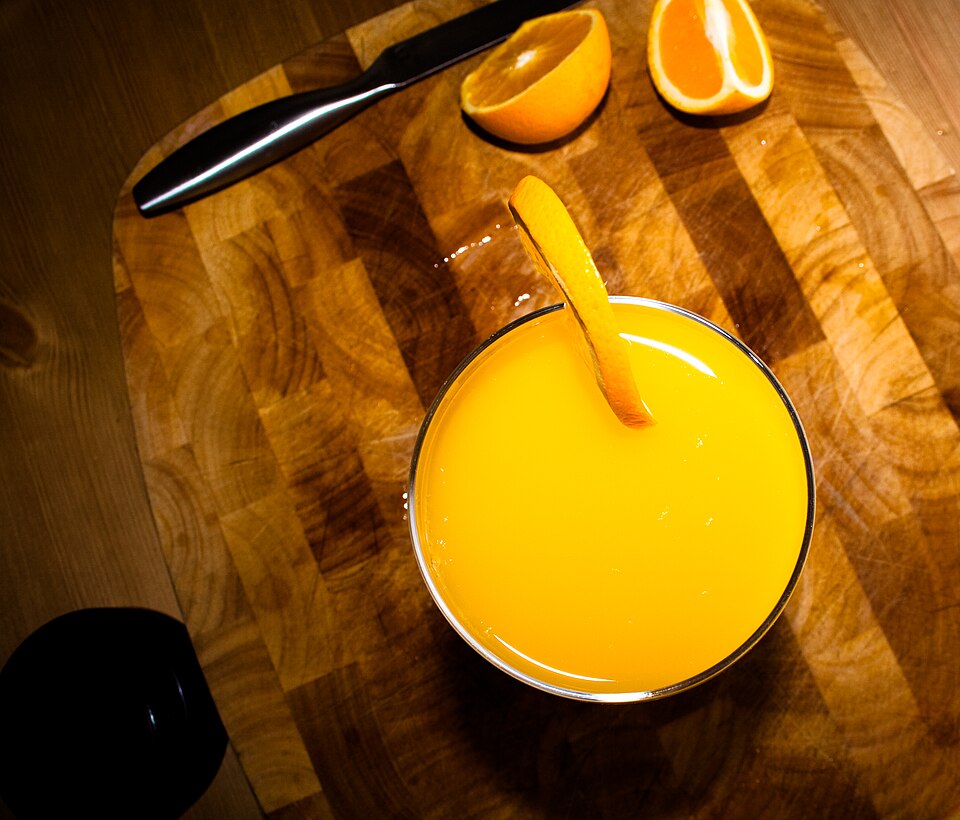
Portokalada is a simple Greek orangeade, fresh orange juice lightly sweetened and lengthened with cold water or soda water, served over ice. It is the straightforward, homemade non-alcoholic drink found on tables and in cafes across Greece whenever good oranges are in season.
Fresh Orange Drink
- Prep
- 10m
- Cook
- None
- Total
- 10m
- Serves
- 4
- Level
- Beginner
Ingredients
Ingredients
Tick ingredients off as you go. Quantities rescale with the buttons above.
Method
- 01Juice the oranges, straining out any pips.
- 02Taste the juice and, if needed, stir in the dissolved sugar or honey to taste.
Honey Taste before sweetening.Yiayia - 03Fill glasses with plenty of ice.
- 04Pour the orange juice over the ice, then top with cold water or soda water.
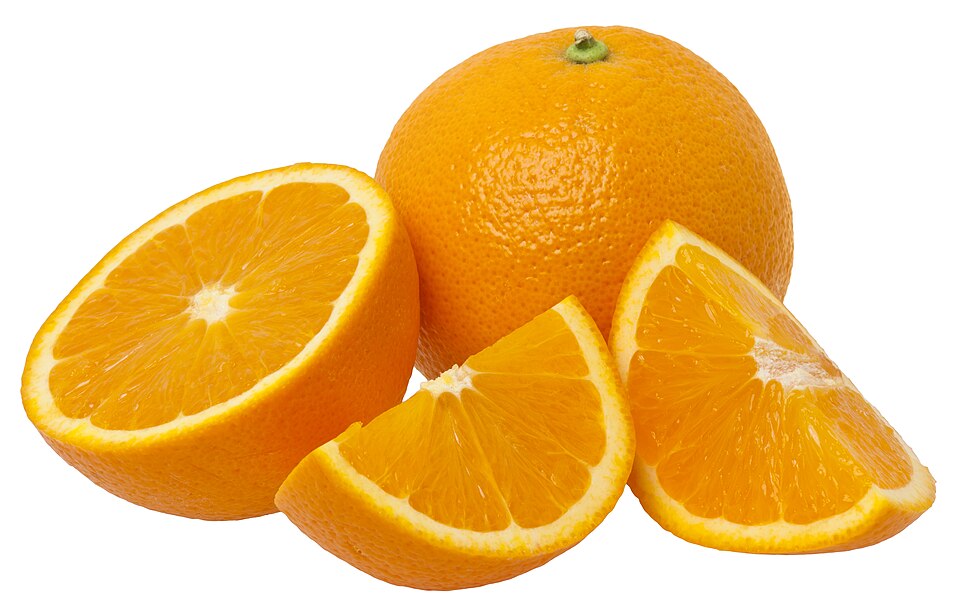
Orange - 05Stir briefly and serve immediately.
Nutrition, per 1 glass
- Calories
- 58
- Protein
- 1 g
- Carbs
- 14 g
- Fat
- 0 g
- Sat fat
- 0 g
- Fibre
- 0 g
These figures are calculated estimates based on the ingredients listed, not laboratory analysis. Actual values vary with brands, cuts and portion size.
The Peloponnese grows some of Greece's best oranges, and portokalada is the simplest possible way to make the most of really good fruit: squeeze it, sweeten lightly if the oranges need it, lengthen with cold water or soda, and serve over plenty of ice. There is no cooking, no reduction, no syrup, just fresh juice treated properly.
This depends entirely on genuinely good oranges, since there is nowhere at all to hide a bland or underripe one behind sugar or dilution, and the whole appeal collapses if the fruit itself is not properly sweet and fragrant to begin with.
It is exactly the kind of thing a Greek household makes without measuring, adjusting sweetness and dilution by taste each time depending on how naturally sweet that particular batch of oranges happens to be.
Key preparation steps
- Juice ripe, fragrant oranges.
- Taste and add a little sugar or honey only if needed.
- Top with cold water or soda water.
- Serve over plenty of ice.
Choosing the oranges
Ripe, fragrant, genuinely sweet oranges are the whole point of this drink, and good juicing varieties from the Peloponnese or Crete, where much of Greece's citrus is grown, give the best result. Taste a segment before juicing a whole batch, since sweetness varies significantly between oranges even within the same box.
Sweetening only if needed
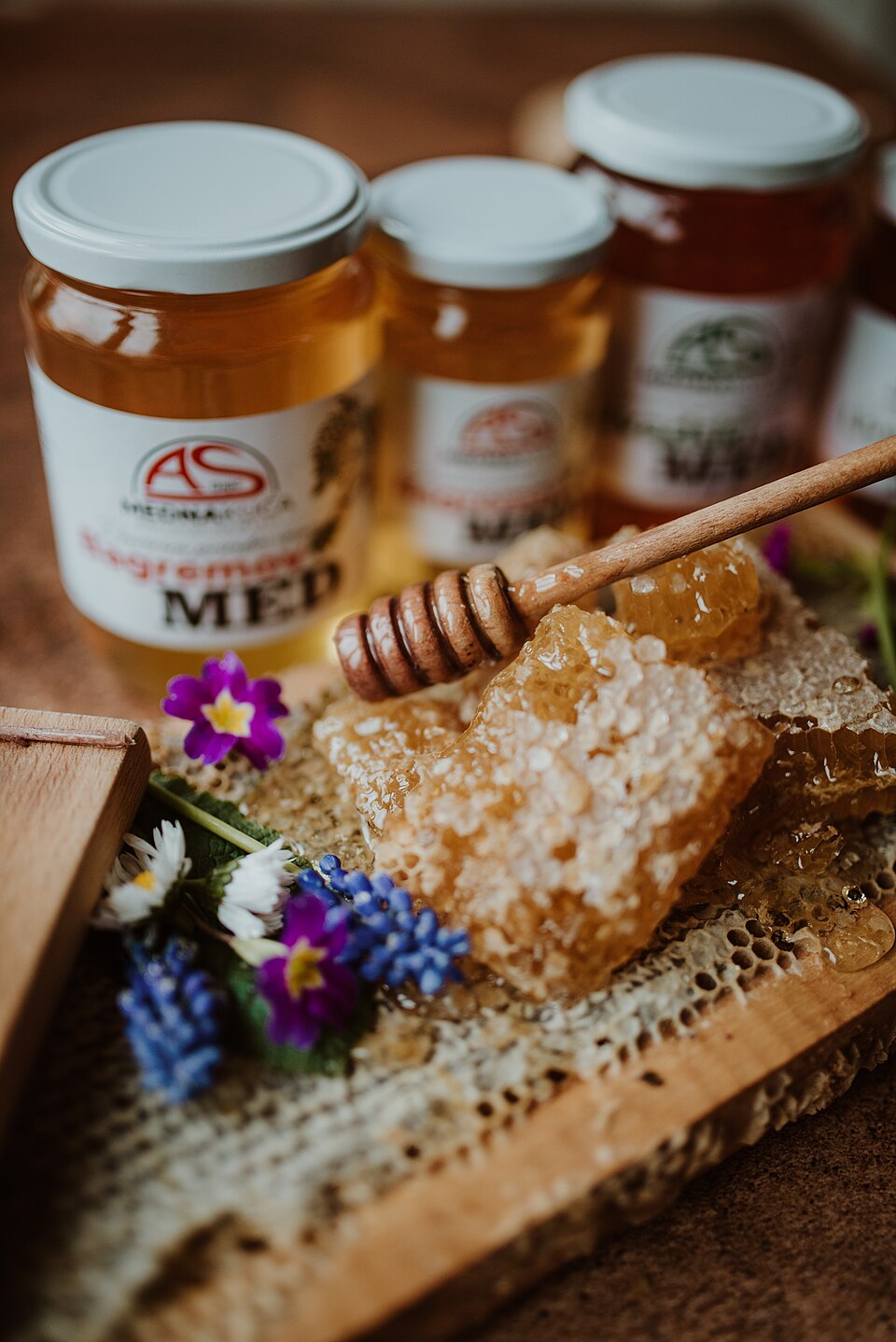
Good, ripe oranges often need no added sugar at all, and it is worth tasting the fresh juice before adding anything. If the batch is a little sharp, a small amount of sugar or honey, dissolved in a splash of warm water first so it mixes in evenly, is enough.
Lengthening and serving
Top the juice with cold still water for a simple orangeade, or with soda water for a lightly fizzy version, roughly equal parts juice to water as a starting point, adjusted to taste. Serve immediately over plenty of ice, since fresh orange juice loses some brightness the longer it sits.
What matters in this dish
Taste before sweetening
Genuinely good, ripe oranges often need no added sugar at all. Add it gradually, and only if the juice tastes sharp.
Dissolve sugar in warm water first
This stops it from sitting undissolved at the bottom of the glass rather than mixing in evenly.
Serve it fresh
Fresh orange juice loses some of its brightness the longer it sits, so make this close to when you plan to drink it.
Questions people ask about Portokalada
Can you use bottled orange juice instead of fresh?
You can, but the whole appeal of portokalada is genuinely fresh juice, and bottled juice will give a noticeably flatter, less bright result.
What is the ratio of juice to water?
Roughly equal parts as a starting point, adjusted to taste depending on how strong or sweet you want the finished drink.
Is portokalada the same as a mimosa?
No, portokalada is entirely non-alcoholic, simply fresh orange juice lengthened with water or soda water and served over ice.