Greek Main Courses · Peloponnese · Boiled and Simmered · The Sunday Table
Maniot Pasta with Mizithra and Egg (Tsouchti)
Τσουχτή tsookh-TEE · Tsouchti
In short
Tsouchti is a Maniot pasta dish from the Peloponnese made with hilopites or bucatini tossed in butter browned until it smells nutty, heavily dusted with grated dry mizithra, and topped with an egg fried in the same pan. There is no tomato and no sauce: the browned butter and the salty aged cheese are the entire flavour.
Maniot Pasta with Mizithra and Egg
- Prep
- 10m
- Cook
- 20m
- Total
- 30m
- Serves
- 4
- Level
- Beginner
Ingredients
Ingredients
Tick ingredients off as you go. Quantities rescale with the buttons above.
Method
- 01Boil the pasta in well-salted water until just short of al dente. Scoop out a mugful of the cooking water, then drain.
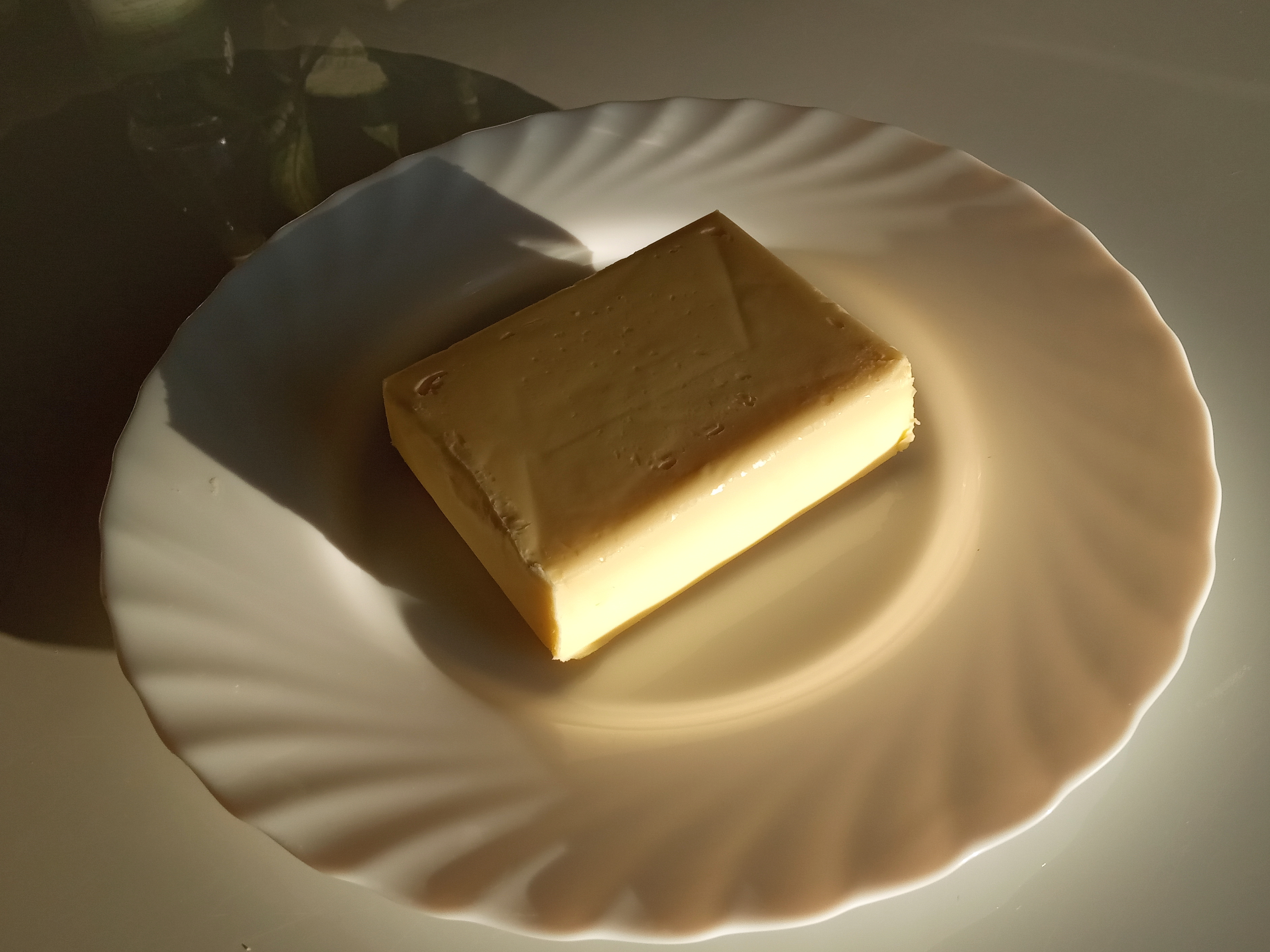
- 02Melt 90 g of the butter in a wide pale pan over medium heat. Let it foam, then keep cooking for about 3 minutes until the solids at the bottom turn golden brown and it smells nutty.
Butter Keep the pasta water.Yiayia - 03Take the pan off the heat and add a ladle of the pasta water. It will spit, then settle into a glossy sauce.
- 04Add the drained pasta and toss over low heat, adding more pasta water a splash at a time until the strands are coated but not wet.
- 05Add two thirds of the grated cheese, the chilli if using, and plenty of black pepper. Toss hard until the cheese melts into the butter. Divide between four warm plates.
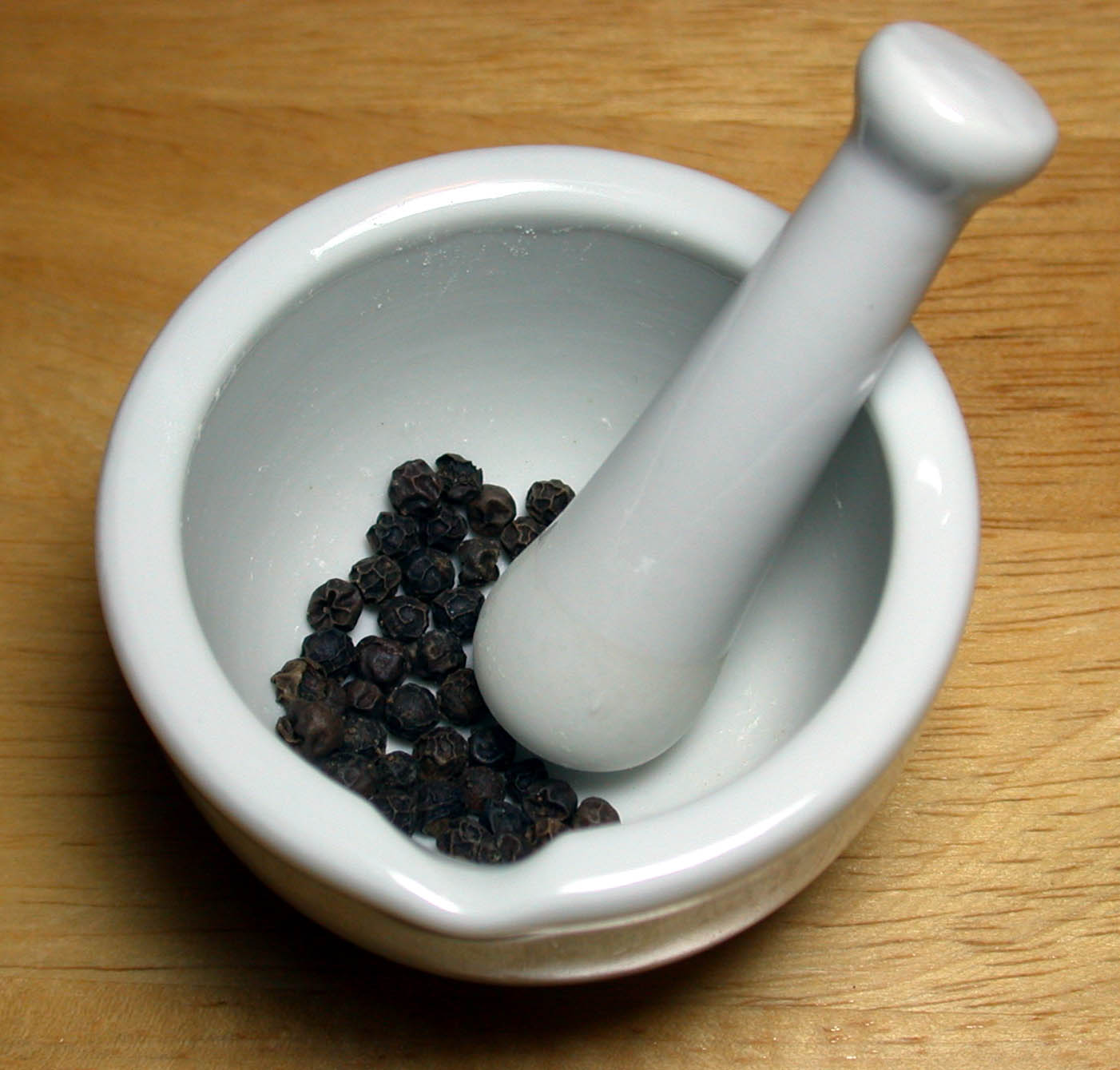
Black Pepper - 06Wipe the pan, add the remaining butter and fry the eggs until the whites are set and the yolks still soft.
- 07Slide an egg onto each plate, scatter over the rest of the cheese, and serve at once.
Nutrition, per 1 portion
- Calories
- 742
- Protein
- 27 g
- Carbs
- 76 g
- Fat
- 36 g
- Sat fat
- 21 g
- Fibre
- 3 g
These figures are calculated estimates based on the ingredients listed, not laboratory analysis. Actual values vary with brands, cuts and portion size.
The Mani is the hardest country in the Peloponnese and its cooking shows it. Tsouchti is four ingredients: pasta, butter, aged mizithra and an egg. There is no tomato, no meat and no sauce in the ordinary sense, and it is still one of the best plates of pasta in Greece.
Everything hangs on browning the butter properly. Taken past melting to the point where the milk solids turn the colour of a hazelnut shell, butter stops tasting of dairy and starts tasting of toasted nuts, and that transformation is the entire sauce.
The name is usually traced to the burn or sting of that near-scorched butter, and in some Maniot households a pinch of hot pepper goes into the pan to make the point. The fried egg on top is not a modern addition: its runny yolk is what binds the cheese to the pasta at the table.
Key preparation steps
- Boil hilopites or bucatini and keep some cooking water.
- Brown the butter until it smells nutty.
- Toss the pasta in the butter with grated dry mizithra.
- Fry an egg in the same pan and set it on top.
How do I brown the butter without burning it?
Use a pale pan, not a black one, so you can see the colour change. Melt the butter over medium heat, let it foam, and watch the specks at the bottom. When they turn golden brown and the smell shifts from creamy to toasted, it is done, and that whole process takes about three minutes.
The moment it is there, take it off the heat and add a ladle of pasta water. The water stops the cooking instantly and turns the butter into an emulsion that will coat the pasta instead of pooling under it.
Which cheese does tsouchti need?
Dry aged mizithra, hard enough to grate to a fine powder and sharply salty. It is a different animal from the soft fresh mizithra used in Cretan dakos, and no soft cheese will do the job here.
In the Mani, sfela is used just as often, and kefalotyri or a Cretan anthotyro that has been left to harden are both reasonable stand-ins. What you want is a cheese salty enough that you barely need to salt the dish.
What pasta is correct?
Hilopites, the square egg noodles made all over the Peloponnese, are the traditional choice. Bucatini and thick spaghetti with a hole through the middle are the other standard options and are what most Maniot tavernas serve.
Whichever you use, undercook it very slightly. It finishes in the buttered pan with a splash of its own cooking water, and pasta boiled to the full time first will be soft by the time it reaches the plate.
Why is there an egg on top?
It is doing the work a sauce would do elsewhere. Break the yolk into the hot pasta and it slackens the cheese, coats every strand and turns four dry ingredients into something silky.
Fry it in the same pan the butter was browned in, so it picks up the last of the toasted solids. Keep the yolk soft, which is the entire point, and slide it on top just before the plate goes to the table.
What matters in this dish
Keep the pasta water
The starch in it is what turns browned butter into a sauce. Without it the butter slides straight off the pasta and sits at the bottom of the plate.
Grate the cheese finely
Coarse shreds of hard mizithra clump rather than melting. A fine grating disappears into the butter and coats everything.
Go easy on the salt
Dry mizithra and sfela are both very salty cheeses. Salt the pasta water normally, then taste before adding any more at the end.
Questions people ask about Tsouchti
What does tsouchti mean?
The name is generally linked to the sting or burn of butter taken right to the edge of scorching, and in some versions to the pinch of hot pepper added with it. Either way it points at the browned butter, which is the defining step.
Can I use parmesan instead of mizithra?
It will taste good but it will not taste Greek. Parmesan is nuttier and less salty than dry mizithra. Kefalotyri or sfela are far closer, and both are widely sold in Greek delis.
Is the fried egg optional?
It is traditional and it does real work, since the yolk is what binds the cheese and butter to the pasta. The dish is still good without it, but it is drier and plainer.
Can I make tsouchti in advance?
No. Browned butter and melted hard cheese seize as they cool and reheat badly. It takes twenty minutes from a cold start, so make it to order.