Greek Main Courses · Peloponnese · Baked · The Sunday Table
Argolida Slow-Baked Lamb with Potatoes (Bogana)
Μπογάνα boh-GHA-nah · Bogana
In short
Bogana is a Peloponnesian festive dish from Argolida of leg of lamb baked for several hours with whole small potatoes, tomato, garlic and sheep or goat butter in a covered pot. The name comes from the gastra, the lidded vessel it is cooked in, and the long covered bake is what makes the meat fall apart and the potatoes taste of the lamb.
Argolida Slow-Baked Lamb with Potatoes
- Prep
- 25m
- Cook
- 3h 30m
- Total
- 3h 55m
- Serves
- 6
- Level
- Intermediate
Ingredients
For the lamb
For the pot
Tick ingredients off as you go. Quantities rescale with the buttons above.
Method
- 01Heat the oven to 150C fan, 170C conventional, 325F.
- 02Make small deep cuts all over the lamb and push a half clove of garlic into each. Rub the joint with salt, pepper and the oregano.
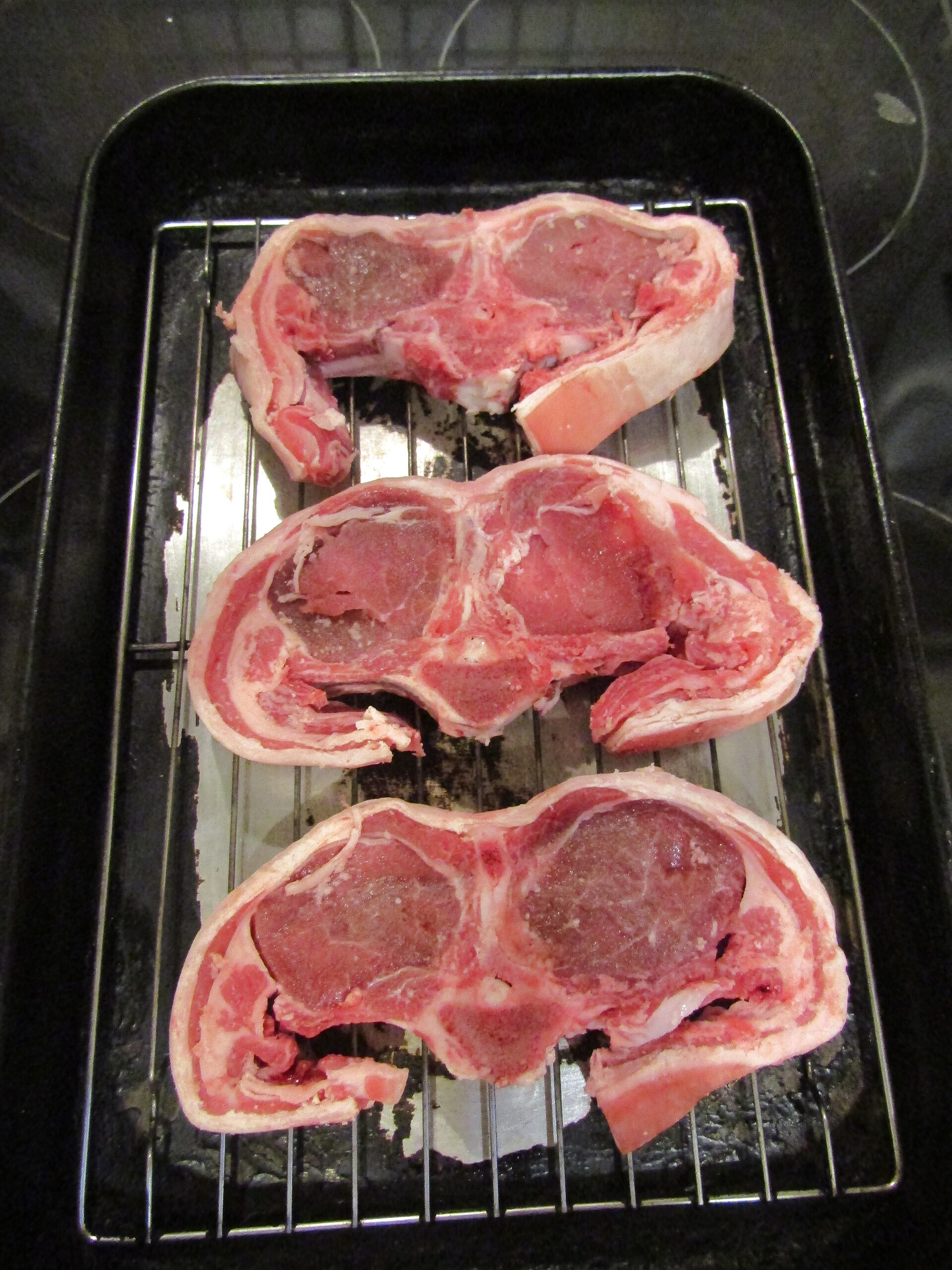
Lamb - 03Sit the lamb in a heavy lidded casserole or roasting tin. Tuck the whole potatoes, onion quarters and bay leaves around it.
- 04Mix the grated tomato with the tomato paste and the hot water and pour it over the potatoes rather than over the meat.
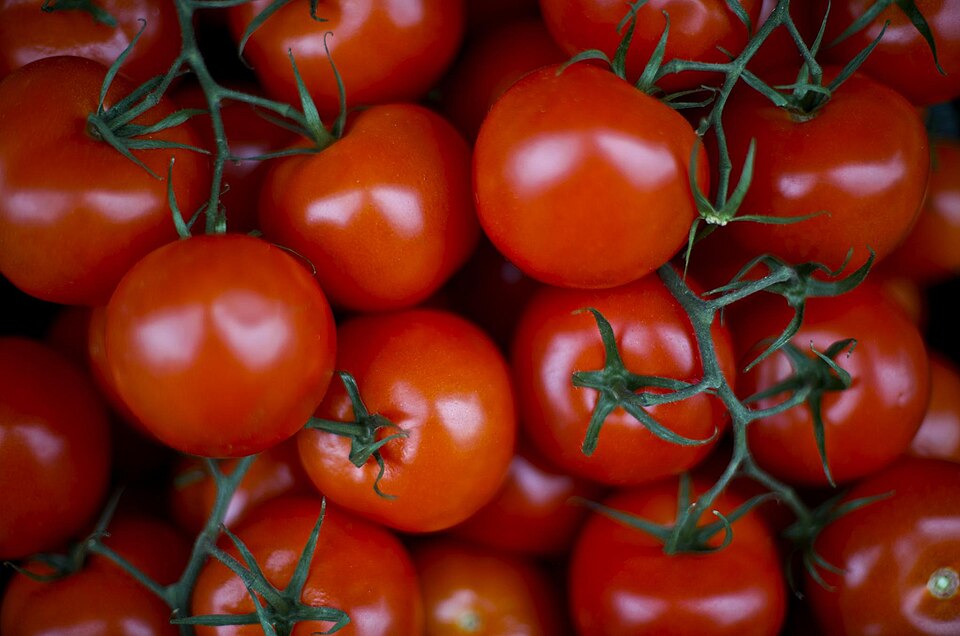
Tomato Pour the tomato over the potatoes.Yiayia - 05Dot the butter over everything and pour over the olive oil. Season the potatoes.
- 06Cover tightly with the lid, or with foil crimped hard onto the rim, and bake for 2 hours 30 minutes.
- 07Uncover, baste the lamb and potatoes with the juices, and bake for a further 30 to 40 minutes until the surface is golden and the juices have reduced.
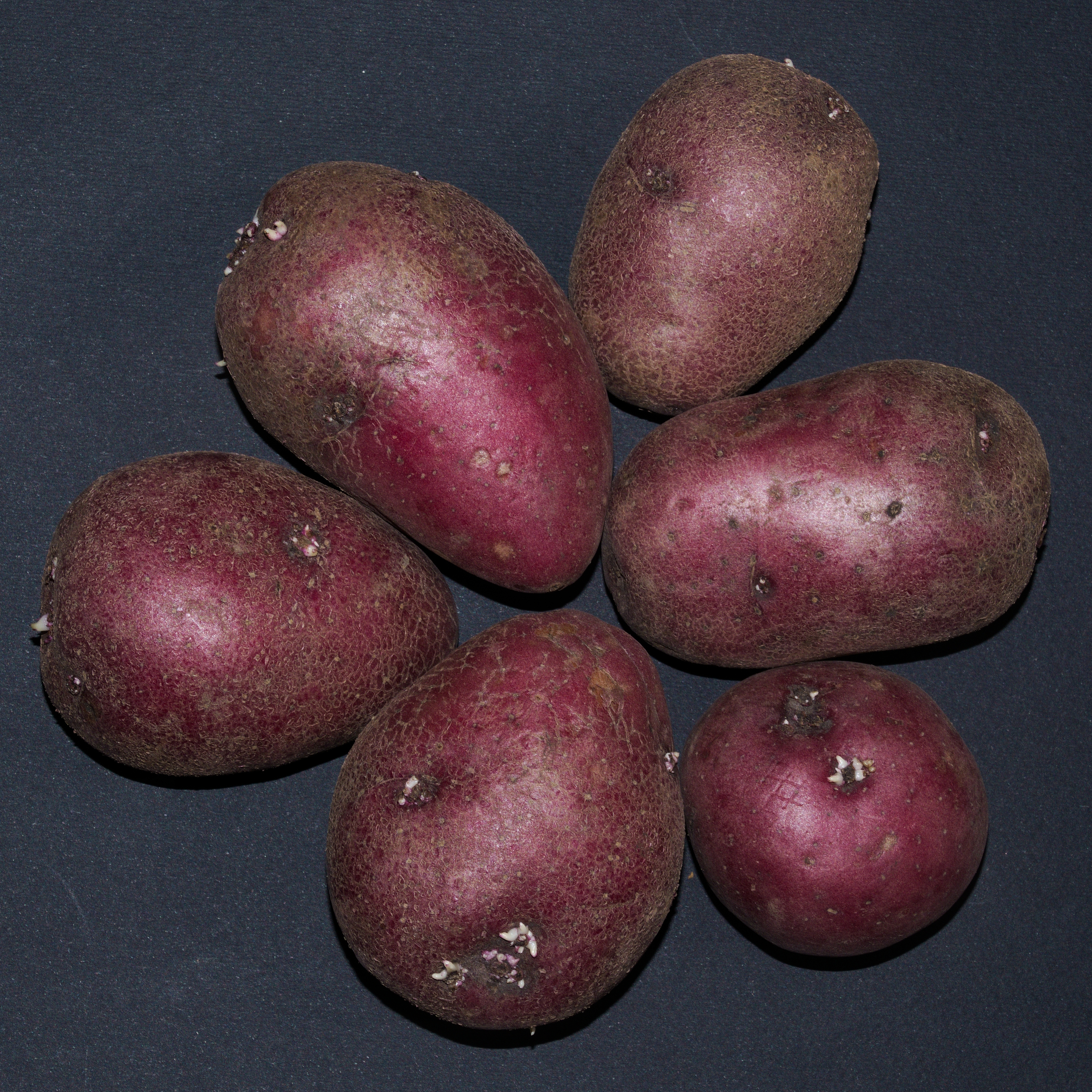
Potato - 08Rest the lamb, still in the pot, for 20 minutes before carving. Serve with the potatoes and the pan juices.
Nutrition, per 1 portion
- Calories
- 684
- Protein
- 44 g
- Carbs
- 34 g
- Fat
- 40 g
- Sat fat
- 17 g
- Fibre
- 4 g
These figures are calculated estimates based on the ingredients listed, not laboratory analysis. Actual values vary with brands, cuts and portion size.
Bogana is the Argolida version of the roast that comes out for a feast day, and it is named for the pot rather than the meat. A gastra is a heavy lidded vessel that used to be buried in the embers of a hearth or pushed into a cooling wood oven, and everything about the dish assumes that kind of long, gentle, sealed heat.
What sets it apart from every other Greek lamb-and-potato tray is the fat. Butter made from sheep's or goat's milk goes in alongside the olive oil, and it gives bogana a rounder, slightly farmyard richness that Peloponnesians will tell you is the whole point of the dish.
The potatoes go in whole and small, not cut into wedges, so they steam through in the lamb juices instead of crisping. After three hours under a lid they are saturated with tomato and meat fat, and in many households they are the part people fight over.
Key preparation steps
- Stud the lamb with garlic and season it heavily.
- Sit it in a heavy pot with whole small potatoes and tomato.
- Add sheep butter and olive oil, cover tightly.
- Bake low and slow for about three hours, uncovering at the end.
What cut of lamb should I use?
A whole bone-in leg is traditional, and the bone matters: it holds the meat together through hours of cooking and gives the juices in the bottom of the pot their body. Shoulder works just as well and is more forgiving still, because it carries more fat.
Young milk-fed lamb is the festive choice in Argolida and cooks faster. Older lamb needs the full three hours and rewards it. What does not work is anything boneless and lean, which dries out long before the potatoes are ready.
Why is the pot covered for most of the cooking?
Covered cooking traps steam, and steam is what breaks down the connective tissue in the leg without drying the surface. For the first two and a half hours nothing should be browning, only softening.
The lid comes off for the last half hour. That is when the surface colours, the juices reduce and the potatoes take on a little glaze. Do it in the other order and you get a browned crust over meat that is still tough.
Does it have to be sheep butter?
It is what makes bogana taste like bogana rather than a generic roast. Sheep and goat butter is tangier and more assertive than cow butter, and against three hours of lamb and tomato you can genuinely taste which one went in.
If you cannot find it, use ordinary butter and accept that the dish is a shade more neutral. Greek delis and Cypriot grocers usually stock sheep butter, sometimes labelled as galaktoboutyro provio.
How do I stop the potatoes falling apart?
Choose small waxy potatoes and leave them whole and unpeeled, or peeled but uncut. A cut surface leaches starch and turns to mush over three hours, while a whole potato holds while it absorbs.
Tuck them around the lamb rather than under it, so they sit in liquid rather than being crushed by the weight of the joint. If they are large, halve them and add them an hour into the cook rather than at the start.
What matters in this dish
Seal the pot properly
If your lid is loose, crimp a sheet of foil under it. Steam escaping is the commonest reason a bogana comes out dry rather than falling apart.
Pour the tomato over the potatoes
Liquid poured directly over the joint washes the seasoning off and stops the surface colouring later. Put it around the meat instead.
Rest it in the pot
Twenty minutes covered lets the juices settle back into the muscle. Carving straight out of the oven loses a surprising amount of them to the board.
Questions people ask about Bogana
What does the name bogana mean?
It refers to the cooking vessel rather than the ingredients. The dish takes its name from the heavy lidded pot, related to the gastra, that was traditionally set among embers or pushed into a cooling wood oven.
Can I make bogana with goat instead of lamb?
Yes, and in some Argolida households goat is preferred. Goat is leaner, so add an extra splash of water and expect it to want another thirty to forty minutes covered.
Do I need a special pot?
No. Any heavy casserole with a tight lid works, and a deep roasting tin sealed hard with foil is a perfectly good substitute. What matters is that steam cannot escape for the first two and a half hours.
How is bogana different from kleftiko?
Kleftiko is sealed in parchment or paper parcels and is defined by lemon and oregano. Bogana is cooked open in one large lidded pot with tomato and sheep butter, and the potatoes go in whole to absorb the juices.