Greek Dips and Sauces · The Mainland · Boiled and Simmered · The Sunday Table
Greek Egg and Lemon Sauce (Saltsa Avgolemono)
Σάλτσα αυγολέμονο SAHL-tsah av-goh-LEH-moh-noh · Saltsa avgolemono
In short
Saltsa avgolemono is Greek cooking's fundamental egg and lemon sauce, beaten egg and fresh lemon juice tempered gradually with hot liquid and stirred back in to thicken it silky, without ever letting it boil. It underlies avgolemono soup, giouvarlakia, and dozens of braised meat and vegetable dishes across the whole repertoire.
Egg and Lemon Sauce
- Prep
- 10m
- Cook
- 5m
- Total
- 15m
- Serves
- 6
- Level
- Intermediate
Ingredients
Ingredients
Tick ingredients off as you go. Quantities rescale with the buttons above.
Method
- 01Take the pot of hot broth or braising liquid completely off the heat.
- 02Beat the eggs and lemon juice together thoroughly in a bowl until well combined.
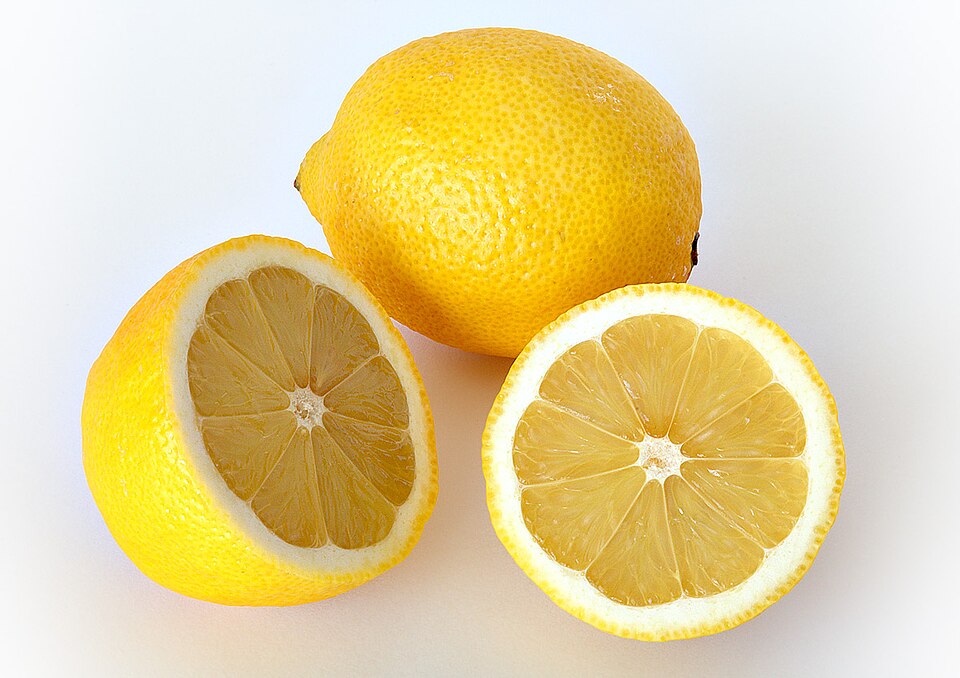
Lemon - 03Ladle a small amount of the hot liquid into the egg mixture, whisking constantly.
- 04Repeat with two or three more ladlefuls, whisking constantly each time, to gradually warm the eggs.Temper gradually, not all at once.Yiayia
- 05Pour the tempered egg mixture back into the pot, stirring gently to combine throughout.
- 06Keep the heat off or at a bare simmer at most. Do not let it return to a hard boil.
- 07Use immediately to finish soups, braises, or vegetable dishes.
Nutrition, per 1/6 of recipe
- Calories
- 38
- Protein
- 3 g
- Carbs
- 1 g
- Fat
- 2 g
- Sat fat
- 1 g
- Fibre
- 0 g
These figures are calculated estimates based on the ingredients listed, not laboratory analysis. Actual values vary with brands, cuts and portion size.
Avgolemono turns up constantly across this site, finishing everything from a plain chicken soup to giouvarlakia to a lamb and artichoke braise, and it deserves to be understood properly as its own technique rather than only ever appearing folded into a specific recipe. Get the tempering right once and it becomes something you can apply to almost any hot, savoury broth.
The whole method rests on one non-negotiable rule: the pot must be off the heat, and the egg mixture must be warmed gradually with small additions of hot liquid, before the two are ever combined properly. Skip this and the egg scrambles into unappetising curds rather than thickening the broth silky and smooth.
Understanding this as a technique rather than a fixed recipe is genuinely useful, since the ratio of egg to lemon, and how thick you want the final result, both vary depending on exactly what you are finishing.
Key preparation steps
- Take the pot completely off the heat before starting.
- Beat egg and lemon juice together thoroughly.
- Temper gradually with hot liquid, whisking constantly.
- Stir the tempered mixture back into the pot and never reheat past a bare simmer.
The egg to lemon ratio
A standard ratio is roughly one egg to the juice of half a lemon per 250ml of liquid being finished, though this varies by taste and by how thick a result you want: more egg gives a thicker, richer sauce, more lemon gives a sharper, brighter one. Whole eggs give a fuller sauce, while yolks alone give something even richer and silkier, at the cost of using more eggs for the same volume.
Tempering properly
Beat the egg and lemon juice together thoroughly in a bowl first, until well combined and slightly frothy. Then, working with the pot completely off the heat, ladle in a small amount of the hot liquid, whisking the egg mixture constantly as you pour, which raises its temperature gradually rather than shocking it all at once.
Repeat with two or three more ladlefuls before pouring the now-warmed egg mixture back into the main pot, stirring gently to combine throughout rather than in one spot.
Never let it boil again
Once the tempered mixture is back in the pot, keep the heat at a bare simmer at most, or take it off the heat entirely and let residual warmth finish the thickening. A hard boil at this stage curdles the egg into unappetising grainy curds rather than the smooth, silky sauce avgolemono is meant to be, and there is no fixing it once this happens.
What matters in this dish
The pot must be off the heat before you start
This is the single non-negotiable rule. Starting with the pot still simmering hard risks scrambling the egg the moment it touches the liquid.
Temper gradually, not all at once
Adding hot liquid to the eggs a little at a time, whisking constantly, is what raises their temperature safely without cooking them into curds.
Never let it boil again once combined
There is no fixing a split avgolemono. Keep the heat off or at the barest simmer from this point on.
Questions people ask about Saltsa avgolemono
Why did my avgolemono turn grainy?
Almost always because the eggs met liquid that was too hot, too fast, either from skipping the tempering step or from the pot being returned to a hard boil after the egg went in.
Can you use only egg yolks instead of whole eggs?
Yes, yolks alone give an even richer, silkier sauce, though you need more of them for the same volume, since whites contribute bulk as well as protein.
What dishes use avgolemono?
Classic avgolemono soup, giouvarlakia, arni fricassee, psarosoupa, and many other braised meat, vegetable and soup dishes across Greek cooking finish with this same technique.