Greek Desserts · The Mainland · Boiled and Simmered · The Sunday Table
Greek Rice Pudding (Rizogalo)
Ρυζόγαλο ree-ZOH-gah-loh · Rizogalo
In short
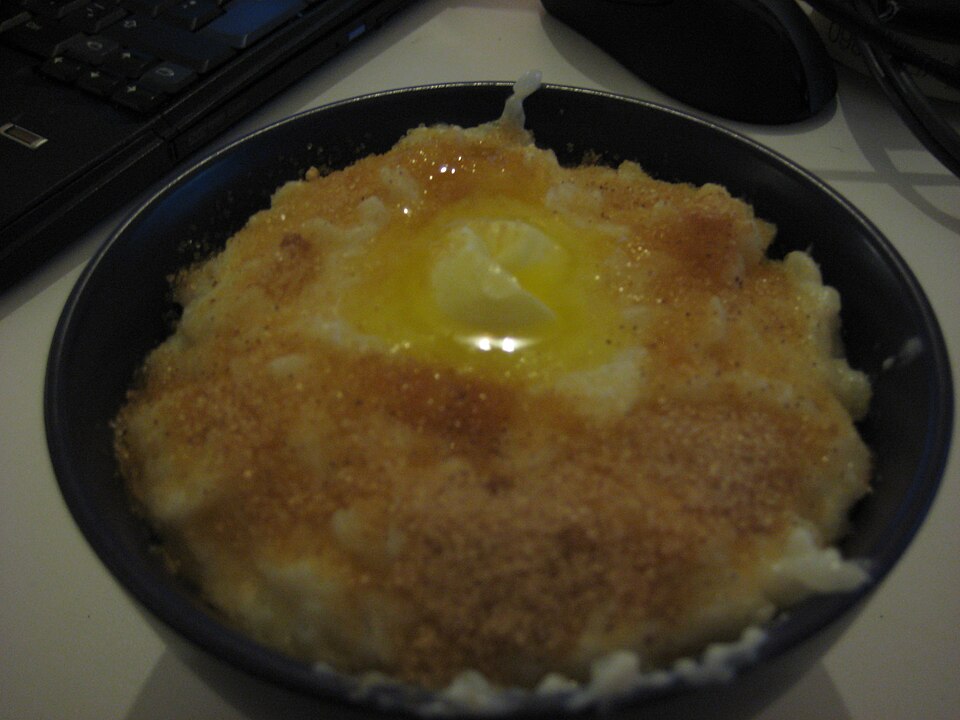
Rizogalo is Greek rice pudding, rice simmered slowly in milk until creamy and thick, lightly sweetened and often thickened further with a little cornflour and egg for a silkier finish, dusted generously with cinnamon. It is one of the most basic and beloved Greek desserts, genuine comfort food eaten warm or cold.
Rice Pudding
- Prep
- 10m
- Cook
- 40m
- Total
- 50m
- Serves
- 6
- Level
- Beginner
Ingredients
Ingredients
Tick ingredients off as you go. Quantities rescale with the buttons above.
Method
- 01Put the rice and most of the milk, reserving about 100ml, into a heavy pot.
- 02Bring to a gentle simmer over a low heat, stirring regularly, and cook for 30 to 35 minutes, until the rice is completely soft and the mixture has thickened and turned creamy.
Rice Keep the heat genuinely low.Yiayia - 03Stir in the sugar and vanilla.
- 04Whisk the cornflour into the reserved cold milk until smooth, then stir into the pot and cook for a further 3 to 4 minutes, until thickened further.
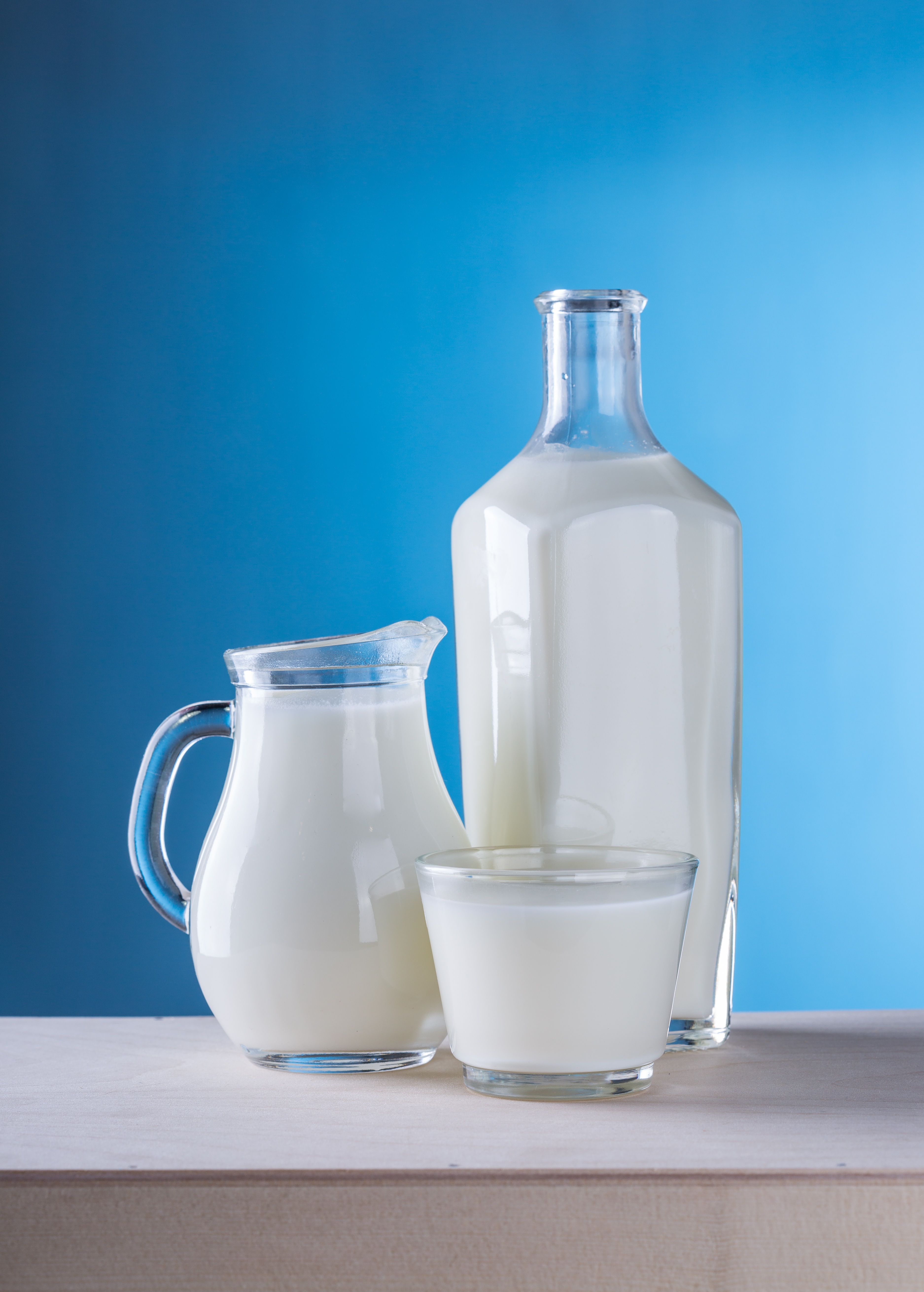
Milk - 05If using egg yolk, take the pot off the heat, temper the yolk with a little of the hot pudding, then stir it back in.
- 06Serve warm, or transfer to bowls and chill for at least 2 hours to serve cold.
- 07Dust generously with ground cinnamon just before serving.
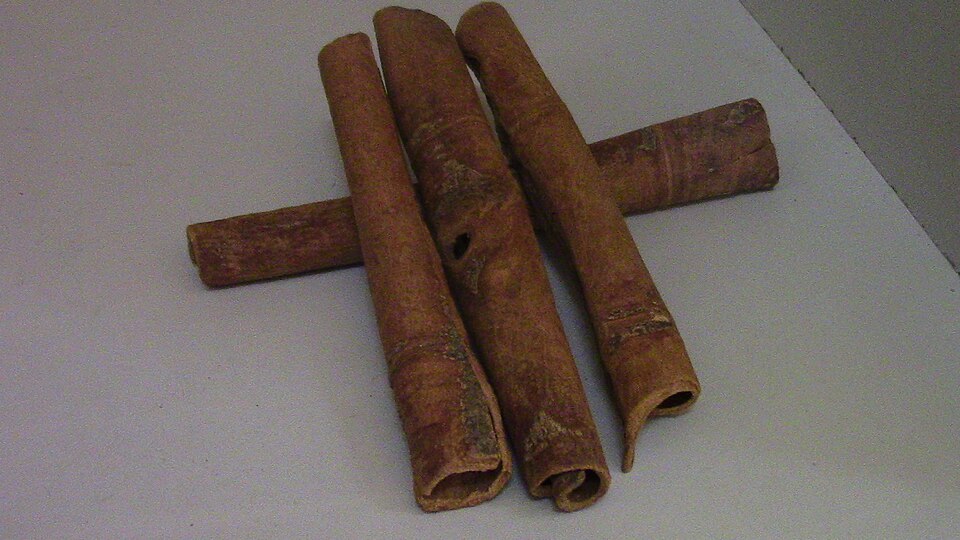
Cinnamon
Nutrition, per 1 portion
- Calories
- 218
- Protein
- 7 g
- Carbs
- 36 g
- Fat
- 5 g
- Sat fat
- 3 g
- Fibre
- 0 g
These figures are calculated estimates based on the ingredients listed, not laboratory analysis. Actual values vary with brands, cuts and portion size.
Rizogalo is genuinely one of the most basic desserts in the whole Greek repertoire, rice cooked slowly in milk until it turns creamy and thick, sweetened lightly and finished with a generous dusting of cinnamon, and it is exactly the kind of thing most Greek households have made for generations without a written recipe at all.
The technique rewards patience above everything else, a long, slow simmer that lets the rice properly break down and release its starch into the milk, giving a naturally creamy texture that no shortcut quite replicates.
It is eaten warm as a comforting dessert on a cold evening, or chilled from the fridge on a hot day, and it is genuinely good both ways, which says something about how well this simple combination of rice, milk and cinnamon actually works.
Key preparation steps
- Simmer rice in milk slowly until creamy.
- Sweeten and thicken with a little cornflour.
- Temper in beaten egg for extra silkiness, if using.
- Chill or serve warm, dusted with cinnamon.
The long, slow simmer
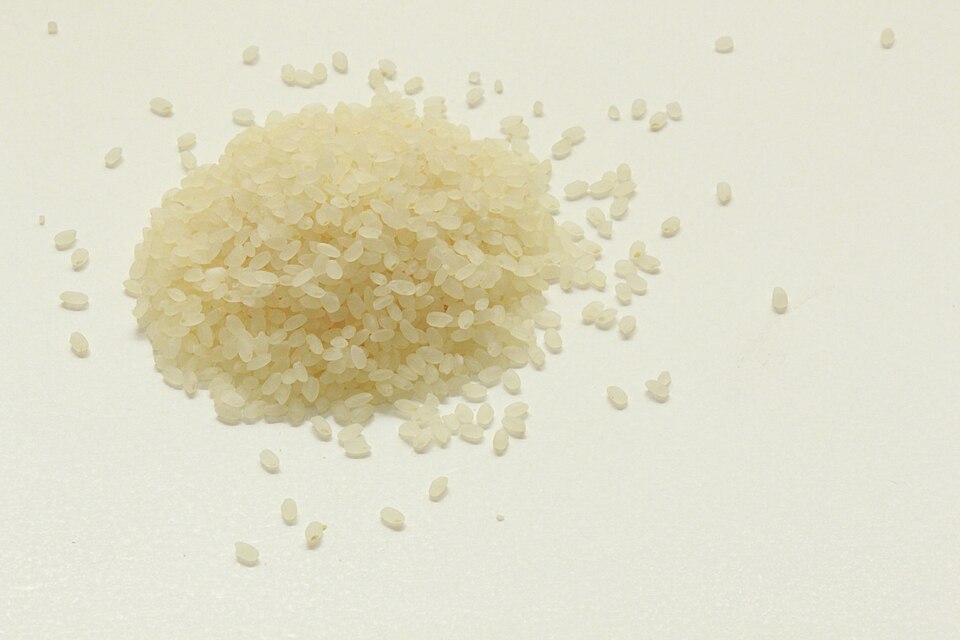
Simmer short or medium grain rice in milk over a genuinely low heat, stirring regularly, for around thirty to thirty-five minutes, until the rice has softened completely and released enough starch to thicken the milk into something properly creamy. Rushing this with higher heat risks scorching the milk on the base of the pot rather than achieving the same slow, even thickening.
Sweetening and thickening further
Stir in sugar once the rice is nearly tender, along with a little cornflour mixed with cold milk to help thicken the pudding further to a properly spoonable consistency. Some households finish with a beaten egg yolk, tempered carefully with a little of the hot pudding before stirring back in, which gives an even richer, silkier result.
Serving warm or cold
Rizogalo is genuinely good served warm, straight from the pot on a cold evening, or chilled for several hours and eaten cold, which is how it is most commonly served in Greece, particularly in summer. Either way, finish with a generous dusting of ground cinnamon just before serving.
What matters in this dish
Keep the heat genuinely low
A long, slow simmer is what lets the rice release its starch gradually and thicken the milk naturally, rather than scorching on the base of the pot.
Stir regularly
This prevents the rice from settling and catching, particularly as the mixture thickens towards the end of cooking.
It thickens further as it cools
The pudding will seem slightly loose when still warm, which is correct, since it firms up considerably once cooled, whether served warm or chilled.
Questions people ask about Rizogalo
Is rizogalo served warm or cold?
Both, genuinely. It is comforting served warm on a cold evening, and equally popular served chilled, particularly in summer.
Why add cornflour if the rice already thickens the milk?
It gives the pudding a more reliably spoonable, silky consistency, especially useful if you want a thicker result without simmering the rice for even longer.
Can you make rizogalo without egg?
Yes, the egg yolk is optional, added by some households for extra richness and silkiness. The pudding sets perfectly well from the rice and cornflour alone without it.