Greek Side Dishes · Cyprus · One-Pan · The Sunday Table
Cypriot Bulgur Wheat Pilaf (Pourgouri Pilafi)
Πουργούρι πιλάφι poor-GHOO-ree pee-LAH-fee · Pourgouri pilafi
In short
Pourgouri pilafi is the Cypriot bulgur wheat pilaf, made by softening onion in olive oil, toasting crushed vermicelli in it, cooking down fresh tomato and tomato paste, then adding coarse bulgur and stock with a piece of cinnamon bark and a few cloves. It is left to steam off the heat and forked through, and it accompanies almost everything grilled in Cyprus.
Cypriot Bulgur Wheat Pilaf
- Prep
- 10m
- Cook
- 25m
- Total
- 35m
- Serves
- 6
- Level
- Beginner
Ingredients
Ingredients
Tick ingredients off as you go. Quantities rescale with the buttons above.
Method
- 01Heat the olive oil in a heavy pan with a tight lid. Add the onion and cook gently for 10 minutes, until soft and pale gold.
- 02Add the crushed vermicelli and fry, stirring constantly, for 2 to 3 minutes until it is nut brown. Watch it closely.
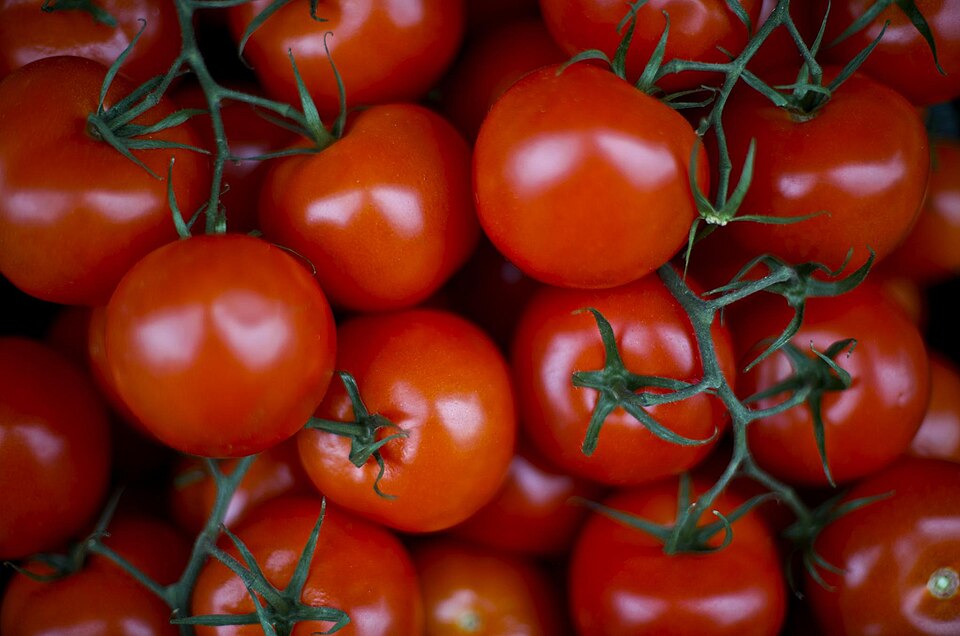
- 03Stir in the grated tomato and the tomato paste and cook for 6 to 7 minutes over medium heat, until it darkens and thickens.
Tomato - 04Add the drained bulgur and turn it in the pan for 1 minute so every grain is coated.
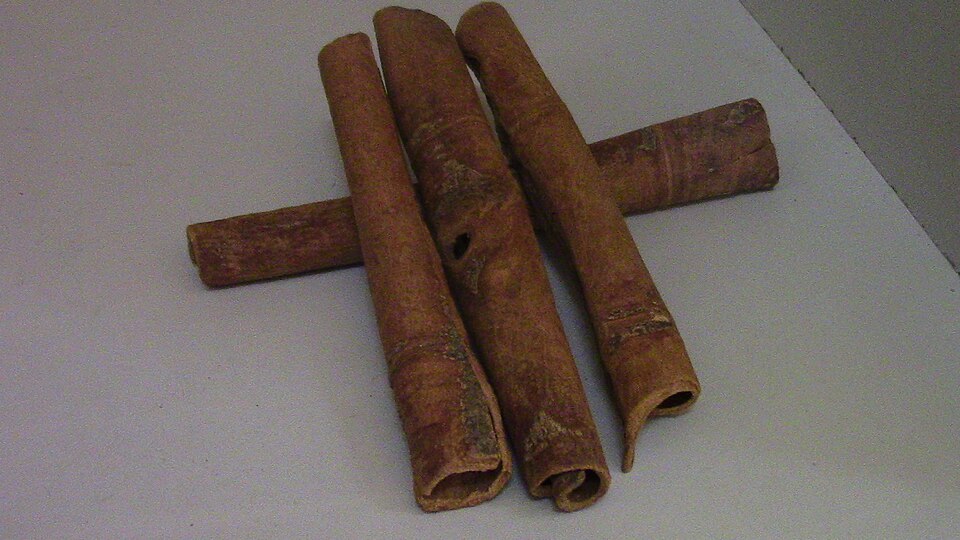
- 05Take the pan off the heat for a moment, then pour in the hot stock. Add the cinnamon bark, cloves and plenty of salt and pepper.
Cinnamon - 06Bring to a simmer, cover, lower the heat as far as it goes and cook for 10 to 12 minutes, until the liquid is almost gone and small craters appear on the surface.
- 07Take off the heat, lift the lid, lay a clean tea towel over the pan and replace the lid. Leave for 10 minutes.
- 08Remove the cinnamon and cloves, fork the pilaf through gently, and serve.Do not stir once the stock is in.Yiayia
Nutrition, per 1 portion
- Calories
- 312
- Protein
- 8 g
- Carbs
- 48 g
- Fat
- 11 g
- Sat fat
- 2 g
- Fibre
- 9 g
These figures are calculated estimates based on the ingredients listed, not laboratory analysis. Actual values vary with brands, cuts and portion size.
If there is souvla on the coals in Cyprus, there is pourgouri in the kitchen. Coarse bulgur wheat, toasted vermicelli, tomato, and a piece of cinnamon bark with a few cloves dropped in as it cooks. It is the default starch on the island and it is better than that description makes it sound.
Two details do most of the work. The vermicelli, called fides, is crushed and toasted in the oil until it is properly brown, which gives the whole pot a nutty depth. And the tomato is cooked down hard before any liquid goes in, until it darkens and stops smelling raw.
The cinnamon and cloves are the Cypriot signature. Whole, not ground, and lifted out at the end, they leave a warmth in the background that mainland Greek pilafs do not have and that is unmistakably Cypriot the moment you taste it.
Key preparation steps
- Soften onion in olive oil.
- Toast crushed vermicelli until nut brown.
- Cook down fresh tomato and tomato paste.
- Add bulgur and stock, simmer, then steam off the heat.
What grade of bulgur do I need?
Coarse or medium bulgur, sold in Cypriot and Middle Eastern grocers as pourgouri or coarse burghul. It stays as separate grains with real bite after cooking, which is exactly what a pilaf needs.
Fine bulgur, the sort used for tabbouleh, is the wrong product here. It needs only soaking, not simmering, and cooked this way it turns to a paste. If the packet does not say, look at the grain: it should be visibly bigger than couscous.
Why toast the vermicelli?
Because toasted vermicelli tastes completely different from pale vermicelli. Crushed in your hand and fried in olive oil for two or three minutes until it is the colour of a hazelnut, it gives the pilaf a nutty background that the bulgur alone cannot.
Keep it moving and do not walk away. Thin pasta goes from nut brown to burnt in about twenty seconds, and burnt fides makes the entire pot bitter.
How much liquid does pourgouri need?
Two parts liquid to one part bulgur by volume, counting the tomato as part of the liquid. That is less than rice needs, and it is the commonest thing people get wrong when they cook bulgur for the first time.
Measure with the same cup throughout, which is how Cypriot cooks do it and why the ratio is passed on so reliably. Too much liquid gives a wet, claggy pilaf that no amount of steaming will dry out.
Why does it rest off the heat?
The last of the liquid is absorbed by residual heat rather than by the hob. Ten minutes covered with a tea towel under the lid, off the heat, is what turns a slightly wet pan into separate fluffy grains.
The tea towel catches the condensation that would otherwise drip back onto the surface. Then fork it through rather than stirring, because stirring bulgur while it is hot breaks the grains and makes it gluey.
What matters in this dish
Use the same cup for everything
Cypriot cooks measure bulgur and liquid with one mug rather than scales, which is why the two-to-one ratio never goes wrong. Do the same and it will not go wrong for you either.
Do not stir once the stock is in
Stirring simmering bulgur releases starch and turns the pilaf sticky. Cover it, leave it, and fork it through only at the very end.
The tea towel is not optional
It absorbs the condensation that would otherwise fall back onto the grains. Ten minutes under a towel is the difference between fluffy pourgouri and a damp top layer.
Questions people ask about Pourgouri pilafi
What is the difference between pourgouri and bulgur?
None, beyond the name. Pourgouri is the Cypriot word for bulgur wheat. What is specific to Cyprus is this particular pilaf method with toasted vermicelli, tomato and whole warm spices.
What is pourgouri served with?
Grilled meat above all: souvla, sheftalia, kebabs and chicken. It also goes alongside stews such as tavas, and Cypriots serve it with plain yogurt or talattouri on the side.
Can I make it vegan?
It is vegan as written, provided you use vegetable stock. Nothing else in the pot comes from an animal, which is why it appears through Lent as well as at every barbecue.
Why is my pourgouri mushy?
Almost always fine bulgur instead of coarse, or too much liquid. Use a coarse grade, keep to two parts liquid to one of bulgur, and resist stirring it while it simmers.