Greek Salads · The Dodecanese · The Cyclades · Boiled and Simmered · Mezedes and Ouzo
Greek Pickled Rock Samphire Salad (Kritamo)
Κρίταμο KREE-tah-moh · Kritamo
In short
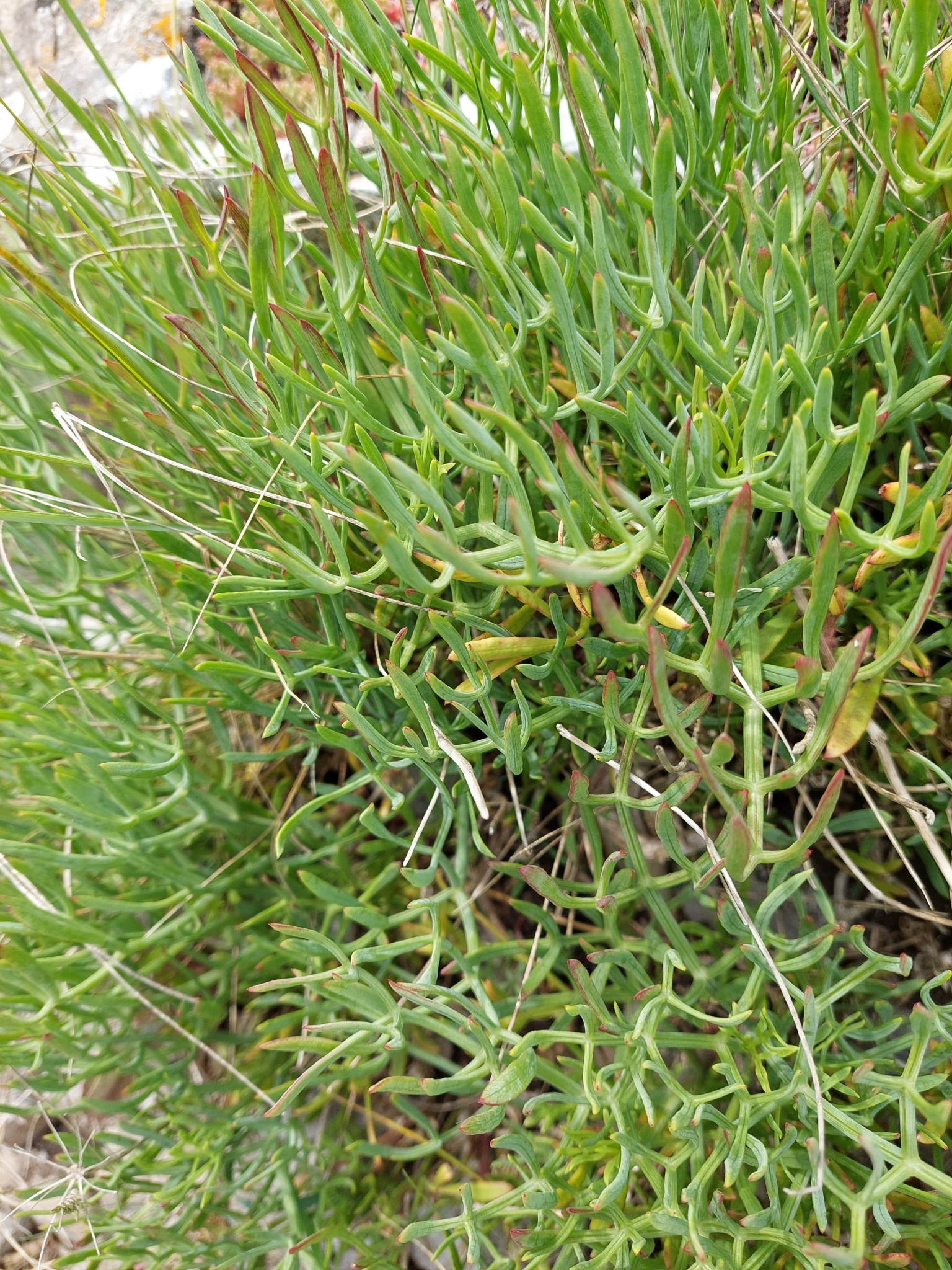
Kritamo is rock samphire, a succulent that grows on Greek sea cliffs, prepared by blanching the young shoots briefly, steeping them in vinegar and salt for a day, then storing them under olive oil. It is served as a small sharp salad or meze, tastes of the sea and of celery at once, and keeps for months in the jar.
Pickled Rock Samphire Salad
- Prep
- 25m
- Cook
- 5m
- Total
- 30m
- Serves
- 10
- Level
- Beginner
Ingredients
Ingredients
Tick ingredients off as you go. Quantities rescale with the buttons above.
Method
- 01Pick over the samphire, keeping only the tender shoots and young leaves. Discard any woody stems and the flowers. Wash well in cold water.Forage responsibly, or buy it.Yiayia
- 02Bring a large pan of water to the boil with the 2 tbsp coarse salt. Add the samphire and blanch for 3 minutes.

Salt - 03Drain and plunge straight into cold water to stop the cooking, then drain thoroughly.
- 04Put the samphire in a non-reactive bowl, pour over the vinegar and add the 1 tbsp salt. Press the shoots down so they are fully submerged.
- 05Cover and leave at room temperature for 24 hours.
- 06Drain the samphire well and squeeze out the excess vinegar with your hands.
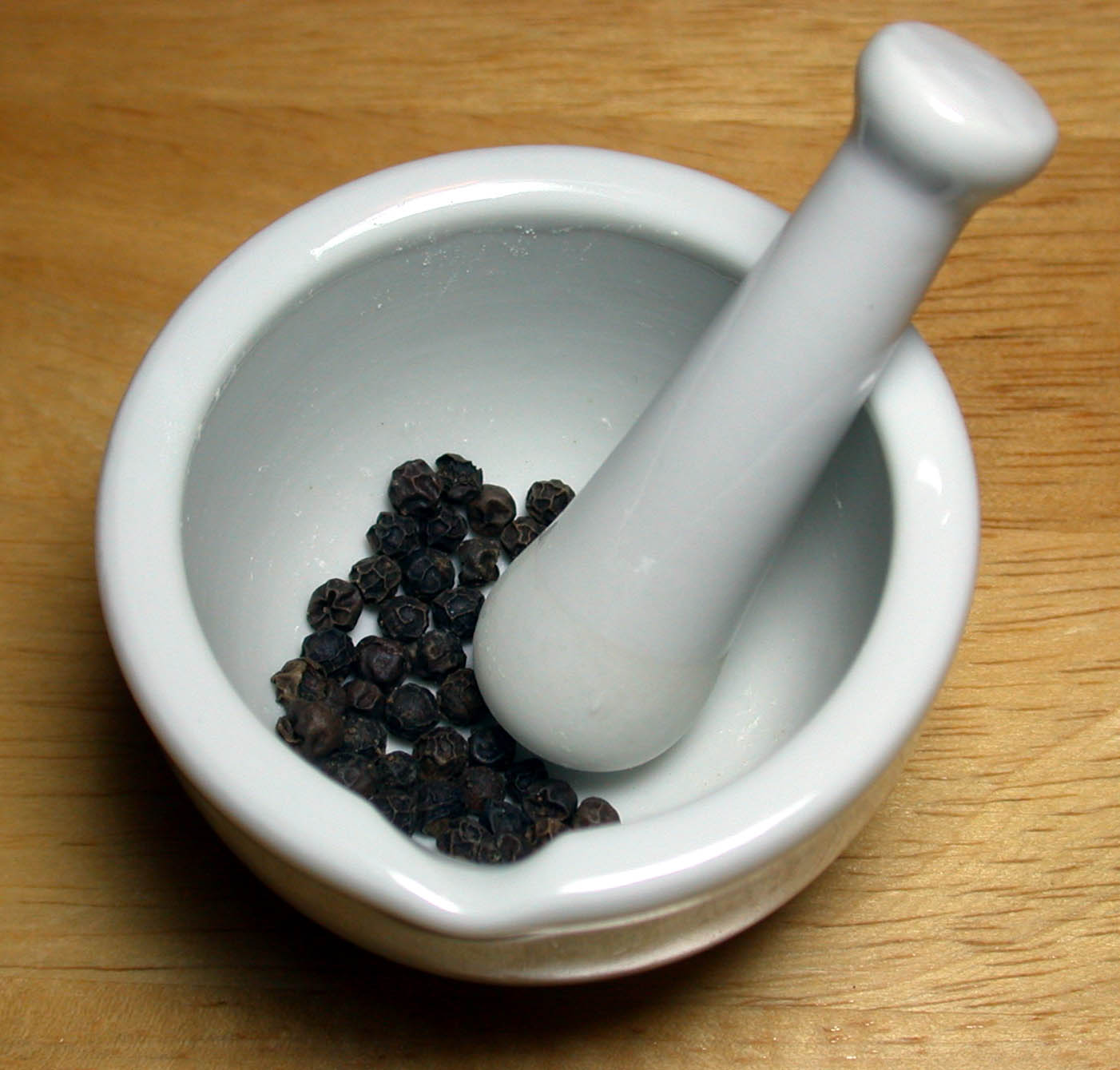
- 07Pack into sterilised jars with the peppercorns if using, and pour over enough olive oil to cover completely.
Black Pepper - 08Seal and keep in the fridge. Ready to eat after 3 days, best after 2 weeks.
Nutrition, per 2 tbsp
- Calories
- 112
- Protein
- 1 g
- Carbs
- 2 g
- Fat
- 11 g
- Sat fat
- 2 g
- Fibre
- 1 g
These figures are calculated estimates based on the ingredients listed, not laboratory analysis. Actual values vary with brands, cuts and portion size.
Kritamo grows where nothing else will: straight out of the cracks in sea cliffs, close enough to the water to be salted by spray. Islanders have picked it for as long as anyone has lived on those rocks, and every taverna in the Dodecanese and the Cyclades keeps a jar of it behind the bar.
The taste is genuinely unusual. It has the crunch of a young bean, the aromatic bite of celery and fennel, and an actual salinity that comes from the plant rather than from the pickling. Nothing else in the Greek pantry does quite the same job on a meze table.
The preparation is the same one used for capers and it has not changed. Blanch briefly to take the raw edge off, steep in vinegar and salt for a day to fix the colour and the crunch, and then keep it under olive oil, where it will sit happily for months and improve for the first few weeks.
Key preparation steps
- Pick over the shoots and discard woody stems.
- Blanch for three minutes in salted water.
- Steep overnight in vinegar and salt.
- Drain and pack under olive oil.
Which parts of the plant do I use?
The young leaves and the tender upper stalks, picked before the plant flowers. Bend a stem: if it snaps cleanly it is young enough, and if it bends it is woody and should be thrown away.
The seed pods can be pickled the same way and are prized by some cooks for being even more aromatic. The flowers are the one part to leave out, since they go bitter in vinegar.
Why blanch it before pickling?
Three minutes in boiling salted water softens the shoots just enough to take vinegar evenly, drives off the raw resinous edge, and sets the green colour so it does not turn olive-drab in the jar.
Do not go beyond about four minutes. Kritamo is being kept for its crunch above everything, and boiled soft it turns into a limp green thread that no amount of good oil will rescue.
How long does it need in vinegar?
Twenty-four hours, fully submerged, with a spoonful of salt. That is long enough for the acid to penetrate the shoots and do the preserving work, and short enough that they still taste of the plant rather than only of vinegar.
Use a plain wine vinegar. Balsamic is too sweet and too dark, and cider vinegar brings an apple note that fights with the sea flavour that is the whole reason for eating kritamo.
How is kritamo served and how long does it keep?
In small amounts, cold, as one plate among many. A spoonful on the side of a fish dish, scattered over a tomato salad, or simply in a saucer with its oil and a little raw onion. It is intensely salty, so it is a punctuation mark rather than a course.
Under a full covering of olive oil in a sterilised jar in the fridge it keeps for several months. Make sure the oil covers everything: any shoot poking above the surface is the one that spoils.
What matters in this dish
Do not add salt when you serve it
Kritamo has been salted twice and grows in sea spray to begin with. Taste before seasoning anything you put it in, including the salad it goes on top of.
Keep it fully covered in oil
Any shoot standing proud of the oil will spoil and take the jar with it. Top the oil up each time you take some out.
Forage responsibly, or buy it
Rock samphire grows on cliff edges and is protected in some places. Cut, never uproot, take only a little from each plant, and if in any doubt buy it, since Greek delis sell it ready-pickled.
Questions people ask about Kritamo
What does kritamo taste like?
Salty and aromatic at once, somewhere between celery, fennel and the sea, with a crunch closer to a green bean than to a pickle. It is assertive, which is why it is served in small quantities.
Is kritamo the same as marsh samphire?
No. Kritamo is rock samphire, Crithmum maritimum, which grows on cliffs and has flat aromatic leaves. Marsh samphire is a different plant, glasswort, which grows in tidal mud and has jointed stems. They are not interchangeable.
Can I eat kritamo raw?
Very young shoots can be eaten raw in small amounts and are used that way in island salads, but they are resinous and tough. Blanching and pickling is what turns it into the meze Greeks actually eat.
How long before it is ready?
Three days after jarring it is edible and after two weeks it is properly good, once the oil and the residual vinegar have settled into each other. It will keep several months in the fridge.