Greek Side Dishes · The Mainland · Boiled and Simmered · Lent and Nistisima
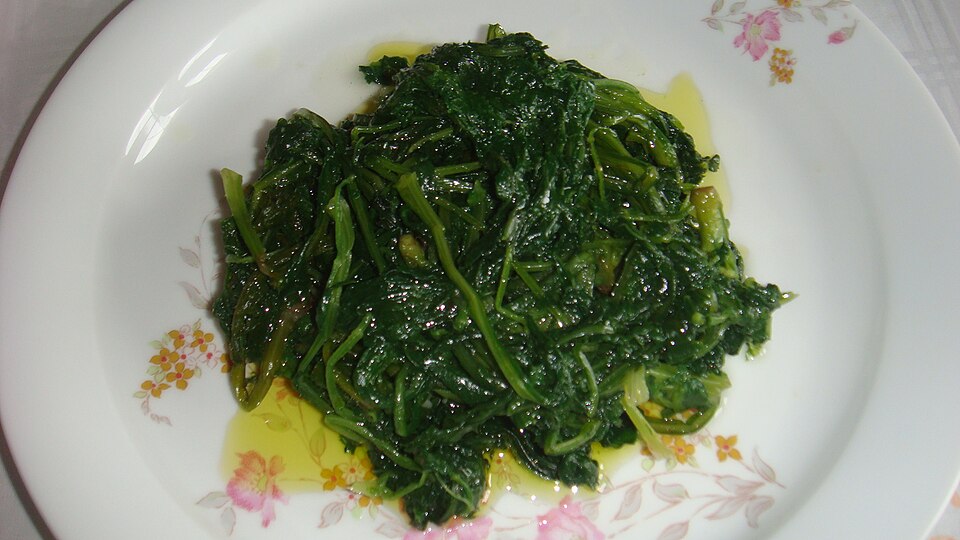
Greek Zucchini Shoots and Tendrils (Kolokithokorfades)
Κολοκυθοκορφάδες koh-loh-kee-thoh-kor-FAH-thes · Kolokithokorfades
In short
Kolokithokorfades are the tender growing tips of the zucchini plant, the young leaves, tendrils and curling shoots rather than the fruit itself, boiled briefly until soft and dressed simply with olive oil and lemon, in the same spirit as horta. They are a genuinely resourceful, low-waste vegetable, making use of a part of the plant most gardens and markets simply discard.
Zucchini Shoots and Tendrils
- Prep
- 20m
- Cook
- 15m
- Total
- 35m
- Serves
- 4
- Level
- Beginner
Ingredients
Ingredients
Tick ingredients off as you go. Quantities rescale with the buttons above.
Method
- 01Rinse the zucchini tips thoroughly, checking for grit trapped in the tendrils.
- 02Bring a pot of salted water to the boil and add the tips.
- 03Boil for 8 to 10 minutes, until just tender.
- 04Drain well.
- 05While still warm, dress with the olive oil and lemon juice.
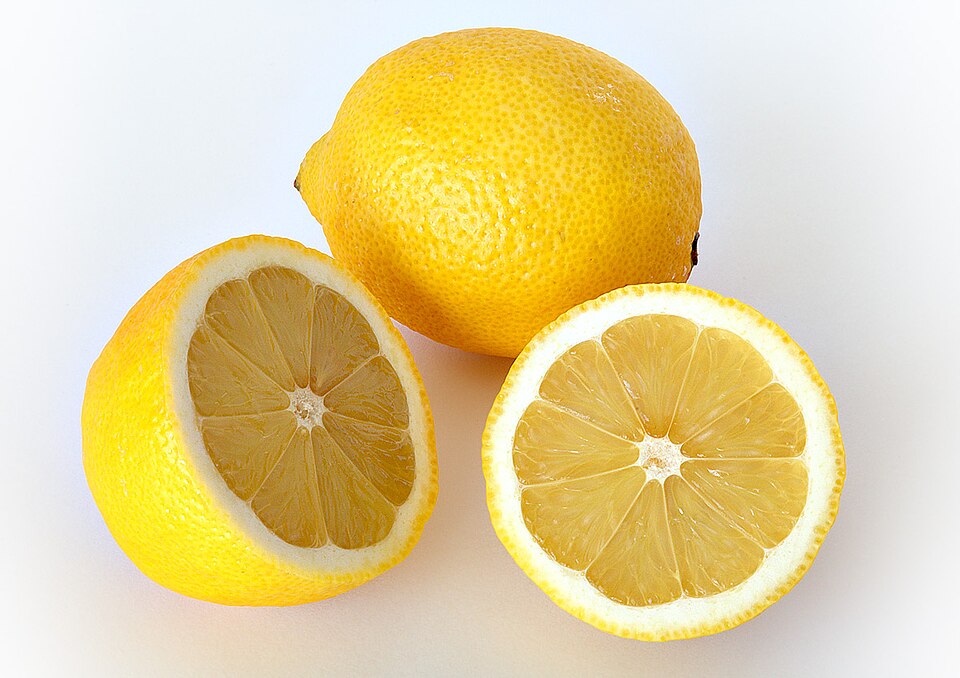
Lemon Dress while still warm.Yiayia - 06Season with salt and serve.
Nutrition, per 1 portion
- Calories
- 98
- Protein
- 2 g
- Carbs
- 4 g
- Fat
- 9 g
- Sat fat
- 1 g
- Fibre
- 2 g
These figures are calculated estimates based on the ingredients listed, not laboratory analysis. Actual values vary with brands, cuts and portion size.
Kolokithokorfades belong to the same resourceful tradition as horta, using a part of a familiar plant that most people simply throw away, here the tender young growing tips of the zucchini vine, its curling tendrils, soft young leaves and shoots, rather than the courgette fruit itself, which most cooks reach for instead.
This is genuinely village garden cooking, the kind of dish that comes from growing your own zucchini and finding a use for the abundant, fast-growing tips the plant throws out all summer, rather than something bought specifically at a shop.
The tips need only a brief boil to soften properly, considerably less time than tougher wild greens, and the classic dressing, simply olive oil and lemon, lets their mild, faintly grassy flavour come through cleanly.
Key preparation steps
- Gather young, tender zucchini plant tips and tendrils.
- Rinse thoroughly.
- Boil briefly until just tender.
- Dress with olive oil and lemon.
Choosing the right growth
Only the youngest, most tender tips are suitable here, the soft curling ends of the vine along with their small, unopened leaves and tendrils, picked before they toughen. Older, larger leaves are too fibrous to enjoy this way.
Cleaning and boiling
Rinse thoroughly, since the tendrils can trap grit, then boil in salted water for around eight to ten minutes, until just tender, considerably less time than sturdier wild greens like dandelion typically need.
Dressing simply
Drain well and dress simply with good olive oil and a generous squeeze of lemon while still warm, the same straightforward treatment given to horta, letting the tips' own mild, faintly grassy flavour come through rather than masking it.
What matters in this dish
Use only the youngest growth
Older, larger leaves and thicker vine sections are too fibrous to enjoy this way. Stick to the soft, curling tips and tendrils.
Rinse thoroughly
The curling tendrils are good at trapping garden grit, so a proper rinse matters more here than with flatter greens.
Dress while still warm
This helps the tips absorb the olive oil and lemon properly, the same principle as dressing horta right after draining.
Questions people ask about Kolokithokorfades
What exactly are kolokithokorfades?
The tender young growing tips of the zucchini vine, its curling tendrils, soft unopened leaves and shoots, rather than the courgette fruit itself, a genuinely resourceful use of a part of the plant most people discard.
Where can you find zucchini plant tips to buy?
They are not commonly sold in shops outside of farmers markets in growing regions, since they mainly come from home gardens where zucchini plants are grown and their fast-growing tips need regular trimming anyway.
Do kolokithokorfades taste like zucchini?
They carry a similar family resemblance, mild and faintly grassy, but the leaves and tendrils have their own distinct, slightly more delicate character than the fruit.