Greek Breads and Pies · The Mainland · Baked · The Sunday Table
Greek Olive Bread (Elioti)
Ελιόψωμο eh-lee-OH-psoh-moh · Elioti (Eliopsomo)
In short
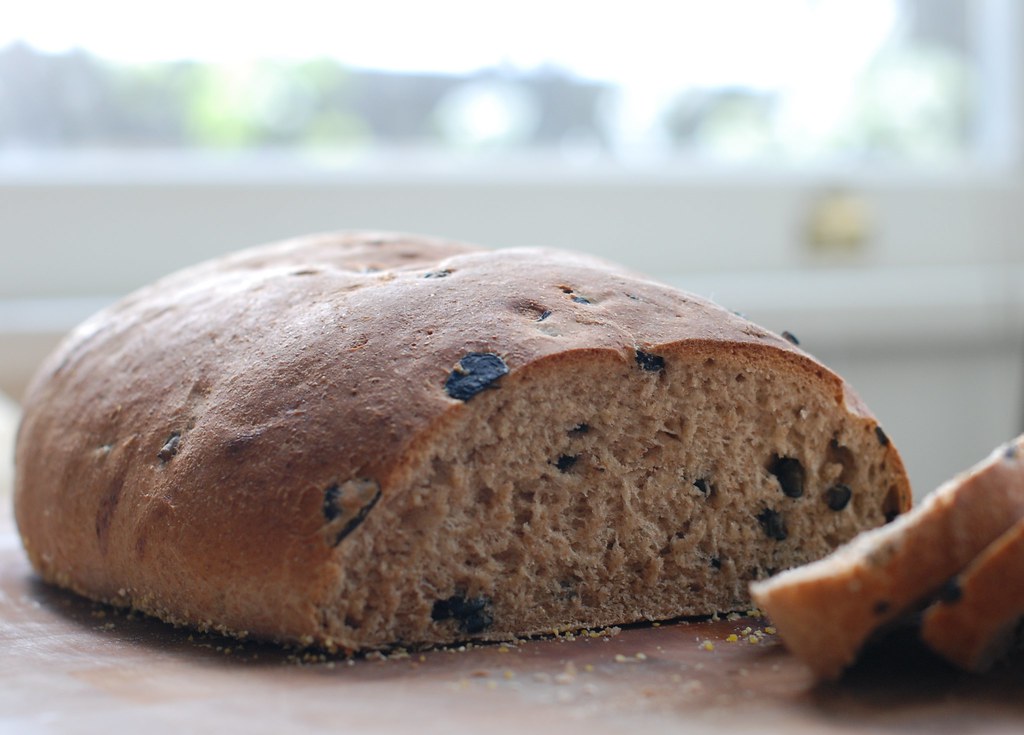
Elioti, also called eliopsomo, is a soft, olive oil-enriched Greek bread studded generously with chopped black olives, kneaded into the dough itself rather than added as a topping, then baked until golden. It is genuinely everyday bread, needing no special occasion, though it appears at gatherings as often as any other.
Olive Bread
- Prep
- 30m
- Cook
- 35m
- Total
- 1h 5m
- Serves
- 10
- Level
- Intermediate
Ingredients
Ingredients
Tick ingredients off as you go. Quantities rescale with the buttons above.
Method
- 01Mix the flour, yeast and salt together in a large bowl.
- 02Add the olive oil and warm water, and bring together into a soft, slightly sticky dough.
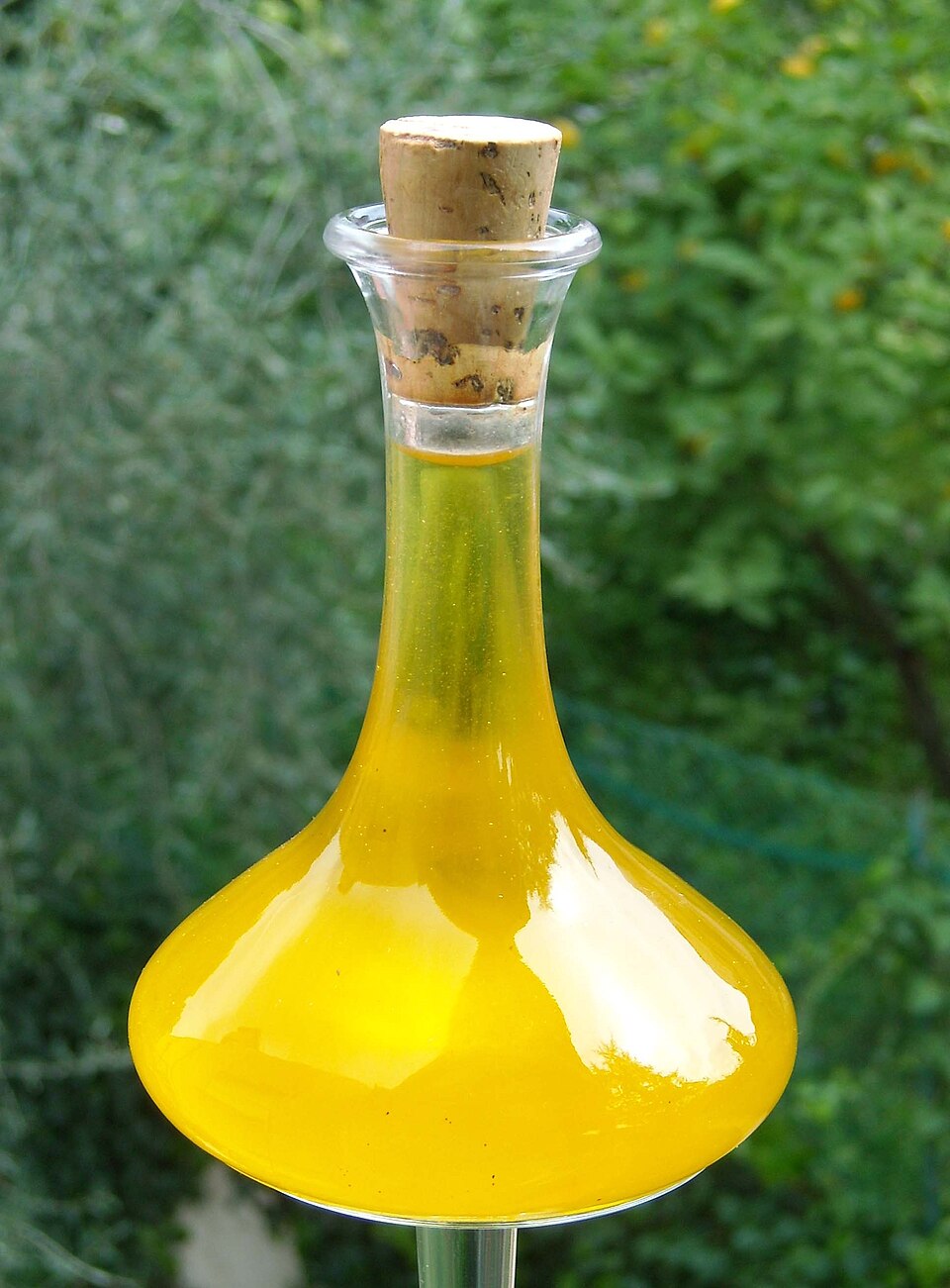
Olive Oil - 03Knead for 10 minutes, until smooth and elastic.
- 04Knead the chopped olives and oregano through the dough until evenly distributed.
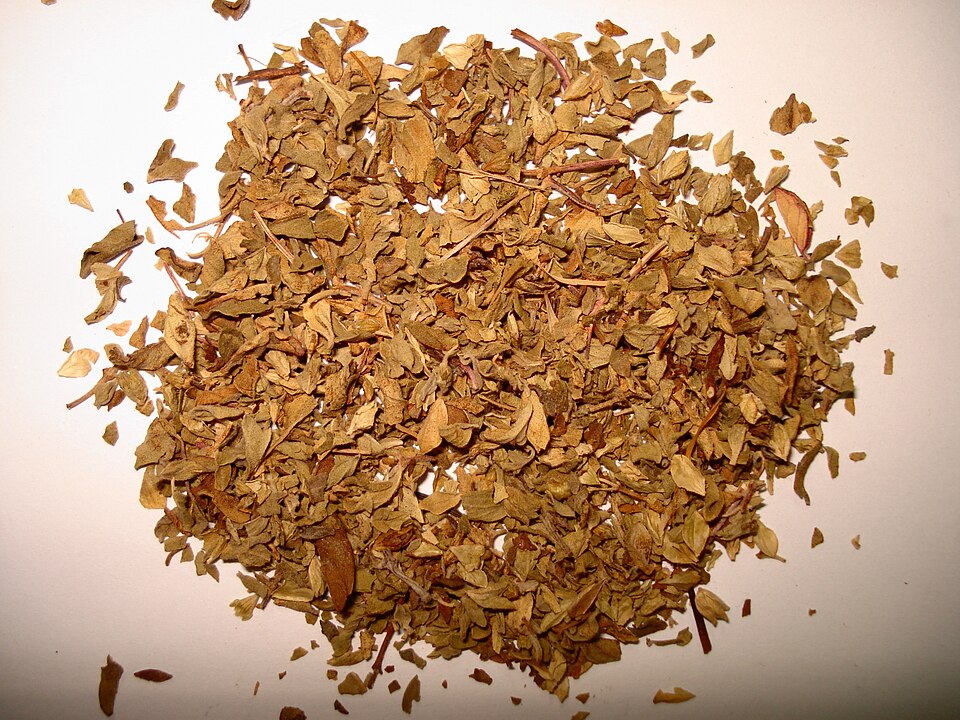
Oregano Chop the olives rather than leaving them whole.Yiayia - 05Place in an oiled bowl, cover, and prove in a warm spot for about 1 hour, until doubled in size.
- 06Shape into a round or oblong loaf and place on a lined baking tray. Cover and prove for a further 30 minutes.
- 07Heat the oven to 220C fan 200C. Bake the loaf for 30 to 35 minutes, until deeply golden and hollow-sounding when tapped on the base.
- 08Cool on a wire rack before slicing.
Nutrition, per 1 slice
- Calories
- 228
- Protein
- 5 g
- Carbs
- 32 g
- Fat
- 9 g
- Sat fat
- 1 g
- Fibre
- 2 g
These figures are calculated estimates based on the ingredients listed, not laboratory analysis. Actual values vary with brands, cuts and portion size.
Elioti, sometimes called eliopsomo, is genuinely everyday Greek bread, an olive oil-enriched dough studded generously with chopped black olives kneaded right through it, rather than merely scattered on top, so every slice carries little pockets of salty, briny olive throughout.
The dough itself is simple, enriched with a good amount of olive oil which gives it a softer, more tender crumb than a plain white loaf, and this richness is really what makes elioti satisfying enough to eat on its own, without butter or any accompaniment at all.
Good, meaty black olives, pitted and roughly chopped rather than left whole, distribute their flavour through the dough far more evenly than whole olives would, and this is worth doing properly rather than rushing.
Key preparation steps
- Make a soft, olive oil-enriched dough.
- Knead in plenty of chopped pitted olives.
- Prove until doubled.
- Bake until deeply golden.
The dough
Mix flour, yeast, salt, a good amount of olive oil and warm water into a soft, slightly sticky dough, kneading for a good ten minutes until smooth and elastic. The olive oil is what gives elioti its characteristic soft, tender crumb, so do not be tempted to reduce it.
Adding the olives
Pit and roughly chop good, meaty black olives, then knead them through the dough once it has come together, distributing them as evenly as you can so every slice gets a fair share, rather than clumping them in one section.
Proving and baking
Prove the dough, covered, in a warm spot for about an hour, until doubled in size, then shape into a round or oblong loaf and prove again briefly before baking in a hot oven until deeply golden and hollow-sounding when tapped on the base.
What matters in this dish
Do not reduce the olive oil
It is what gives elioti its characteristic soft, tender crumb, distinct from a plain lean white bread dough.
Chop the olives rather than leaving them whole
This distributes their flavour through the dough far more evenly, so every slice gets a fair share rather than the occasional whole olive.
Check for doneness by tapping the base
A hollow sound means it is properly baked through. A dull thud means it needs a little longer.
Questions people ask about Elioti (Eliopsomo)
What is the difference between elioti and eliopsomo?
They are simply two names for the same bread, both meaning olive bread, used somewhat interchangeably depending on region.
What olives work best for elioti?
Good, meaty black olives, such as Kalamata, pitted and roughly chopped, give the best flavour and texture distributed through the dough.
Can elioti be frozen?
Yes, it freezes well, sliced or whole, for up to two months. Thaw at room temperature and warm briefly in the oven to refresh before serving.