Dairy and Cheese
Mizithra Cheese
Μυζήθρα · Mizithra
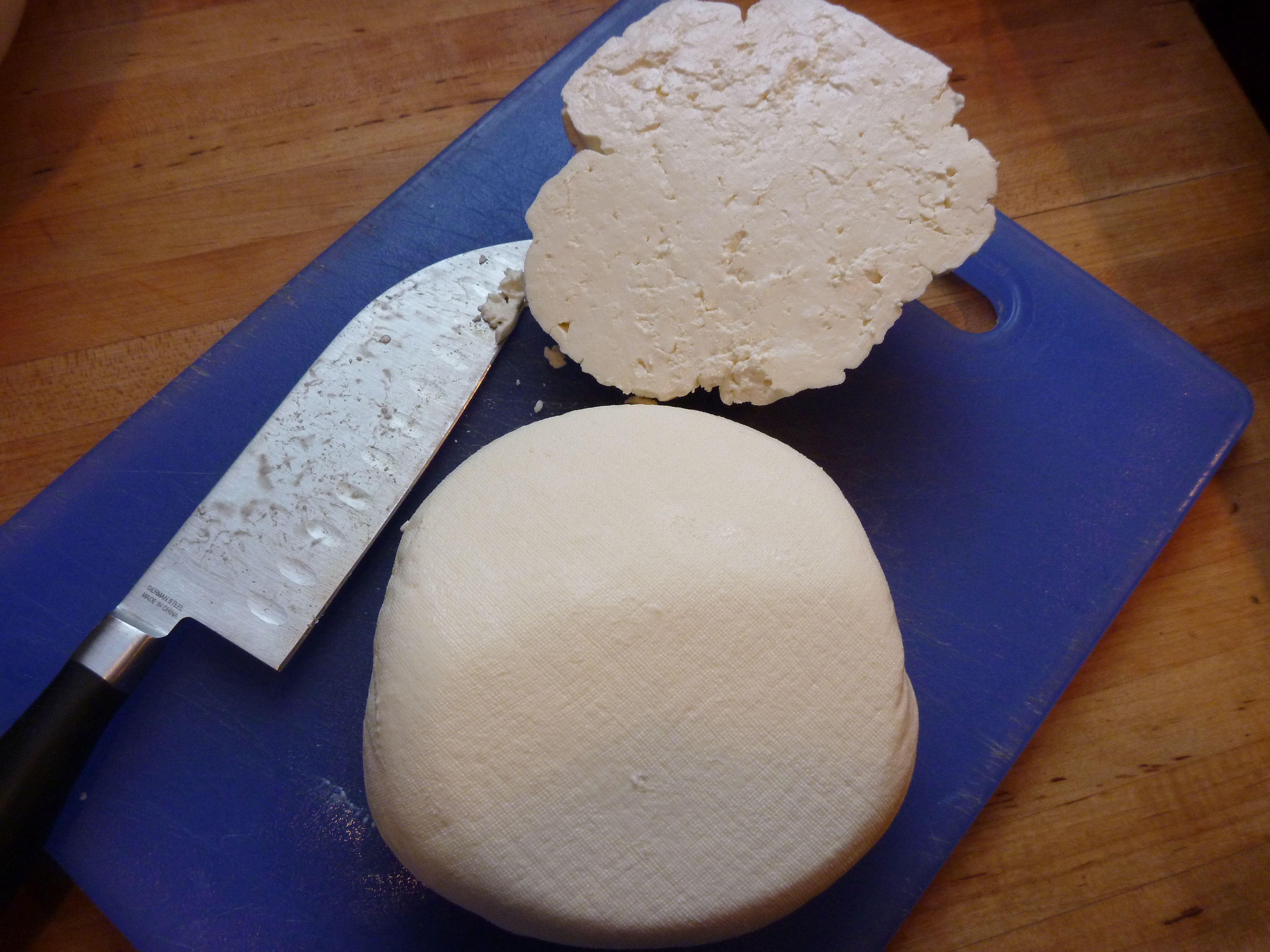
Mizithra is made from the whey left behind when feta or kefalotyri is drained, reheated with a little added sheep or goat milk until fresh curds rise, which puts it in the same by-product family as Italian ricotta. It exists in two quite different forms, and a recipe that calls for mizithra without saying which one it means is asking for trouble.
Fresh mizithra is soft, white, barely salted and faintly sweet. It fills Cretan cheese pies and the sweet sfakianopita, and it softens feta's salt in a savory pie filling. The dried and aged version, xeri mizithra, is a hard salty grating cheese, and it is what goes over makaronia me mizithra and over tsouchti, the Maniot dish of pasta finished with cheese and eggs.
Drained ricotta is the usual substitute for the fresh cheese and does the job, though it is milder and wetter, so it should sit in a sieve for twenty minutes before it goes anywhere near a pie filling. For the aged version there is no close match; a dry, salty pecorino gets nearer than anything else likely to be on a supermarket shelf.
What is mizithra cheese?
Mizithra (μυζήθρα, said mee-ZEE-thrah) is a Greek whey cheese made from sheep's milk, goat's milk or both. The whey from another cheese, sometimes with some fresh milk added, is heated almost to a boil, and the fine curds that rise are scooped out and drained in a cloth bag. It is the same idea as Italian ricotta, which means recooked, and the fresh cheese tastes much like a firmer, slightly sweeter ricotta.
Because the name is spelled out from the Greek, you will see it written mizithra, myzithra, mizitra, mitzithra and misithra. They are all the same cheese. The aged kind is often labeled simply Greek mizithra or myzithra on wedges in American cheese cases.
Fresh, aged and sour mizithra
Fresh mizithra is sold in tubs or cloth-wrapped rounds and keeps for days rather than weeks in the fridge. Aged mizithra is the same cheese salted and left to dry until it is hard enough to grate, and it keeps far longer.
Xinomizithra, meaning sour mizithra, is a separate cheese from Crete with its own protected designation of origin (PDO) in the EU. It is soft and tangy, closer to a fresh goat cheese, and it is used in Cretan pies and spread on rusks.
| Type | Greek | Texture and taste | How it is used |
|---|---|---|---|
| Fresh mizithra | φρέσκια μυζήθρα | Soft, moist, mild and faintly sweet | Pies, kalitsounia, dakos, with honey |
| Aged mizithra (xeri) | ξερή μυζήθρα | Hard, dry and salty | Grated over hot pasta and eggs |
| Xinomizithra | ξινομυζήθρα | Soft, spreadable and sour | Spread on bread, in Cretan pies |
Where mizithra comes from
Mizithra is made all over Greece, wherever there are sheep and goats, but it is mainly made on Crete and is most closely tied to the island. Fresh mizithra goes into a large share of the island's cooking, sweet and savory, as you can see in our recipes from Crete.
The cheese is old enough to have given its name to a place. The Byzantine town of Mystras in the Peloponnese takes its name from a cone-shaped hill once called Mizithra, because its shape looked like the cheese.
Close relatives exist elsewhere. Anthotyro is almost the same cheese, sometimes made with some cow's milk, and Cyprus has anari, its own fresh and dried whey cheese.
How mizithra is used in Greek cooking
Fresh mizithra is a filling cheese. On Crete it goes into kalitsounia, small sweet or savory cheese pies, and into sfakianopita, a thin pie fried in a pan and eaten with honey. It is crumbled over dakos, the barley rusk topped with grated tomato, and served with honey as a simple sweet. Mixed with feta it calms the salt in spanakopita-style fillings.
Aged mizithra is a finishing cheese. It is grated over pasta tossed in browned butter, over fried eggs and over tomato sauces, much as Italians use pecorino. Makaronia me mizithra, spaghetti with butter and mizithra, is one of the oldest and plainest pasta dishes in Greek home cooking.
Mizithra and browned butter spaghetti
In the US, mizithra is best known from the Old Spaghetti Factory. Its spaghetti with browned butter and mizithra cheese has been on the menu since the first restaurant opened in Portland, Oregon, in 1969, and the company describes it as an old family recipe. The chain uses aged mizithra imported from Greece and grates it over the top.
The Greek original is makaronia me mizithra. At home it is made with either the aged cheese grated over the top or fresh mizithra crumbled in, with plenty of butter. Browning the butter first gives the nutty flavor people remember from the restaurant version.
Substitutes, and where to buy it
In the US, aged mizithra is the easier one to find. Greek and Middle Eastern delis carry it, and you can sometimes find wedges in the specialty cheese case of larger supermarkets. Fresh mizithra is harder to come by outside Greek neighborhoods, so most American cooks use ricotta in its place.
For fresh mizithra, use whole-milk ricotta drained in a sieve, or ricotta mixed with a little crumbled feta for savory pies. For aged mizithra, Pecorino Romano is the closest swap, since it is also a hard, salty sheep's milk cheese. Parmesan works but is nuttier and less salty.
Questions people ask about mizithra
What is mizithra cheese?
A Greek whey cheese made from sheep's or goat's milk. It is sold fresh, when it is soft and mild like ricotta, or aged until hard and salty for grating.
Where is mizithra cheese from?
Greece, and above all Crete, where fresh mizithra is used in a great deal of the island's cooking. It is made across the rest of Greece too.
How do you pronounce mizithra?
mee-ZEE-thrah, with the th as in think and the stress on the middle syllable.
What is the difference between mizithra and ricotta?
Both are whey cheeses made the same way. Fresh mizithra is usually made from sheep or goat milk and is a little firmer, drier and sweeter than most ricotta, which is often made from cow's milk. Ricotta is the usual substitute.
What can you use instead of aged mizithra?
Pecorino Romano is the closest match, because it is also a hard, salty sheep's milk cheese. Parmesan will do but tastes nuttier.
Is xinomizithra the same as mizithra?
No. Xinomizithra is a soft, sour Cretan cheese with its own PDO status. It is related to mizithra but tangier and spreadable.
Recipes with mizithra
12 recipes on the site using it.
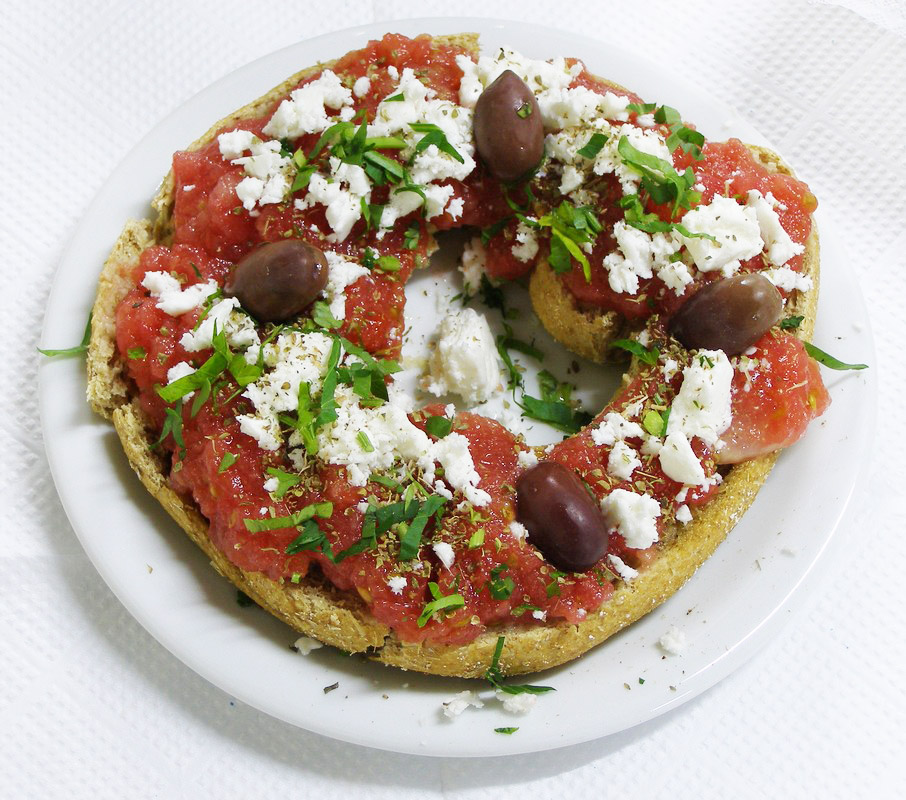 Cretan DakosDakos ΝτάκοςSalads · 12m · serves 4
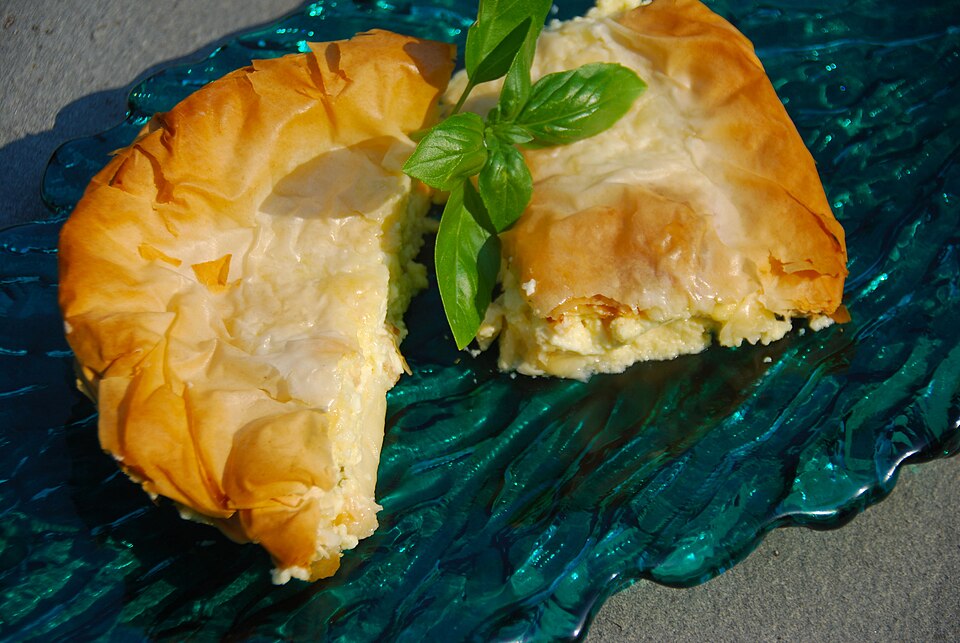 TiropitaTiropita ΤυρόπιταBreads and Pies · 1h 15m · serves 8
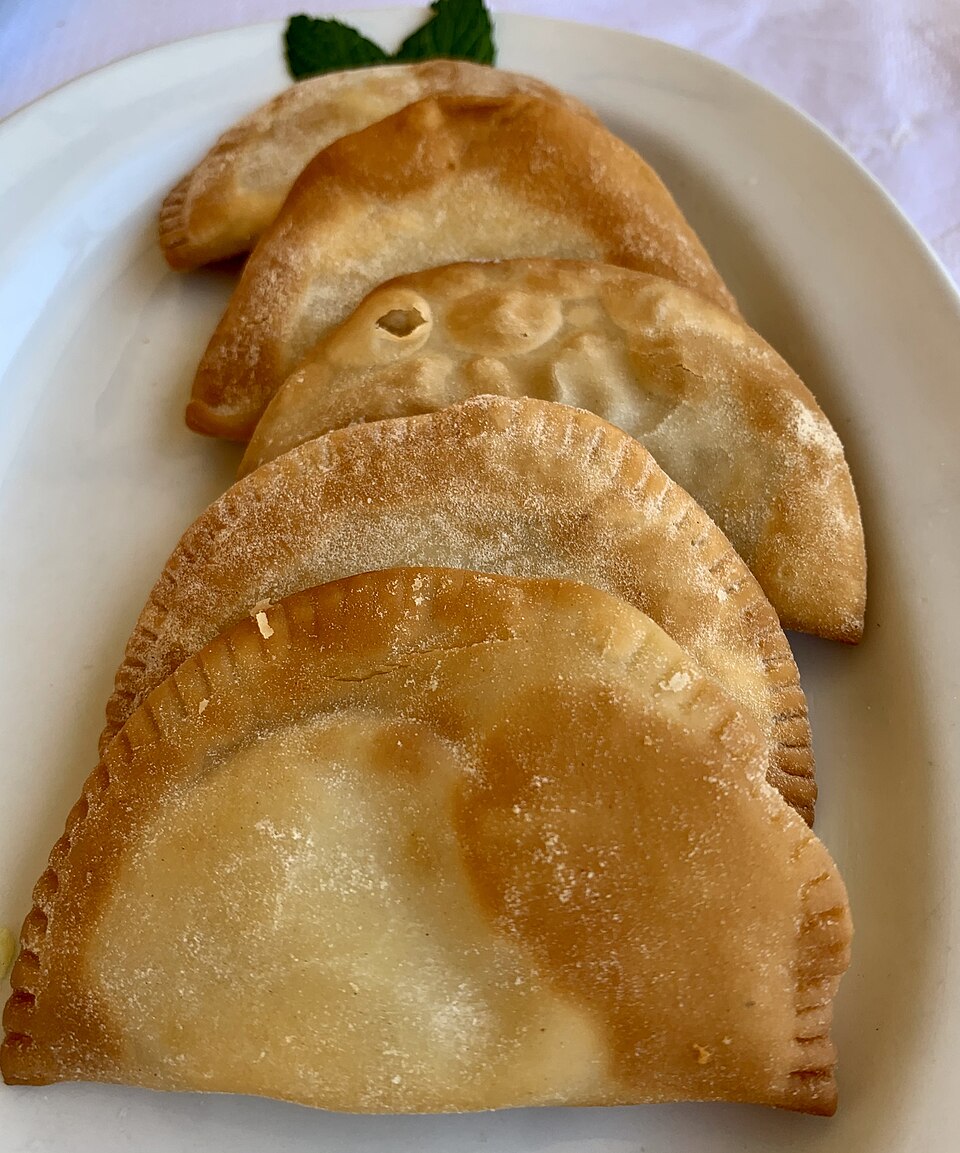 Cretan Sweet Cheese Hand PiesKalitsounia ΚαλιτσούνιαDesserts · 1h 10m · serves 8
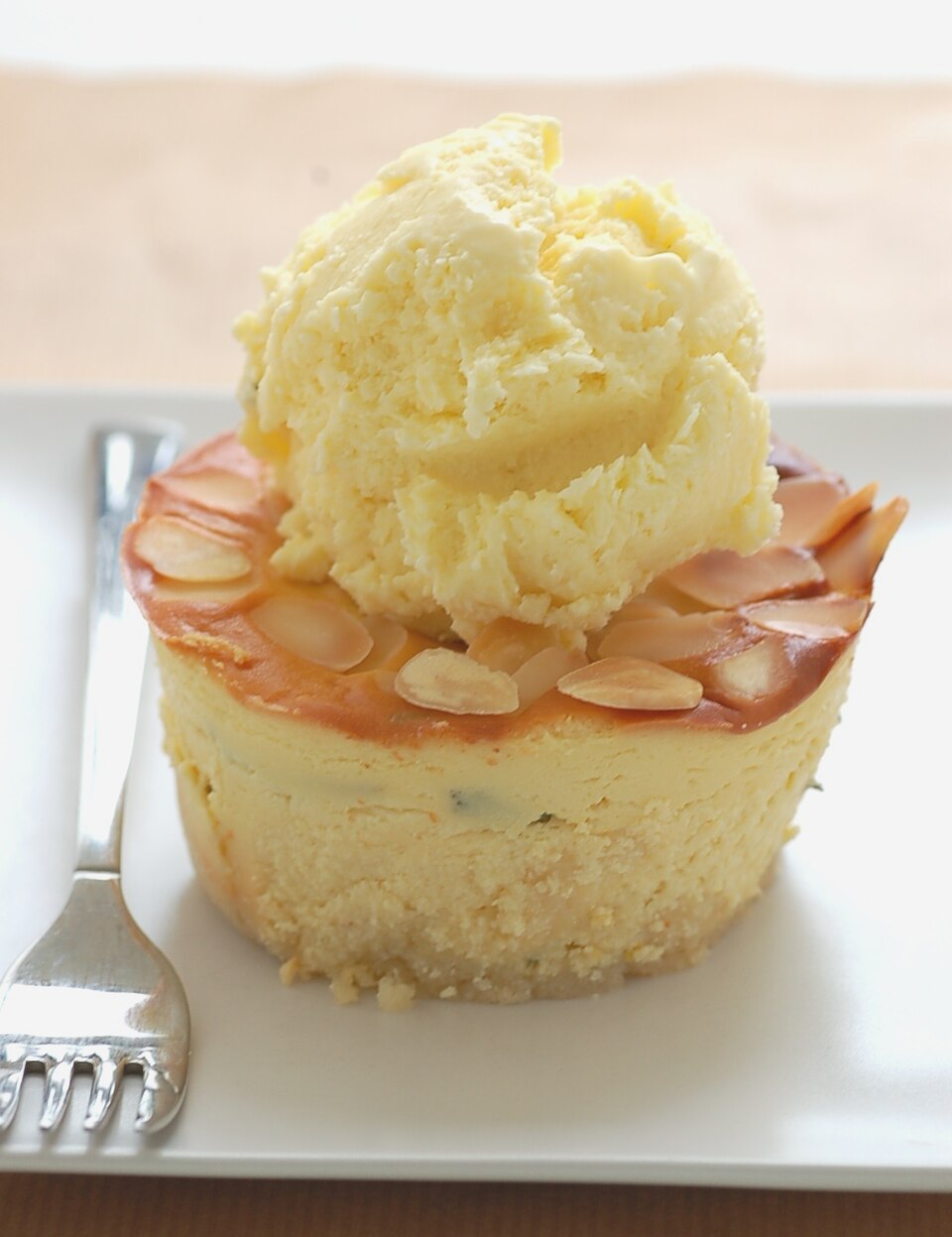 Sifnos Honey CheesecakeMelopita Sifnou Μελόπιτα ΣίφνουDesserts · 55m · serves 8
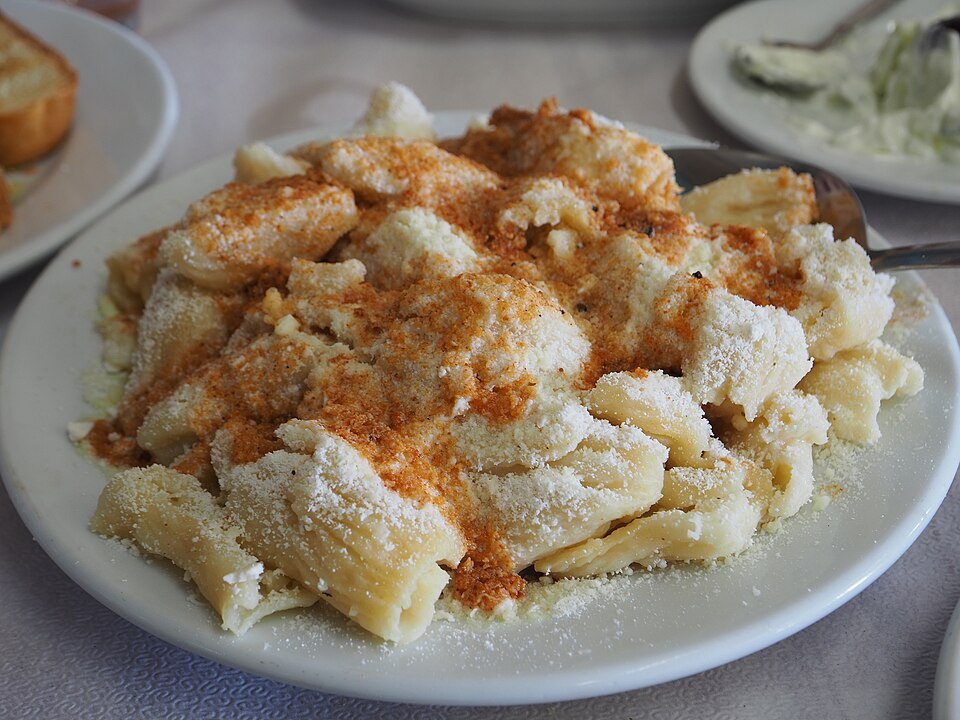 Pasta with Fresh Mizithra CheeseMakaronia me mizithra Μακαρόνια με μυζήθραMain Courses · 20m · serves 4
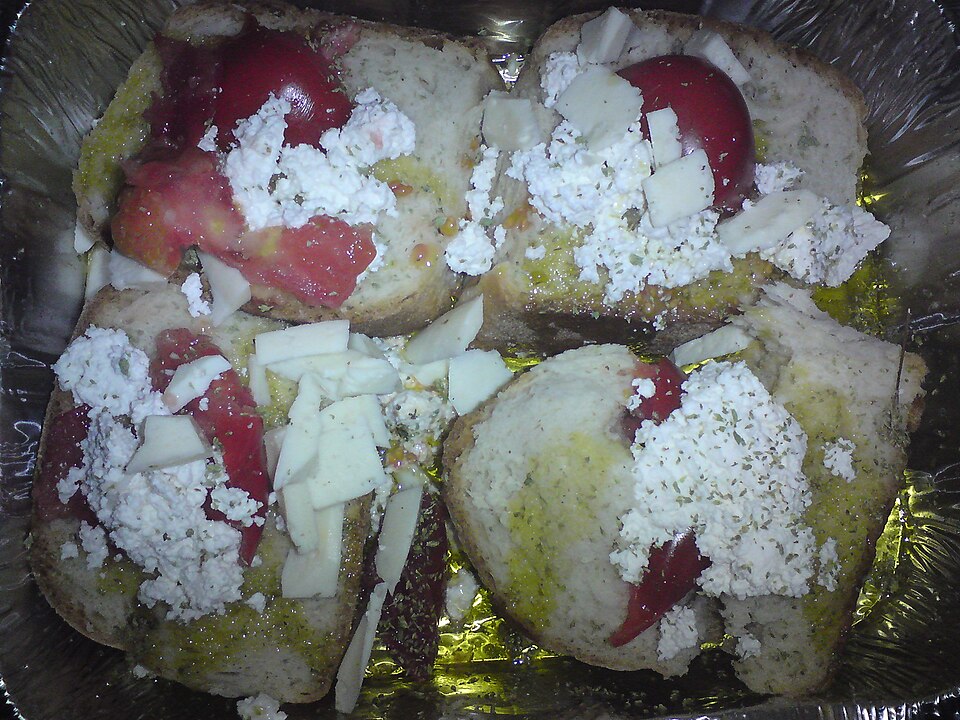 Ionian Rusk with Tomato and OreganoRiganada ΡιγανάδαSalads · 10m · serves 4
Get one proper Greek recipe a week
No round-ups, no filler, no fifteen-ingredient shortcuts. One dish, written out in full, with the reasoning included.
One email a week. Unsubscribe from any of them.