Greek Desserts · The Mainland · Boiled and Simmered · Lent and Nistisima
Halvas Farsalon Recipe (Greek Cornstarch Halva)
Χαλβάς Φαρσάλων hal-VAHS far-SAH-lon · Halvas Farsalon
In short
Halvas Farsalon is a firm, glossy Greek sweet made by cooking cornstarch and sugar syrup together until thick and gel-like, a genuinely distinct product from semolina-based halvas simigdalenios. It takes its name from Farsala in Thessaly, where it has been made commercially for generations, traditionally set in colourful layered bands.
Halvas Farsalon
- Prep
- 15m
- Cook
- 30m
- Total
- 45m
- Serves
- 12
- Level
- Intermediate
Ingredients
Ingredients
Tick ingredients off as you go. Quantities rescale with the buttons above.
Method
- 01Bring the sugar and 600ml water to a simmer in a pot, stirring to dissolve the sugar.
- 02In a separate bowl, whisk the cornstarch into the 250ml cold water until completely smooth.Whisk the cornstarch into cold water first.Yiayia
- 03Whisk the cornstarch mixture into the simmering syrup.
- 04Cook over a medium heat, stirring constantly, for 10 to 15 minutes, until very thick, glossy and almost translucent.
- 05Stir in the vanilla. If making layered colours, divide the mixture and tint each portion.
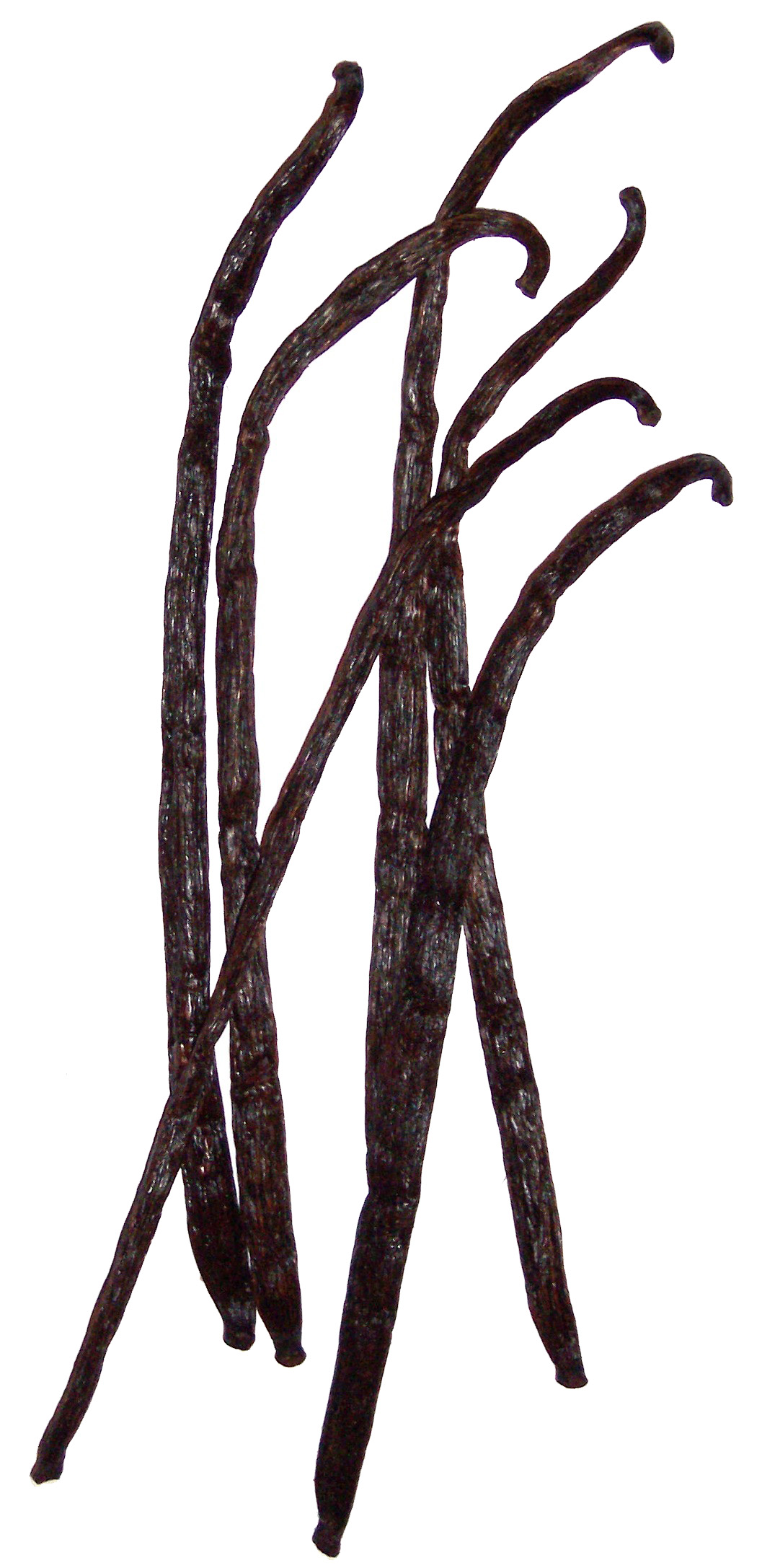
Vanilla - 06Pour into a lined tin in layers, letting each layer set for a few minutes before adding the next, or pour it all in at once for a single colour.
- 07Chill for at least 3 hours, until completely firm, before slicing.
Nutrition, per 1 piece
- Calories
- 142
- Protein
- 0 g
- Carbs
- 36 g
- Fat
- 0 g
- Sat fat
- 0 g
- Fibre
- 0 g
These figures are calculated estimates based on the ingredients listed, not laboratory analysis. Actual values vary with brands, cuts and portion size.
Halvas Farsalon takes its name directly from Farsala, a town in Thessaly where this particular style of halva has been made commercially for generations, and it is genuinely a different product from halvas simigdalenios, the semolina-based halva more commonly made at home, since Farsalon halva is set with cornstarch into a firm, glossy, almost jelly-like texture rather than a grainier, crumblier one.
This texture makes it naturally suited to being set in distinct colourful bands, a striped effect achieved simply by dividing the mixture and tinting each portion before layering it into the tin while still warm and workable.
It needs no dairy, egg or wheat at all, making it naturally vegan and gluten-free, and this has long made it a genuine Lenten treat in households observing fasting periods when many richer sweets are off the table.
Key preparation steps
- Make a sugar syrup.
- Whisk cornstarch into cold water and combine with the hot syrup.
- Cook until very thick and glossy.
- Layer into a tin in colourful bands, if you like, and chill until set.
The syrup and cornstarch mixture
Bring sugar and water to a simmer to make a light syrup, and separately whisk cornstarch into cold water until completely smooth with no lumps, since lumps here will not smooth out later no matter how long you cook the mixture.
Cooking until thick
Whisk the cornstarch mixture into the hot syrup and cook over a medium heat, stirring constantly, until it thickens dramatically into a very thick, glossy, almost translucent gel, a good ten to fifteen minutes of steady stirring that should not be rushed.
Layering and setting
For the traditional striped effect, divide the hot mixture into portions and tint each with a different natural or food-safe colour, then layer into a lined tin while still warm and workable, letting each layer set slightly before adding the next. Chill until completely firm before slicing.
What matters in this dish
Whisk the cornstarch into cold water first
Any lumps at this stage will not smooth out later, however long you cook the mixture.
Stir constantly once it goes on the heat
The mixture thickens quickly and unevenly if left unstirred, and can catch on the base of the pot.
Work quickly if layering colours
The mixture firms up as it cools, so have your colours and tin ready before you start layering.
Questions people ask about Halvas Farsalon
What is the difference between halvas Farsalon and halvas simigdalenios?
Halvas simigdalenios is made from toasted semolina cooked in syrup, giving a grainier, crumblier texture, while halvas Farsalon is set with cornstarch, giving a firm, glossy, almost jelly-like texture, a genuinely different product despite both being called halva.
Why is halvas Farsalon associated with Farsala specifically?
This particular cornstarch-based style has been made commercially in the town of Farsala, in Thessaly, for generations, and it takes its name directly from that association.
Is halvas Farsalon vegan?
Yes, made from just sugar, water and cornstarch, with no dairy or egg at all, it is naturally vegan and gluten-free, which is part of why it has long been popular during Lenten fasting periods.