Greek Meze and Appetisers · The Mainland · Fried · Taverna Night
Greek Fried Fresh Anchovies (Gavros Tiganitos)
Γαύρος τηγανιτός GAHV-rohs tee-gah-nee-TOHS · Gavros tiganitos
In short
Gavros tiganitos is fresh whole anchovies, lightly dusted in flour and fried hot and quick until properly crisp, served immediately with lemon. It is a completely different preparation from gavros marinatos, which cures raw anchovies in vinegar, and the two dishes sit at opposite ends of how this small, oily fish is treated in Greek cooking.
Fried Fresh Anchovies
- Prep
- 20m
- Cook
- 10m
- Total
- 30m
- Serves
- 4
- Level
- Beginner
Ingredients
Ingredients
Tick ingredients off as you go. Quantities rescale with the buttons above.
Method
- 01Rinse the anchovies well and pat completely dry.
- 02Mix the flour, salt and pepper together on a plate.
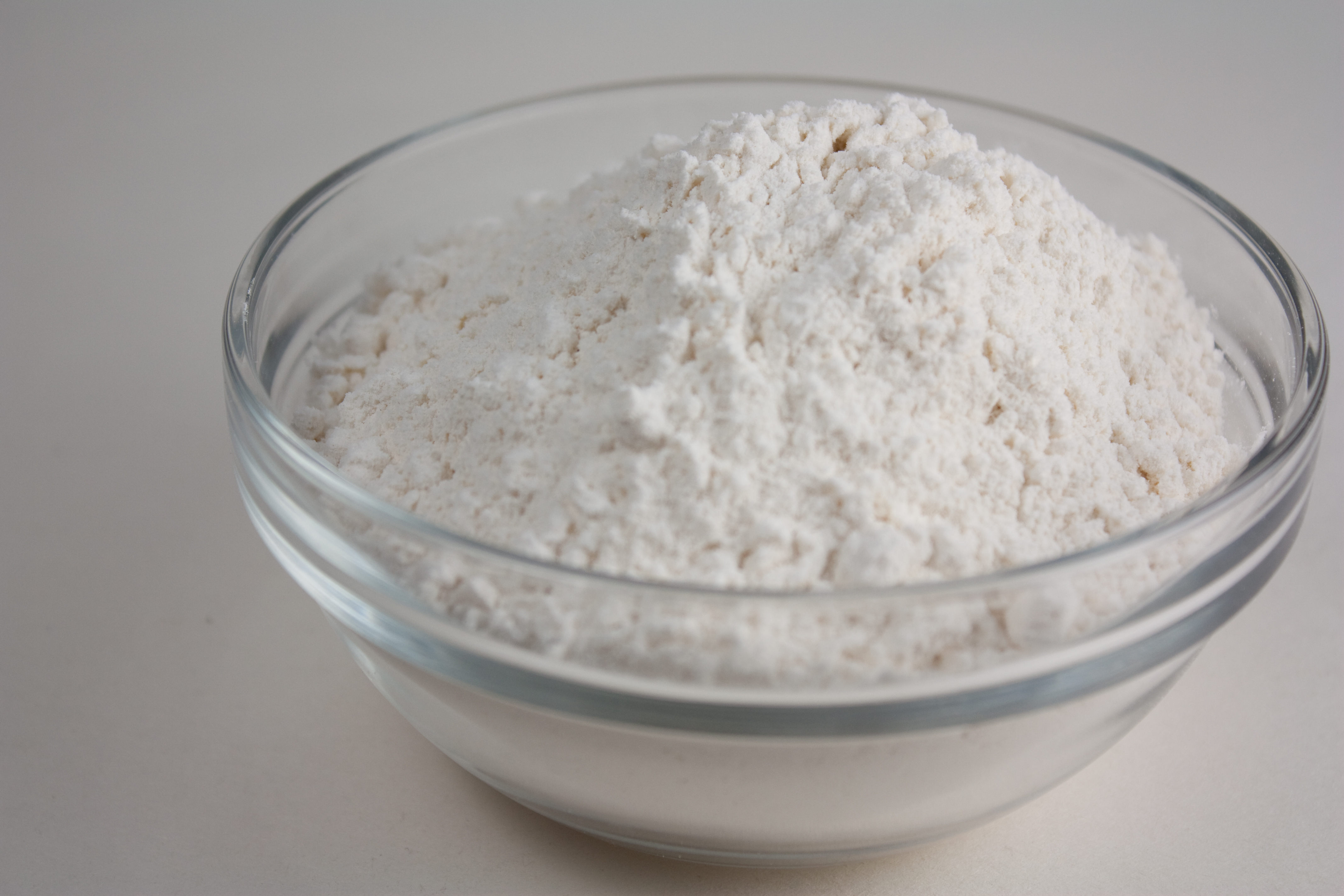
Flour - 03Heat a generous depth of oil in a wide pan over a medium-high heat.
- 04Dust the anchovies lightly in the seasoned flour, shaking off any excess.
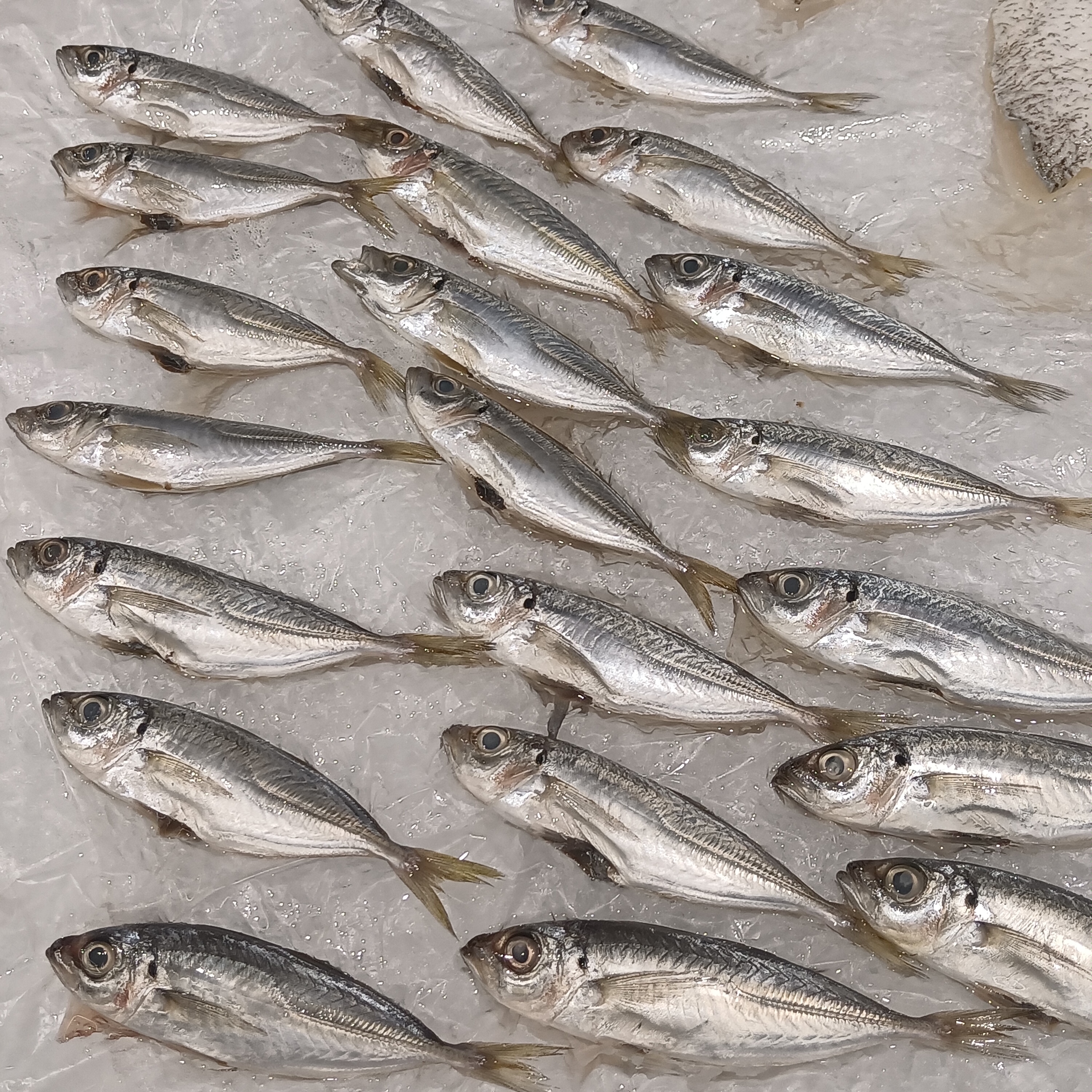
Anchovy Pat the anchovies completely dry first.Yiayia - 05Fry in batches for 1 to 2 minutes per side, until deeply golden and crisp. Do not crowd the pan.
- 06Drain briefly on paper towel and season with a little extra salt while still hot.
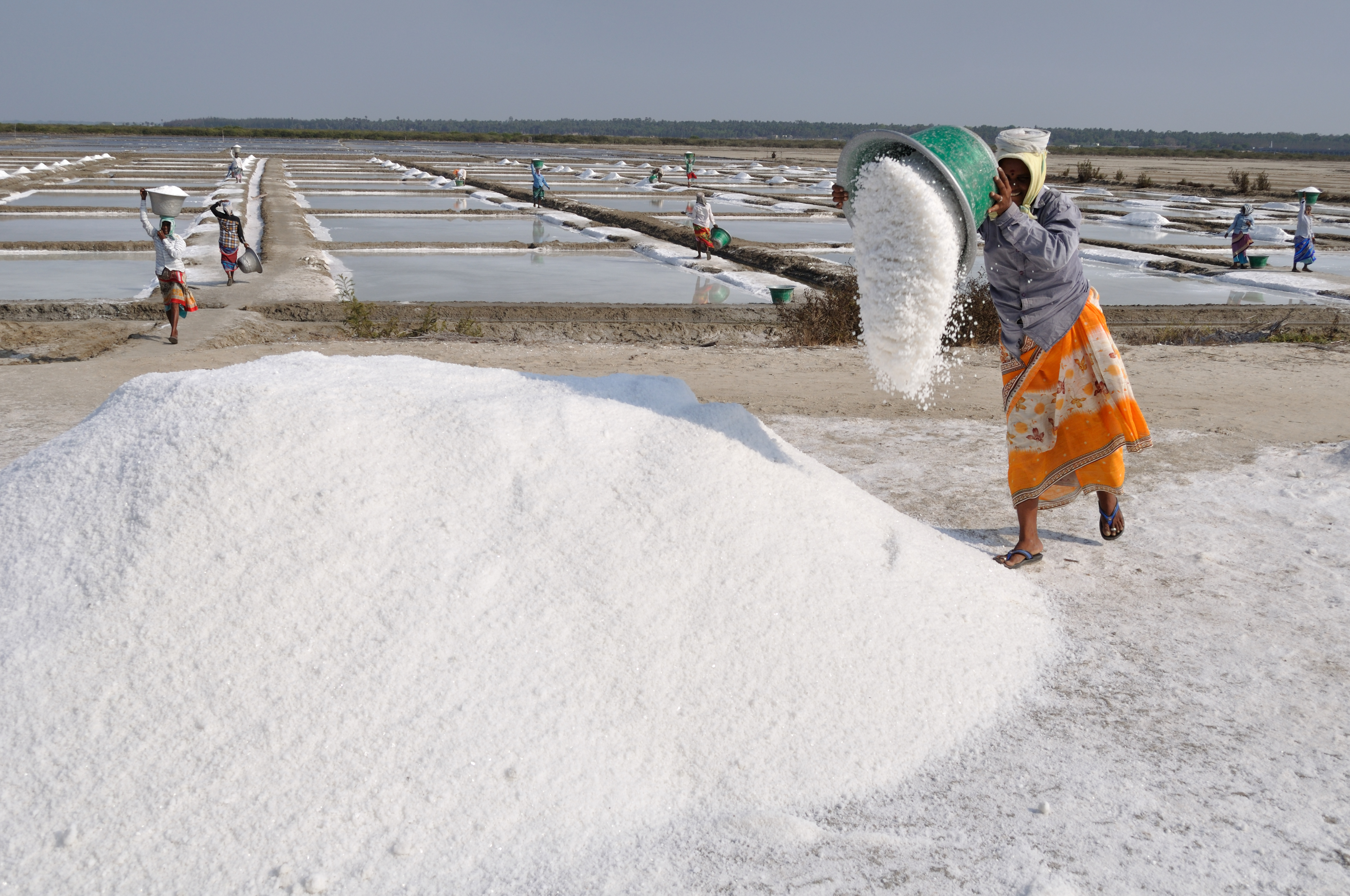
Salt - 07Serve immediately with lemon wedges.
Nutrition, per 1 portion
- Calories
- 268
- Protein
- 22 g
- Carbs
- 10 g
- Fat
- 16 g
- Sat fat
- 3 g
- Fibre
- 0 g
These figures are calculated estimates based on the ingredients listed, not laboratory analysis. Actual values vary with brands, cuts and portion size.
Gavros tiganitos sits at the opposite end of anchovy cookery from gavros marinatos, this site's cured, vinegar-marinated version, since here the small, oily fish is fried fresh and hot rather than left raw and cured, giving a genuinely different dish, crisp and savoury rather than sharp and tangy.
Fresh anchovies cook remarkably fast, needing only a couple of minutes of hot oil to turn properly crisp, and this speed is exactly what makes gavros tiganitos such a common, quick taverna starter rather than a considered, long-prepared dish.
A light dusting of flour is all the coating this needs, letting the anchovies' own flavour come through rather than burying it under a heavy batter, and a good squeeze of lemon at the table is genuinely essential rather than optional.
Key preparation steps
- Clean fresh anchovies, leaving them whole or butterflied.
- Dust lightly in seasoned flour.
- Fry hot and fast until crisp.
- Serve immediately with lemon.
Preparing the anchovies
Fresh anchovies can be fried whole, heads removed, or butterflied open with the spine lifted out, which some diners prefer since it avoids picking out small bones at the table. Rinse well and pat completely dry before flouring, since excess moisture stops the coating from crisping properly.
Flouring and frying
Dust the anchovies lightly in well-seasoned flour, shaking off any excess, then fry in hot oil for just a minute or two per side, until deeply golden and properly crisp. Fry in batches rather than crowding the pan, which drops the oil temperature and gives soggy rather than crisp results.
Serving
Drain briefly on paper towel and serve immediately while still hot and crisp, with plenty of lemon wedges. This is not a dish that waits well, since the crispness fades quickly once the anchovies cool.
What matters in this dish
Pat the anchovies completely dry first
Excess moisture stops the flour coating from crisping properly, giving a soggier result.
Do not crowd the pan
Frying too many at once drops the oil temperature, and the anchovies steam rather than fry crisp. Work in batches.
Serve immediately
This dish does not wait well. The crispness fades quickly once the anchovies cool, so have the lemon ready at the table before you start frying.
Questions people ask about Gavros tiganitos
What is the difference between gavros tiganitos and gavros marinatos?
They are essentially opposite treatments of the same small fish. Gavros marinatos cures raw anchovies in vinegar, giving a sharp, tangy, cold dish, while gavros tiganitos fries fresh anchovies hot and crisp, giving a completely different, warm, savoury result.
Do you need to remove the bones from fresh anchovies?
Not necessarily. Whole fried anchovies have very fine, soft bones that are generally eaten along with the fish without any trouble, though butterflying and removing the spine is an option if you prefer.
What oil is best for frying anchovies?
A neutral vegetable or sunflower oil with a high smoke point works best, keeping the anchovies' own delicate flavour forward rather than competing with a strong-flavoured oil.