Greek Main Courses · The Mainland · The Cyclades · Baked · Mezedes and Ouzo
Greek Prawns with Feta and Tomato (Garides Saganaki)
Γαρίδες σαγανάκι ghah-REE-des sah-ghah-NAH-kee · Garides saganaki
In short
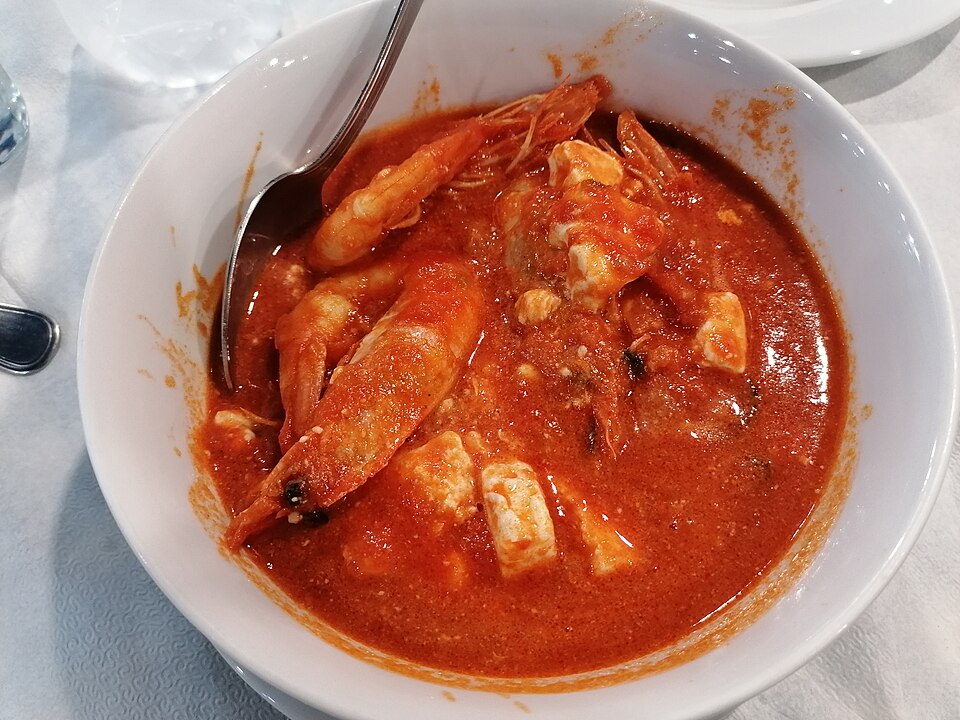
Garides saganaki is a Greek dish of prawns cooked in a tomato sauce with ouzo and topped with feta, finished in the oven or under a grill. The prawns are added near the end because they need only three or four minutes and overcook easily.
Prawns with Feta and Tomato
- Prep
- 12m
- Cook
- 25m
- Total
- 37m
- Serves
- 4
- Level
- Beginner
Ingredients
Ingredients
Tick ingredients off as you go. Quantities rescale with the buttons above.
Method
- 01Heat the olive oil in a wide ovenproof frying pan over a medium heat. Cook the onion gently for 8 minutes until soft and translucent.An ovenproof pan saves a dish.Yiayia
- 02Add the garlic and chilli if using and cook for 1 minute more, until fragrant but not coloured.
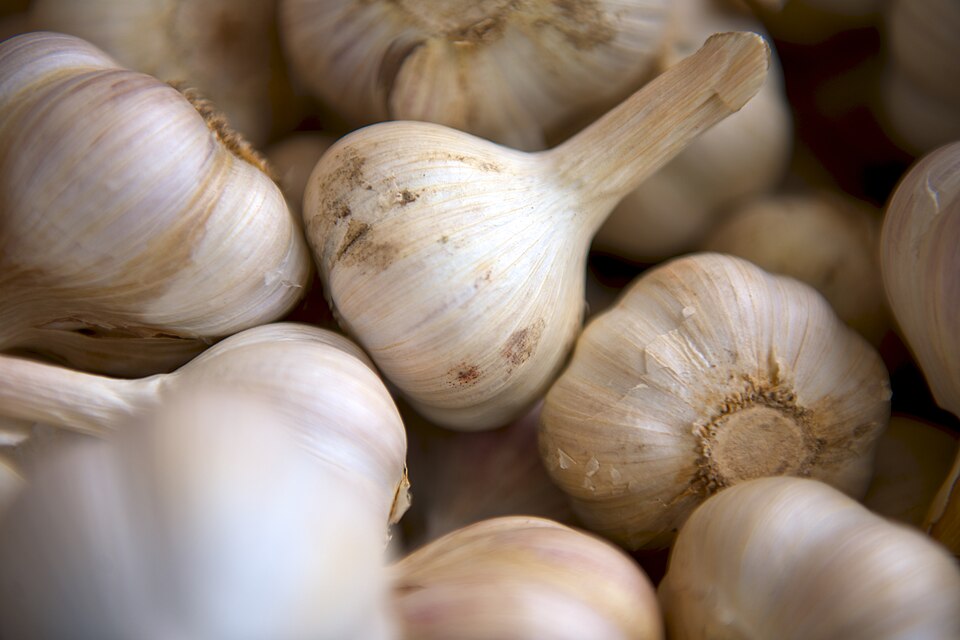
Garlic - 03Pour in the ouzo and let it bubble hard for a minute until the alcohol has cooked off.
- 04Add the tomatoes, tomato puree, sugar and oregano. Season with pepper and only a little salt, as the feta is salty.
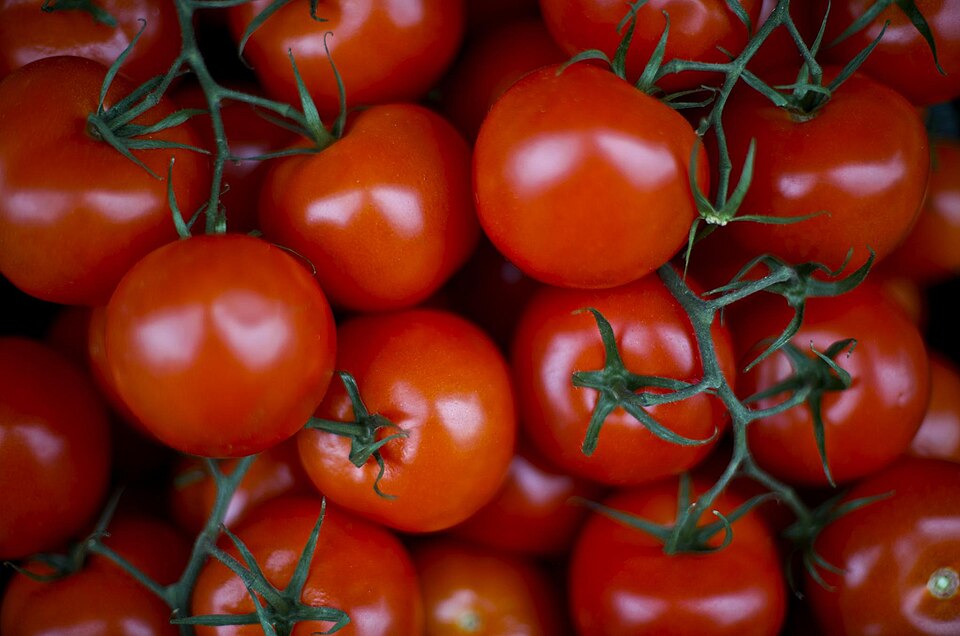
Tomato - 05Simmer uncovered for 15 minutes until thickened and no longer watery. Taste and adjust. The sauce must be finished before the prawns go anywhere near it.
- 06Heat the grill to high. Stir the prawns into the sauce and cook for 3 minutes only, turning once, until just turning opaque.
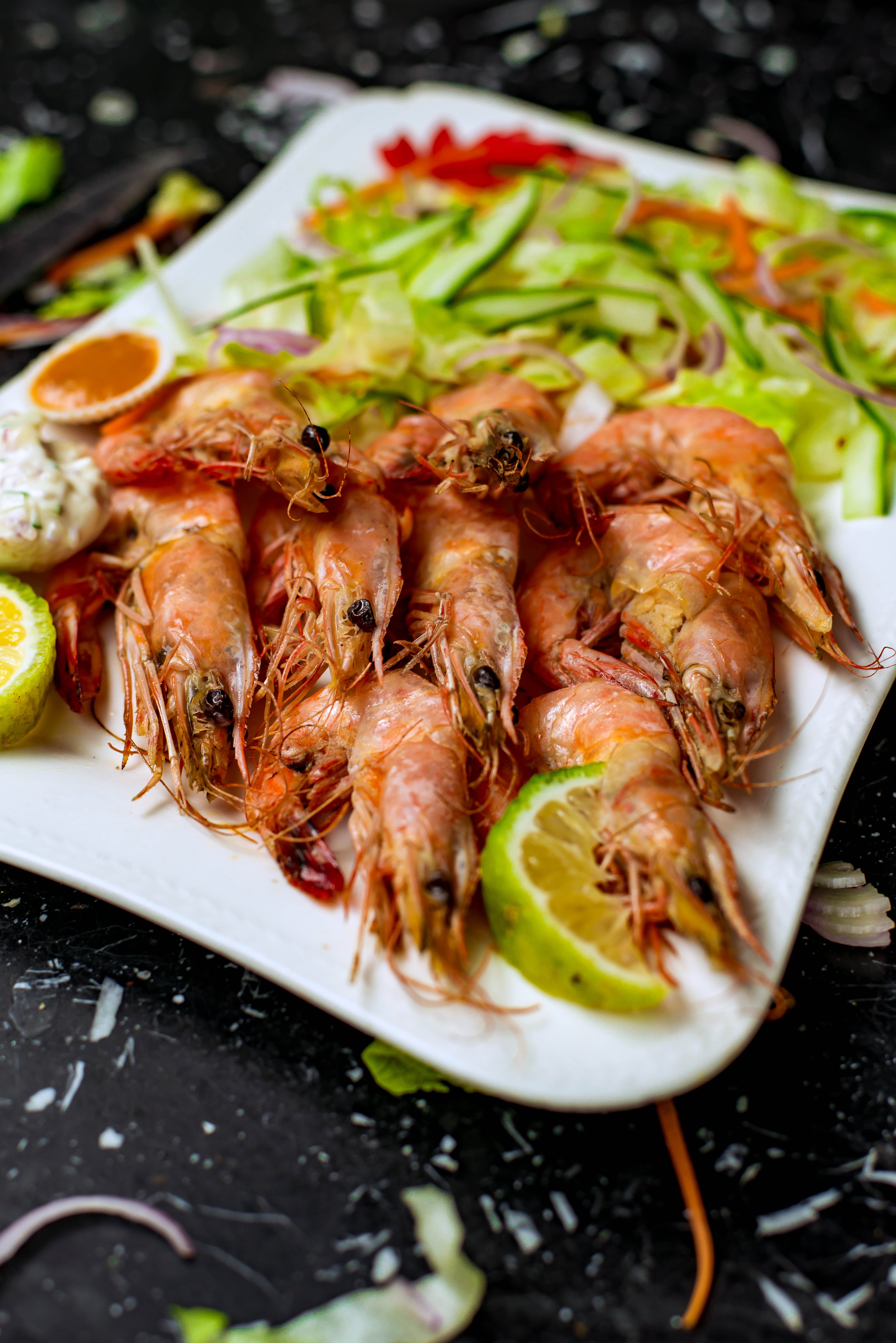
Prawns - 07Crumble the feta evenly over the top and slide the pan under the hot grill for 3 to 4 minutes, until the feta has softened and taken a little colour.
- 08Scatter with parsley and serve immediately, straight from the pan, with plenty of bread.
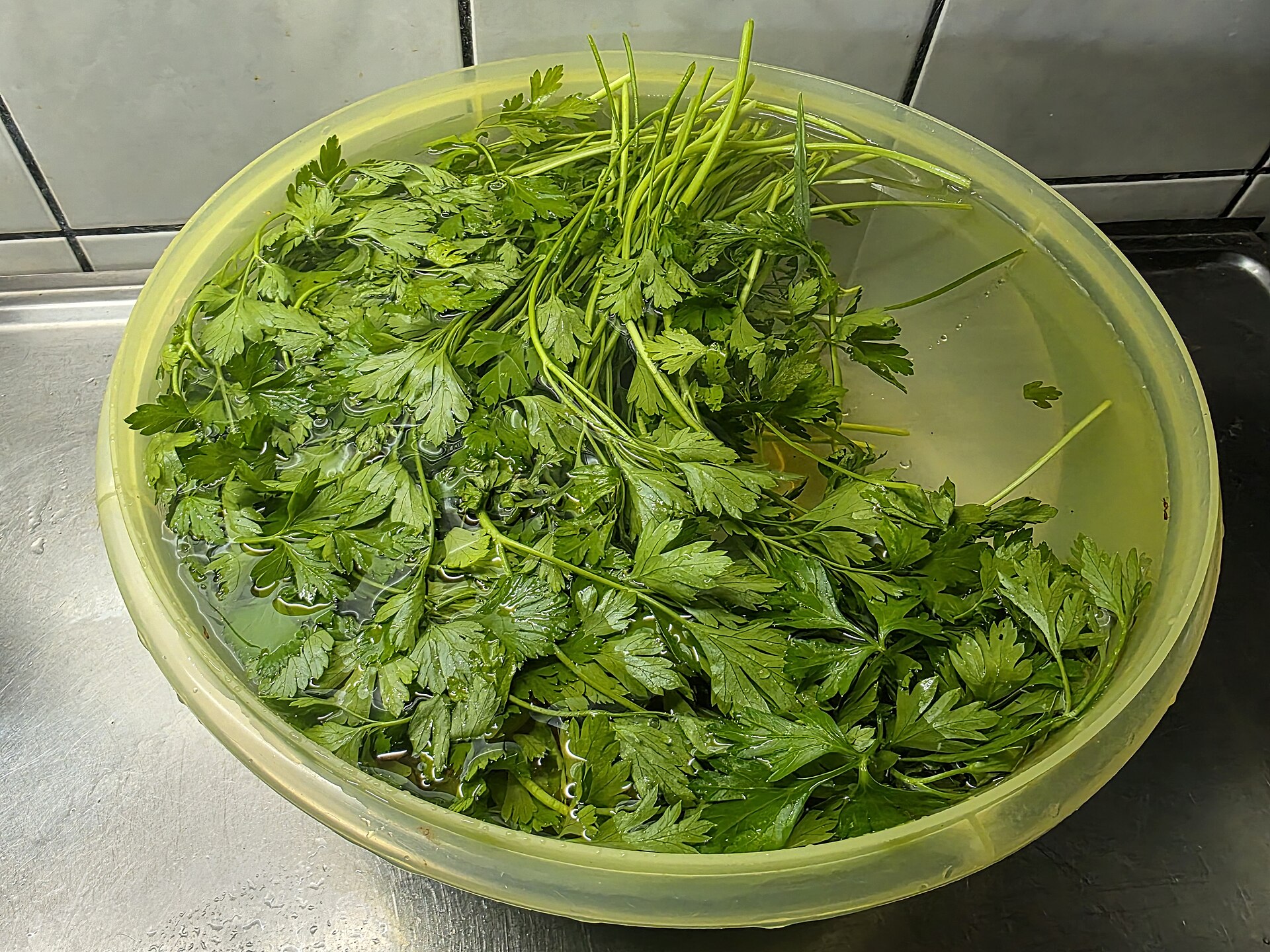
Parsley
Nutrition, per 1 portion
- Calories
- 412
- Protein
- 38 g
- Carbs
- 12 g
- Fat
- 23 g
- Sat fat
- 9 g
- Fibre
- 2 g
These figures are calculated estimates based on the ingredients listed, not laboratory analysis. Actual values vary with brands, cuts and portion size.
Saganaki again refers to the pan rather than the cheese, and this is the other famous dish cooked in one: prawns in a sharp tomato sauce with feta melting over the top.
It takes twenty-five minutes and the only way to get it wrong is timing. Prawns need three or four minutes. The sauce needs twenty. So you make the sauce first, properly, and the prawns go in near the end.
The ouzo is not optional if you want it to taste like the taverna version. A splash flamed off in the pan leaves an aniseed note behind the tomato that is the signature of the dish.
Key preparation steps
- Build and reduce the tomato sauce fully before the prawns appear.
- Add ouzo and let it cook off.
- Stir in the prawns for three minutes only.
- Crumble feta over and finish under a hot grill.
Shell on or off?
Shell on gives noticeably better flavour, because the shells release it into the sauce, and it looks better. It also makes the dish messy to eat, which in Greece is considered part of the point.
The practical compromise, and what I do, is to peel the bodies but leave the heads and tails on. You get most of the flavour and people can still eat it with a fork.
If you peel them completely, fry the shells in the oil for two minutes at the start and then remove them. That recovers most of what you lose.
Does the ouzo matter?
Yes. It is what distinguishes this from prawns in tomato sauce anywhere else in the Mediterranean. Aniseed and tomato is an unlikely combination that works.
Add it to the hot pan and let it bubble for a minute so the alcohol burns off, leaving the aromatics. If you want the theatre you can flame it, though it makes no difference to the result.
Ouzo, tsipouro or raki all work. Pernod or another anise spirit is a reasonable substitute. If you leave it out entirely, add a pinch of fennel seed instead so there is still something aromatic behind the tomato.
Why the prawns go in last
A prawn is cooked when it turns opaque and curls into a loose C shape. That takes about three minutes in a simmering sauce. Cooked to a tight O it has gone too far and the texture is rubbery.
So the sauce has to be completely finished before they go in. Reduce it, season it, taste it, and only then add the prawns.
The residual heat during the grill stage continues cooking them, so pull them at the point where they are just barely opaque. They will finish under the feta.
Serving
Bread, and a lot of it. The sauce is the best part of this dish and leaving it in the pan is not an option.
Serve straight from the pan it was cooked in, which is both traditional and keeps it hot. A green salad alongside and nothing else.
It does not reheat well because the prawns overcook the second time. Make what you will eat.
What matters in this dish
Do not let the feta fully melt
Feta softens and browns rather than melting smoothly. Pull it out while there are still distinct pieces, which is the texture you want against the sauce.
An ovenproof pan saves a dish
Cook, grill and serve in the same pan. If yours is not ovenproof, transfer to a shallow baking dish before the feta goes on.
Fry the shells if you peel them
Two minutes in the oil at the start, then lift them out. Recovers most of the flavour that peeling costs you.
Questions people ask about Garides saganaki
What does saganaki mean?
It is the small two-handled pan the dish is cooked in, not an ingredient. Cheese saganaki is the most famous version, but prawn and mussel saganaki are equally traditional.
Can you make garides saganaki without ouzo?
Yes, though the aniseed note is the signature of the dish. Pernod or another anise spirit substitutes directly. Failing that, a pinch of fennel seed gives a similar aromatic lift.
Can you use frozen prawns?
Yes. Thaw them completely and pat them very dry first, or the water they release will thin the sauce you just spent fifteen minutes reducing.
Can you make it ahead?
Make the sauce up to two days ahead and refrigerate it. Add the prawns and feta only when you are ready to serve, since reheated prawns go rubbery.