Greek Dips and Sauces · Epirus · No-Cook · Mezedes and Ouzo
Epirus Soft Cheese on Rusk (Galotyri me Paximadi)
Γαλοτύρι με παξιμάδι gah-loh-TEE-ree meh pahk-see-MAH-thee · Galotyri me paximadi
In short
Galotyri me paximadi is Epirus's own soft, tangy, naturally cultured cheese spooned generously over a barley rusk drizzled with olive oil, the region's answer to the more widely known Cretan dakos, built around a completely different, genuinely distinctive cheese.
Epirus Soft Cheese on Rusk
- Prep
- 10m
- Cook
- None
- Total
- 10m
- Serves
- 4
- Level
- Beginner
Ingredients
Ingredients
Tick ingredients off as you go. Quantities rescale with the buttons above.
Method
- 01Splash each rusk lightly with water, just enough to soften slightly without turning fully soggy.Splash the rusk lightly, not heavily.Yiayia
- 02Arrange the rusks on plates.
- 03Spoon the galotyri generously over each rusk.
- 04Drizzle with olive oil.
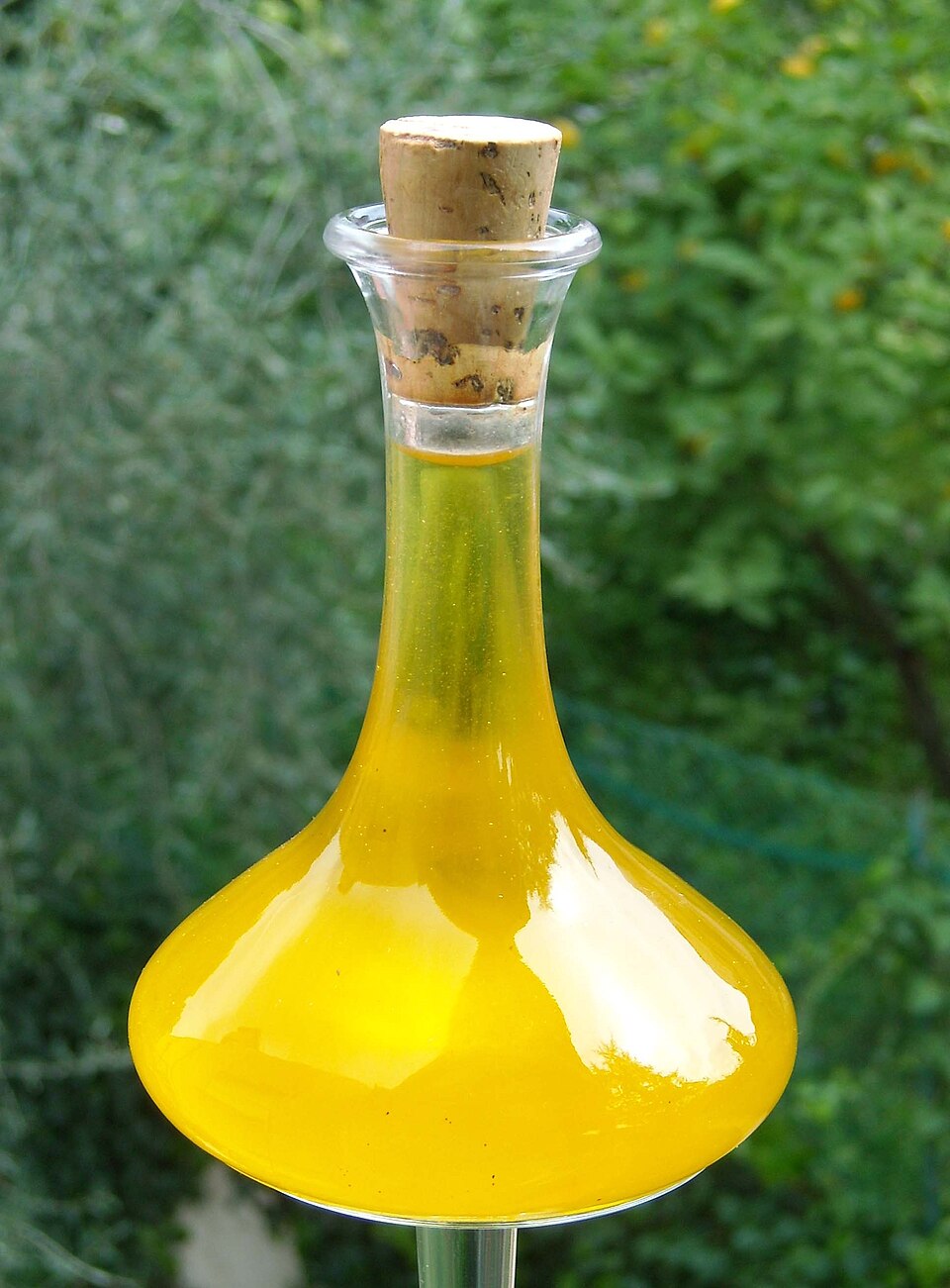
Olive Oil - 05Scatter with dried oregano and a good grinding of black pepper.
- 06Serve immediately.
Nutrition, per 1 portion
- Calories
- 268
- Protein
- 9 g
- Carbs
- 24 g
- Fat
- 16 g
- Sat fat
- 6 g
- Fibre
- 2 g
These figures are calculated estimates based on the ingredients listed, not laboratory analysis. Actual values vary with brands, cuts and portion size.
Galotyri is a genuinely distinctive Epirus cheese, soft, spoonable and carrying a real tang from natural culturing, closer in spirit to a rich, thick yoghurt or a soft fresh cheese than anything resembling a firm table cheese. Spooned over a barley rusk with a good drizzle of olive oil, it becomes the region's own version of the same idea behind Cretan dakos, though the character of the finished dish is quite different.
It holds Protected Designation of Origin status specific to the mountainous parts of Epirus and neighbouring Thessaly, made in small batches by traditional methods, and it is genuinely worth seeking out from a good Greek delicatessen rather than substituting something else if you want the authentic result.
This is barely a recipe, more an assembly of two or three genuinely excellent ingredients, and it depends entirely on the quality of the cheese itself.
Key preparation steps
- Soften a barley rusk very briefly with water.
- Spoon galotyri generously over the top.
- Drizzle with good olive oil.
- Finish with oregano and serve immediately.
About galotyri
Galotyri is a soft, naturally fermented cheese from Epirus and parts of Thessaly, holding Protected Designation of Origin status, with a tang that comes from its own culturing process rather than added vinegar or lemon. It should be soft enough to spoon rather than slice, and genuinely tangy rather than mild.
A soft, fresh, slightly sour cheese, such as a young, unstrained yoghurt cheese, is the closest reasonable substitute if genuine galotyri is not available, though the flavour will be noticeably milder.
Preparing the rusk
A dry barley rusk, exactly the kind used for Cretan dakos, needs a brief splash of water to soften it just enough to bite through without shattering, while still keeping a firm, chewy base rather than turning fully soggy.
Assembling
Spoon the galotyri generously over the softened rusk, drizzle with good olive oil, and finish with a scatter of dried oregano and a good grinding of black pepper. Serve immediately as a meze, since the rusk continues to soften the longer it sits under the cheese.
What matters in this dish
Splash the rusk lightly, not heavily
It should soften just enough to bite through, keeping a firm, chewy base rather than turning fully soggy.
Use genuine galotyri if you can find it
Its natural tang, from its own culturing process, is the whole point of this dish and is genuinely worth seeking out.
Serve immediately
The rusk continues softening under the cheese the longer it sits.
Questions people ask about Galotyri me paximadi
What is galotyri?
A soft, naturally fermented, tangy cheese from Epirus and parts of Thessaly, holding Protected Designation of Origin status, spoonable rather than sliceable and genuinely distinctive among Greek cheeses.
Can you substitute another cheese for galotyri?
A soft, fresh, slightly sour cheese such as a young unstrained yoghurt cheese is the closest reasonable substitute, though the flavour will be noticeably milder than genuine galotyri.
Is this the same as Cretan dakos?
It follows the same basic idea, rusk, cheese, olive oil, oregano, but uses Epirus's own galotyri rather than the grated fresh tomato and mizithra of Cretan dakos, giving a genuinely different regional dish.