Grains and Pulses
Cornmeal
Καλαμποκάλευρο · Kalampokalevro
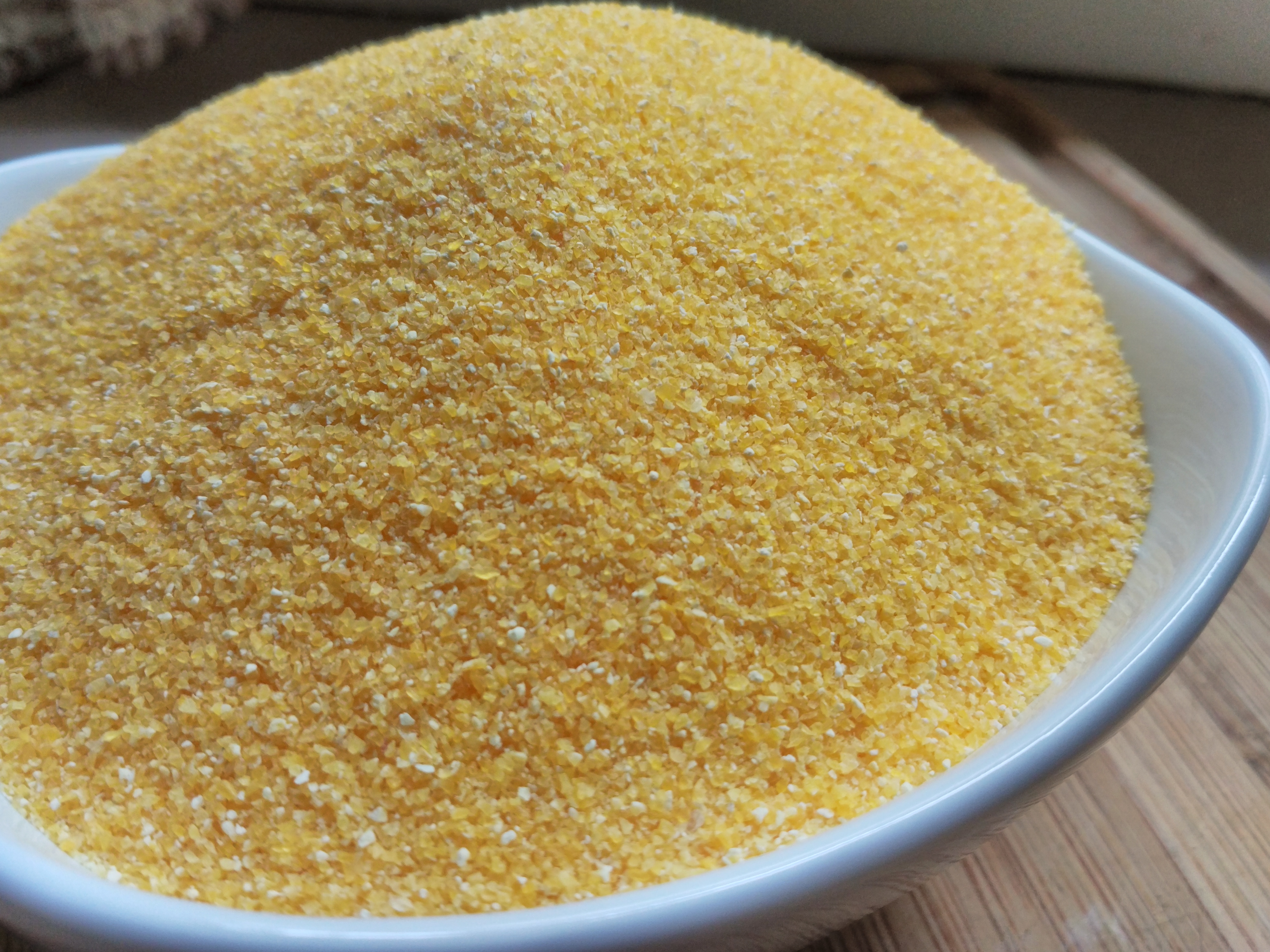
Maize reached Greece from the Americas by way of the Ottoman Balkans and settled where wheat did least well, in the mountains of Epirus, Macedonia and Thessaly. It grew fast and yielded heavily on poor ground, and for a long stretch of Greek history cornmeal bread was what a household ate when wheat had to be sold or was simply out of reach.
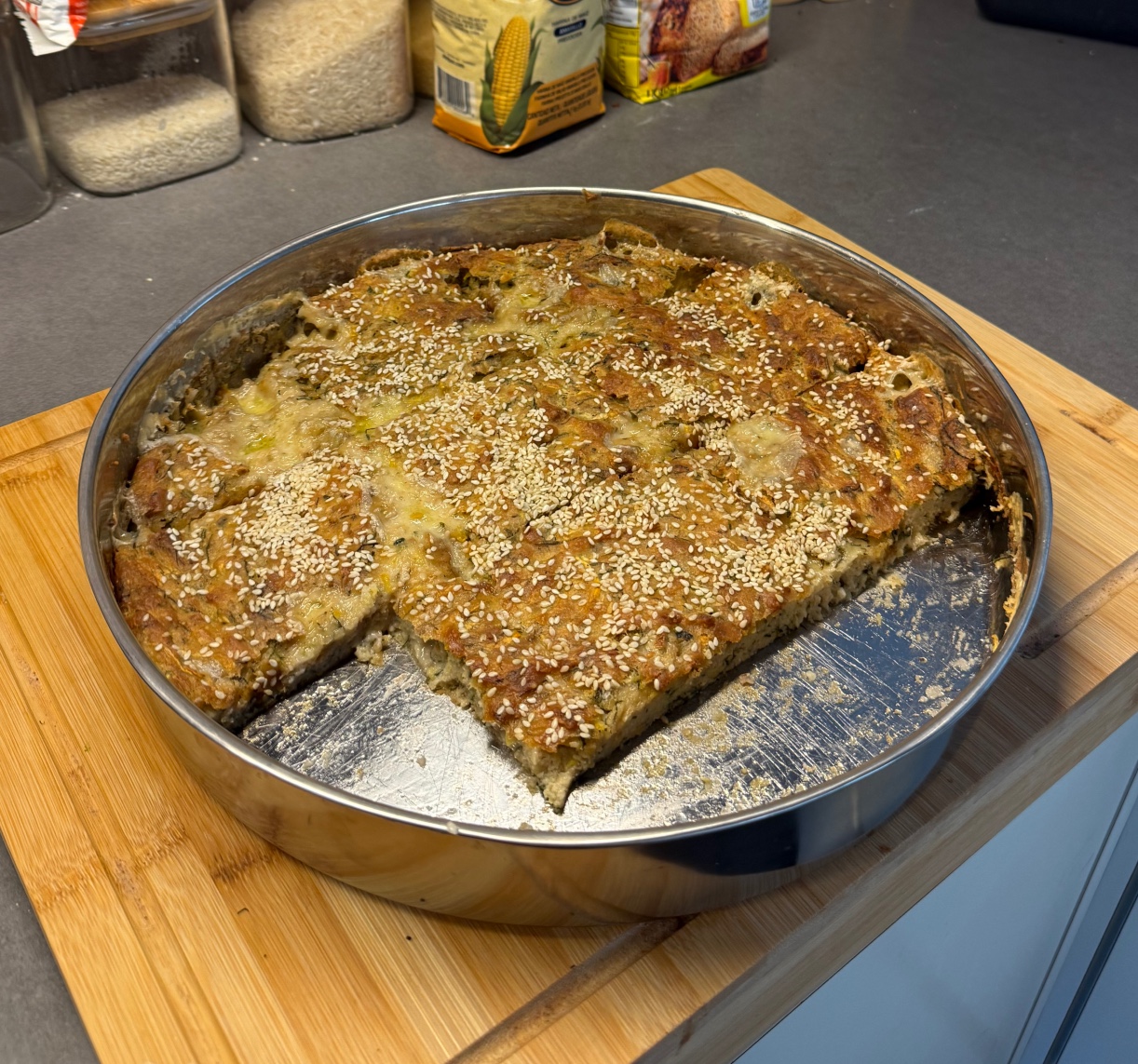
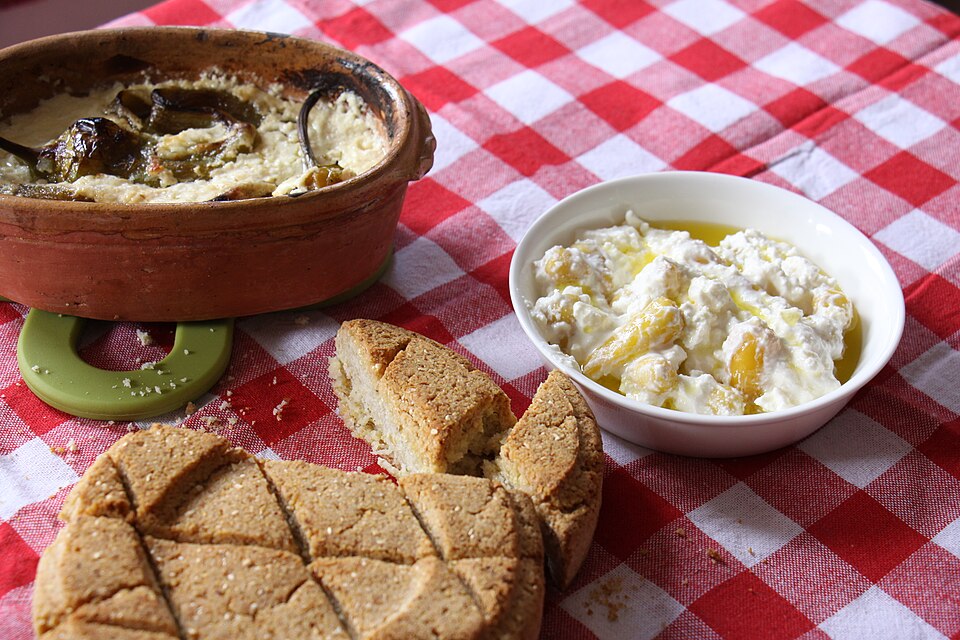
Bobota is that bread, and it carries a hard memory: during the famine of the Occupation years it was the ration loaf in much of the country, which is why older Greeks can be cool towards it. It has two forms. The savoury one is eaten in wedges with olives, wild greens and cheese; the sweet one is scented with orange, studded with raisins and soaked in syrup.
Cornmeal has no gluten, so nothing about wheat baking transfers. There is no kneading and no rise to wait for, the mixture is a pourable batter rather than a dough, and the result is dense and crumbly by design rather than by accident. It also stales within a day, so bobota is baked to be eaten the same afternoon it comes out.
Recipes with cornmeal
2 recipes on the site using it.
Get one proper Greek recipe a week
No round-ups, no filler, no fifteen-ingredient shortcuts. One dish, written out in full, with the reasoning included.
The signup form is not connected yet, so there is nothing here that would quietly lose your address. Email contact@kalliopiskitchen.com and you go on the list by hand.