
Herbs
Celery Leaf
Σέλινο · Selino
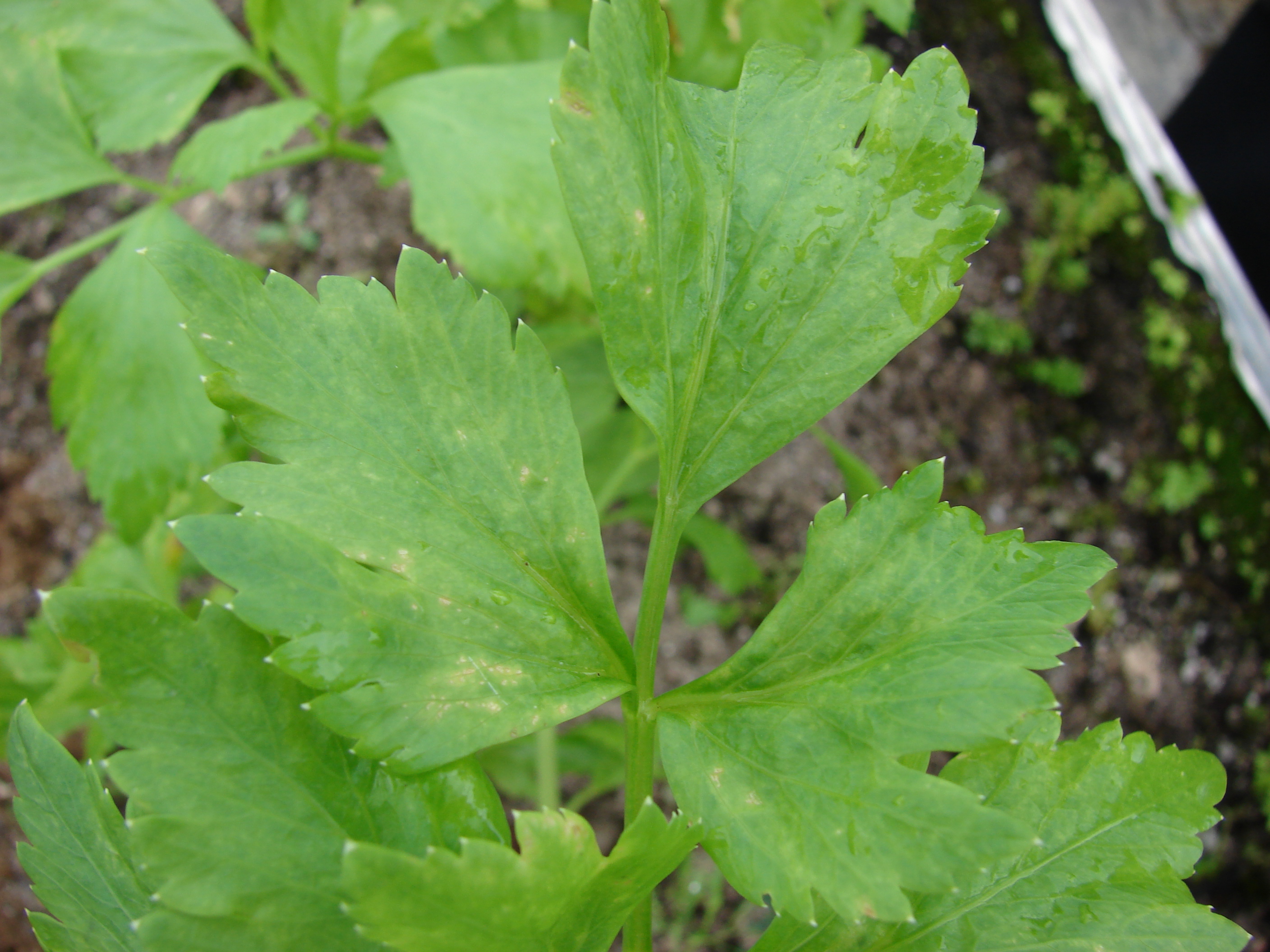
Selino is not quite the celery sold in British supermarkets. Greek markets sell a leafier, thinner-stalked plant with a much stronger flavour, grown for its leaves as much as its stems, and a Greek recipe calling for celery almost always means the whole thing, leaves included. The leaves carry most of the flavour, which is why a recipe will often specify that they should not be thrown away.
Hirino me selino, pork and celery finished with avgolemono, is the winter dish that shows what it can do: whole handfuls of it, stalks and leaves together, cooked down with pork until the celery is soft and the sauce tastes as much of it as of the meat. Cyprus cooks celery with kolokasi and pork in the same spirit, the taro taking on its flavour over a long, slow braise.
It also goes into fasolada and most bean and pulse soups, and into the stockpot, where a few leafy stalks do more than the same weight of a paler, milder celery would. If only supermarket celery is available, use the darker outer stalks and keep every leaf, or look for what is sold as leaf celery or Chinese celery, which is much the same plant.
Recipes with celery leaf
11 recipes on the site using it.
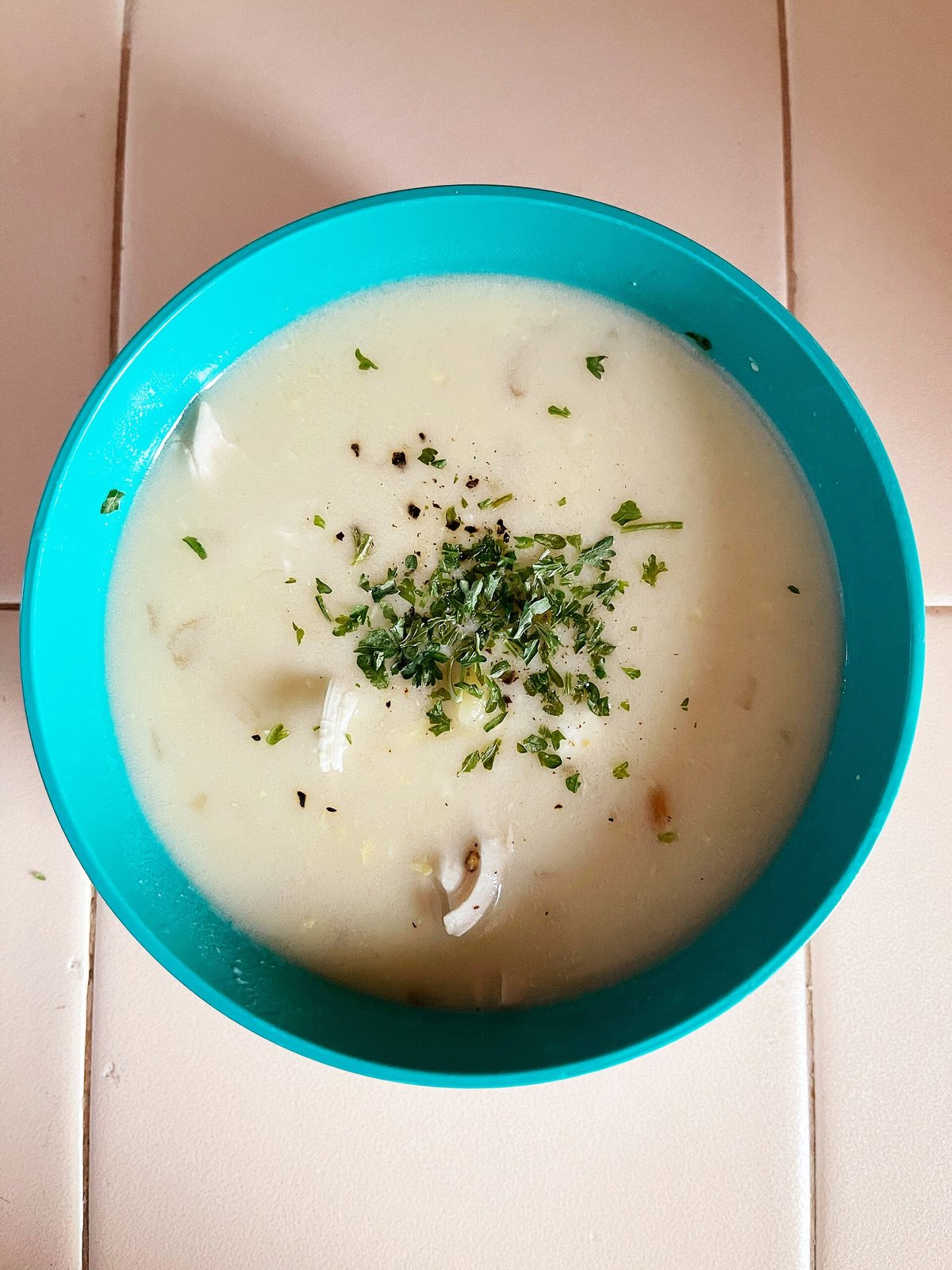 Avgolemono SoupKotosoupa avgolemono Κοτόσουπα αυγολέμονοSoups · 1h 30m · serves 6
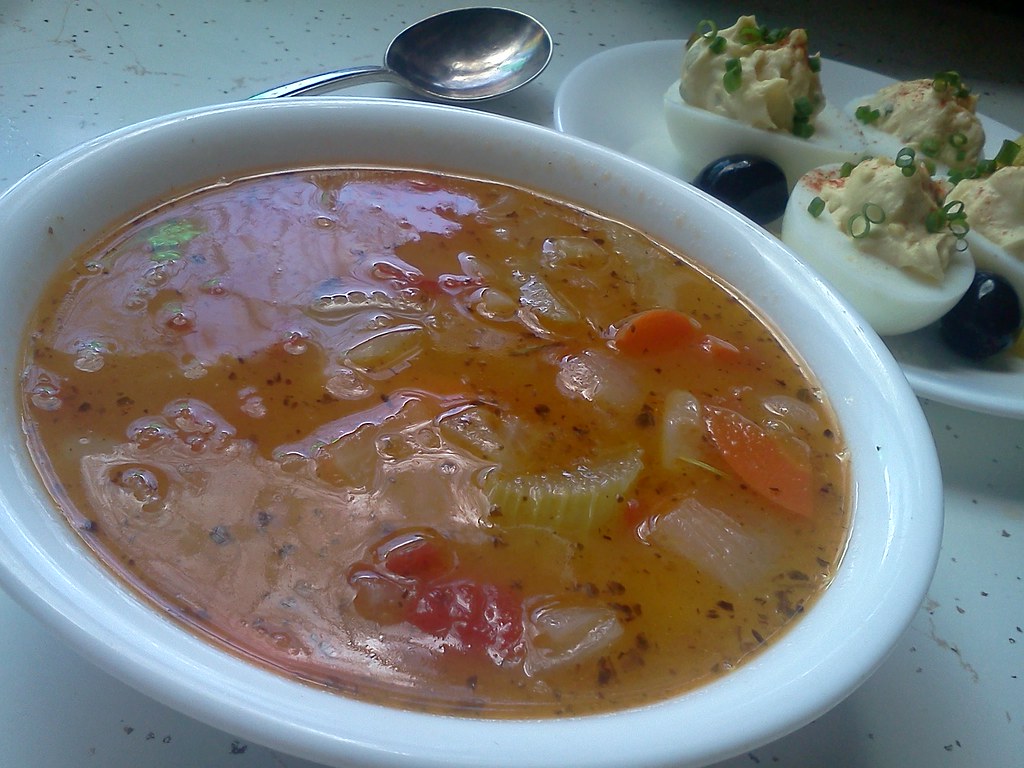 FasoladaFasolada ΦασολάδαSoups · 1h 45m · serves 6
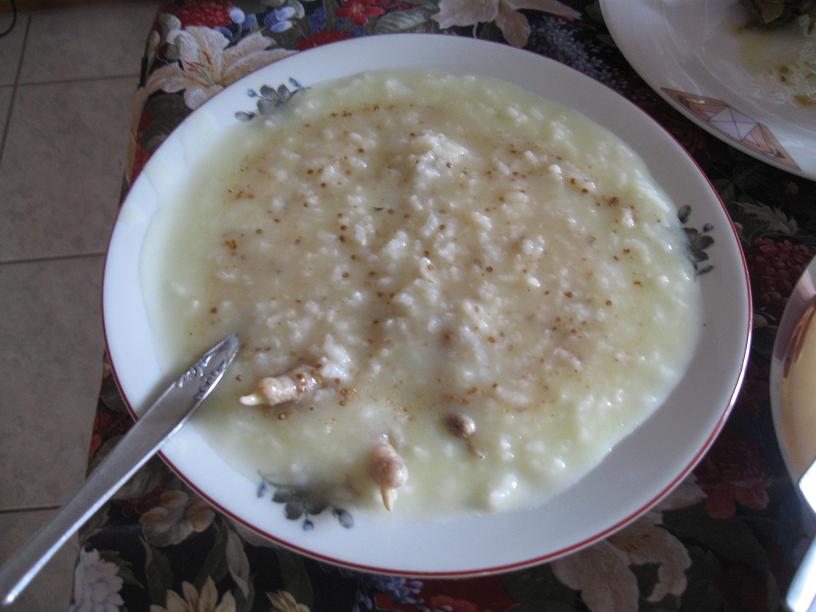 Chicken and Rice SoupKotosoupa avgolemono Κοτόσουπα αυγολέμονοSoups · 1h 50m · serves 6
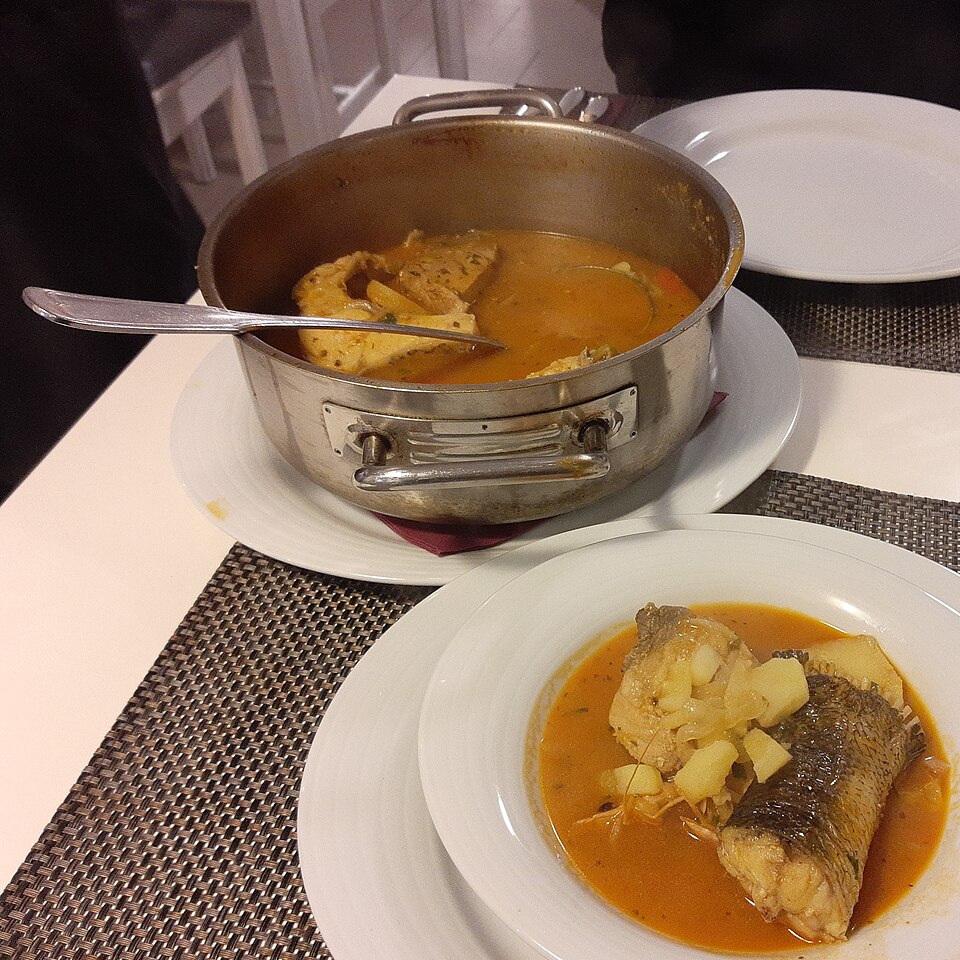 Fish SoupPsarosoupa ΨαρόσουπαSoups · 1h 10m · serves 6
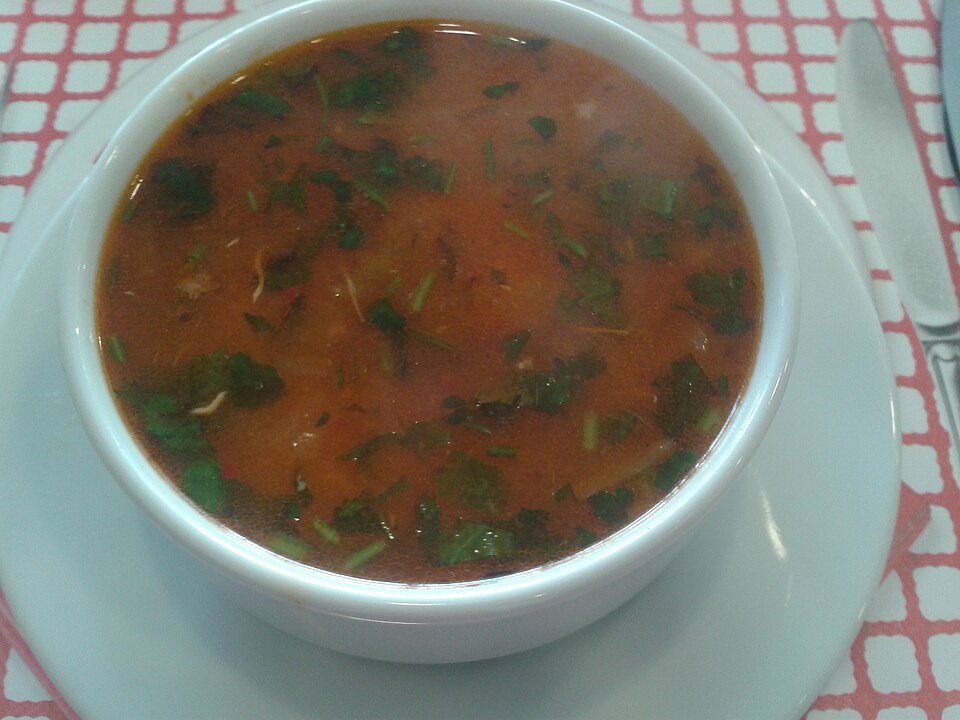 Orzo SoupSoupa kritharaki Σούπα κριθαράκιSoups · 40m · serves 4
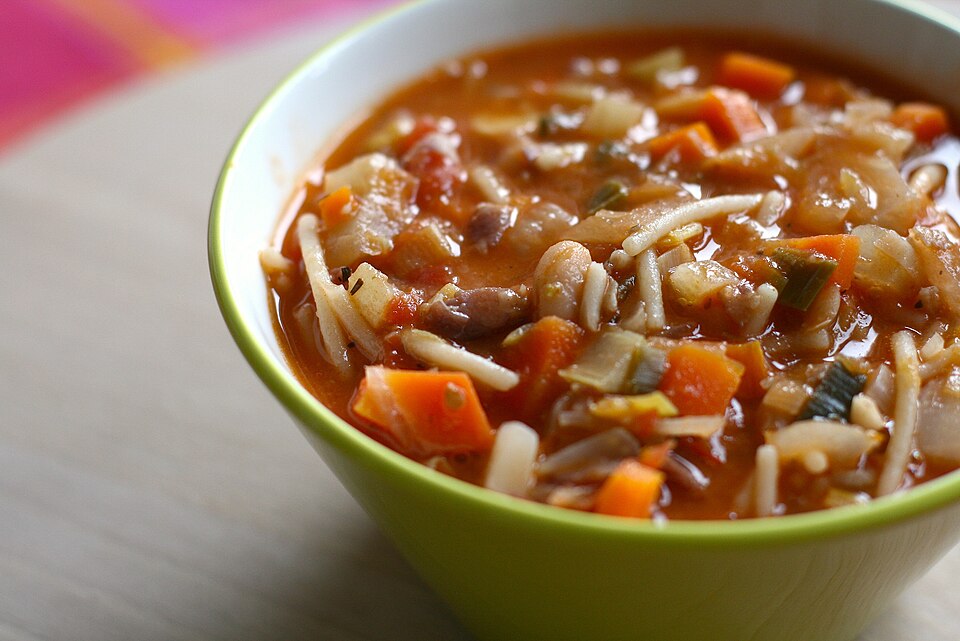 Corfu Vegetable and Pasta SoupBourou bourou Μπουρού μπουρούSoups · 55m · serves 5
Get one proper Greek recipe a week
No round-ups, no filler, no fifteen-ingredient shortcuts. One dish, written out in full, with the reasoning included.
The signup form is not connected yet, so there is nothing here that would quietly lose your address. Email contact@kalliopiskitchen.com and you go on the list by hand.