
Herbs
Fennel
Μάραθο · Maratho
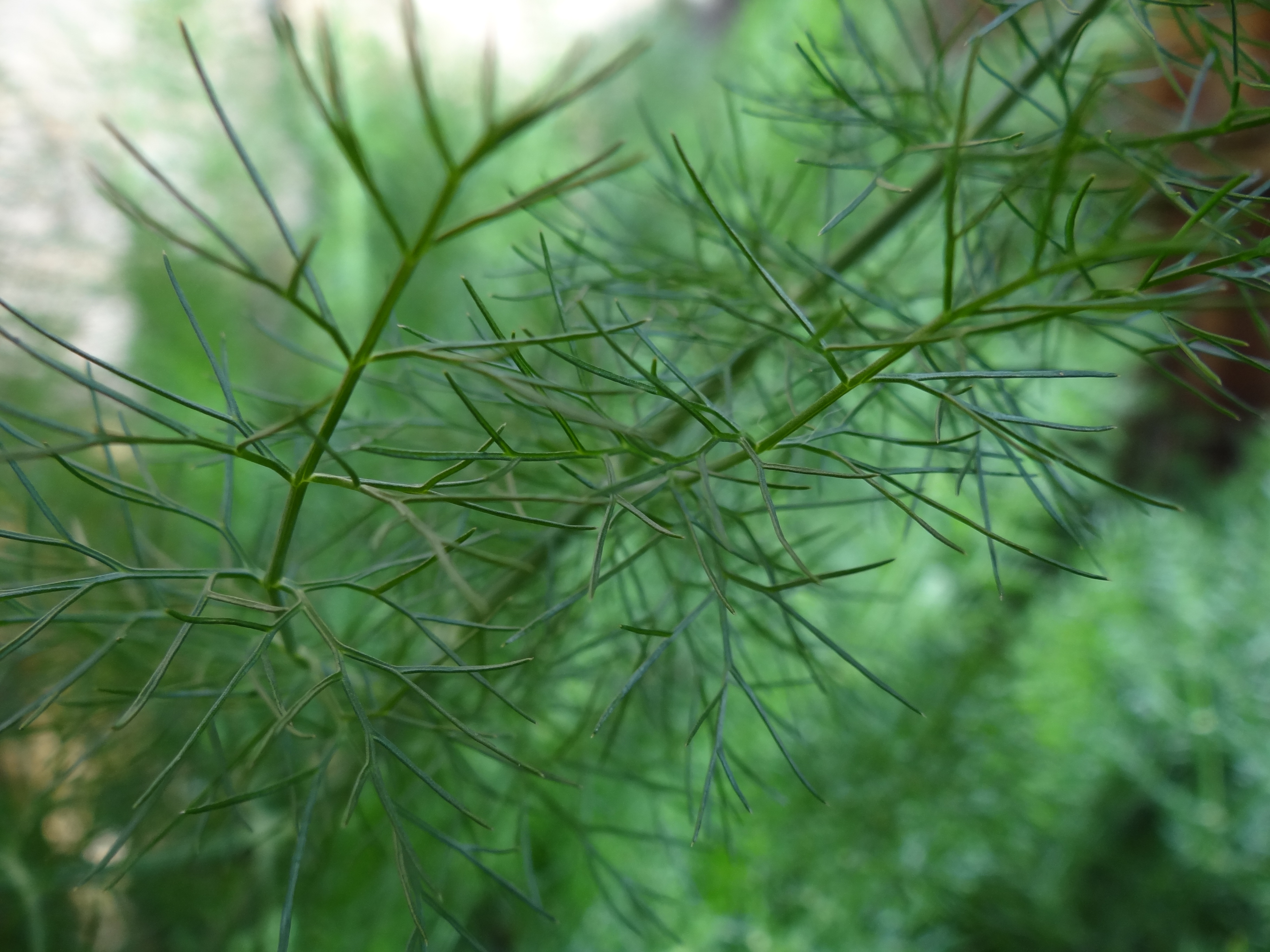
Wild fennel grows unplanted across Greece in such quantity that the plain where the Athenians met the Persians took its name from it: marathon means a place of fennel. The fronds, not the bulb, are what Greek cooking uses. They are picked young in spring, chopped fine, and treated as a herb with real weight rather than a garnish, closer in role to dill than to anything else.
Crete makes marathopita from them, a pan-fried pie of wild fennel, spring onion and greens, and the fronds go into hortopita fillings and salads across the country. The seed is a separate ingredient with its own work: it seasons loukaniko, the coarse Greek country sausage, alongside orange zest, and the same pairing of orange peel and fennel seed defines syglino, the cured pork of the Mani.
Wild fennel fronds are hard to buy outside Greece, and the feathery tops of a Florence fennel bulb are the usual substitute. They work, though they are milder, so more is needed. Dill is the other fallback and is closer than it sounds, since the two plants are related and behave the same way under heat, which is to say they lose their character quickly and belong at the end.
Recipes with fennel
1 recipe on the site using it.
Get one proper Greek recipe a week
No round-ups, no filler, no fifteen-ingredient shortcuts. One dish, written out in full, with the reasoning included.
The signup form is not connected yet, so there is nothing here that would quietly lose your address. Email contact@kalliopiskitchen.com and you go on the list by hand.