Greek Main Courses · Cyprus · Boiled and Simmered · The Sunday Table
Cypriot Taro with Chicken (Kolokasi me Kotopoulo)
Κολοκάσι με κοτόπουλο koh-loh-KAH-see meh koh-TOH-poo-loh · Kolokasi me kotopoulo
In short
Kolokasi me kotopoulo is a Cypriot dish of chicken braised with kolokasi, taro root, along with celery and a generous amount of lemon, until the taro turns tender and starchy and the sauce reduces to a light, savoury gravy. It is one of Cyprus's most distinctive everyday dishes, built around a root vegetable rarely used elsewhere in Greek cooking.
Cypriot Taro with Chicken
- Prep
- 30m
- Cook
- 1h
- Total
- 1h 30m
- Serves
- 4
- Level
- Intermediate
Ingredients
Ingredients
Tick ingredients off as you go. Quantities rescale with the buttons above.
Method
- 01Peel the kolokasi under running water or while wearing gloves, and cut into thick chunks.Handle raw kolokasi with care.Yiayia
- 02Heat the olive oil in a wide pot. Season the chicken and brown well on all sides. Set aside.
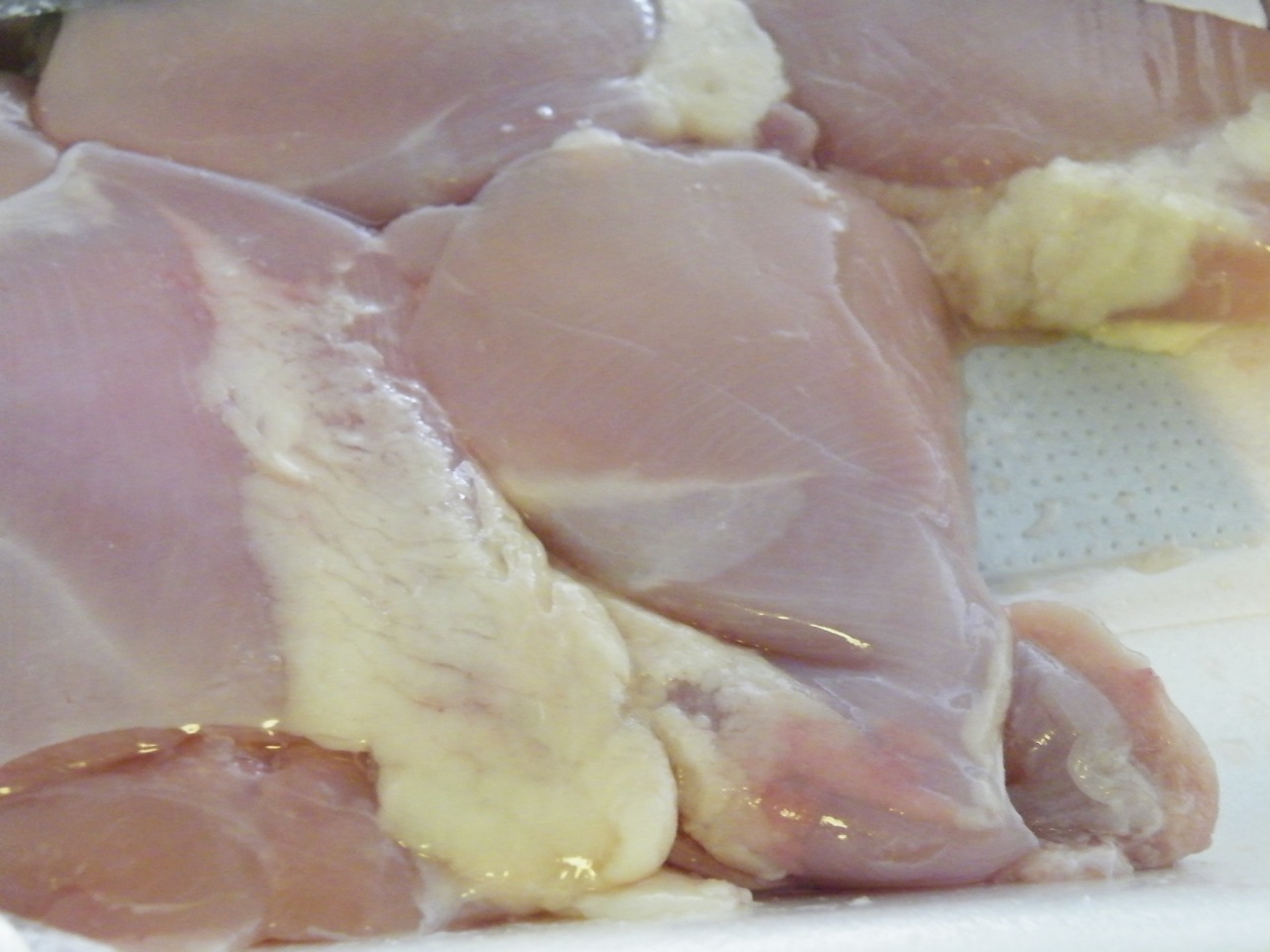
Chicken - 03Add the onion to the pot and cook for 6 minutes, until soft.
- 04Return the chicken to the pot along with the celery, kolokasi and hot water or stock.
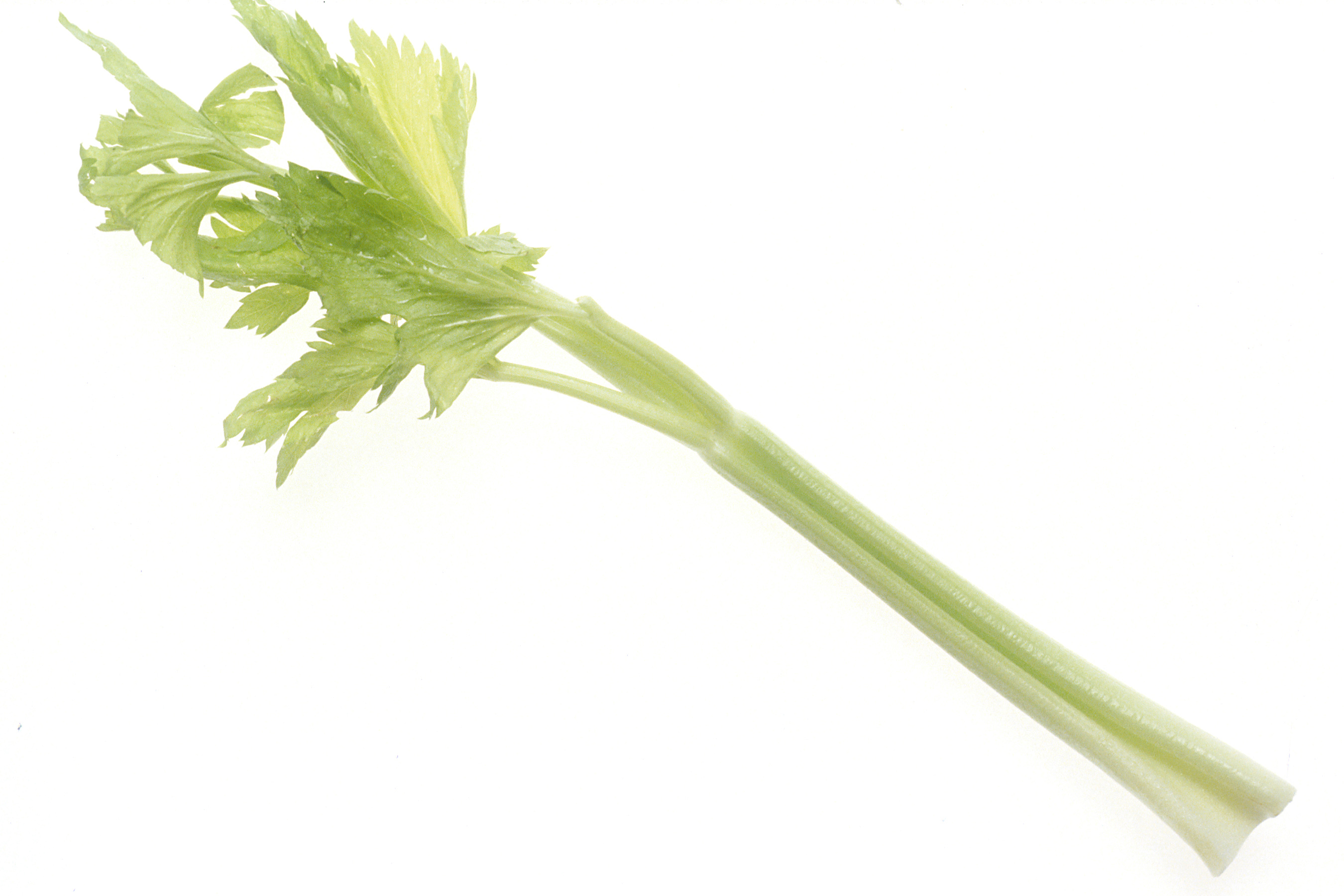
Celery - 05Bring to a simmer, cover, and cook gently for 45 minutes to 1 hour, until the kolokasi is completely tender.
- 06Stir in most of the lemon juice, taste, and add more to reach a pronounced, clean sharpness.
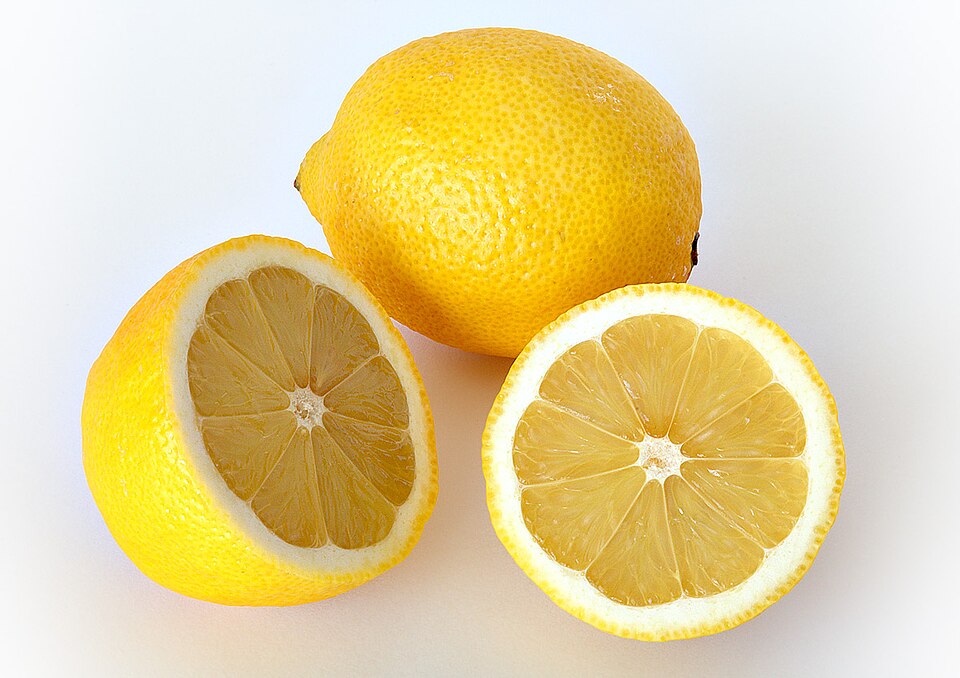
Lemon - 07Season and serve hot.
Nutrition, per 1 portion
- Calories
- 412
- Protein
- 28 g
- Carbs
- 38 g
- Fat
- 16 g
- Sat fat
- 3 g
- Fibre
- 5 g
These figures are calculated estimates based on the ingredients listed, not laboratory analysis. Actual values vary with brands, cuts and portion size.
Kolokasi, taro root, is genuinely distinctive to Cypriot cooking within the wider Greek repertoire, a starchy, faintly nutty root vegetable that turns soft and almost creamy once properly braised, and kolokasi me kotopoulo, chicken cooked alongside it in a light, lemony sauce, is one of the island's most everyday, most loved dishes.
The technique leans on the taro itself to thicken the sauce as it cooks, releasing a natural starchiness into the braising liquid the same way potato does in a stew, though kolokasi's texture and flavour are genuinely its own, closer to a cross between potato and yam than either alone.
A generous hand with lemon at the end is what lifts the whole dish, cutting through the richness of the chicken and the starchiness of the root, and this final sharp note is what most Cypriot households consider non-negotiable.
Key preparation steps
- Peel and prepare the kolokasi carefully, since raw taro can irritate skin.
- Brown the chicken pieces.
- Braise chicken, kolokasi and celery together.
- Finish with a generous amount of lemon.
Handling the kolokasi
Peel the taro under running water or while wearing gloves, since raw kolokasi contains calcium oxalate crystals that can genuinely irritate skin, and cut into thick chunks. This is the one real caution the dish asks for, and it disappears entirely once the taro is cooked.
Braising together
Brown the chicken pieces, then add chopped celery, the prepared kolokasi, and enough water or stock to come partway up the ingredients. Simmer gently, covered, for around forty-five minutes to an hour, until the kolokasi is completely tender and the sauce has thickened naturally from its released starch.
Finishing with lemon
Stir in a generous amount of fresh lemon juice towards the end of cooking, tasting as you go, since Cypriot households genuinely favour a pronounced sharpness here that cuts cleanly through the dish's natural richness and starchiness.
What matters in this dish
Handle raw kolokasi with care
It contains calcium oxalate crystals that can irritate skin. Peel under running water or wear gloves, and this concern disappears entirely once the root is cooked.
Let the kolokasi thicken the sauce naturally
Its released starch does real work here, similar to potato in a stew, so there is no need for any separate thickener.
Be generous with the lemon
Cypriot households genuinely favour a pronounced sharpness at the end, which cuts through the dish's natural richness. Taste and adjust rather than adding a token squeeze.
Questions people ask about Kolokasi me kotopoulo
What is kolokasi?
Taro root, a starchy, faintly nutty root vegetable genuinely distinctive to Cypriot cooking within the wider Greek repertoire, with a texture somewhere between potato and yam once cooked.
Is kolokasi safe to handle raw?
It contains calcium oxalate crystals that can irritate skin, so peel it under running water or wear gloves. This is a genuine but easily managed precaution, and it disappears once the root is cooked.
Can you find kolokasi outside Cyprus?
Taro root is increasingly available at larger supermarkets and greengrocers with a Mediterranean, Caribbean or Asian focus, since it appears across several cuisines beyond Cypriot cooking.