Greek Desserts · Northern Greece · Fried · Name Days
Thessaloniki Custard Triangles (Trigona Panoramatos)
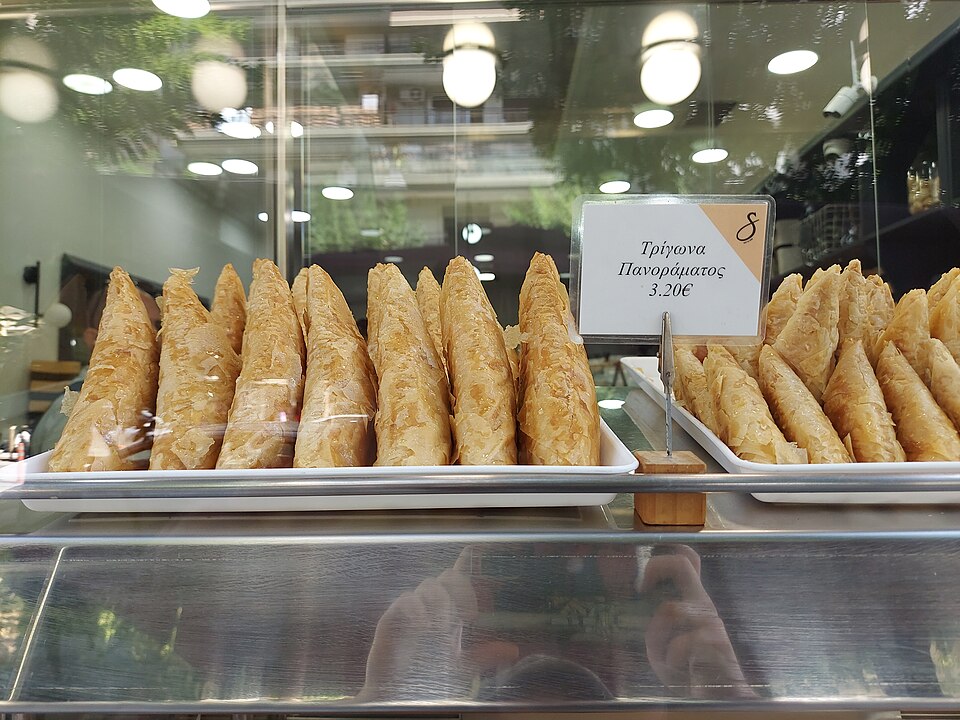
Τρίγωνα Πανοράματος TREE-goh-nah pah-noh-RAH-mah-tos · Trigona Panoramatos
In short
Trigona Panoramatos are triangular pastries from Panorama, a suburb of Thessaloniki, made from rolled phyllo cones fried until crisp, soaked briefly in syrup, and filled with thick vanilla custard just before serving so the pastry stays crisp against the cold filling.
Thessaloniki Custard Triangles
- Prep
- 1h
- Cook
- 20m
- Total
- 1h 20m
- Serves
- 10
- Level
- Advanced
Ingredients
For the custard
For the shells
For the syrup
Tick ingredients off as you go. Quantities rescale with the buttons above.
Method
- 01Make the custard: whisk the cornflour and sugar into a little of the cold milk until smooth, then whisk in the egg yolks. Heat the remaining milk until just below boiling, then whisk into the yolk mixture. Return everything to the pan and cook over a medium heat, whisking constantly, until very thick, about 6 to 8 minutes.
- 02Stir in the vanilla, then press cling film directly onto the surface and chill for at least 3 hours, until completely cold and firm.
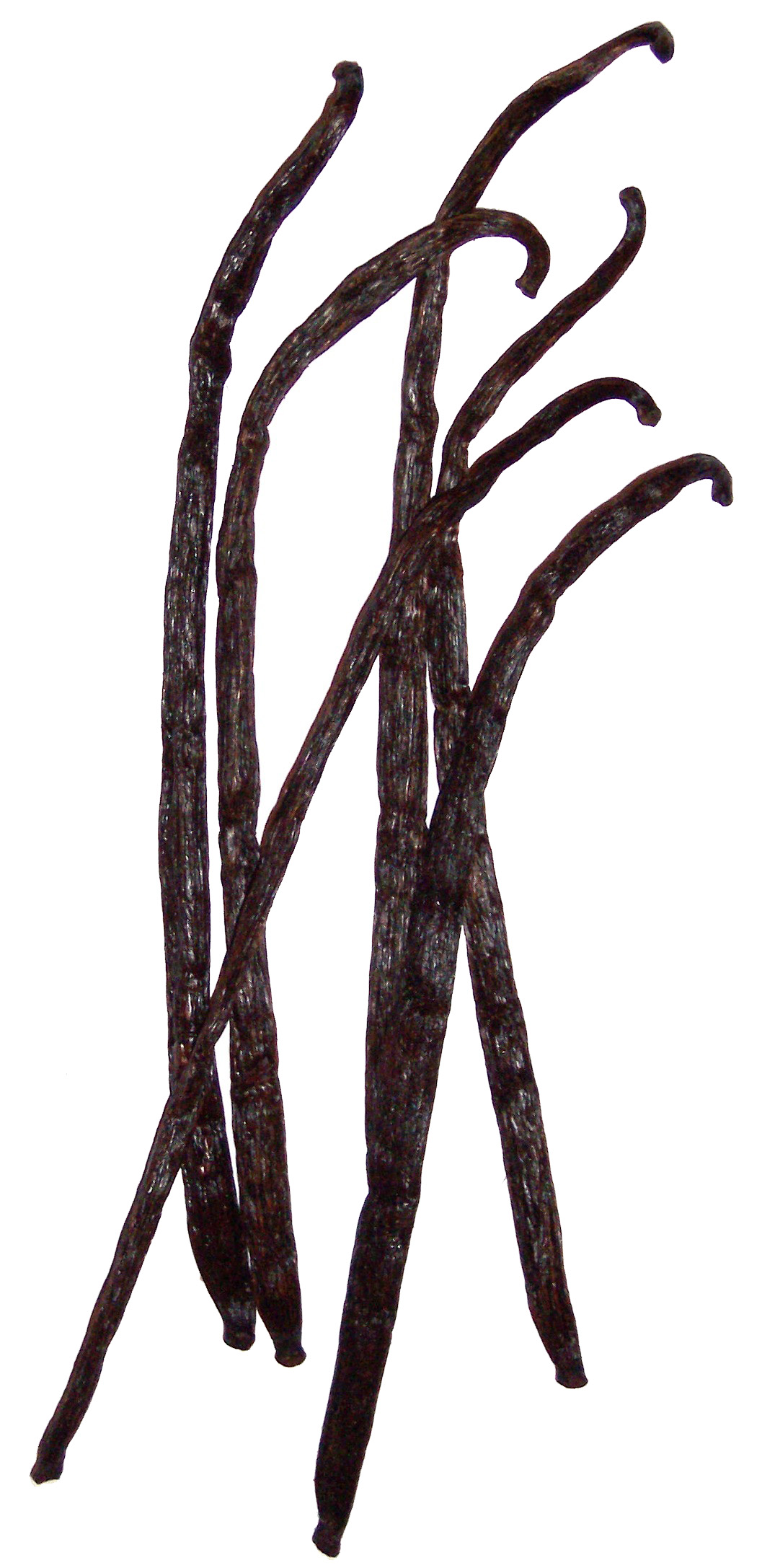
Vanilla - 03Cut the phyllo sheets into long strips about 8 cm wide. Brush lightly with oil, then wrap each strip around a cone-shaped mould, overlapping slightly, brushing with more oil as you go.
- 04Heat vegetable oil in a deep pan to 170C. Fry the phyllo cones, still on their moulds, for 3 to 4 minutes, turning, until deeply golden and crisp.
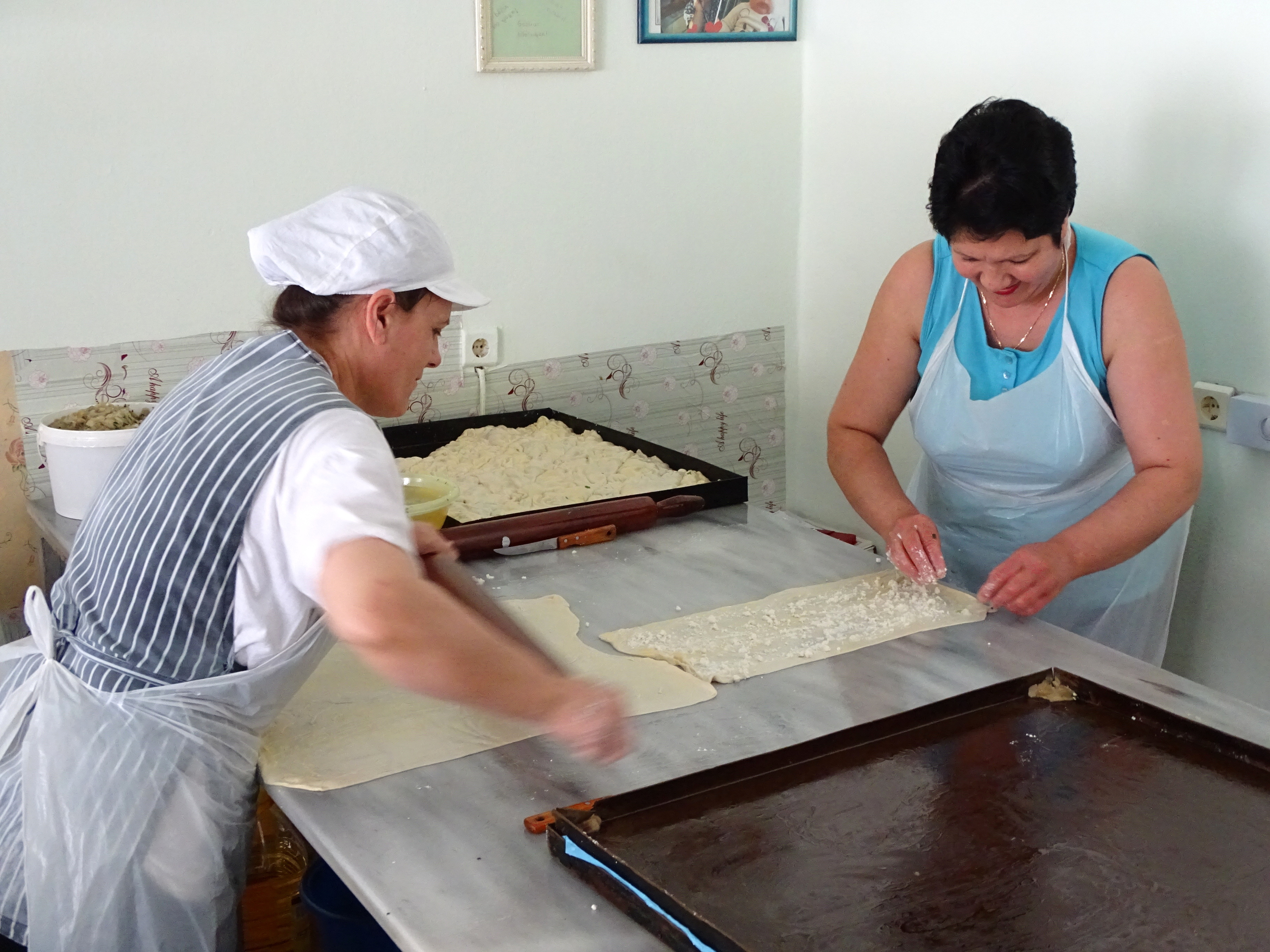
Phyllo - 05Carefully slide the cones off the moulds while still warm and set on a wire rack.
- 06For the syrup, heat the sugar, water and lemon juice until the sugar dissolves, then simmer for 4 minutes. Keep warm.
Lemon - 07Dip each warm fried shell briefly into the syrup, a few seconds per side, then return to the rack to drain and cool completely.Dip briefly, do not soak.Yiayia
- 08Just before serving, fill the cooled shells generously with the chilled custard.
Nutrition, per 1 pastry
- Calories
- 268
- Protein
- 5 g
- Carbs
- 36 g
- Fat
- 12 g
- Sat fat
- 3 g
- Fibre
- 1 g
These figures are calculated estimates based on the ingredients listed, not laboratory analysis. Actual values vary with brands, cuts and portion size.
Trigona Panoramatos are named specifically for Panorama, a hillside suburb overlooking Thessaloniki, where a small number of patisseries built their reputation on this exact pastry and where people from across the city still travel specifically to buy it fresh. It has become one of the most recognisable specific pastries in Greece, tied to one place in a way most Greek desserts are not.
The construction is what makes it work: rolled cones of phyllo, fried until deeply crisp, briefly dipped in a light syrup while still hot, and then filled with cold, thick vanilla custard only once fully cooled and, ideally, just before serving, so the contrast between the crisp, syrup-soaked shell and the cold, thick custard stays sharp rather than the pastry turning soggy.
This is a genuine patisserie-level project with several distinct stages, and it is worth reading the whole method through before starting, since the custard needs to chill fully before it goes anywhere near the fried shells.
Key preparation steps
- Make a thick vanilla custard and chill it completely.
- Roll phyllo into cone shapes and fry until deeply golden.
- Dip the hot fried cones briefly in syrup.
- Fill with the cold custard only once both are ready, ideally near serving time.
The custard
A thick vanilla custard, made with cornflour rather than only eggs, similar in principle to the filling inside galaktoboureko, needs to be cooked until genuinely thick, cooled with a layer of cling film pressed directly onto its surface to stop a skin forming, and chilled fully, ideally for several hours, before it goes near the pastry.
It needs to be thick enough to hold its shape when piped or spooned into the fried shells, not runny, since a loose custard will simply soak straight through the fried phyllo rather than sitting inside it.
Shaping and frying the shells
Cut phyllo sheets into strips and roll each one around a metal cone mould, or a cone shaped from foil if you do not have proper moulds, brushing lightly with oil or butter as you go so the layers separate and crisp rather than fusing together.
Fry the cones in hot oil until deeply golden and genuinely crisp all over, then slide them off the moulds carefully while still warm, since phyllo firms as it cools and can crack if you wait too long to remove the mould.
Syrup and assembly
Dip the still-warm fried shells briefly into a light sugar syrup, just a few seconds per side, enough to add sweetness and a little gloss without soaking all the way through and losing the crispness that defines this pastry. Drain on a rack rather than kitchen paper, which can stick.
Fill with the cold custard only once the shells have cooled and, ideally, close to when they will actually be eaten, since the contrast between crisp shell and cold, thick filling is the entire point and softens within an hour or two of filling.
What matters in this dish
Chill the custard properly
It needs to be genuinely thick and cold before filling, or it will soak straight through the fried shell rather than sitting inside it.
Dip briefly, do not soak
A few seconds per side in the syrup is enough. Longer and the shell loses the crispness that defines this pastry.
Fill close to serving
The crisp-shell, cold-custard contrast is the whole point, and it softens within an hour or two once filled.
Questions people ask about Trigona Panoramatos
Why are they called Trigona Panoramatos?
They take their name from Panorama, a suburb of Thessaloniki where a handful of patisseries became famous specifically for this pastry, to the point that people travel from across the city to buy it fresh.
Can you make the shells ahead?
Yes, fry and syrup-dip them up to a day ahead and store in an airtight container, but fill with custard only close to serving to preserve the crisp texture.
Can you buy cone moulds for this pastry?
Yes, metal cannoli or trigona moulds work well. A tightly rolled foil cone is a workable improvised substitute if you do not have proper moulds.