Greek Desserts · The Mainland · Boiled and Simmered · Name Days
Greek Rose Petal Spoon Sweet (Triantafyllo Glyko)
Τριαντάφυλλο γλυκό tree-an-DAH-fee-loh glee-KOH · Triantafyllo glyko
In short
Triantafyllo glyko is a Greek spoon sweet made from fresh, unsprayed rose petals, macerated with lemon and sugar, then slowly cooked down into a fragrant, rose-scented syrup with tender petals suspended in it. It is among the most delicate of all Greek preserves, particularly associated with Chios.
Rose Petal Spoon Sweet
- Prep
- 40m
- Cook
- 40m
- Total
- 1h 20m
- Serves
- 16
- Level
- Intermediate
Ingredients
Ingredients
Tick ingredients off as you go. Quantities rescale with the buttons above.
Method
- 01Rinse the rose petals very gently in cold water and pat dry, discarding the bitter white base of each petal.Discard the white base of each petal.Yiayia
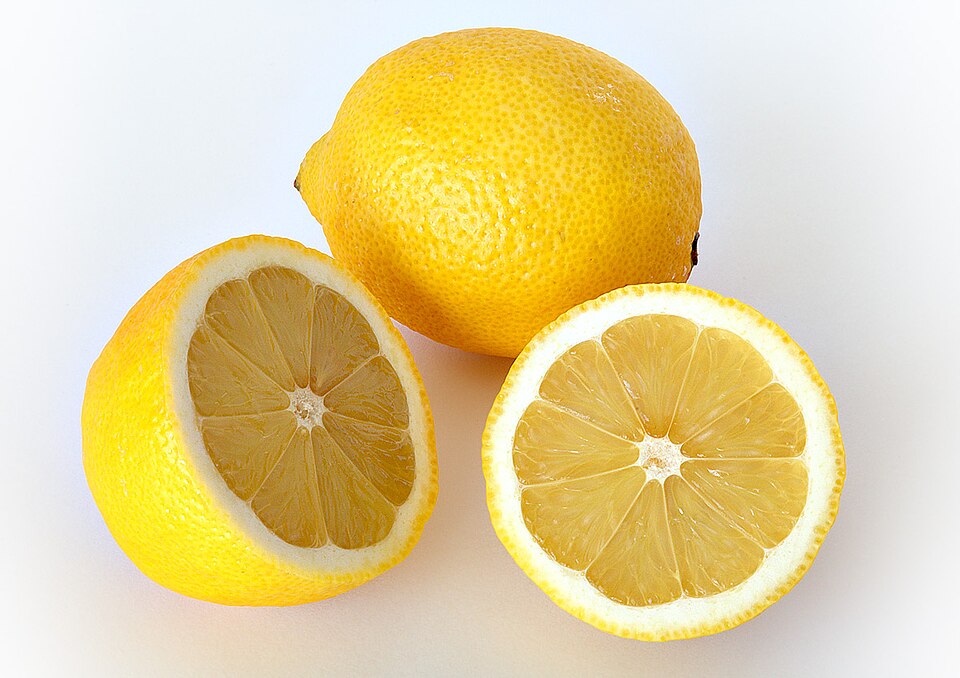
- 02Layer the petals with the sugar and lemon juice in a bowl. Cover and leave to macerate for at least 4 hours, or overnight in the fridge.
Lemon - 03Tip the macerated petals and their liquid into a wide pot with the water.
- 04Bring to a gentle simmer and cook for 30 to 40 minutes, until the syrup has thickened to a light, pourable consistency.
- 05Spoon into clean, sterilised jars while hot and seal immediately.
- 06Cool completely before storing. Once opened, keep refrigerated.
Nutrition, per 2 tbsp
- Calories
- 98
- Protein
- 0 g
- Carbs
- 25 g
- Fat
- 0 g
- Sat fat
- 0 g
- Fibre
- 0 g
These figures are calculated estimates based on the ingredients listed, not laboratory analysis. Actual values vary with brands, cuts and portion size.
Triantafyllo glyko is genuinely one of the more delicate and unusual spoon sweets in the whole Greek repertoire, built from fresh rose petals rather than any fruit, and it is particularly associated with Chios, though it appears across Greece wherever a household has access to genuinely fragrant, unsprayed roses.
The whole preserve lives or dies on the roses used, since only naturally fragrant varieties, ideally from a garden you know has not been chemically treated, give the real perfume this sweet depends on. A beautiful but scentless florist's rose will give a disappointing, flavourless result.
This is a considerably gentler process than most spoon sweets, since delicate petals need a shorter, softer cook than firm fruit, and the whole preserve rewards patience at the maceration stage more than a long simmer.
Key preparation steps
- Rinse fresh, fragrant, unsprayed rose petals gently.
- Macerate with sugar and lemon.
- Simmer briefly until the syrup thickens.
- Jar while the petals are still tender and fragrant.
Choosing the roses
Only genuinely fragrant roses, ideally an old, scented garden variety rather than a modern scentless florist's rose, and absolutely unsprayed with any pesticide, are suitable here. Pick them in the morning when their fragrance is at its strongest, and use petals only, discarding the white base of each petal, which carries a bitter taste.
Macerating
Rinse the petals very gently in cold water, then layer them with sugar and a little lemon juice in a bowl, and leave to macerate for several hours or overnight, which draws out the petals' natural fragrant oils into a rose-scented syrup before any heat is applied.
The gentle simmer
Simmer the macerated petals and their liquid gently for around thirty to forty minutes, until the syrup has thickened to a light, pourable consistency, watching closely since petals are delicate and a fierce boil can turn them limp and colourless rather than keeping their tender, jewel-like quality.
What matters in this dish
Use only genuinely fragrant, unsprayed roses
A scentless florist's rose gives a disappointing, flavourless result, and any pesticide residue is a genuine concern here since the whole flower is used.
Discard the white base of each petal
It carries a bitter taste that would spoil the delicate sweetness of the finished preserve.
Do not rush the maceration
Several hours, or overnight, is what draws the rose's fragrant oils properly into the syrup before cooking.
Questions people ask about Triantafyllo glyko
Can you use any rose for this spoon sweet?
No, only genuinely fragrant, unsprayed roses work. A scentless modern florist's rose gives a flavourless result, and pesticide residue is a real concern since the whole petal is used.
Why discard the white part of the petal?
It carries a bitter taste that would work against the delicate sweetness this preserve is built around.
Where is triantafyllo glyko particularly associated?
Chios, though it appears across Greece wherever a household has access to genuinely fragrant, chemical-free roses.