Greek Salads · Corfu and the Ionian · No-Cook · The Summer Table
Ionian Rusk with Tomato and Oregano (Riganada)
Ριγανάδα ree-gha-NAH-tha · Riganada
In short
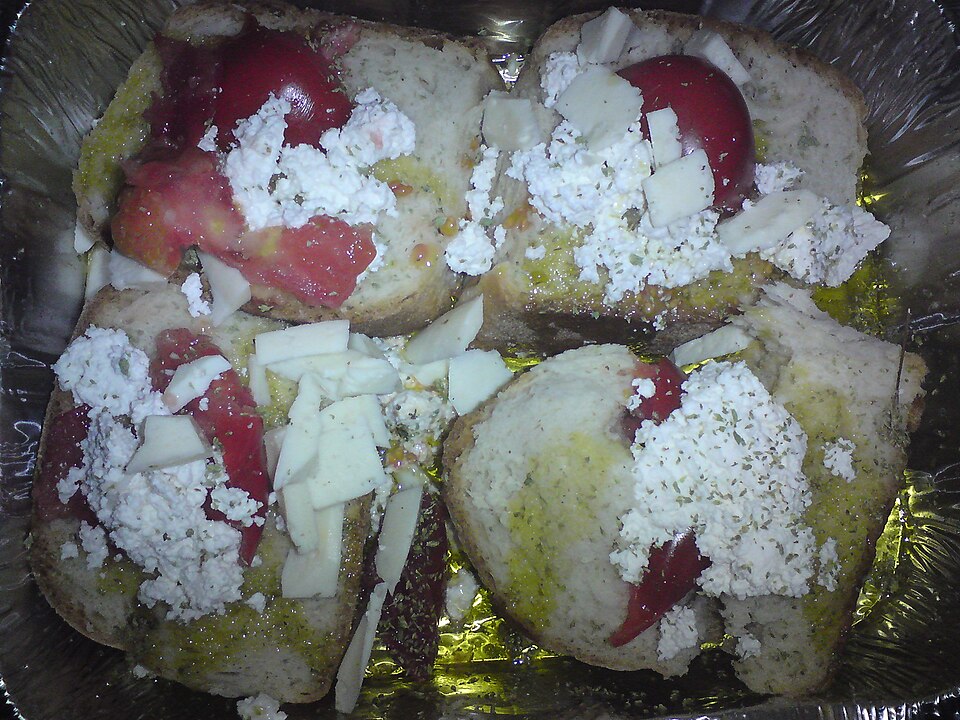
Riganada is an Ionian dish, most associated with Kefalonia and Lefkada, of barley rusk briefly moistened, then dressed with olive oil, grated ripe tomato, plenty of dried oregano and salt. Cheese and olives are optional. It is named after rigani, oregano, which is the flavour the whole dish is built around rather than a garnish on top.
Ionian Rusk with Tomato and Oregano
- Prep
- 10m
- Cook
- None
- Total
- 10m
- Serves
- 4
- Level
- Beginner
Ingredients
Ingredients
Tick ingredients off as you go. Quantities rescale with the buttons above.
Method
- 01Hold each rusk briefly under a running tap, 2 to 3 seconds a side, then set it on a plate. It should be damp, not soaked.
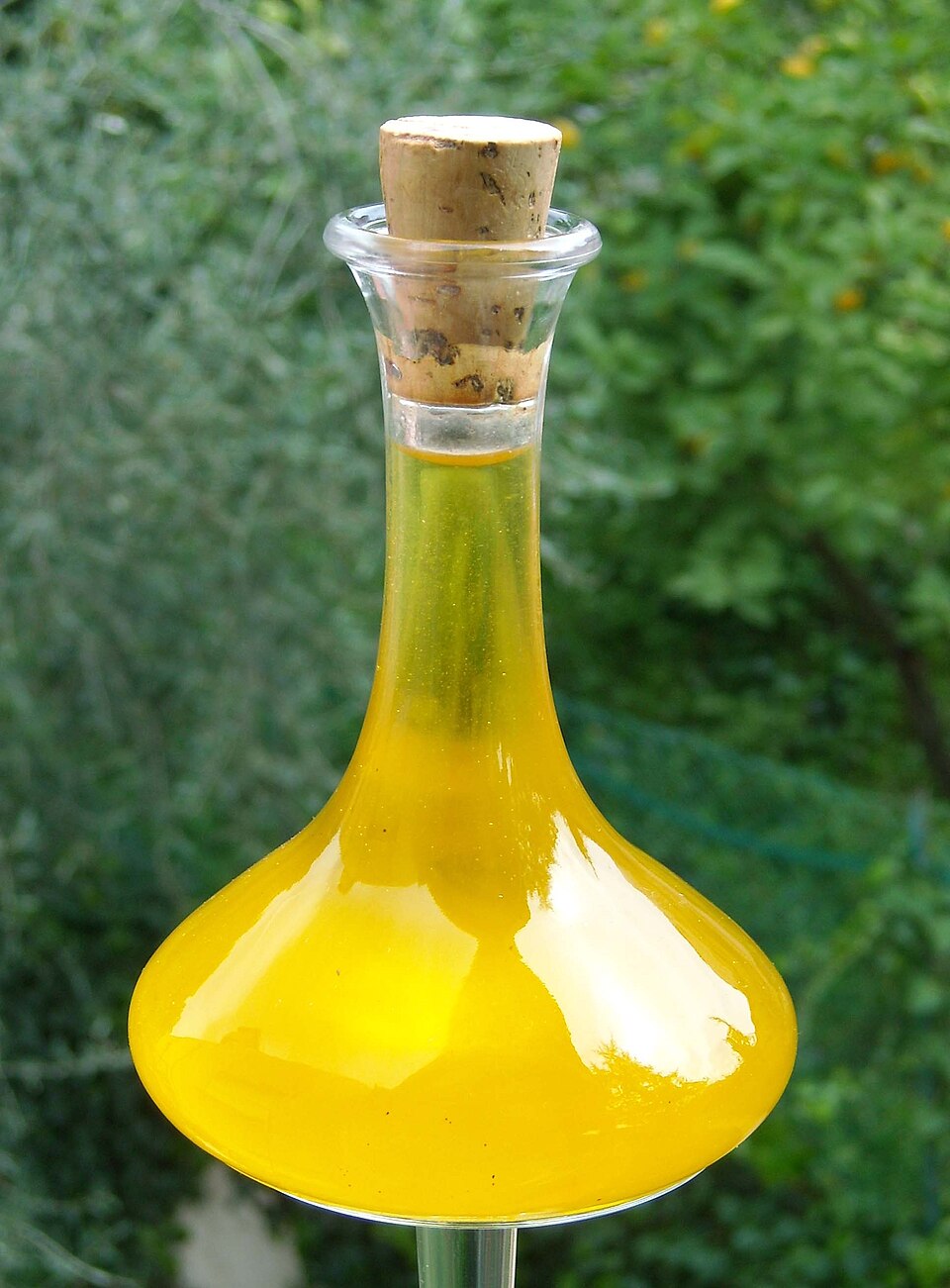
- 02Pour a generous tablespoon of olive oil over each rusk and let it sink in for a minute.
Olive Oil - 03Halve the tomatoes and grate them on the coarse holes of a box grater, discarding the skins.
- 04Spoon the grated tomato and its juice over the rusks, spreading it to the edges.
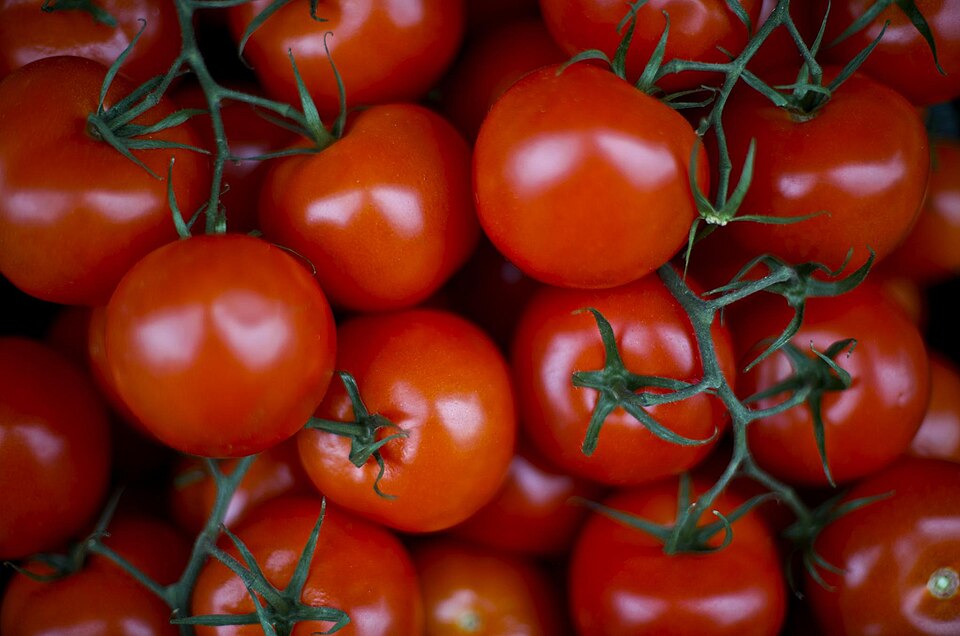
Tomato - 05Crumble the cheese over, if using, and scatter the olives.
- 06Crumble the oregano between your palms over each rusk, season with flaky salt, and add a final thread of olive oil.
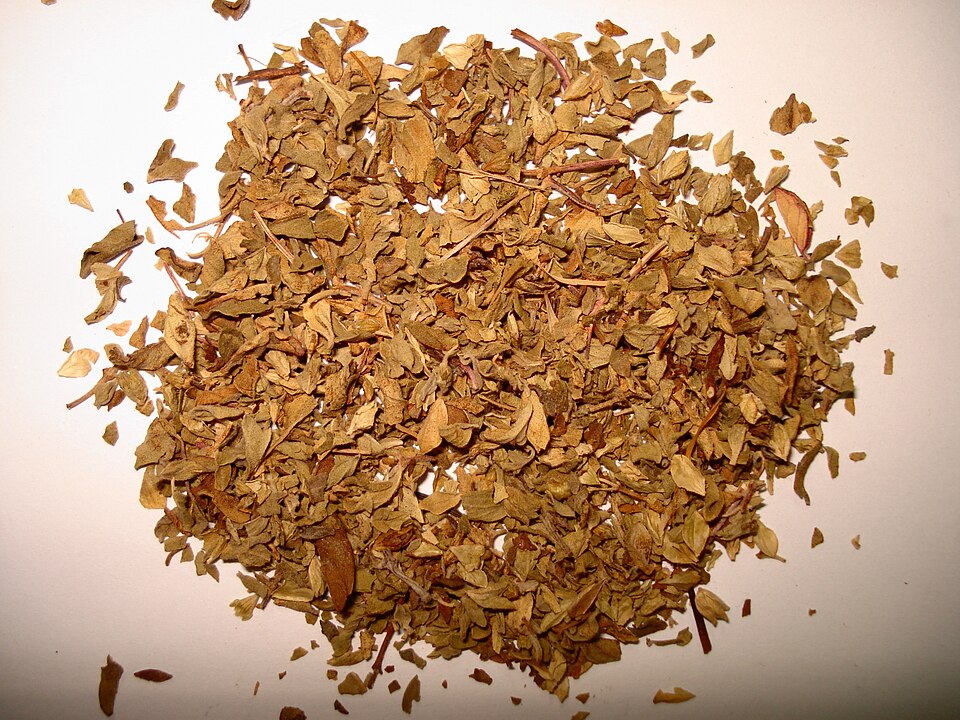
Oregano - 07Leave to stand for 5 minutes before eating, so the rusk softens evenly.Dress it just before eating.Yiayia
Nutrition, per 1 rusk
- Calories
- 312
- Protein
- 8 g
- Carbs
- 32 g
- Fat
- 17 g
- Sat fat
- 4 g
- Fibre
- 4 g
These figures are calculated estimates based on the ingredients listed, not laboratory analysis. Actual values vary with brands, cuts and portion size.
Riganada is what Kefalonia and Lefkada do with bread that has gone past its best, and it is the Ionian cousin of Cretan dakos. Barley rusk, a splash of water, a great deal of olive oil, grated tomato and enough dried oregano to make the whole plate smell of a hillside in August.
The name says everything about the priorities. Rigani is oregano, and in riganada the oregano is not a finishing touch but the reason the dish has a name. Ionian oregano is picked in flower and dried on the stalk, and a good pinch of it will carry the whole plate.
In Kefalonian homes it turns up at breakfast, on a meze table, and as the thing handed to a guest who has arrived unannounced. It takes five minutes and it needs nothing switched on, which is exactly the point in the middle of a Greek summer.
Key preparation steps
- Moisten the barley rusk very briefly.
- Pour over a generous amount of olive oil.
- Grate ripe tomato over the top.
- Finish with oregano, salt and cheese if you like.
How wet should the rusk be?
Barely. Hold the rusk under a running tap for two or three seconds a side, or flick water over it with your fingers, and then stop. The aim is a rusk that yields to a bite rather than one that has turned to porridge.
The tomato and the oil finish the job. Grated tomato is mostly water and it keeps soaking in while the plate sits, so a rusk that felt slightly too dry when you dressed it will be exactly right five minutes later.
Why grate the tomato instead of chopping it?
Grating a halved tomato on the coarse side of a box grater leaves the skin flat in your palm and gives you pulp and juice with no tough pieces. That pulp spreads over the whole surface of the rusk and soaks down into it.
Chopped tomato sits in cubes on top, sheds its juice onto the plate rather than into the bread, and leaves half the rusk dry. It is the single detail that separates a good riganada from a dull one.
What oregano should I use?
Dried, always, and preferably Greek oregano still on the stalk that you crumble between your palms as it goes on. Rubbing it warms the leaf and releases the oils, and the difference in smell is immediate.
Fresh oregano is the wrong plant for this job: it is grassier and much milder, and riganada needs the concentrated, almost peppery flavour that only comes from drying. If your dried oregano smells of nothing, it is old, and no quantity of it will rescue the dish.
What goes on top?
The base version is oil, tomato, oregano and salt and it needs nothing else. Beyond that, Kefalonian cooks add crumbled feta or fresh mizithra, a few olives, capers, or a couple of sardines from a tin.
Keep the additions to two at most. Riganada is a dish of four ingredients doing very little, and the moment it becomes a loaded bruschetta it stops tasting like itself.
What matters in this dish
Salt the tomato, not the rusk
Barley rusks are already salty. Season the grated tomato instead and taste before adding more, or the finished plate can be overwhelming.
Rub the oregano as it goes on
Crumbling dried oregano between your palms breaks the leaf and warms the oils. The smell tells you when it has worked.
Dress it just before eating
Riganada is at its best about five minutes after assembly, when the rusk has softened but still has bite. Leave it half an hour and it goes soggy.
Questions people ask about Riganada
What is the difference between riganada and dakos?
They are close relatives. Dakos is Cretan and is defined by fresh mizithra crumbled on top. Riganada is Ionian and is defined by oregano, with cheese optional. Riganada also turns up at breakfast far more often than dakos does.
Can I use ordinary bread instead of rusk?
Stale bread, dried out in a low oven until hard, is the original version and works well. Fresh soft bread does not, since it collapses the moment the tomato goes on.
Is riganada vegan?
The base version of rusk, oil, tomato and oregano is vegan. It only stops being vegan if you add the optional feta or mizithra.
Where is riganada from?
The Ionian islands, most strongly associated with Kefalonia and Lefkada, where it is eaten at breakfast, as meze, and as the standard thing offered to a visitor.