
Pantry Staples
Olives
Ελιές · Elies
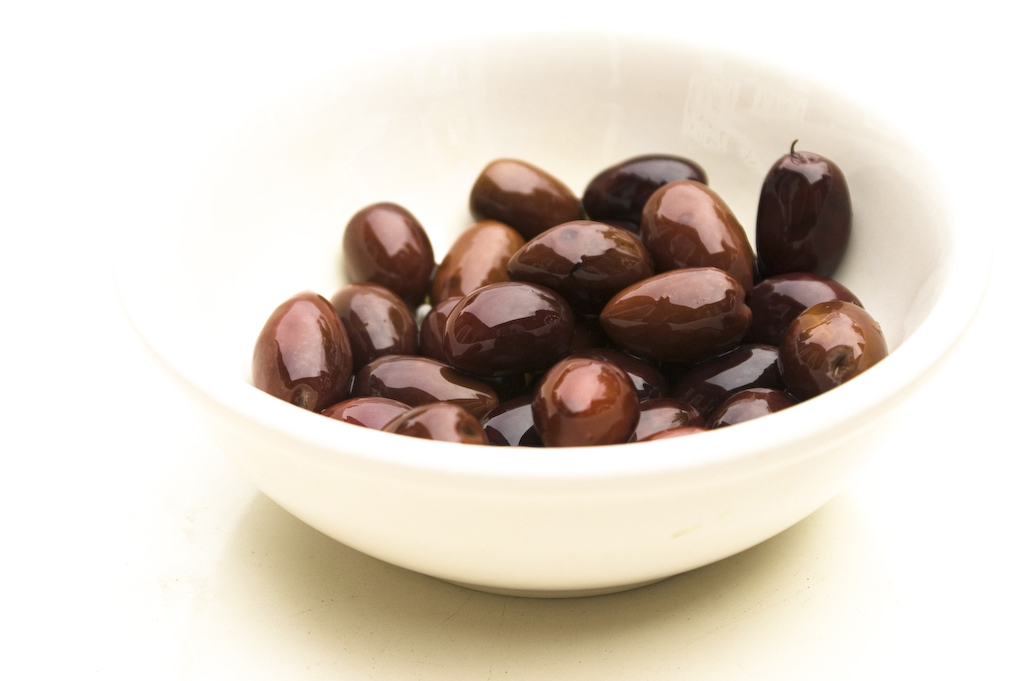
Table olives and oil olives are different crops picked at different moments, and no olive of either kind is edible straight from the tree. The raw fruit is intensely bitter and has to be cured, in brine, in dry salt or in plain water changed daily, for weeks or months before anyone can eat it. Greece grows both kinds on a scale few countries match.
Kalamata olives, dark purple, almond-shaped and cured in brine and vinegar, hold protected designation of origin status and are the ones most people picture. Cretan and Cypriot tsakistes are a different thing entirely: green olives cracked open with a stone and steeped with coriander seed, garlic and lemon. Olives sit whole on a horiatiki, on dakos, and baked through Cypriot elioti bread.
Olives sold with their stones in keep their texture and flavour far better than pitted ones, which spend longer in brine and turn soft and washed out. Buy them loose from a barrel where you can, and taste before committing, since curing varies enormously between producers. Remember too that they arrive already salty, which should change how the rest of the dish is seasoned.
Recipes with olives
7 recipes on the site using it.
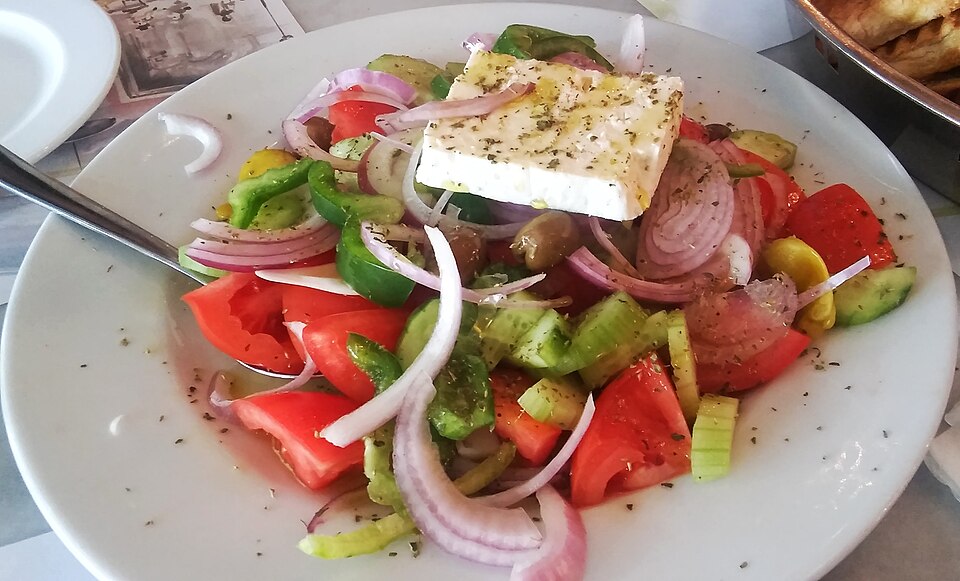 Greek SaladHoriatiki salata Χωριάτικη σαλάταSalads · 12m · serves 4
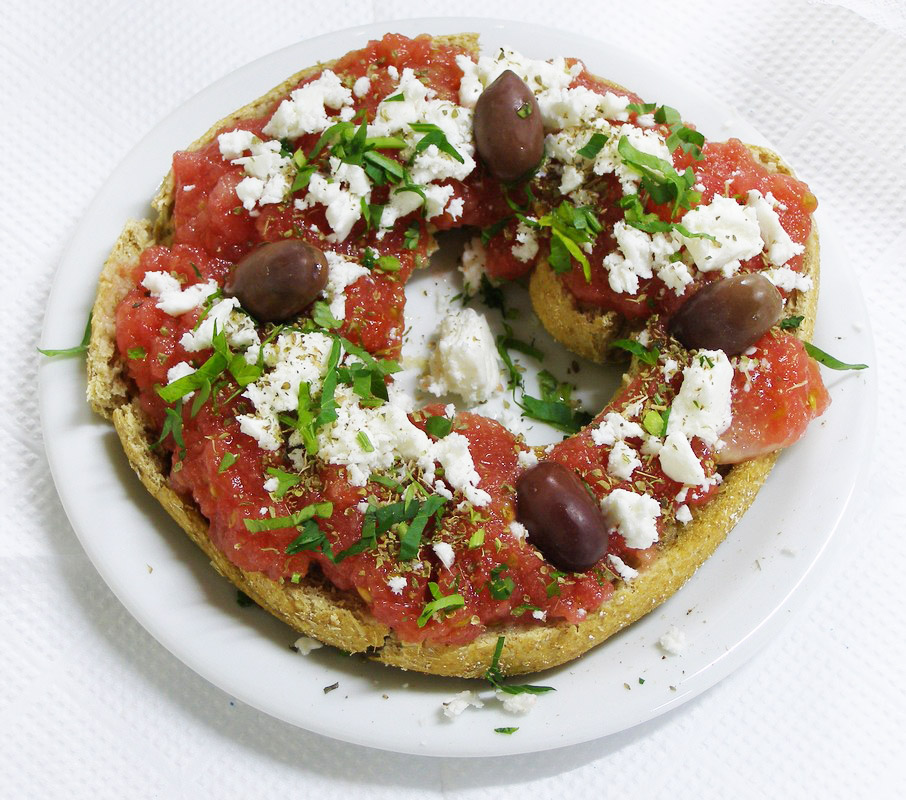 Cretan DakosDakos ΝτάκοςSalads · 12m · serves 4
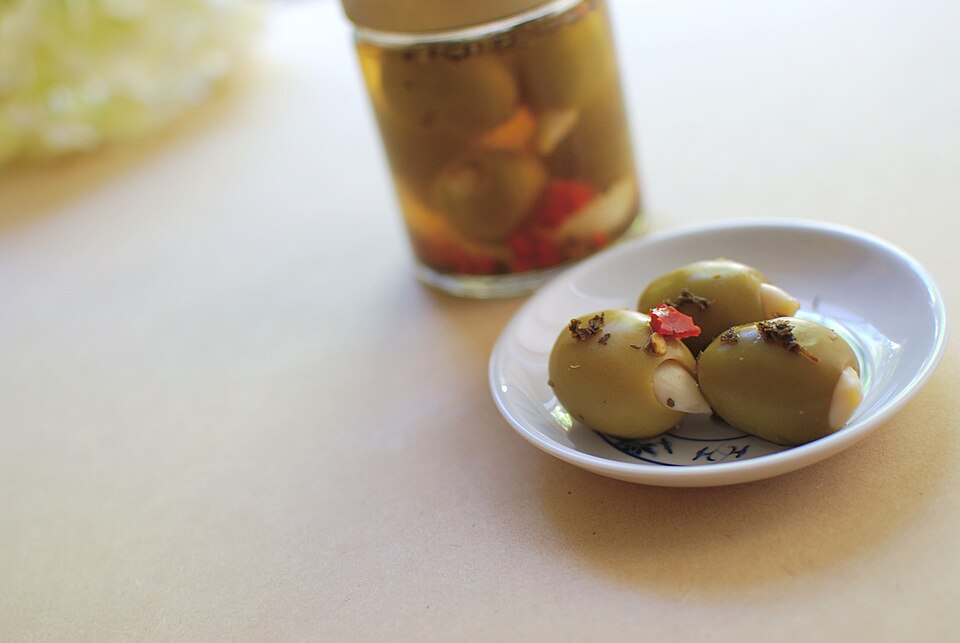 Cretan Cracked Green OlivesElies tsakistes Kritis Ελιές τσακιστές ΚρήτηςDips and Sauces · 30m · serves 10
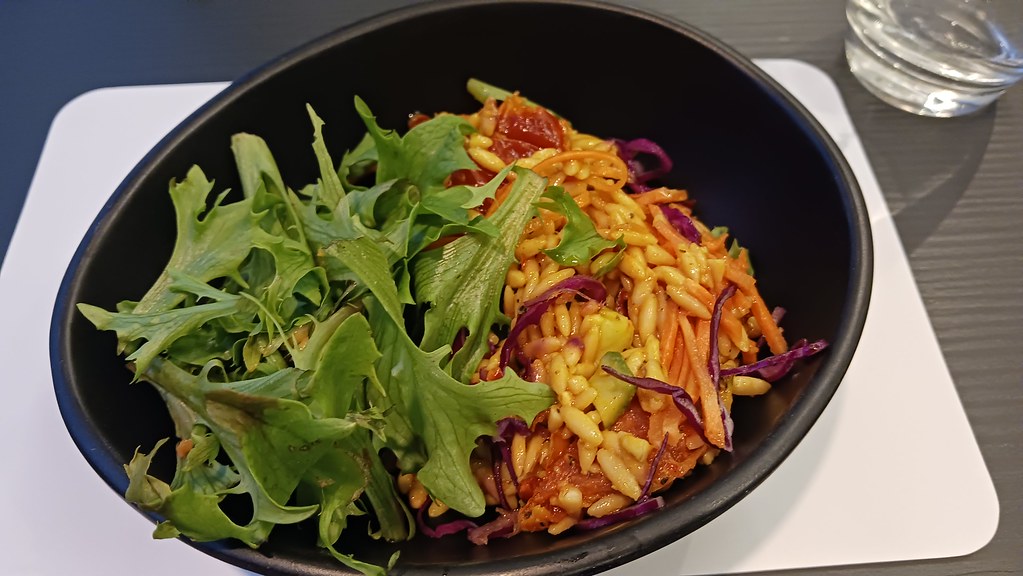 Orzo Pasta SaladKritharosalata ΚριθαρόσαλαταSalads · 32m · serves 6
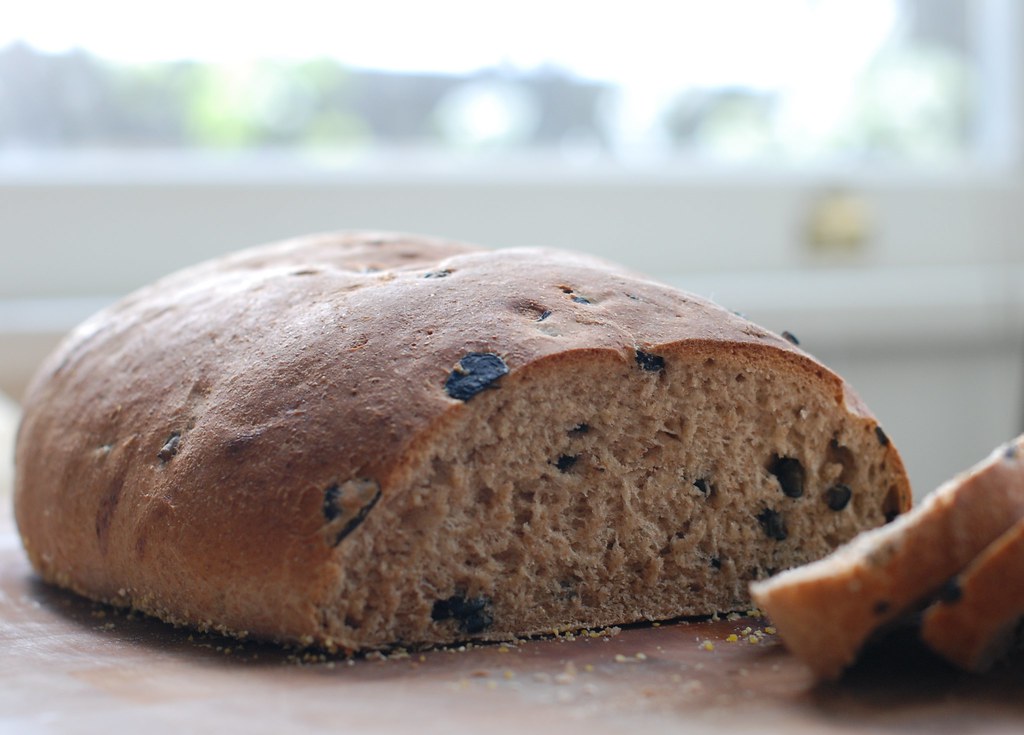 Olive BreadElioti (Eliopsomo) ΕλιόψωμοBreads and Pies · 1h 5m · serves 10
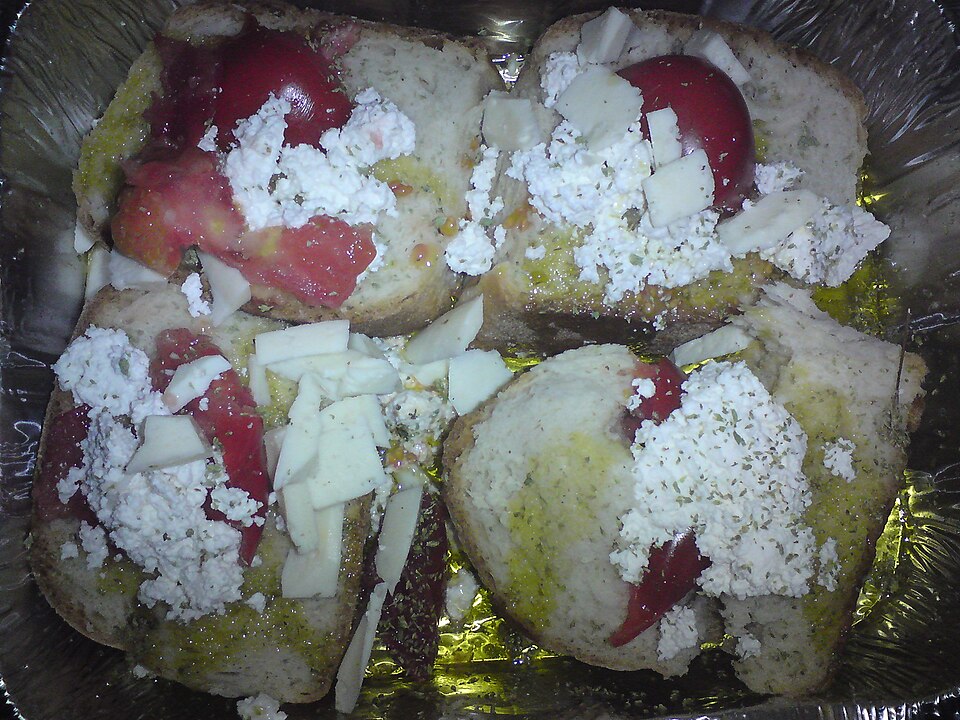 Ionian Rusk with Tomato and OreganoRiganada ΡιγανάδαSalads · 10m · serves 4
Get one proper Greek recipe a week
No round-ups, no filler, no fifteen-ingredient shortcuts. One dish, written out in full, with the reasoning included.
The signup form is not connected yet, so there is nothing here that would quietly lose your address. Email contact@kalliopiskitchen.com and you go on the list by hand.