Greek Main Courses · The Mainland · Greek Stews and Ladera · Lent and Nistisima
Greek Leek and Rice (Prasorizo)
Πρασόρυζο prah-SOH-ree-zoh · Prasorizo
In short
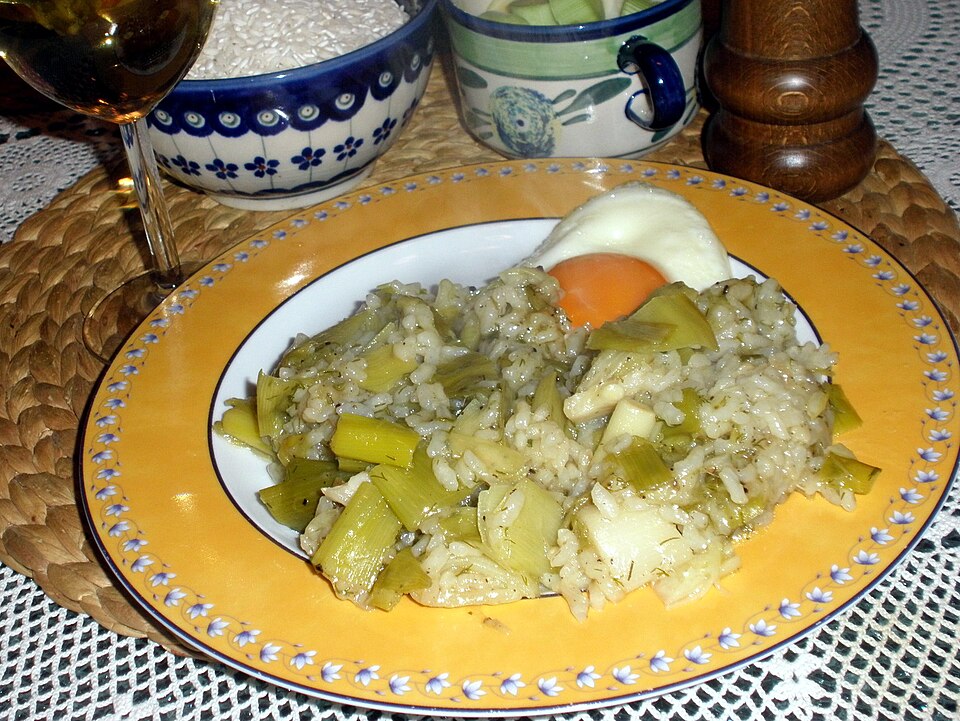
Prasorizo is a Greek ladera dish of leeks slowly softened in olive oil and then simmered with rice and stock until tender, finished with a generous squeeze of lemon. It is a mild, comforting winter version of the same technique used in spanakorizo.
Leek and Rice
- Prep
- 15m
- Cook
- 35m
- Total
- 50m
- Serves
- 4
- Level
- Beginner
Ingredients
Ingredients
Tick ingredients off as you go. Quantities rescale with the buttons above.
Method
- 01Slice the leeks and wash thoroughly in a large bowl of cold water, letting any grit sink to the bottom. Lift out and drain.
- 02Heat the olive oil in a wide pot over a low heat. Add the onion and cook for 5 minutes until soft.
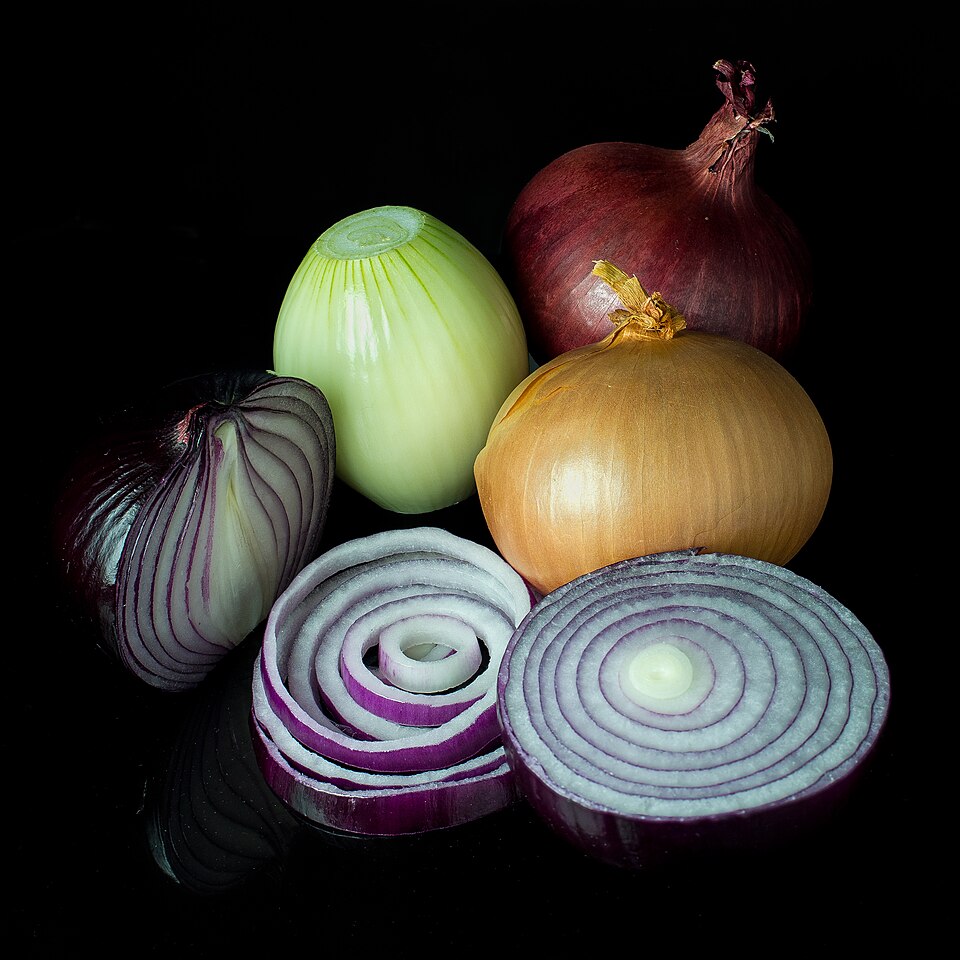
Onion - 03Add the leeks and cook over a low heat, stirring occasionally, for 15 minutes, until completely soft and sweet with no raw bite.Do not rush the leeks.Yiayia
- 04Stir in the tomato paste if using, and cook for 1 minute.
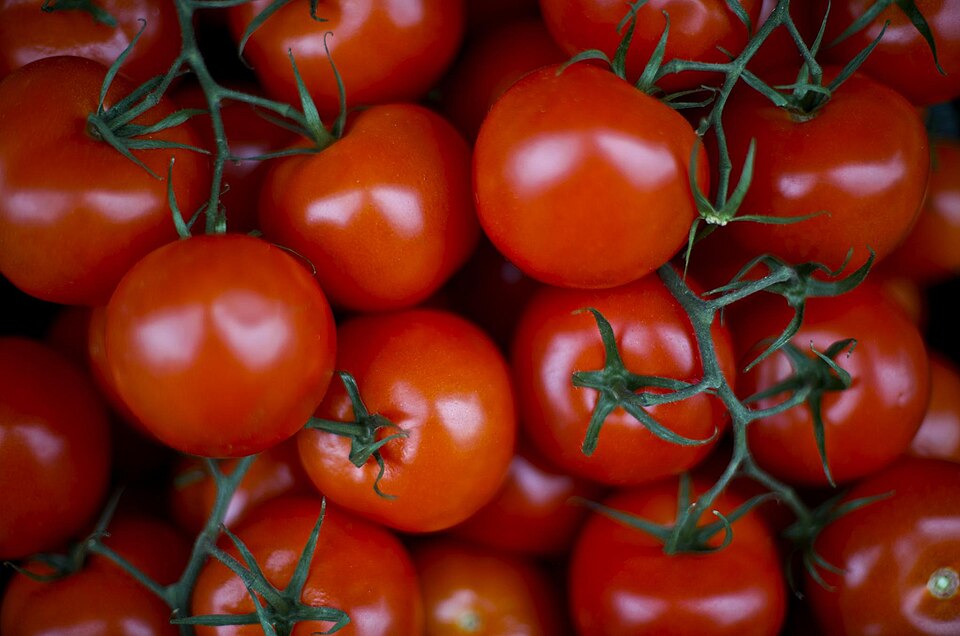
Tomato - 05Add the rice and stir to coat, then pour in the hot stock. Season with salt and pepper and bring to a simmer.
- 06Cook uncovered, stirring occasionally, for 16 to 18 minutes, until the rice is tender, adding a splash more hot water if it looks dry before the rice is done.
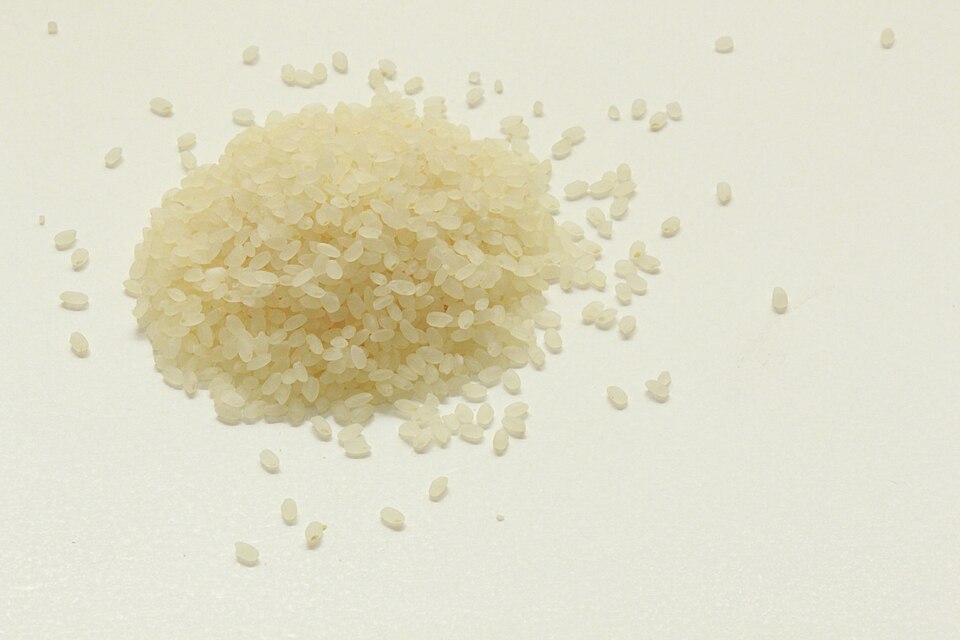
Rice - 07Stir in the fresh dill and cook for 2 minutes more.
- 08Take off the heat, stir in the lemon juice, and check the seasoning before serving.
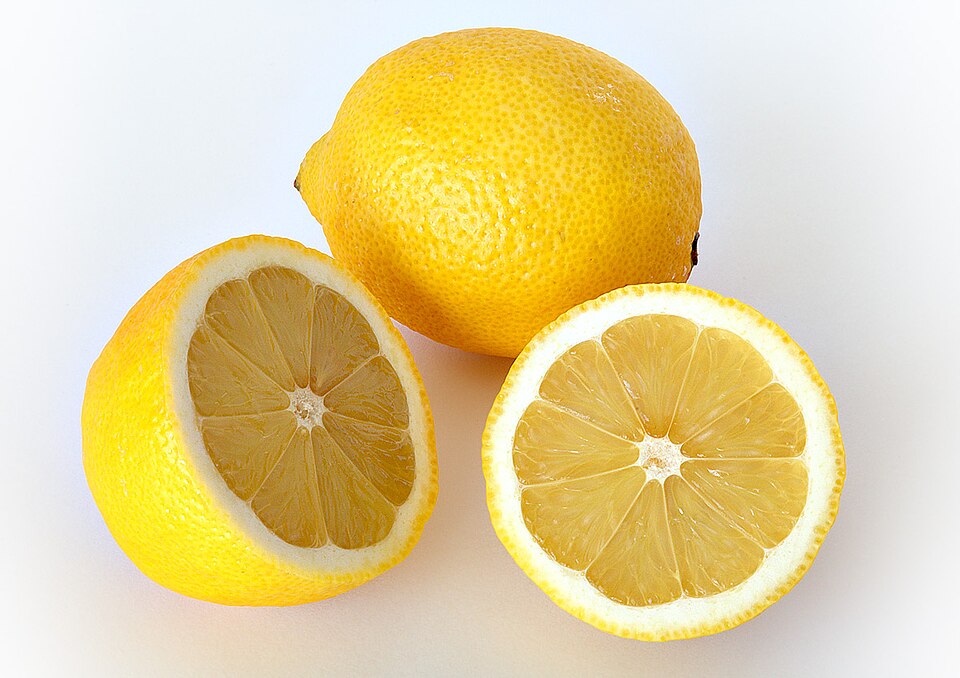
Lemon
Nutrition, per 1 portion
- Calories
- 298
- Protein
- 5 g
- Carbs
- 38 g
- Fat
- 14 g
- Sat fat
- 2 g
- Fibre
- 4 g
These figures are calculated estimates based on the ingredients listed, not laboratory analysis. Actual values vary with brands, cuts and portion size.
Prasorizo is what a Greek household reaches for in the depths of winter when leeks are at their best and something warm and mild is wanted rather than anything too rich. Leeks, cooked low and slow in plenty of olive oil until they turn sweet and almost jammy, then simmered with rice until the whole pot comes together into something between a risotto and a soup.
It shares its technique directly with spanakorizo, the spinach and rice version, but the character is completely different: leek's sweetness rather than spinach's mineral green flavour, and a paler, more golden pot rather than a deep green one.
This is genuinely one of the easier ladera dishes, with a single vegetable to prepare and no fussy timing beyond letting the leeks cook down properly before the rice goes in.
Key preparation steps
- Slice leeks thinly and wash them thoroughly to remove all grit.
- Cook them low and slow in olive oil until soft and sweet.
- Add rice and hot stock, then simmer until tender.
- Finish with lemon juice and a little fresh dill.
Washing leeks properly
Leeks trap grit and soil between their layers as they grow, and this dish, with its long slow simmer, gives nowhere for grit to hide. Slice them first, then swish the sliced rings thoroughly in a large bowl of cold water, letting any sediment sink to the bottom before lifting the leeks out.
Use both the white and the pale green parts, which have most of the sweetness. The tougher, deep green tops are better saved for stock than used here.
Cooking the leeks down properly
This is the step that makes or breaks prasorizo. Cook the sliced leeks in olive oil over a genuinely low heat for a full fifteen minutes, stirring occasionally, until they have collapsed down soft and sweet with no raw bite left at all, well before the rice goes anywhere near the pot.
Rushing this stage with high heat browns the leeks rather than softening them, which changes the flavour of the whole dish from sweet and mellow to something closer to caramelised onion.
Finishing touches
A little fresh dill stirred in towards the end and a generous squeeze of lemon once the pot is off the heat lift what would otherwise be quite a one-note, mellow dish. Some versions include a spoonful of tomato paste for colour and a slight tang, though the more classic version stays pale and simply leek-flavoured.
Crumbled feta on top at serving is entirely optional but very good, adding the salt and tang that a purely vegan version relies on lemon alone to provide.
What matters in this dish
Wash sliced, not whole
Slicing the leeks before washing exposes the grit trapped between the layers, which a quick rinse of a whole leek can miss entirely.
Do not rush the leeks
A full fifteen minutes on a low heat is what turns them soft and sweet. High heat browns them instead, changing the flavour of the whole dish.
Lemon at the very end
Added off the heat, it keeps its brightness rather than mellowing into the background.
Questions people ask about Prasorizo
What is the difference between prasorizo and spanakorizo?
The vegetable and the character it gives the dish. Prasorizo uses leeks, giving a pale, sweet, mellow pot, while spanakorizo uses spinach for a deep green, more mineral-tasting result. The rice-cooking technique is otherwise the same.
Is prasorizo vegan?
Yes, made only with leeks, rice, olive oil, dill and lemon, it is entirely plant-based and a traditional dish of the Lenten fasting calendar.
Can you add feta to prasorizo?
Yes, crumbled over the top at serving is a common and very good addition, though the traditional base recipe itself contains no dairy.