Greek Side Dishes · The Mainland · Greek Stews and Ladera · The Summer Table
Greek Courgette in Tomato Sauce (Kolokithakia Yiahni)
Κολοκυθάκια γιαχνί koh-loh-kee-THAH-kyah yah-NEE · Kolokithakia yiahni
In short
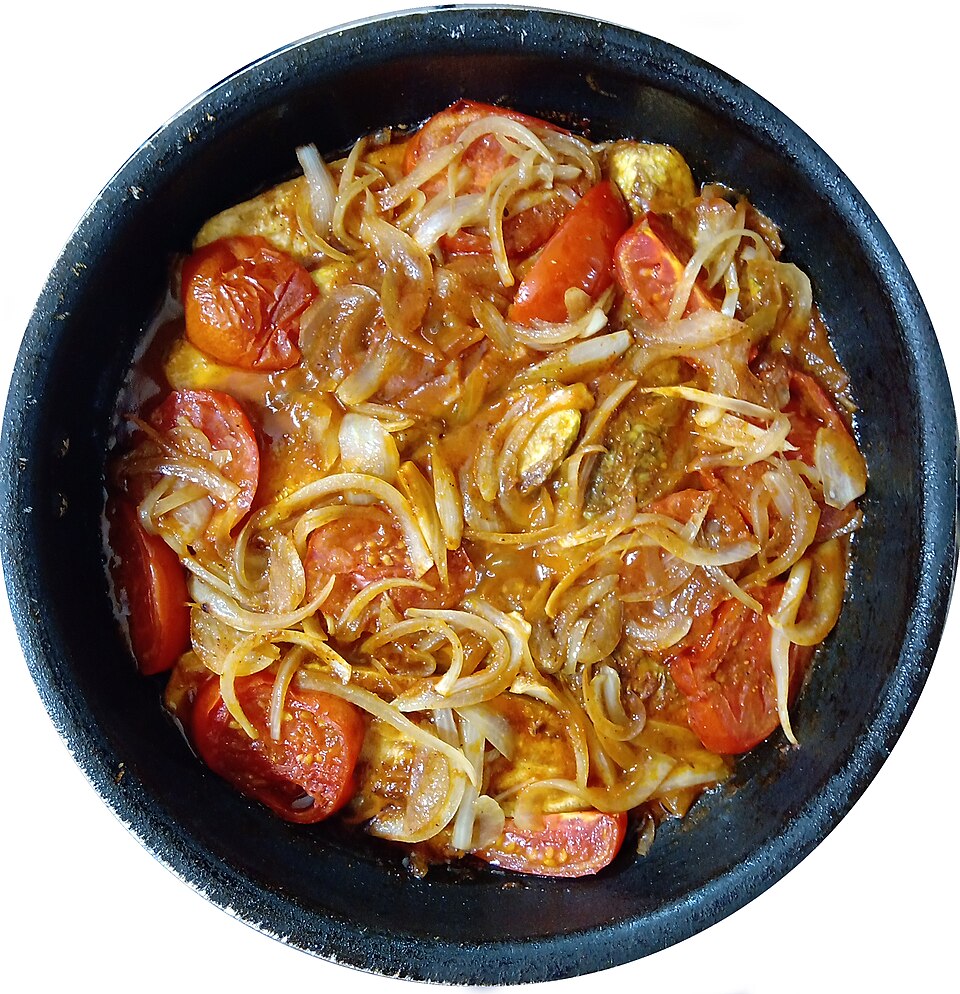
Kolokithakia yiahni is courgette cut into chunks and simmered slowly in a tomato, onion and olive oil sauce until completely soft, following the same yahni braising style used across fasolakia lathera and melitzanes yahni. It is a genuinely quick summer ladera side or light main.
Courgette in Tomato Sauce
- Prep
- 15m
- Cook
- 30m
- Total
- 45m
- Serves
- 4
- Level
- Beginner
Ingredients
Ingredients
Tick ingredients off as you go. Quantities rescale with the buttons above.
Method
- 01Heat the olive oil in a wide pot. Cook the onion for 8 minutes, until soft, then add the garlic and cook for 1 minute.
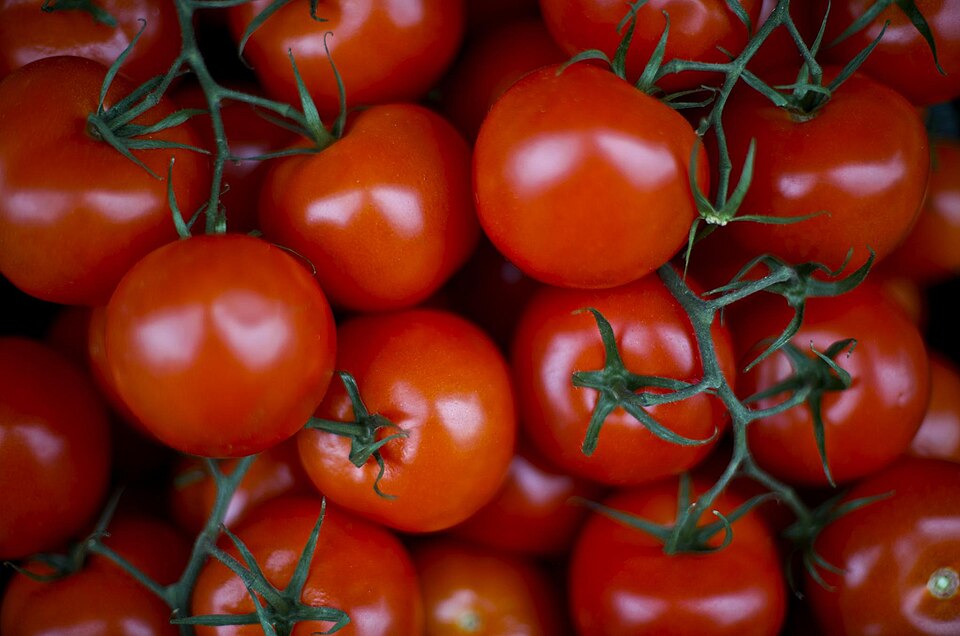
- 02Add the tomatoes and sugar, season, and simmer for 10 minutes.
Tomato - 03Add the courgette chunks, cover mostly, and simmer gently for 15 to 18 minutes, checking from 15 minutes, until soft but still holding some shape.Cut thick, not thin.Yiayia
- 04Uncover and simmer for a further 5 to 10 minutes, until the sauce has reduced and thickened.
- 05Stir through the chopped herbs and serve warm or at room temperature.
Nutrition, per 1 portion
- Calories
- 186
- Protein
- 3 g
- Carbs
- 14 g
- Fat
- 14 g
- Sat fat
- 2 g
- Fibre
- 3 g
These figures are calculated estimates based on the ingredients listed, not laboratory analysis. Actual values vary with brands, cuts and portion size.
Kolokithakia yiahni takes the same onion-and-tomato braising style that defines fasolakia lathera and melitzanes yahni and applies it to courgette, which cooks considerably faster than green beans or aubergine and makes this one of the quickest ladera dishes to put together on a summer evening.
Courgette breaks down readily once simmered, so the technique here rewards a slightly gentler hand than aubergine or beans need, checking earlier and often rather than assuming it needs the same length of time as its slower-cooking relatives.
This is genuine everyday vegetable cookery, eaten warm or at room temperature with bread and feta, or as a side to grilled meat or fish.
Key preparation steps
- Cut courgette into thick chunks.
- Build an onion and tomato sauce.
- Simmer the courgette gently until soft but not collapsed.
- Finish uncovered to thicken the sauce.
Cutting the courgette
Cut the courgette into thick rounds or chunks, around three centimetres, rather than thin slices, since thin pieces disintegrate too quickly in the simmering sauce. Choose firm, smaller courgettes if you can, since very large ones can be watery and less flavourful.
The sauce
Cook a generous amount of onion and garlic in olive oil until soft, then add tinned or grated tomato and a little sugar to balance any sharpness, exactly the same base used across the whole yahni family of ladera dishes.
A gentler simmer than its relatives
Add the courgette to the sauce and simmer gently, mostly covered, checking from fifteen minutes onwards, since courgette cooks through considerably faster than aubergine or green beans and can turn to mush if left as long as those tougher vegetables need. Finish uncovered for the final five to ten minutes to reduce the sauce.
What matters in this dish
Cut thick, not thin
Thin slices disintegrate too quickly in the sauce. Thick chunks hold their shape through the simmer.
Check earlier than you would for beans or aubergine
Courgette cooks through considerably faster and can turn to mush if treated the same as its tougher ladera relatives.
Finish uncovered
This lets the sauce reduce and thicken properly rather than staying thin and watery.
Questions people ask about Kolokithakia yiahni
How is this different from fasolakia lathera or melitzanes yahni?
All three follow the same onion-and-tomato yahni braising style, but the vegetable changes, and courgette cooks considerably faster than green beans or aubergine, so the timing needs adjusting accordingly.
Is kolokithakia yiahni vegan?
Yes, entirely, made from courgette, onion, tomato and olive oil, and it is a traditional Lenten dish for exactly that reason.
Can you make this dish ahead?
Yes, it keeps well for a couple of days refrigerated and is traditionally eaten warm or at room temperature rather than piping hot.