Greek Main Courses · The Mainland · Baked · The Summer Table
Gemista Recipe (Greek Stuffed Tomatoes and Peppers with Rice)
Γεμιστά yeh-mee-STAH · Gemista
In short
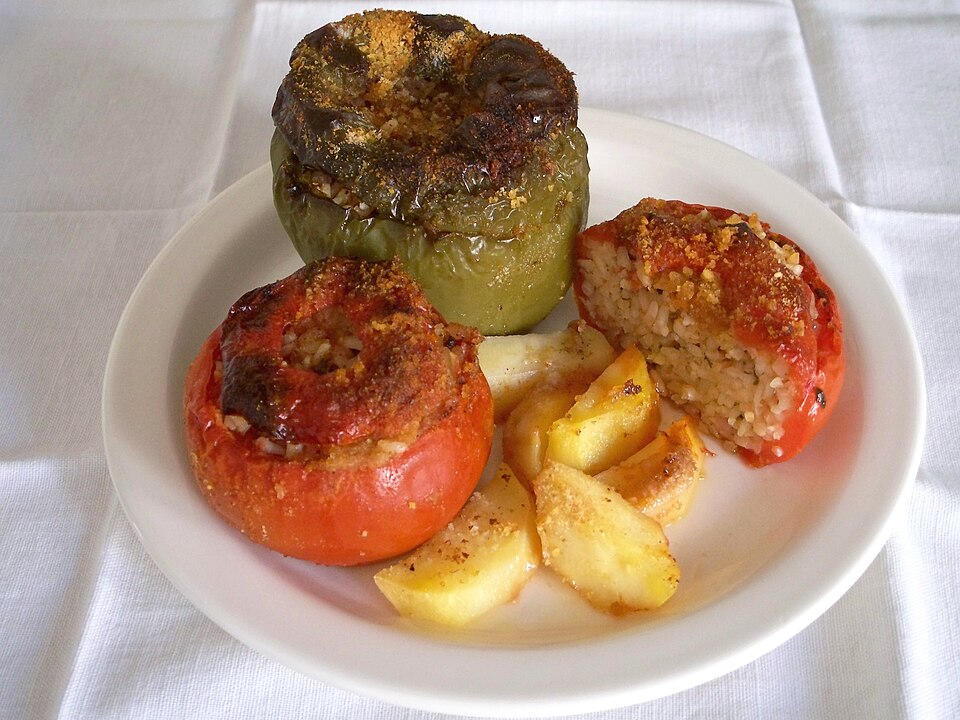
Gemista are tomatoes and peppers hollowed out and stuffed with raw rice, herbs, onion and olive oil, then baked slowly until the rice cooks in the vegetables' own juices. They are filled only two thirds full because the rice swells substantially.
Gemista
- Prep
- 40m
- Cook
- 1h 30m
- Total
- 2h 10m
- Serves
- 6
- Level
- Beginner
Ingredients
For the vegetables
For the filling
Tick ingredients off as you go. Quantities rescale with the buttons above.
Method
- 01Slice the tops off the tomatoes and keep them as lids. Scoop out the flesh with a spoon into a bowl, leaving the shells intact. Do not pierce the base.
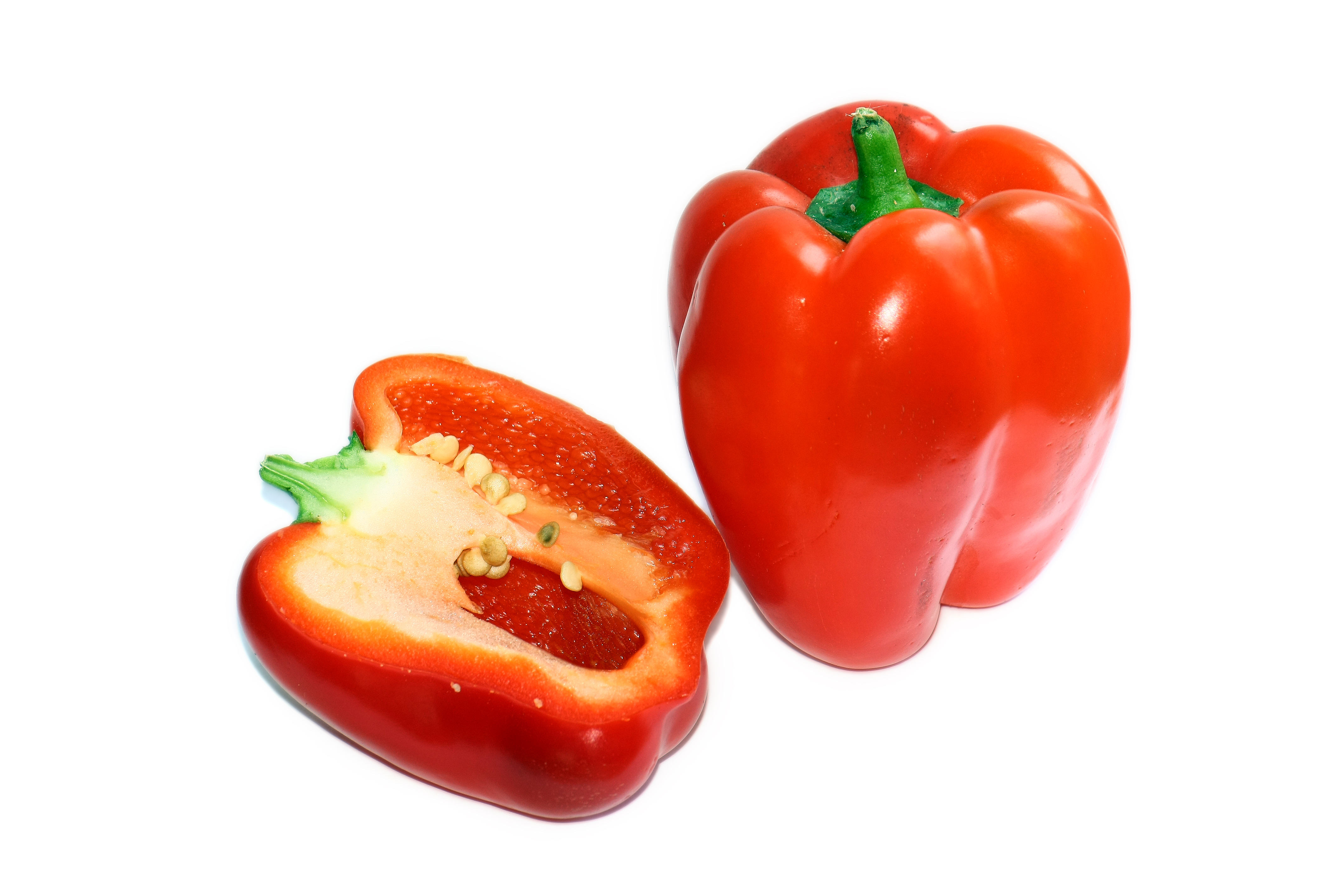
- 02Cut the tops off the peppers, keep them as lids, and remove the seeds and white membrane.
Peppers - 03Blitz or finely chop the tomato pulp. Salt the inside of each tomato shell lightly and stand them all upside down for 10 minutes to drain.Salt and drain the tomato shells.Yiayia
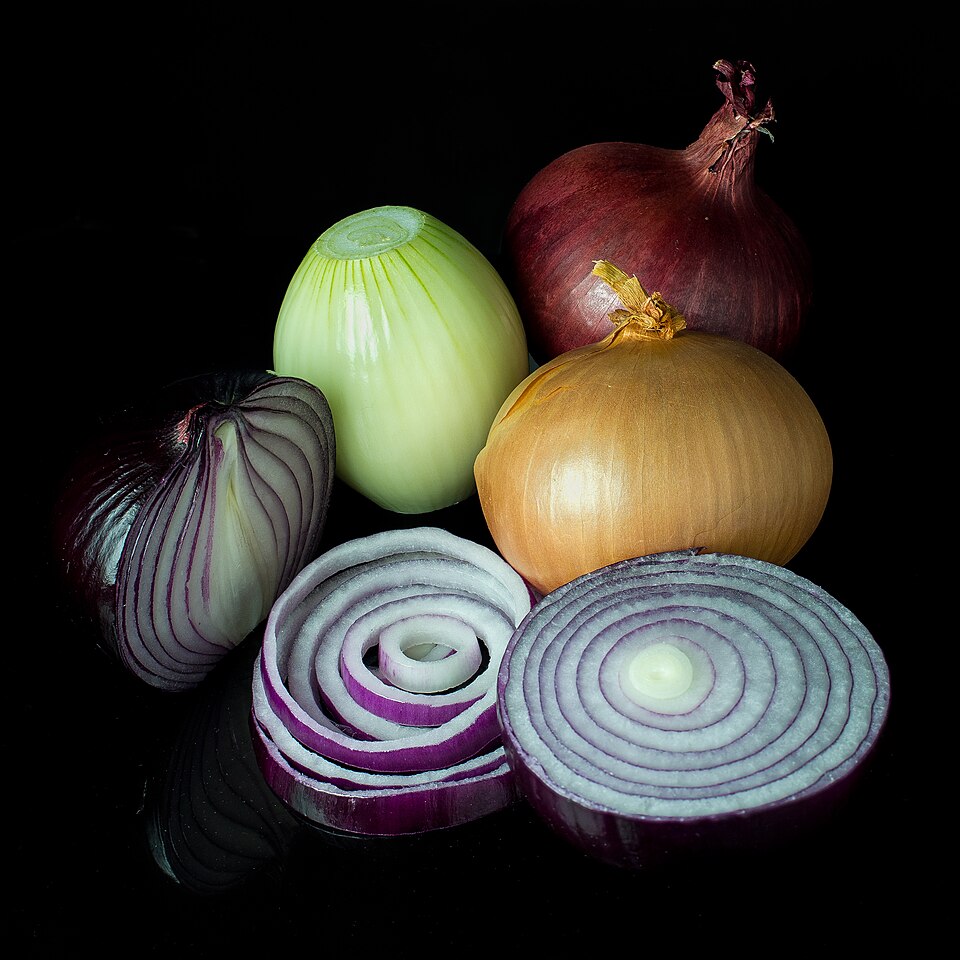
- 04Heat 100 ml of the olive oil in a pan and cook the onions gently for 12 minutes until soft. Add the garlic for a minute more.
Onion - 05Stir in the raw rice and coat it in the oil for 2 minutes. Add the tomato pulp, tomato puree and sugar, and cook for 5 minutes until slightly thickened but still loose.
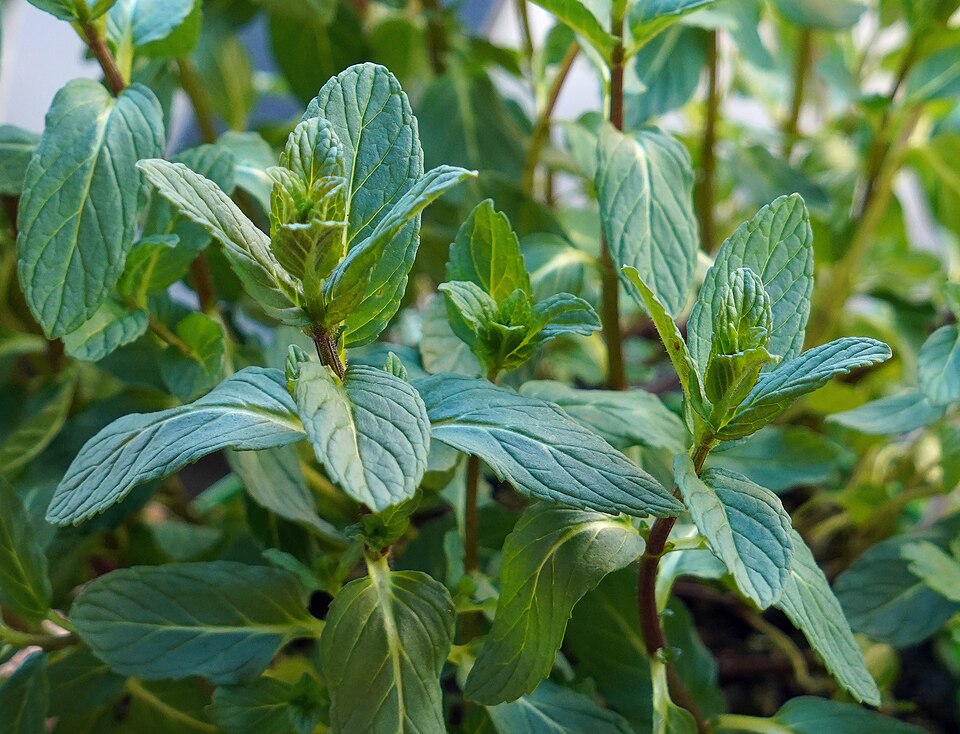
- 06Take off the heat and stir through the parsley, fresh mint and dried mint. Season generously. The mixture should be wet and loose.
Mint - 07Heat the oven to 180C fan 160C. Oil a large deep roasting tin and stand the vegetable shells in it, packed close together.
- 08Fill each shell two thirds full, no more. Replace the lids.
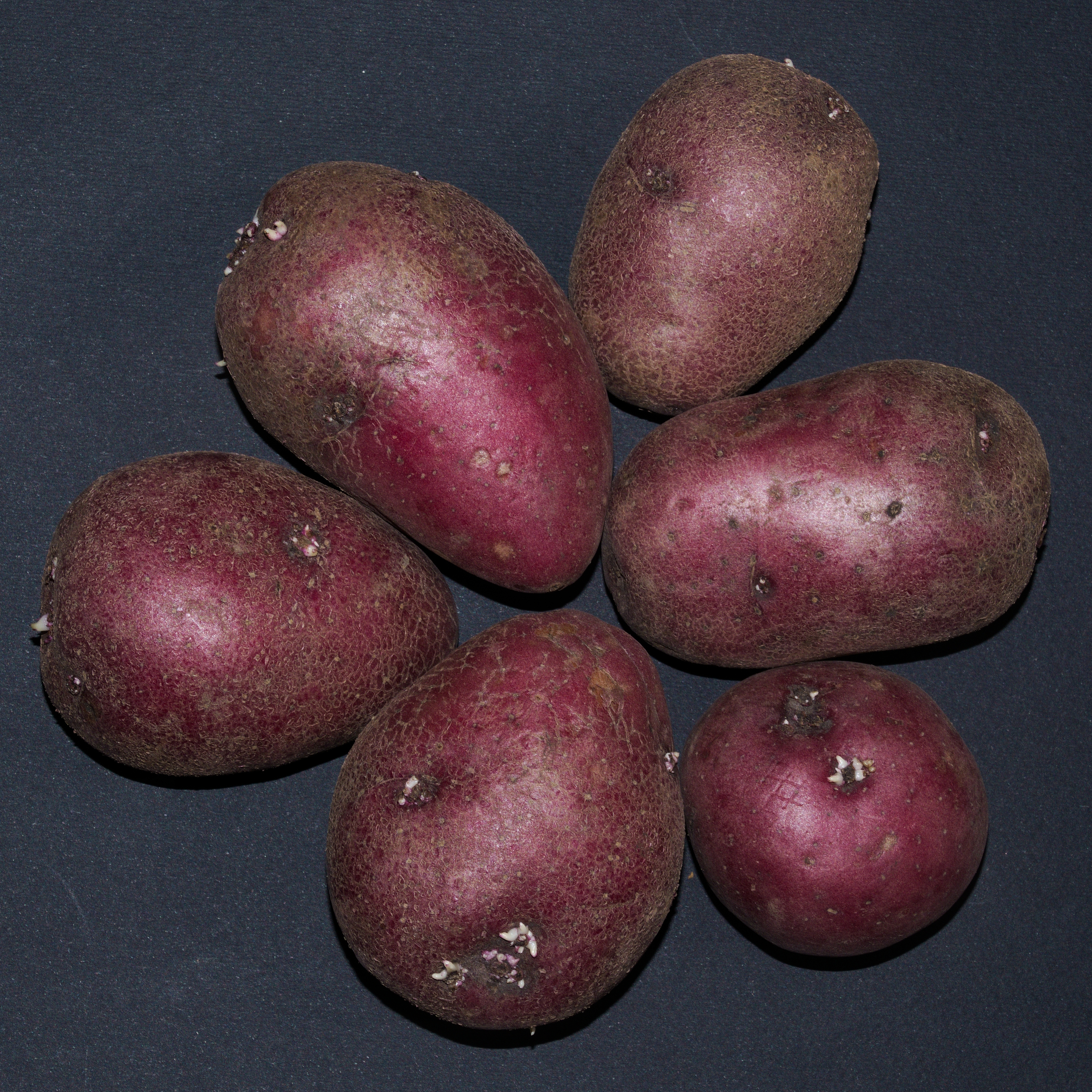
- 09Wedge the potato pieces into the gaps between the vegetables, season them, and pour the remaining olive oil over everything.
Potato - 10Pour the hot water into the base of the tin, not over the vegetables. Cover the tin loosely with foil.
- 11Bake for 60 minutes, then remove the foil and bake for a further 25 to 30 minutes until the tops are browned and the rice is tender.
- 12Rest for at least 20 minutes. Serve warm or at room temperature with bread and feta.
Nutrition, per 2 stuffed vegetables
- Calories
- 468
- Protein
- 8 g
- Carbs
- 62 g
- Fat
- 22 g
- Sat fat
- 3 g
- Fibre
- 7 g
These figures are calculated estimates based on the ingredients listed, not laboratory analysis. Actual values vary with brands, cuts and portion size.
Gemista is the dish that smells like a Greek summer. Tomatoes and peppers hollowed out, filled with rice and herbs, and baked for an hour and a half until the tops blacken slightly and the whole tray collapses into itself.
There are two rules and everything else is preference. The rice goes in raw, and you fill them two thirds full. Break either and the dish fails in a predictable way: pre-cooked rice turns to paste, and over-filled vegetables burst as the rice swells.
The potatoes wedged into the gaps are not filler. They stop the vegetables falling over, they soak up the juices that leak out, and a great many Greeks consider them the best part of the tray.
Key preparation steps
- Hollow the vegetables and keep the pulp: it goes into the filling.
- Mix raw rice with herbs, onion, pulp and a lot of olive oil.
- Fill only two thirds full and replace the lids.
- Wedge potatoes into the gaps, add water, and bake slowly.
Why does the rice go in raw?
Because it needs to cook in the tomato juice, not in water. Raw rice sealed inside a tomato absorbs the pulp, the oil and the vegetable's own liquid as it swells, and it comes out tasting of the dish. That is the entire point.
Pre-cooked rice cannot absorb anything, so it sits there getting softer until it turns to a paste, and the filling tastes separate from the vegetable around it.
Use a medium grain rice such as arborio or a Greek glace rice. Long grain stays too separate and does not give the soft, slightly claggy texture the dish wants.
How full should you fill them?
Two thirds, no more. Rice roughly triples in volume, and a tomato packed to the brim will split its sides and empty itself into the tray.
Slightly under-filling also leaves room for the pulp liquid to circulate inside, which is how the rice cooks evenly. If you have filling left over, scatter it around the base of the tray and it will cook alongside.
Replace the lids you cut off. They protect the rice from drying and they look right.
Meat or no meat?
Both exist. The plain rice version, gemista orfana, meaning orphaned, is the older and more common one and is naturally vegan. The version with minced beef or lamb mixed into the rice is a Sunday dish.
The vegan version is not a compromise here. It is what most Greek households make most of the time, and it is what appears throughout the fasting calendar.
If you do add mince, brown it first and reduce the rice slightly, since the meat brings its own moisture.
Getting the herbs and the oil right
Mint and parsley are the core, in quantities that feel excessive. A large bunch of each for twelve vegetables. Dill is common, particularly in the islands. Dried mint alongside fresh is traditional and adds depth.
The olive oil goes into the filling and over the top and into the tray, and there should be a lot of it. This is a ladera dish and the oil is the sauce. A tray of gemista made with a modest drizzle tastes thin and slightly dusty.
A spoonful of sugar in the filling balances the acidity of the tomatoes, which is worth doing unless your tomatoes are exceptional.
What matters in this dish
Salt and drain the tomato shells
Ten minutes upside down removes excess water that would otherwise make the rice sloppy.
Pack the tin tightly
Vegetables that can fall over will fall over, and their filling ends up in the tray. Wedge potatoes into every gap.
Warm, not hot
Like all ladera dishes, gemista tastes better at warm or room temperature than straight from the oven, and it is genuinely good cold the next day.
Questions people ask about Gemista
Why is the rice in my gemista still hard?
Not enough liquid, or the tray was uncovered for too long. The rice cooks in the vegetables' own juices plus the water in the base, so keep it covered with foil for the first hour.
Can you make gemista ahead?
Yes, and they are often better for it. They keep three days in the fridge and are traditionally eaten at room temperature, so they suit making a day ahead.
Are gemista vegan?
The classic rice-only version is entirely vegan and is what most Greek households make. A minced meat version also exists and is more of a Sunday dish.
What rice is best for gemista?
A medium grain rice such as arborio or Greek glace. It releases enough starch to give the soft texture the dish wants. Long grain stays too separate.