Greek Breads and Pies · Corfu and the Ionian · Baked · Easter
Corfu Easter Sweet Bread (Fogatsa Kerkyras)
Φογάτσα Κέρκυρας foh-GAH-tsah KER-kee-ras · Fogatsa Kerkyras
In short
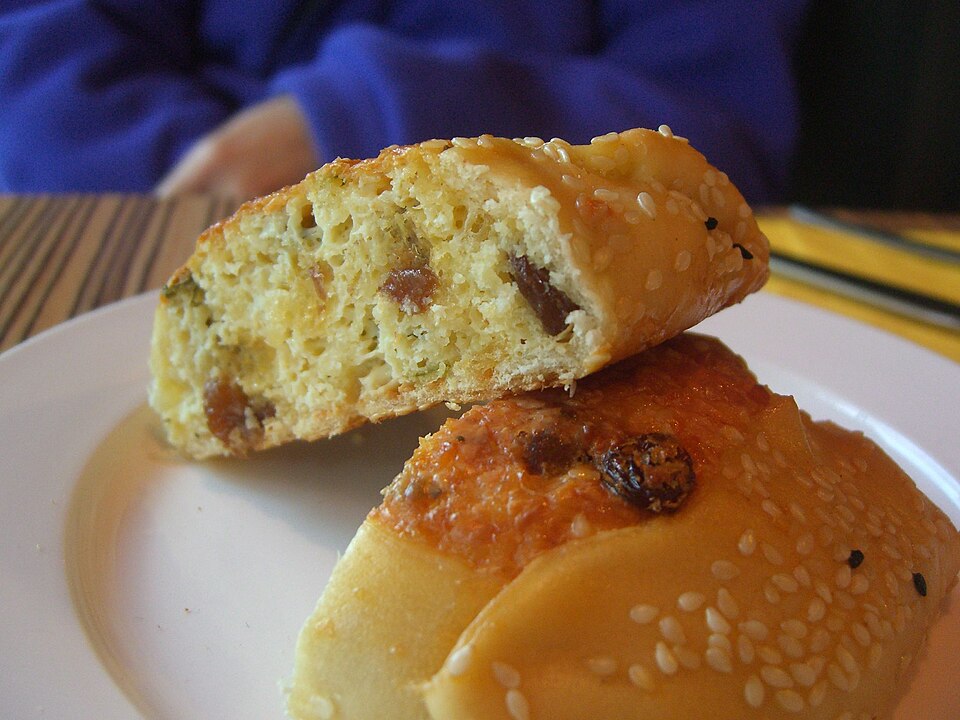
Fogatsa is Corfu's own Easter sweet bread, denser and more cake-like than mainland tsoureki, generously scented with orange and mastic. Its name traces to the Italian word focaccia, one more small trace of the island's long Venetian history running through its baking.
Corfu Easter Sweet Bread
- Prep
- 1h
- Cook
- 40m
- Total
- 1h 40m
- Serves
- 12
- Level
- Intermediate
Ingredients
Ingredients
Tick ingredients off as you go. Quantities rescale with the buttons above.
Method
- 01Mix the flour, yeast, sugar, salt and mastic together in a large bowl.
- 02Add the eggs, melted butter, orange juice, orange zest and warm milk. Mix and knead for 10 to 12 minutes, until smooth and elastic.
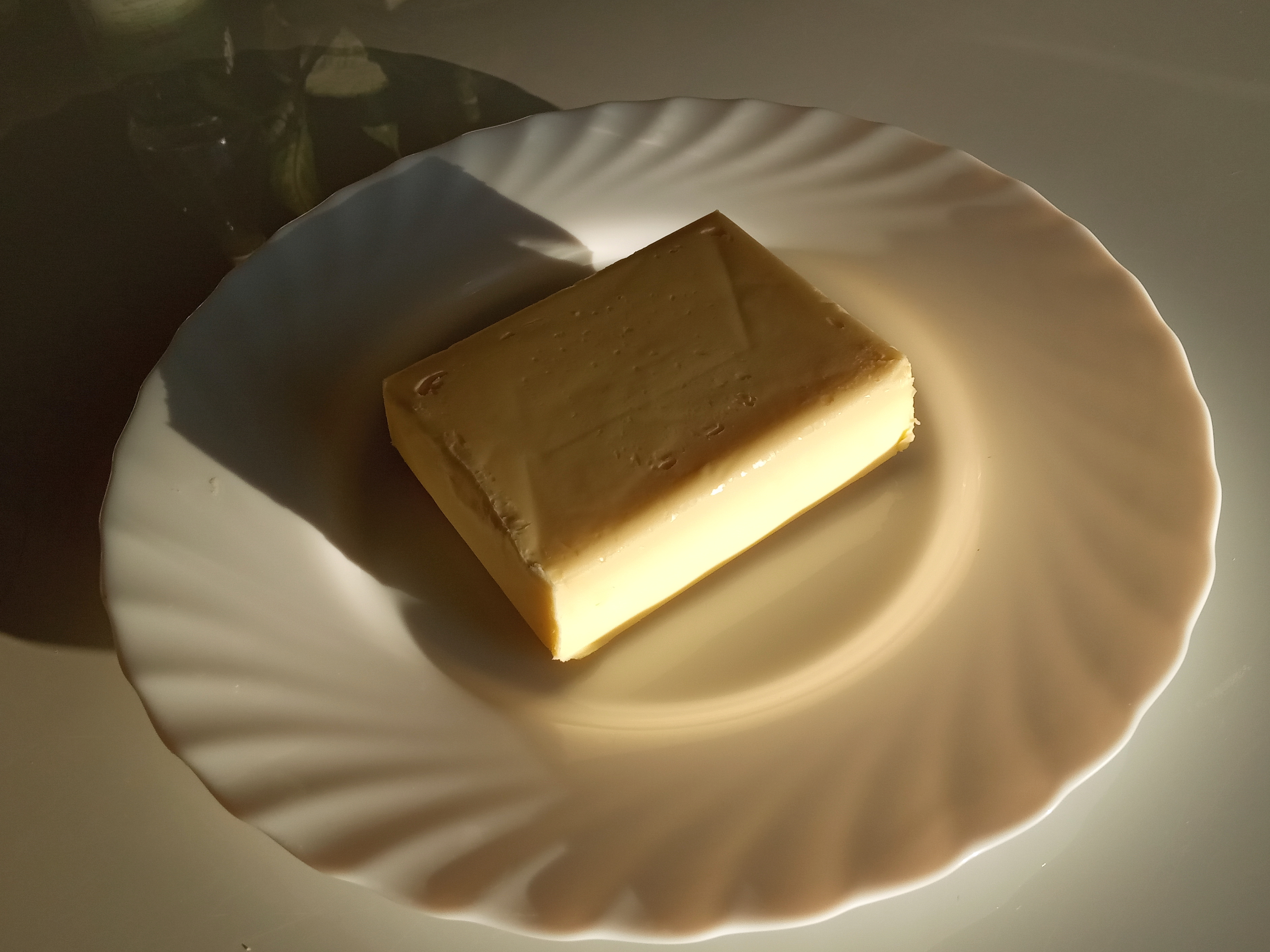
Butter - 03Cover and leave to rise in a warm place for 1 1/2 to 2 hours, until genuinely doubled in size.Do not rush the first rise.Yiayia
- 04Knock back the dough and shape into a single round or slightly domed loaf. Place on a lined baking tray.
- 05Cover loosely and prove again for 45 minutes.
- 06Heat the oven to 170C fan 150C. Brush the loaf generously with the beaten egg.
- 07Bake for 35 to 40 minutes, until deeply golden and a skewer inserted into the centre comes out clean.
- 08Cool completely on a wire rack before slicing.
Nutrition, per 1 slice
- Calories
- 268
- Protein
- 6 g
- Carbs
- 42 g
- Fat
- 8 g
- Sat fat
- 4 g
- Fibre
- 1 g
These figures are calculated estimates based on the ingredients listed, not laboratory analysis. Actual values vary with brands, cuts and portion size.
Corfu has its own Easter bread, distinct from the braided mainland tsoureki, and its very name gives away the island's Venetian history: fogatsa comes directly from the Italian focaccia, though the finished bread bears little resemblance to the savoury Italian flatbread beyond a shared linguistic root. It is denser and more cake-like than tsoureki, baked as a single round or slightly domed loaf rather than braided.
Orange, both zest and juice, runs generously through the dough, alongside mastic, giving a fragrant, slightly Mediterranean character distinct from tsoureki's mahlepi-forward perfume, even though both breads exist for the same Easter occasion.
This is a real baking project, though a somewhat more straightforward one than a braided tsoureki, since there is no braiding technique to master, just a well-enriched dough shaped simply and proved properly.
Key preparation steps
- Make a well-enriched, orange and mastic-scented dough.
- Prove until genuinely doubled.
- Shape into a round or domed loaf.
- Prove again, then bake until deeply golden.
The dough
Flour, yeast, a generous amount of sugar, eggs, butter and a good measure of orange juice and zest, with mastic crushed with a little sugar to help it disperse evenly. This is a properly enriched dough, closer in richness to a Western sweet bread than a plain loaf, and it needs a genuine, patient knead to develop properly.
Proving properly
Let the dough rise until genuinely doubled, at least ninety minutes to two hours in a warm spot, since a rich, enriched dough like this takes longer than a plain bread would. Rushing this stage gives a dense, heavy loaf rather than the pleasantly close but tender crumb fogatsa should have.
Shaping and baking
Shape the risen dough into a single round or slightly domed loaf, rather than braiding it, and let it prove again for a shorter second rise before baking. Brush with egg wash for a deep golden shine and bake until well risen and cooked through, checking with a skewer since the loaf is quite thick and dense.
What matters in this dish
Do not rush the first rise
A rich, enriched dough like this needs longer than a plain bread. A genuinely doubled dough gives a far better texture than a rushed one.
Check doneness with a skewer
This is a thick, dense loaf, and it is worth checking the centre is properly cooked through rather than relying on colour alone.
Use plenty of orange zest, not just juice
The zest carries most of the aromatic oil, which is what gives the bread its genuine orange character.
Questions people ask about Fogatsa Kerkyras
How is fogatsa different from tsoureki?
Fogatsa is denser and more cake-like, shaped as a single round or domed loaf rather than braided, and scented with orange and mastic rather than tsoureki's mahlepi-forward perfume. It is specifically Corfu's own Easter bread.
Where does the name fogatsa come from?
It traces to the Italian word focaccia, one more small trace of Corfu's long Venetian history showing up in its baking, though the finished bread itself is quite different from Italian focaccia.
Can you make fogatsa without mastic?
Yes, the orange flavour alone still gives a good result, though the mastic adds a distinctive, slightly resinous note that is part of the traditional character.