Greek Side Dishes · The Mainland · Greek Stews and Ladera · The Summer Table
Greek Okra in Tomato and Olive Oil (Bamies Latheres)
Μπάμιες λαδερές BAH-myes lah-theh-RES · Bamies latheres
In short
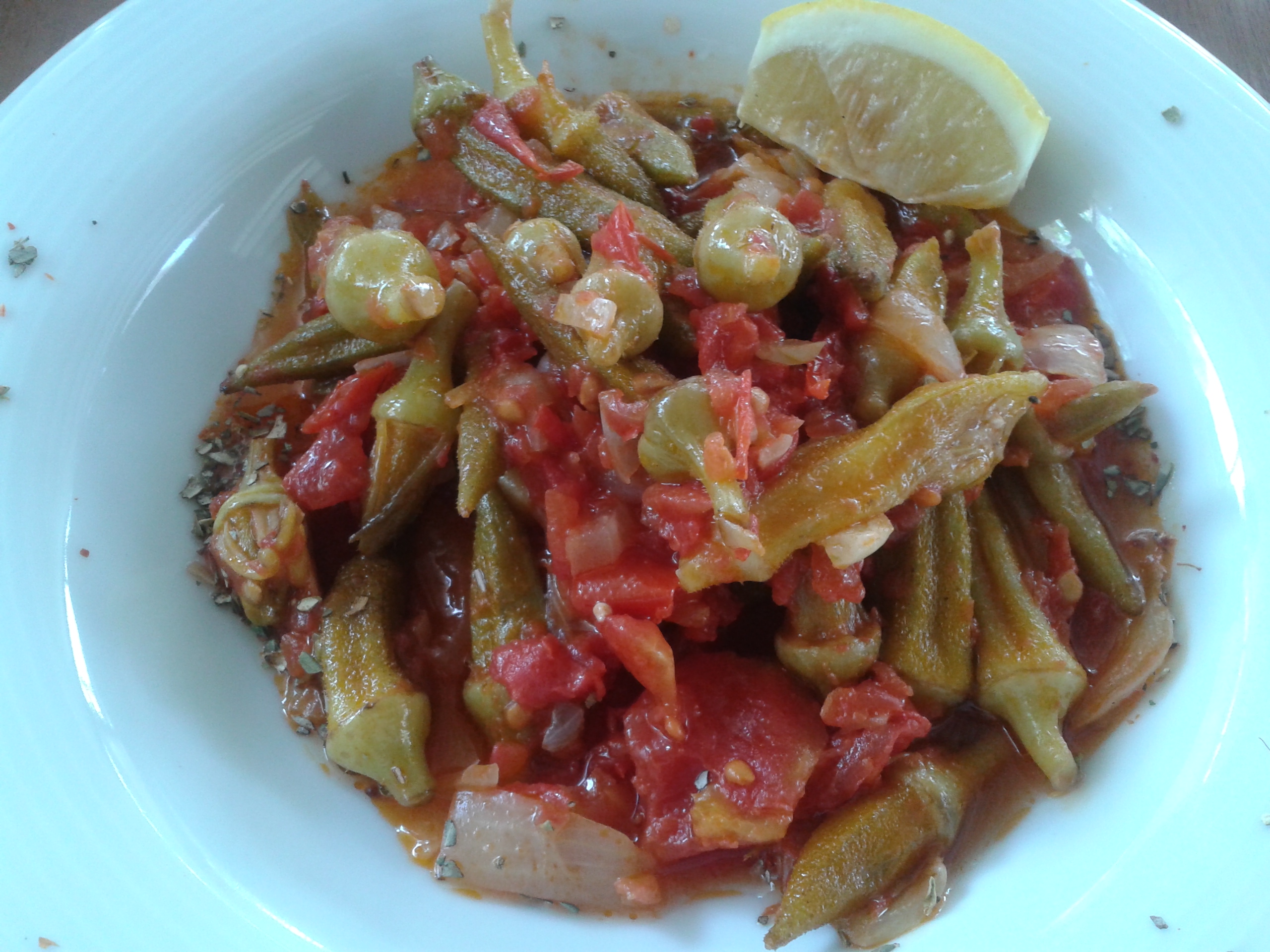
Bamies latheres is a Greek ladera dish of okra simmered slowly in tomato and a generous amount of olive oil until tender. A brief vinegar soak before cooking is the traditional trick that keeps the okra from turning slimy, the biggest obstacle most home cooks run into with this vegetable.
Okra in Tomato and Olive Oil
- Prep
- 20m
- Cook
- 40m
- Total
- 1h
- Serves
- 4
- Level
- Beginner
Ingredients
Ingredients
Tick ingredients off as you go. Quantities rescale with the buttons above.
Method
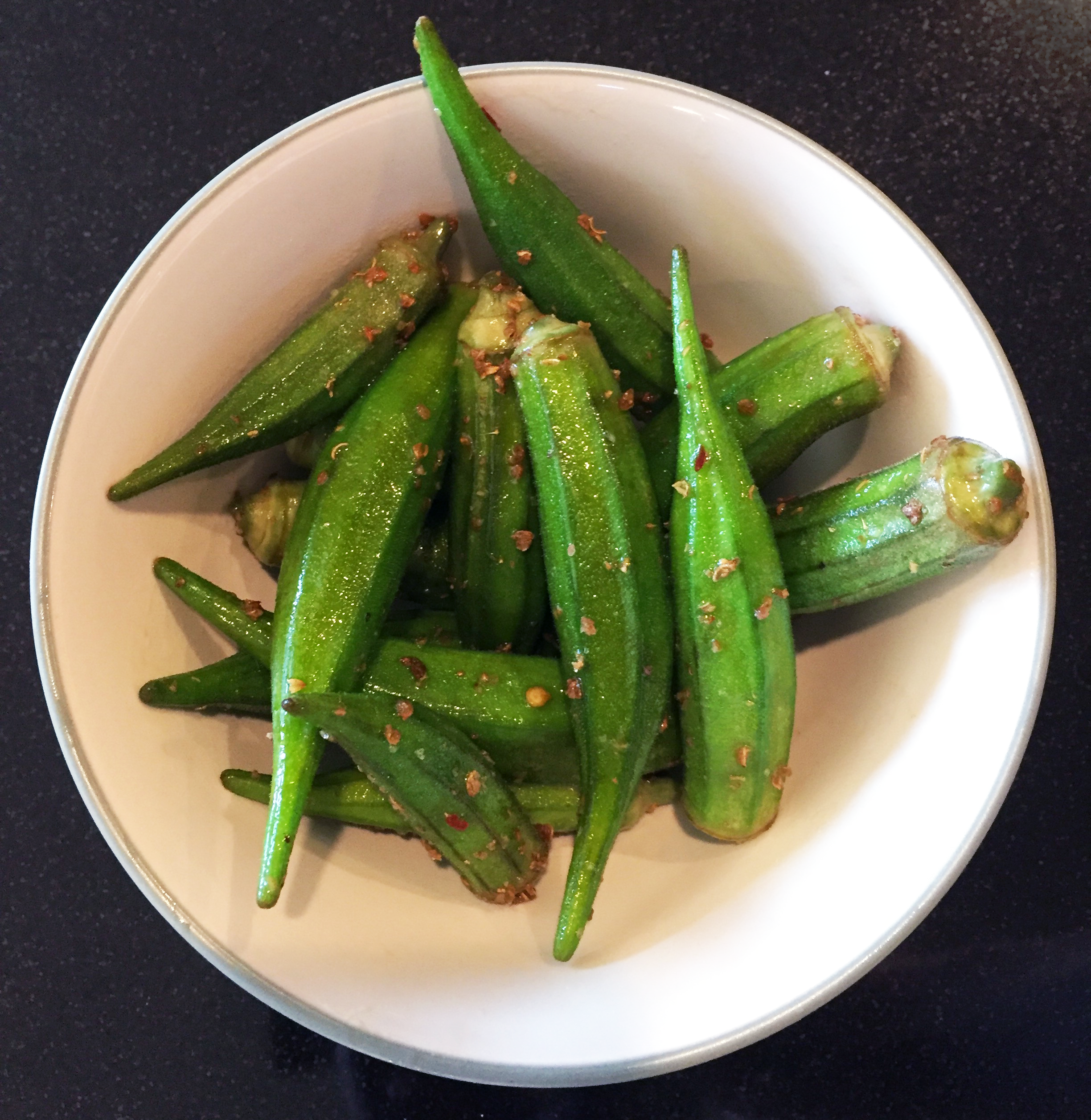
- 01Trim the woody stem end of each okra pod carefully, without cutting into the pod itself.Do not cut into the pods when trimming.Yiayia
- 02Soak the trimmed okra in a bowl with the vinegar for 20 to 30 minutes.
Okra - 03Rinse thoroughly and pat completely dry with kitchen paper.
- 04Heat the olive oil in a wide pot over a medium heat. Cook the onion for 8 minutes, until soft, then add the garlic and cook for 1 minute.
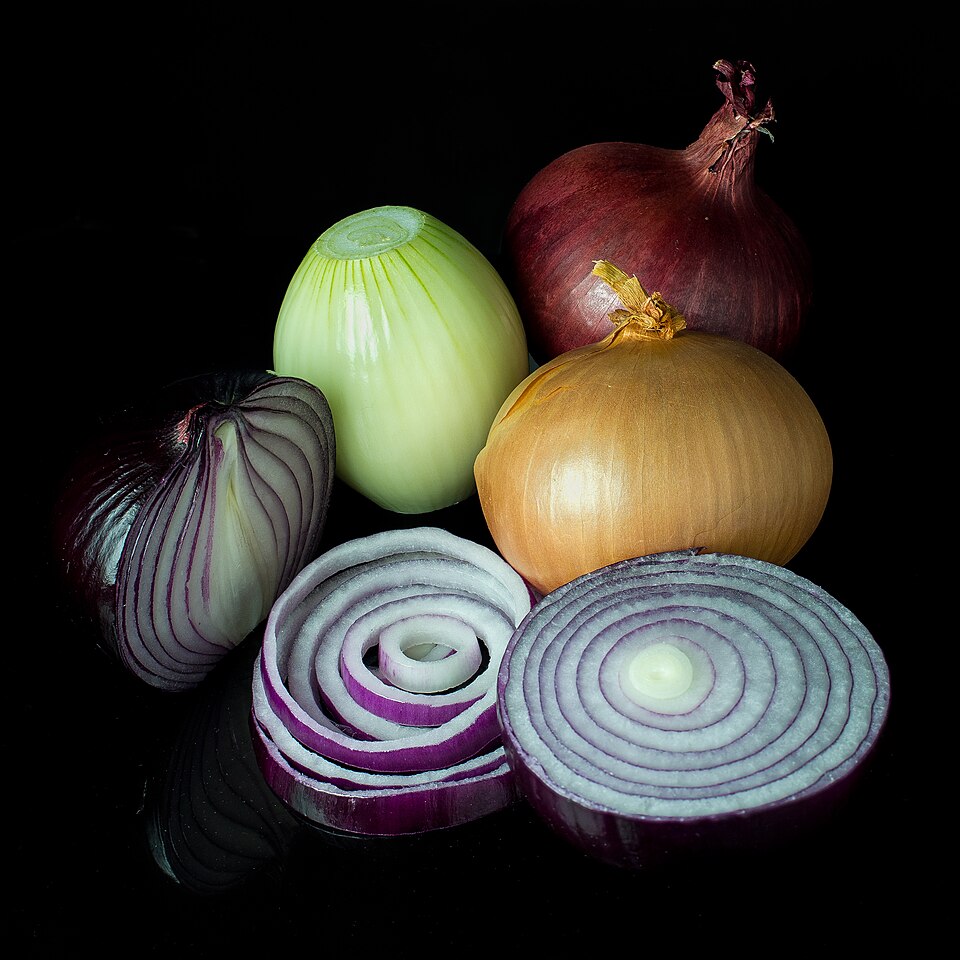
Onion - 05Add the tomatoes and sugar, season, and simmer for 10 minutes.
- 06Add the dried okra, shaking the pan gently to distribute rather than stirring vigorously. Cover mostly and simmer for 25 minutes.
- 07Uncover and simmer for a further 10 minutes, until the sauce has reduced and thickened and the okra is tender.
- 08Serve warm or at room temperature.
Nutrition, per 1 portion
- Calories
- 218
- Protein
- 4 g
- Carbs
- 16 g
- Fat
- 16 g
- Sat fat
- 2 g
- Fibre
- 5 g
These figures are calculated estimates based on the ingredients listed, not laboratory analysis. Actual values vary with brands, cuts and portion size.
Okra has a reputation for turning slimy that puts a lot of home cooks off it entirely, and bamies latheres solves that problem with one specific, traditional trick: soaking the trimmed pods briefly in vinegar before they go anywhere near the pot. Done properly, the okra stays intact and pleasantly firm rather than breaking down into the sticky texture most people associate with badly cooked okra.
Beyond that one trick, this is a completely standard ladera dish, okra simmered slowly in a generous amount of olive oil and tomato until tender, the oil becoming part of a rich sauce over the cooking time exactly as it does in fasolakia lathera or any other member of this family.
It is genuinely good served warm or at room temperature, and it holds up as a light main course with bread and feta just as well as a side to grilled meat.
Key preparation steps
- Trim okra without cutting into the pods, and soak briefly in vinegar.
- Rinse and dry thoroughly before cooking.
- Simmer slowly in a tomato and olive oil sauce until tender.
- Finish uncovered so the sauce reduces properly.
The vinegar trick
Trim the woody stem end of each okra pod carefully, without cutting into the pod itself, since exposing the interior is what releases the sticky, mucilaginous substance responsible for okra's slimy reputation. Soak the trimmed pods in a bowl with a generous splash of vinegar for twenty to thirty minutes, then rinse thoroughly and pat completely dry.
This step, gentle trimming plus a vinegar soak, is genuinely the single biggest factor in whether bamies latheres turns out properly, with intact, pleasantly firm pods, or slimy and unappealing.
Building the sauce
Cook onion and garlic gently in a generous amount of olive oil until soft, then add tomato and a little sugar to balance any sharpness. This base is identical to most other ladera dishes, relying on the oil itself to become part of the finished sauce over a proper simmer.
Cooking the okra
Add the dried, vinegar-treated okra to the tomato sauce and simmer gently, mostly covered, for thirty to thirty-five minutes, until tender. Resist stirring too vigorously or too often, since even properly treated okra can break down if handled roughly, and a gentle shake of the pan rather than a spoon does less damage.
Finish uncovered for the final ten minutes so the sauce reduces and thickens properly, exactly as with fasolakia lathera.
What matters in this dish
Do not cut into the pods when trimming
Only trim the woody stem end. Exposing the interior releases the sticky substance that causes sliminess.
Do not skip the vinegar soak
This traditional step, combined with careful trimming, is what keeps the okra pleasantly firm rather than slimy.
Handle it gently while cooking
A vigorous stir can still break down okra even after the vinegar treatment. Shake the pan instead of stirring hard.
Questions people ask about Bamies latheres
Why does okra turn slimy?
Cutting into the pod releases a natural mucilaginous substance. Trimming carefully without exposing the interior, plus a brief vinegar soak beforehand, are the traditional fixes that keep the pods firm rather than slimy.
Can you use frozen okra?
Yes, though the texture is generally better with fresh, properly treated pods. If using frozen, there is no need for the vinegar soak, since the freezing process already breaks down some of the sliming compounds.
Is bamies latheres vegan?
Yes, entirely, made from okra, tomato, onion and olive oil, and it is a traditional Lenten dish for exactly that reason.