Greek Salads · The Mainland · No-Cook · The Summer Table
Simple Greek Cucumber and Tomato Salad (Angourodomata)
Αγγουροντομάτα ahn-goo-roh-doh-MAH-tah · Angourodomata
In short
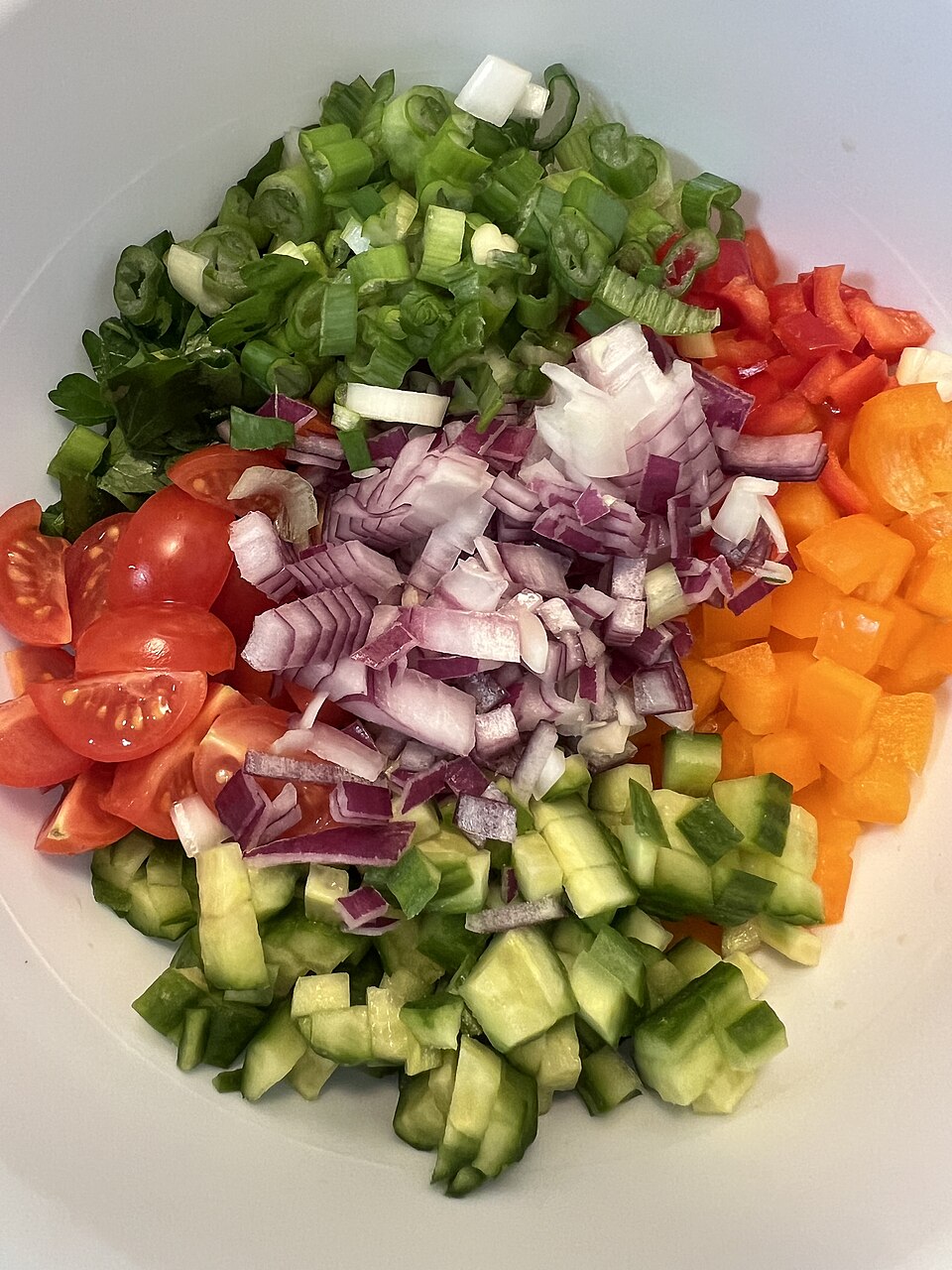
Angourodomata is a simple Greek salad of diced cucumber and tomato dressed in olive oil, vinegar and oregano, considerably faster and plainer than the full horiatiki. It is genuinely everyday food, made when there is no time or inclination for feta, olives and the rest of the classic Greek salad.
Simple Greek Cucumber and Tomato Salad
- Prep
- 10m
- Cook
- None
- Total
- 10m
- Serves
- 4
- Level
- Beginner
Ingredients
Ingredients
Tick ingredients off as you go. Quantities rescale with the buttons above.
Method
- 01Dice the cucumber and tomato into small, even pieces.Dice small and even.Yiayia
- 02Whisk the olive oil, vinegar or lemon juice, and oregano together.
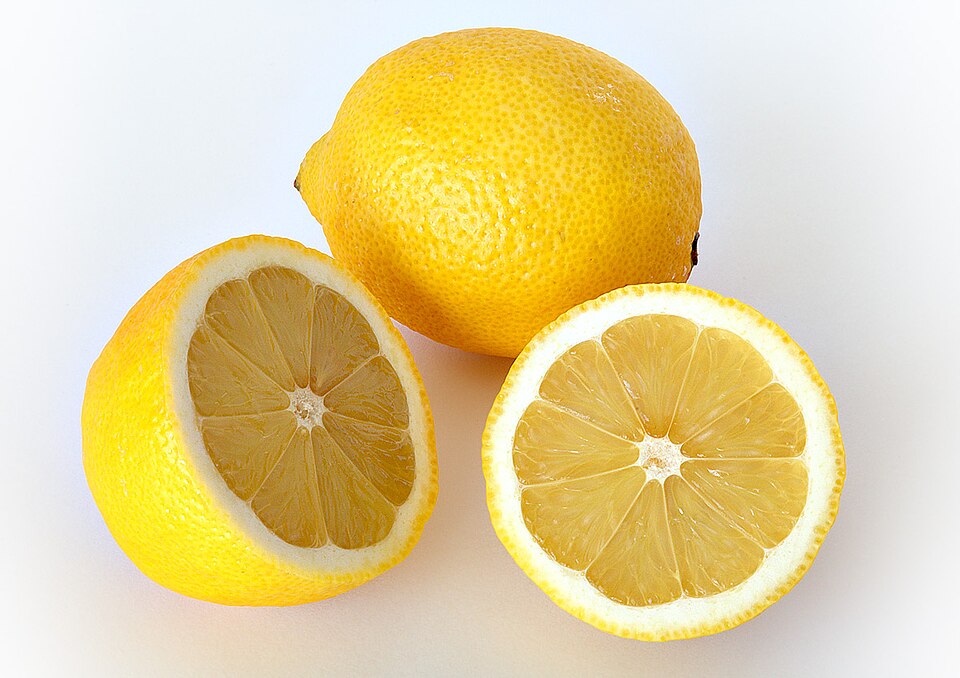
Lemon - 03Toss the vegetables with the dressing and season with salt and pepper.
- 04Serve immediately, or within the first hour.
Nutrition, per 1 side portion
- Calories
- 118
- Protein
- 1 g
- Carbs
- 8 g
- Fat
- 9 g
- Sat fat
- 1 g
- Fibre
- 2 g
These figures are calculated estimates based on the ingredients listed, not laboratory analysis. Actual values vary with brands, cuts and portion size.
Angourodomata, its name simply fusing angouri, cucumber, with domata, tomato, is the salad a Greek household makes on a genuinely ordinary day, when the full ceremony of a horiatiki, with its feta, olives and green pepper, feels like more than the moment calls for.
This is diced rather than the larger wedges of a full Greek salad, which suits its role as a quick, everyday side rather than a table centrepiece, and it comes together in the time it takes to chop two vegetables and whisk a simple dressing.
It sits alongside domatosalata as another example of Greek cooking's willingness to strip a familiar dish down to fewer, better ingredients rather than always reaching for the more elaborate version.
Key preparation steps
- Dice cucumber and tomato.
- Whisk a simple oil and vinegar dressing.
- Toss together with oregano.
- Serve immediately.
Cutting the vegetables
Dice the cucumber and tomato into small, even pieces, roughly one centimetre, which is smaller than the wedges used in a full horiatiki and suits this salad's role as a quick, casual side rather than a showpiece. Deseed the cucumber if it is particularly watery, though this is optional for a salad eaten immediately.
The dressing
Whisk olive oil with a little red wine vinegar or lemon juice and a generous amount of dried oregano, keeping the dressing simple, since there is nothing else here to balance against.
Serving
Toss the diced vegetables with the dressing just before serving, since both cucumber and tomato release water once cut and dressed, and this salad is at its best eaten within the first hour rather than left to sit for a long stretch.
What matters in this dish
Dice small and even
This suits the salad's role as a quick, everyday side, distinct from the larger wedges used in a full horiatiki.
Dress just before serving
Both vegetables release water once cut and dressed, so this salad is best eaten soon after tossing rather than left to sit.
Keep the dressing simple
With only two vegetables, there is nothing else here to balance against, so a plain oil, vinegar and oregano dressing is genuinely enough.
Questions people ask about Angourodomata
What is the difference between angourodomata and horiatiki?
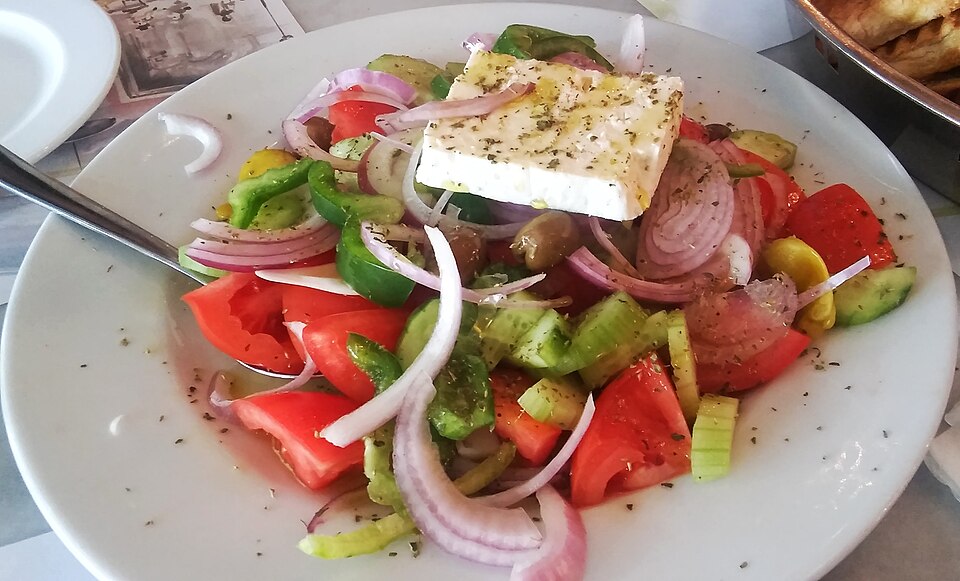
Horiatiki, the full Greek salad, includes feta, olives, onion and green pepper in larger wedges. Angourodomata strips this down to just diced cucumber and tomato, a quicker, plainer everyday version.
Can you add feta to angourodomata?
You can, though at that point it starts to become closer to a simplified horiatiki. The point of angourodomata is its genuine simplicity.
How long does angourodomata keep?
It is best eaten within an hour of dressing, since both cucumber and tomato release water once cut and dressed, which dilutes the flavour the longer it sits.