Greek Main Courses · The Mainland · Boiled and Simmered · The Sunday Table
Greek Octopus with Small Pasta (Htapodi Makaronaki)
Χταπόδι μακαρονάκι hta-POH-thee mah-kah-roh-NAH-kee · Htapodi makaronaki
In short
Htapodi makaronaki is octopus braised slowly in a red wine and tomato sauce until tender, with small pasta, usually hilopites or kritharaki, cooked directly in that sauce afterward so it fully absorbs the octopus's flavour. It is a genuinely popular, substantial taverna dish, distinct from octopus served alone or with a simpler dressing.
Octopus with Small Pasta
- Prep
- 20m
- Cook
- 1h 15m
- Total
- 1h 35m
- Serves
- 4
- Level
- Intermediate
Ingredients
Ingredients
Tick ingredients off as you go. Quantities rescale with the buttons above.
Method
- 01Simmer the octopus in a dry pot over a medium heat for 10 minutes, until it releases its own liquid, then reduce the heat and simmer gently for 40 minutes, until beginning to soften.Let the octopus release its own liquid first.Yiayia
- 02Add the olive oil, onion and garlic, and cook for 5 minutes.
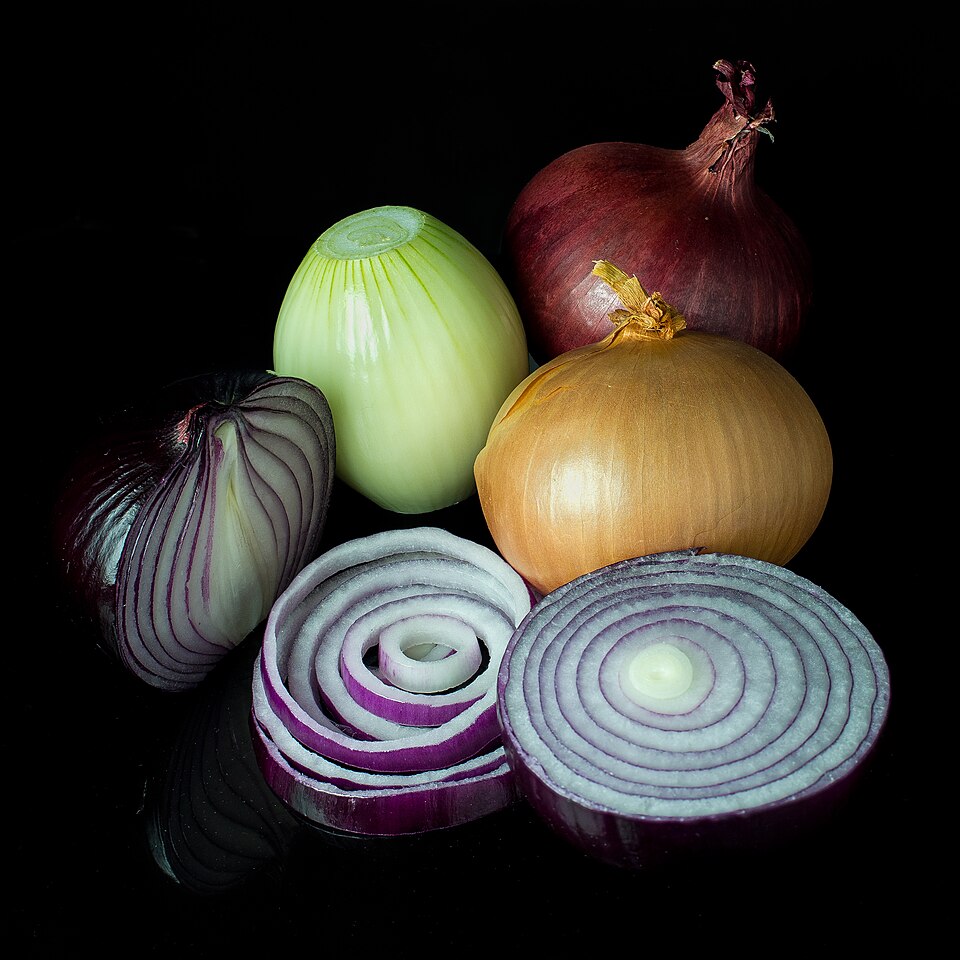
Onion - 03Add the tomatoes, wine and bay leaf. Simmer gently for a further 20 to 25 minutes, until the octopus is completely tender.
- 04Remove the octopus, slice into bite-sized pieces, and set aside. Remove the bay leaf.
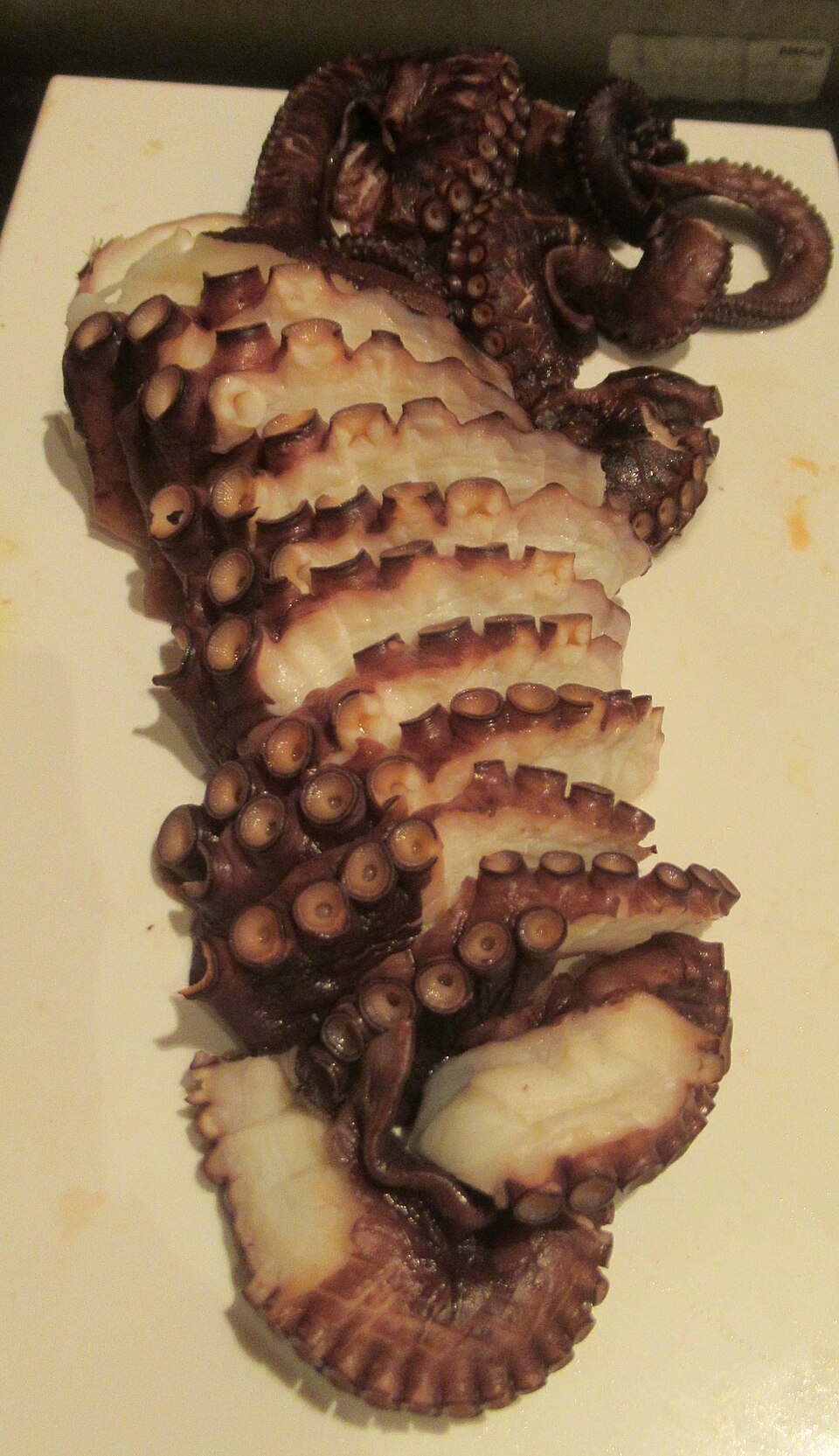
Octopus - 05Add the hot water and pasta to the remaining sauce. Simmer for 10 to 12 minutes, stirring often, until the pasta is tender, adding more hot water if it dries out too much.
- 06Return the sliced octopus to the pot and warm through for 3 to 4 minutes.
- 07Scatter with parsley and serve hot.
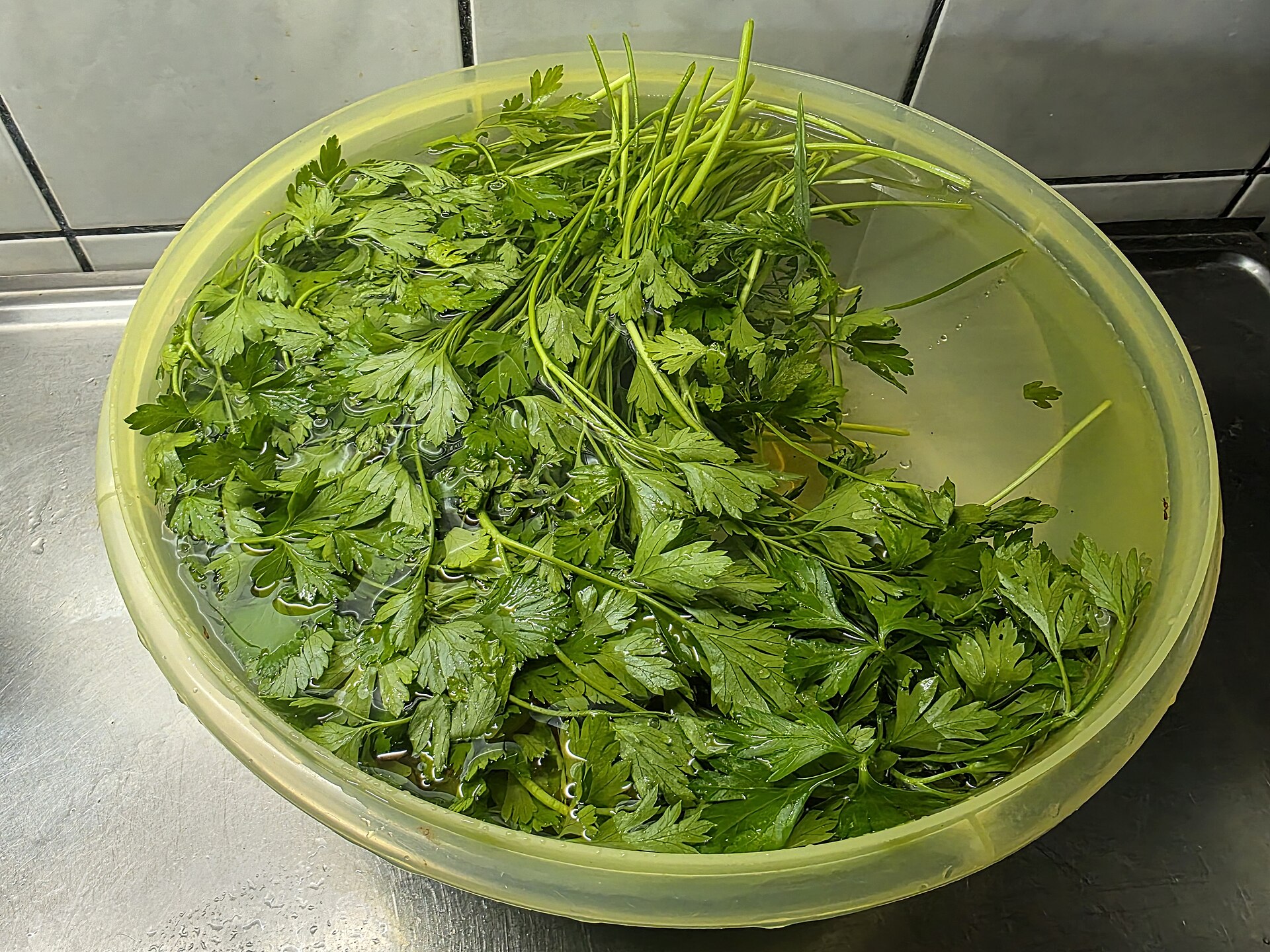
Parsley
Nutrition, per 1 portion
- Calories
- 412
- Protein
- 32 g
- Carbs
- 44 g
- Fat
- 12 g
- Sat fat
- 2 g
- Fibre
- 3 g
These figures are calculated estimates based on the ingredients listed, not laboratory analysis. Actual values vary with brands, cuts and portion size.
Htapodi makaronaki takes the same braised octopus and red wine tomato sauce found in dishes like htapodi krasato and turns it into something considerably more substantial, cooking small pasta directly in that same sauce once the octopus is tender, so the pasta soaks up every bit of the sauce's deep, savoury flavour.
This two-stage approach, a long braise for the octopus followed by a shorter pasta cook in the same liquid, is what makes this genuinely popular as a filling one-pot meal rather than a smaller seafood starter.
Small pasta shapes, hilopites or kritharaki, are traditional here, since they cook quickly and evenly within the remaining sauce without needing to be boiled separately and combined afterward.
Key preparation steps
- Braise octopus slowly in red wine and tomato until tender.
- Remove and slice the octopus, keeping the sauce.
- Add small pasta directly to the sauce and cook until tender.
- Return the sliced octopus to finish together.
Braising the octopus
Simmer the octopus gently in its own released liquid first, without added water, until tender, generally around fifty minutes to an hour, then add onion, garlic, tomato, red wine and a bay leaf, and continue simmering until the octopus is completely tender and the sauce has developed real depth.
Cooking the pasta in the sauce
Remove the octopus, slice into bite-sized pieces, and set aside. Add hot water or stock to the remaining sauce along with the small pasta, and simmer until the pasta is tender, absorbing the sauce as it cooks rather than being boiled separately.
Bringing it together
Return the sliced octopus to the pot once the pasta is nearly done, and warm through together for a final few minutes, so everything finishes as one properly combined dish rather than two separate components simply plated together.
What matters in this dish
Let the octopus release its own liquid first
Starting it dry over heat before adding anything else draws out its natural moisture, which is the base the rest of the sauce builds on.
Cook the pasta directly in the sauce
This is what makes the dish distinctive, letting the pasta absorb the octopus and tomato flavour rather than being a separate, plainer component.
Keep extra hot water on hand
The pasta can absorb the sauce faster than expected in the final stage, and a splash of extra hot water keeps the dish properly saucy rather than drying out.
Questions people ask about Htapodi makaronaki
What pasta shape is traditional for htapodi makaronaki?
Hilopites, small flat egg noodles, or kritharaki, rice-shaped orzo pasta, are both traditional, chosen because they cook quickly and evenly within the remaining sauce.
How do you know when the octopus is tender?
A knife or skewer should slide into the thickest part with little resistance. If it still feels rubbery or tough, it needs more time simmering before you move to the pasta stage.
Can you use frozen octopus?
Yes, and many cooks actually prefer it, since freezing helps break down the muscle fibres, giving a more reliably tender result than some fresh octopus.