Greek Main Courses · The Mainland · Baked · The Sunday Table
Giouvetsi Recipe (Greek Baked Beef with Orzo)
Γιουβέτσι yoo-VEHT-see · Giouvetsi
In short
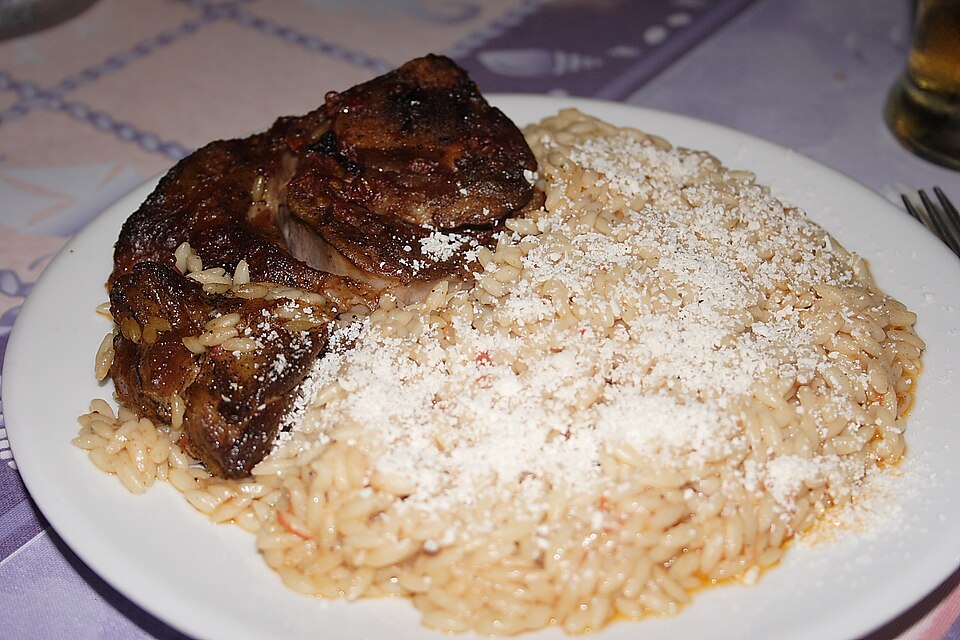
Giouvetsi is a Greek dish of beef braised in a cinnamon-spiced tomato sauce, then finished in the oven with orzo pasta stirred directly into the same dish, so the pasta absorbs the sauce as it bakes. It is traditionally cooked and served in an individual clay pot called a giouvetsi.
Giouvetsi
- Prep
- 25m
- Cook
- 2h 30m
- Total
- 2h 55m
- Serves
- 6
- Level
- Intermediate
Ingredients
Ingredients
Tick ingredients off as you go. Quantities rescale with the buttons above.
Method
- 01Heat the olive oil in a large ovenproof casserole. Season the beef and brown it hard in batches until well coloured. Set aside.
- 02Add the onions and garlic to the pot and cook for 8 minutes until soft. Stir in the tomato paste and cook for 1 minute.
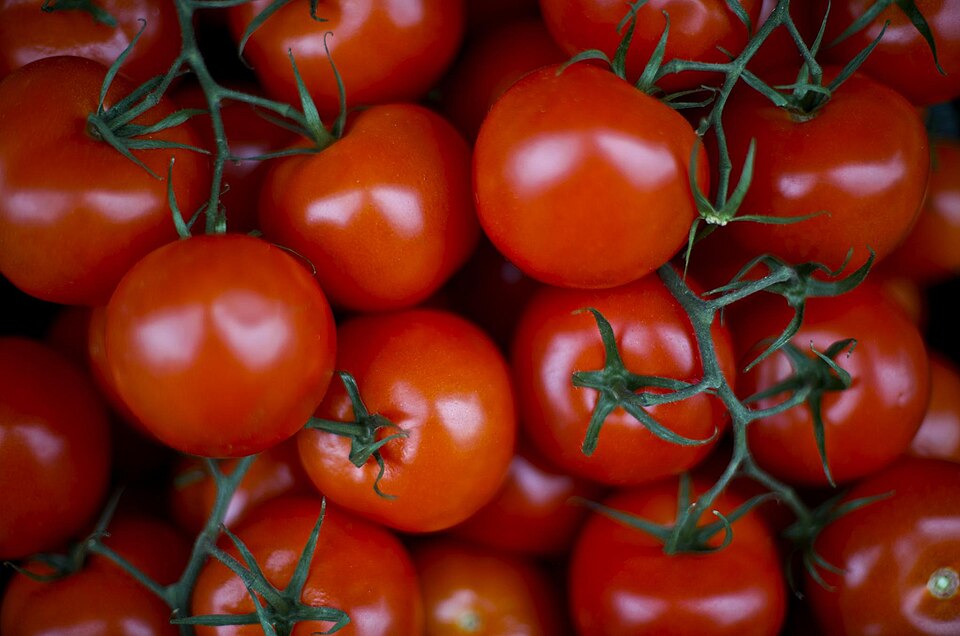
Tomato - 03Pour in the wine and let it bubble for 2 minutes, then add the tomatoes, cinnamon stick and bay leaves. Return the beef to the pot and add enough water to just cover.
- 04Bring to a simmer, cover partially, and cook on the stovetop over a low heat, or in a 160C fan 140C oven, for 2 hours, until the beef is completely tender.
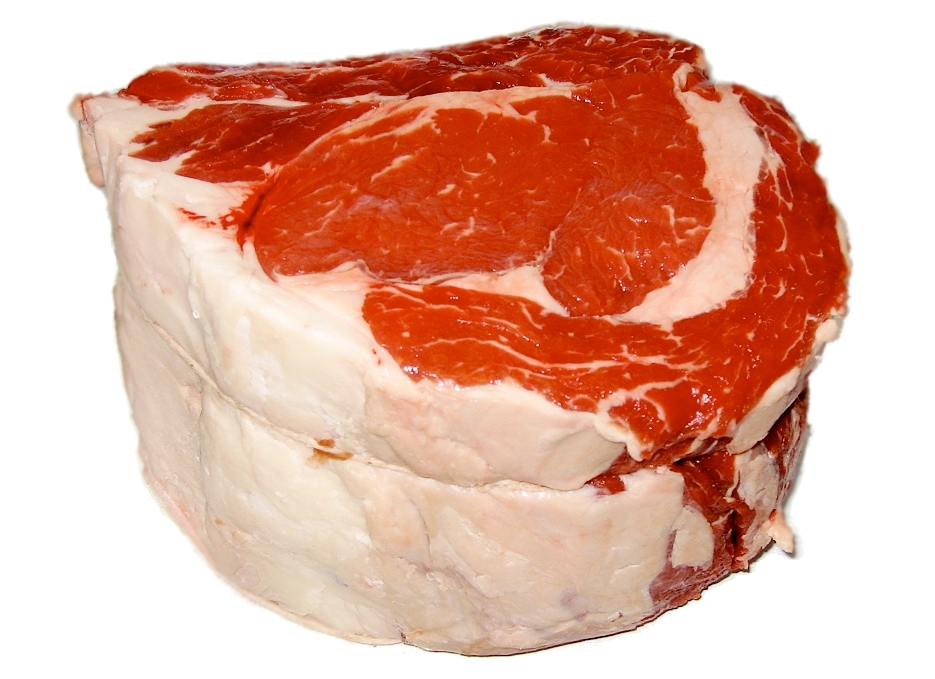
Beef - 05Heat the oven to 200C fan 180C if it is not already on. Remove the cinnamon stick and bay leaves from the pot.
- 06Stir the orzo into the pot along with the hot stock. Check the seasoning.
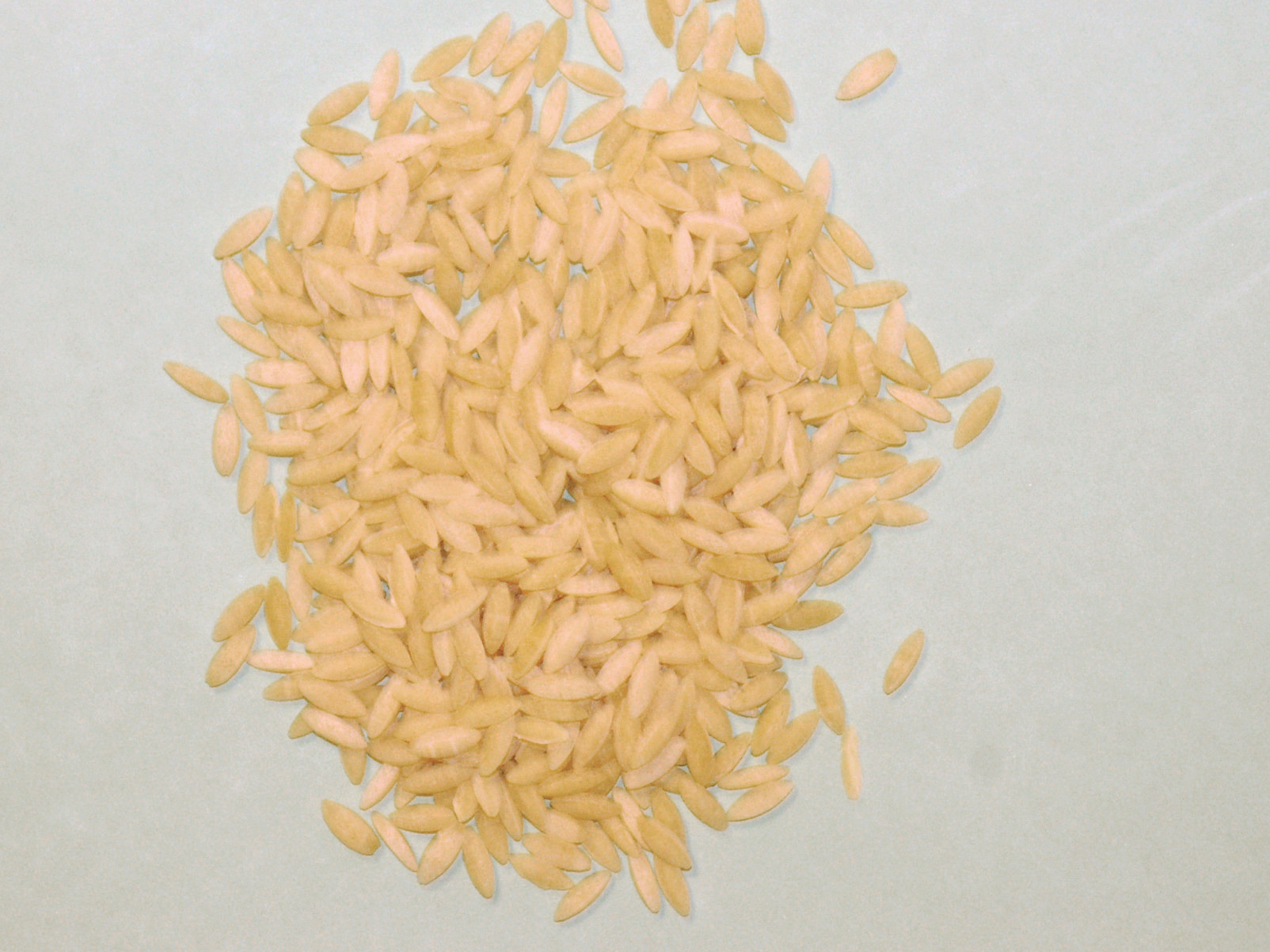
Orzo - 07Return to the oven, uncovered, and bake for 15 to 20 minutes, checking from the 15 minute mark, until the orzo is tender but still has a little bite, adding a splash more hot stock if it looks dry before the orzo is done.Keep the sauce loose before the orzo goes in.Yiayia
- 08Rest for 5 minutes, then serve straight from the dish, topped with grated kefalotyri.
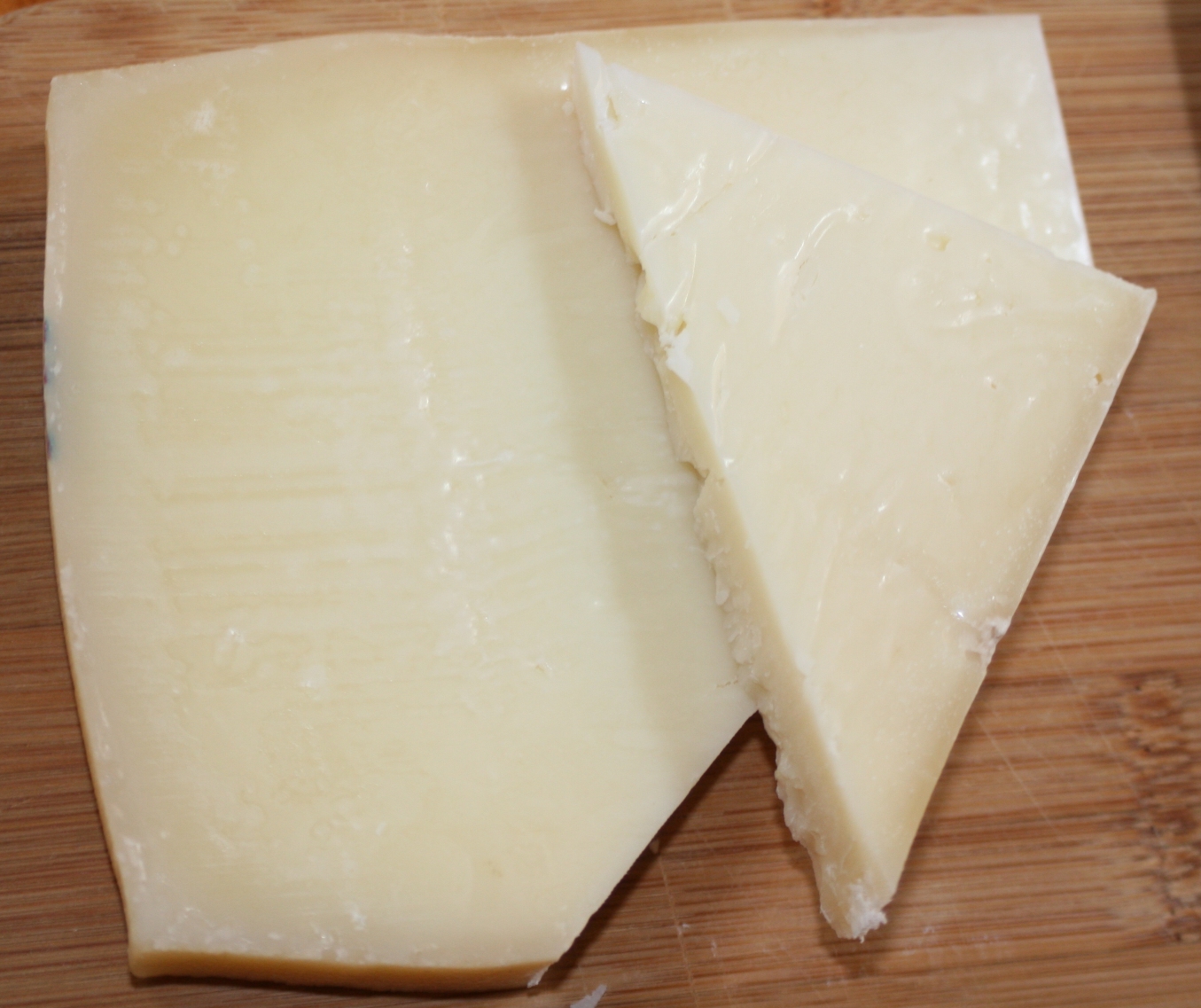
Kefalotyri
Nutrition, per 1 portion
- Calories
- 612
- Protein
- 34 g
- Carbs
- 54 g
- Fat
- 24 g
- Sat fat
- 9 g
- Fibre
- 3 g
These figures are calculated estimates based on the ingredients listed, not laboratory analysis. Actual values vary with brands, cuts and portion size.
Giouvetsi takes its name from the individual clay pot it is traditionally served in, and the dish inside is built the same way regardless of the vessel: beef braised low and slow in a cinnamon-warmed tomato sauce, with orzo, the small rice-shaped pasta known in Greek as kritharaki, stirred in towards the end so it finishes cooking directly in that sauce rather than separately.
It sits close to giouvetsi's Ionian cousin pastitsada in spirit, both being braised meat served with a starch that has absorbed the sauce, but giouvetsi's orzo cooks right there in the pot rather than being boiled separately, which gives every grain of pasta a chance to soak up the meat's flavour directly.
It is genuinely two dishes in one timeline: a long, patient braise first, then a much shorter, closely watched finishing bake once the orzo goes in, since pasta overcooks far faster than a beef braise ever will.
Key preparation steps
- Braise beef in a cinnamon-spiced tomato sauce until nearly falling apart.
- Stir raw orzo directly into the sauce along with extra hot liquid.
- Finish in the oven until the orzo is just tender.
- Rest briefly, then serve straight from the dish with grated cheese.
The beef braise
Beef shin or chuck, browned hard, then simmered in a tomato sauce built with onion, garlic, a cinnamon stick and bay leaf, exactly as you would for any long Greek stew. This stage takes the better part of two hours and should leave the beef almost falling apart tender before the orzo ever enters the picture.
Keep the sauce reasonably loose at this stage rather than reduced right down, since the orzo is about to absorb a significant amount of liquid and needs enough sauce available to cook in properly.
Adding the orzo at the right point
Stir the raw orzo directly into the pot along with extra hot stock or water, roughly double the volume of the dry orzo, once the beef is fully tender. This is not a pasta that gets boiled separately and combined afterwards, it genuinely cooks inside the sauce, absorbing the beef's flavour as it goes.
Transfer everything to the oven at this point rather than continuing on the stovetop, since an oven's more even heat cooks the orzo through without the risk of scorching on the base of the pot that stovetop cooking would carry.
Watching the finishing bake closely
Orzo cooks in roughly fifteen to twenty minutes, dramatically faster than the beef braise that came before it, so this stage needs real attention rather than being left unattended the way the earlier braise could be. Check at fifteen minutes and every few minutes after that.
It is properly done once the orzo is tender but still holds a little bite, with most but not all of the liquid absorbed, since it will continue to soak up sauce during the resting time after it comes out of the oven.
What matters in this dish
Do not rush the beef stage
The braise needs its full two hours to reach the fall-apart tenderness that makes this dish worth the effort. The orzo stage is quick by comparison.
Keep the sauce loose before the orzo goes in
The orzo will absorb a significant amount of liquid as it bakes, so start that stage with more sauce than looks strictly necessary.
Watch the orzo closely
It cooks far faster than the beef did. Check from 15 minutes rather than trusting a fixed time.
Questions people ask about Giouvetsi
What is orzo called in Greek?
Kritharaki, a small rice-shaped pasta that is the standard pasta used in giouvetsi and several other Greek baked dishes.
Can you make giouvetsi with lamb or chicken instead of beef?
Yes, both are common variations. Lamb follows a similar long braising time to beef, while chicken needs considerably less time before the orzo stage, closer to 45 minutes of initial braising.
Why is my giouvetsi orzo mushy?
Most likely left in the oven too long past the point of doneness, since orzo continues absorbing liquid even once you take the dish out. Check from 15 minutes and pull it while there is still a little bite left.